









In contemporary society, dining has evolved far beyond a basic need for nourishment. It has become a complex, multifaceted experience that can be transformed into both an art exhibition and a scientific display. From Michelin-star restaurants to avant-garde food presentations, dining has shifted from being a mere act of eating to an immersive event where creativity, technology, and innovation converge. This transformation touches on various domains, including visual arts, gastronomy, chemistry, and psychology, ultimately making dining not only a sensory experience but also an intellectual journey.
1. The Intersection of Art and Dining: The Aesthetic Experience
The blending of food and art has been observed for centuries, but it has never been as pronounced as it is today. Fine dining, particularly in the hands of skilled chefs and artists, offers a unique form of artistic expression. Plates are canvases, ingredients are paint, and the plating techniques serve as brushstrokes.
1.1 The Concept of Culinary Art
Culinary art involves the creative process of preparing, presenting, and serving food in a way that delights both the senses and the mind. Artists in the culinary world, like chefs, use food as a medium to communicate complex ideas and emotions. The culinary arts have increasingly been recognized alongside traditional visual arts, as chefs draw inspiration from painting, sculpture, and even performance art.
For example, renowned chefs such as René Redzepi of Noma in Denmark or Grant Achatz of Alinea in Chicago design meals that engage all the senses. A dish can be arranged with such precision and creativity that it tells a story or evokes a particular emotion. The use of textures, colors, and the overall arrangement on the plate can turn a simple meal into a visual masterpiece.
1.2 The Role of Presentation in Dining
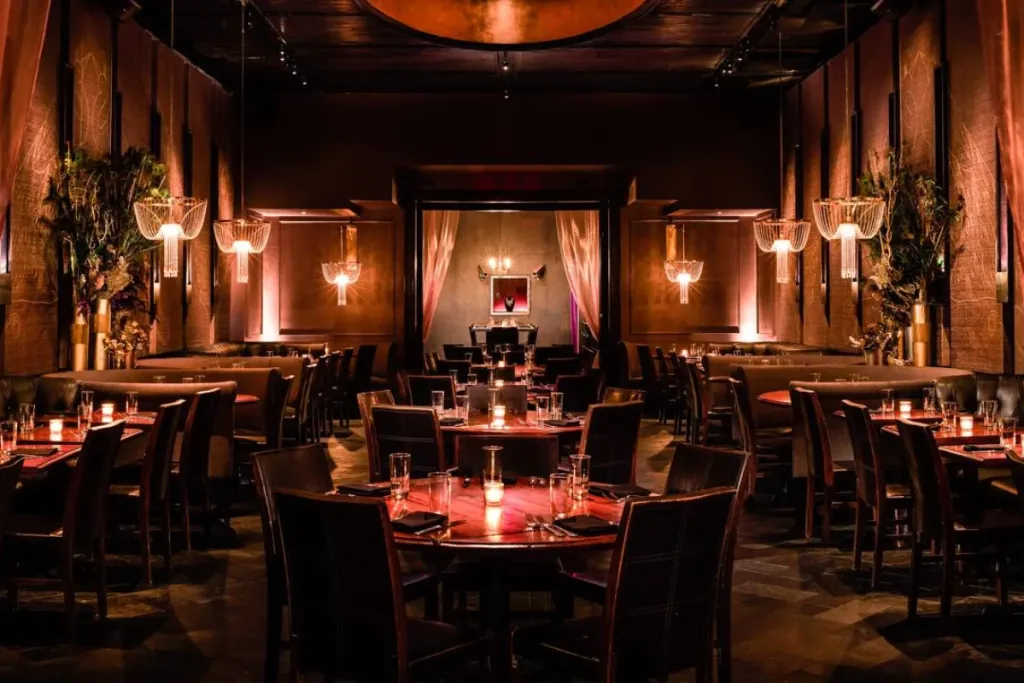
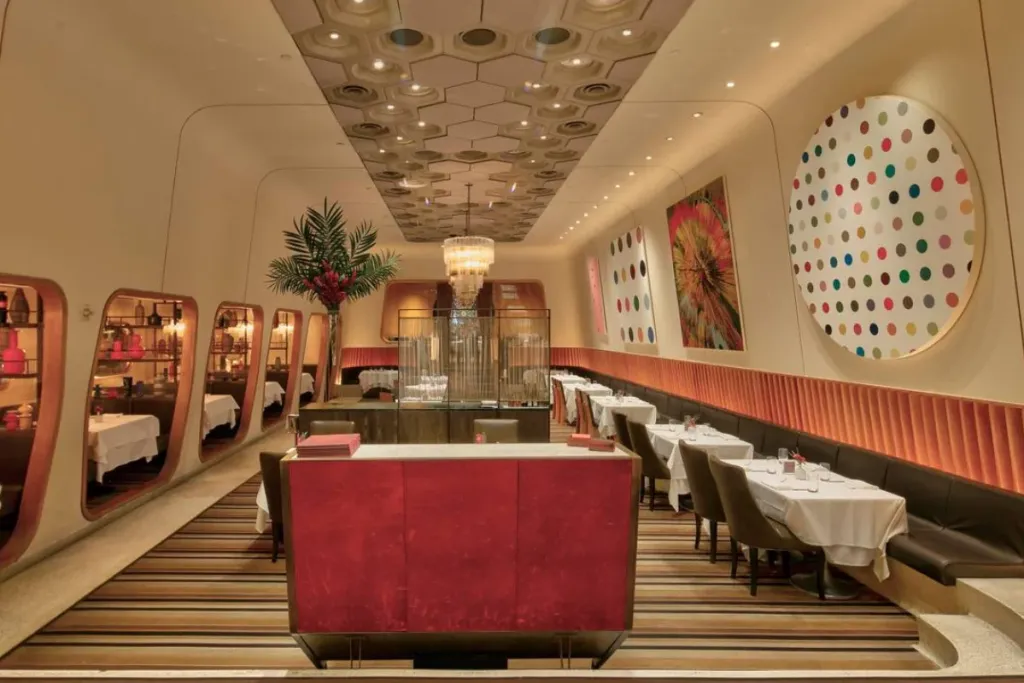
The aesthetic experience of dining heavily relies on the presentation of the food. Just like an art exhibition, the way a dish is presented is an important part of the overall experience. Visual appeal has become a key factor in dining, with restaurants investing in tableware, lighting, and even ambiance to enhance the overall feel of a meal.
In many fine-dining establishments, the table itself becomes an extension of the plate, with elaborate table settings, interactive elements, and artistic themes designed to elevate the dining experience. This phenomenon is exemplified by trends such as edible art, where the food itself is crafted to resemble sculptures or paintings. Examples include intricate sugar sculptures, edible flowers, and multi-layered desserts that blur the line between food and art.
1.3 Interactive Dining and Performance Art
In addition to visual aesthetics, interactive dining experiences have emerged as a form of performance art. Restaurants like “Dinner by Heston Blumenthal” and “El Celler de Can Roca” focus not only on taste but also on the guest’s emotional and psychological engagement with the food. The act of eating becomes a dynamic, participatory process that includes narrative, spectacle, and even storytelling through food.
This trend has resulted in some groundbreaking dining concepts, such as “molecular gastronomy,” where food is prepared using scientific principles to create innovative textures and flavors. These concepts push the boundaries of what is considered traditional cuisine and present dining as an evolving art form, where the boundaries between food, science, and performance blur.
2. The Science of Dining: A Culinary Laboratory
While dining as art is a fascinating and immersive experience, it also intersects deeply with science. The process of preparing and presenting food involves intricate knowledge of chemistry, biology, and physics. From molecular gastronomy to the application of food safety principles, science plays a fundamental role in the dining experience.
2.1 Molecular Gastronomy: Where Science Meets Cuisine
Molecular gastronomy, a term coined by scientists Hervé This and Nicholas Kurti, refers to the use of scientific principles to create innovative food textures and flavors. This approach to cooking employs techniques such as spherification, emulsification, and cryogenic freezing. These techniques allow chefs to manipulate ingredients in ways that would not be possible through traditional cooking methods.
One of the key innovations in molecular gastronomy is the use of liquid nitrogen to create dramatic, smokey effects with food. For instance, chefs can freeze fruits and herbs with liquid nitrogen, allowing them to create textures that are impossible with regular cooking methods. This scientific approach to food challenges traditional ideas of cooking and presents dining as a laboratory experiment where experimentation and creativity are limitless.
2.2 The Role of Chemistry in Flavors and Textures
The science of flavors and textures has also played a critical role in the dining experience. Understanding the chemistry of taste, aroma, and mouthfeel is essential for chefs who seek to create complex, layered dishes. Techniques such as fermentation, aging, and emulsification not only enhance the taste of food but also allow for new textures and sensory experiences.
Fermentation, for example, is a science-based process that enhances the flavors and textures of food. Dishes such as kimchi, kombucha, and sourdough bread owe their distinct flavors to fermentation. In addition, modern chefs often experiment with aging techniques to intensify the flavor profile of meats, cheeses, and even vegetables, drawing from centuries-old methods and scientific research.
2.3 The Impact of Technology on Food Preparation
The integration of technology in dining is also an emerging trend that combines science and culinary arts. High-tech kitchen gadgets, such as sous-vide machines, dehydrators, and precision ovens, allow chefs to prepare food with unparalleled accuracy and control. These innovations allow for the precise control of temperature, time, and texture, giving chefs the ability to craft dishes that are consistently perfect.
Furthermore, food-related technologies such as 3D printing are beginning to make their way into fine dining, allowing chefs to create intricate, customized shapes and forms that were previously impossible to achieve. This fusion of technology and food is an exciting frontier, where chefs become akin to engineers or artists, experimenting with the possibilities of how food can be constructed and presented.
3. The Psychology of Dining: Eating as an Intellectual and Emotional Experience
Dining is not only an aesthetic or scientific endeavor but also a deeply psychological one. The way we perceive food and the emotional responses it elicits play a crucial role in how we experience a meal. Food can evoke memories, shape our mood, and influence our perceptions of the world around us.
3.1 The Psychology of Plating and Visual Stimuli
The way food is presented can trigger emotional responses. Colors, textures, and patterns on a plate have been shown to affect the way we perceive taste. For instance, research has shown that the color red can stimulate appetite, while blue can suppress it. The use of contrasting textures, such as crunchy vegetables paired with creamy sauces, can also heighten our sensory experience.
In addition, the arrangement of food on a plate can influence how we perceive its quality. A well-plated dish is often seen as more refined and sophisticated, while a simple presentation may evoke feelings of comfort or nostalgia. This highlights the importance of the visual element in dining, where the food’s appearance is intertwined with our psychological perception of its taste and value.
3.2 The Role of Senses in Dining
Dining is inherently a multisensory experience. Taste, smell, touch, sight, and even sound all contribute to how we perceive a meal. The sounds of sizzling meat on a grill or the aroma of fresh herbs can evoke a sense of comfort, nostalgia, or excitement. Similarly, the texture of food—the crunch of a crisp vegetable or the smoothness of a velvety dessert—can influence our enjoyment of a meal.
Chefs today understand the psychological significance of these sensory cues and design their dishes to engage as many senses as possible. For example, chefs may design meals that play with temperature contrasts (such as serving hot and cold components on the same plate) or incorporate unusual textures (such as liquid-filled spheres or foam) to surprise and delight the diner.
3.3 The Social and Cultural Context of Dining
Dining also plays a crucial role in social interactions and cultural expression. Meals are often shared experiences, whether in the form of family dinners, social gatherings, or celebrations. The communal aspect of dining is not only a social ritual but also a cultural expression, with each culture offering unique ways of preparing, presenting, and consuming food.
Many modern chefs focus on reviving traditional cooking techniques, using locally sourced ingredients, and telling stories through food. This cultural connection adds depth to the dining experience, turning a meal into a reflection of history, geography, and personal narrative. The act of dining becomes an intellectual exploration of identity, culture, and community.
Conclusion: Dining as a Multidisciplinary Art Form
In conclusion, dining today is an evolving and dynamic experience that combines elements of art, science, and psychology. The transformation of food from a simple necessity into an immersive experience underscores the growing role of creativity, innovation, and interdisciplinary collaboration in the culinary world. Whether through artistic presentations that delight the eye, scientific techniques that revolutionize textures and flavors, or psychological insights that deepen our understanding of taste, dining has truly become both an art exhibition and a scientific display.
As we look ahead, it is clear that the future of dining will continue to push boundaries, creating even more engaging, thought-provoking, and sensory-rich experiences. Whether we are savoring the intricacies of a molecular gastronomic creation or admiring the beauty of a carefully crafted plate, dining will remain an ongoing celebration of human creativity and curiosity.