









For modern travelers, culinary experiences have evolved beyond simply eating; they seek immersion, narrative, and authenticity. Restaurants and markets that offer a story-rich environment, locally inspired flavors, and sensory engagement are now central to the journey. These spaces connect travelers to local culture, history, and traditions through food, transforming a meal into a meaningful encounter. This article explores the essence of such destinations, examining what makes them compelling, the regional highlights, and the strategies travelers can use to fully engage with these gastronomic experiences.
The Rise of Experiential Dining
Over the past decade, the global travel industry has witnessed a shift from sightseeing toward immersive cultural experiences. Food has emerged as a critical medium for cultural storytelling, enabling travelers to engage with a destination in a visceral and memorable way.
Defining Immersive and Story-Rich Dining
Immersive restaurants and markets combine multiple elements to create holistic experiences:
- Atmosphere: Architecture, décor, and ambient sounds reflect local heritage and cultural identity.
- Narrative: Menus, ingredient sourcing, and preparation methods tell a story about regional history and culinary evolution.
- Engagement: Interactive experiences, from open kitchens to market tours, involve diners actively in the preparation and selection process.
For travelers, these experiences go beyond taste—they stimulate all senses and evoke a deeper connection to place.
Why Travelers Crave Stories and Authenticity
Authenticity and storytelling enhance the value of culinary experiences. Travelers today are curious not just about what they eat but why it matters. Stories about farmers, local traditions, or ancestral recipes allow diners to contextualize flavors within cultural heritage, making each bite meaningful.
Moreover, storytelling elevates ordinary ingredients into symbols of identity. A dish prepared with heirloom tomatoes in Tuscany or fermented vegetables in Korea becomes a portal into centuries of agricultural and culinary knowledge.
Markets as Culinary Narratives
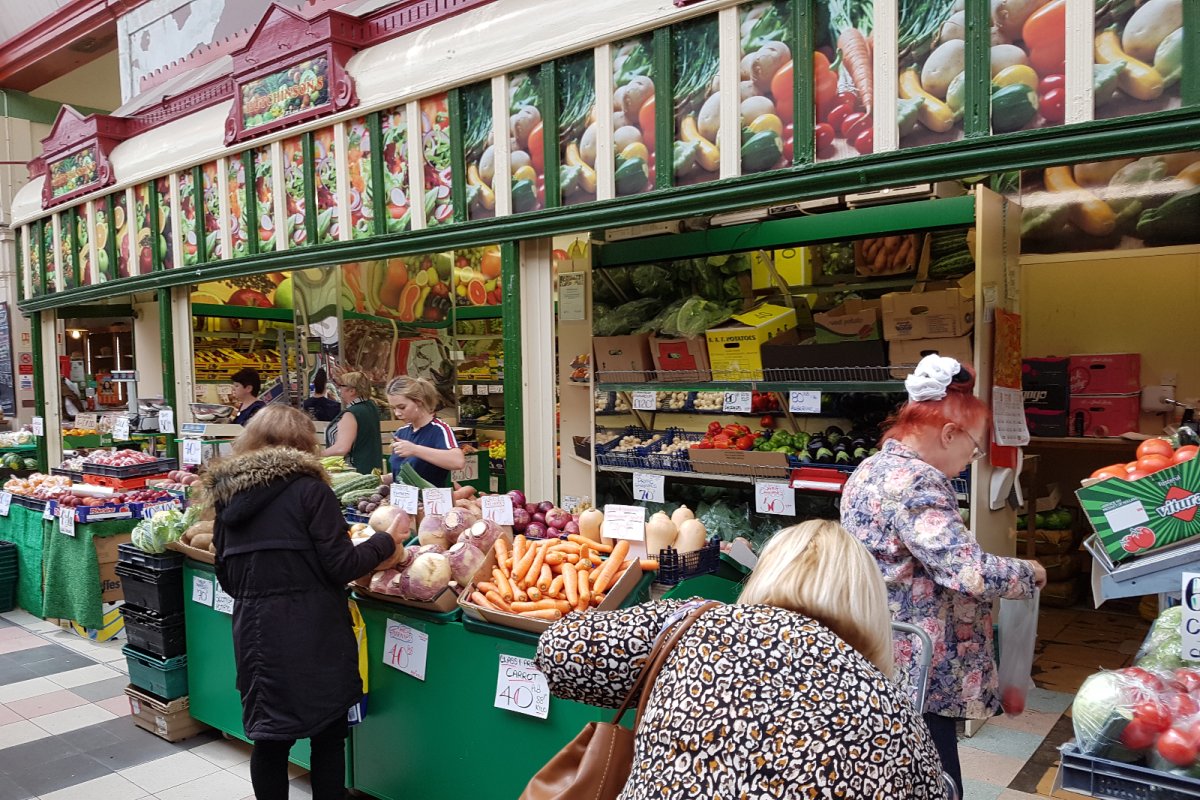
Food markets are living museums of local culture. Unlike restaurants, which often offer curated interpretations, markets present the raw authenticity of a region’s culinary landscape.
Characteristics of Story-Rich Markets
- Local Sourcing: Vendors sell ingredients harvested nearby, highlighting seasonal and regional diversity.
- Cultural Continuity: Markets often preserve traditional methods of production, preparation, and sale.
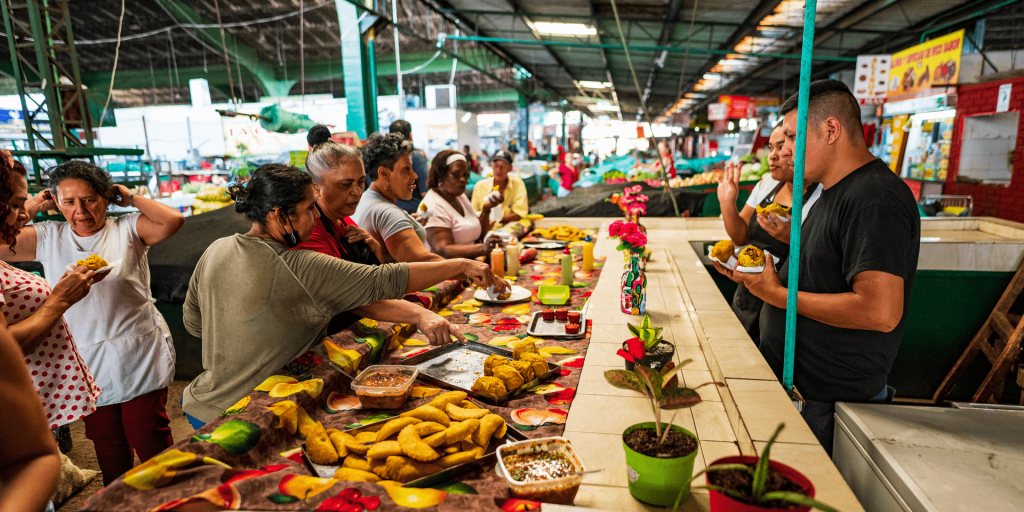
- Social Interaction: Markets are communal spaces where locals exchange stories, recipes, and culinary wisdom.
Notable Examples
Asia
- Bangkok’s Or Tor Kor Market: Famous for its fresh produce, seafood, and Thai delicacies, this market provides not only flavor but insight into Thailand’s agricultural systems and local traditions.
- Taipei’s Shilin Night Market: A hub for street food storytelling, vendors often demonstrate cooking techniques that have been passed down for generations, such as handmade oyster omelets and stinky tofu fermentation.
Europe
- La Boqueria, Barcelona: Beyond colorful fruits and cured meats, this market offers classes, tastings, and chef demonstrations that narrate Catalonia’s culinary heritage.
- Mercato Centrale, Florence: A space combining fresh produce with artisanal eateries, where each stall tells the story of Tuscan ingredients and culinary techniques.
Latin America
- Mercado de San Juan, Mexico City: Known for exotic ingredients, this market immerses visitors in Mexico’s diverse regional flavors, from edible insects to rare tropical fruits, accompanied by vendor stories tracing ingredient origins.
- La Vega, Bogotá: A vibrant hub of Colombian gastronomy, offering insights into local coffee, cheeses, and street foods intertwined with folklore and seasonal rituals.
Restaurants with Narrative-Driven Experiences
Story-rich restaurants transform dining into a multi-dimensional journey. These establishments blend gastronomy, history, and culture into their service, décor, and menu design.
Elements of Narrative-Driven Restaurants
- Ingredient Transparency: Diners learn where each ingredient comes from, how it is grown, and why it was chosen.
- Culinary History: Menus may highlight the evolution of dishes or regional specialties, often supplemented with anecdotes or visual storytelling.
- Interactive Experiences: Open kitchens, chef interactions, and live demonstrations connect diners with the preparation process.
Global Examples
Asia
- Gaggan, Bangkok: Famed for progressive Indian cuisine, the restaurant layers modernist techniques with cultural references, offering a “story on the plate.”
- Din Tai Fung, Taiwan: Beyond their signature xiao long bao, the open kitchen allows diners to observe masterful dumpling craftsmanship, narrating a history of Taiwanese culinary excellence.
Europe
- Osteria Francescana, Modena, Italy: Ingredients sourced from Emilia-Romagna’s farms come with stories about seasonal harvests and family-run artisan producers.
- El Celler de Can Roca, Girona, Spain: A gastronomic theater where dishes reference regional history, with staff sharing narratives of traditional ingredients and local techniques.
Latin America
- Pujol, Mexico City: Chef Enrique Olvera incorporates indigenous Mexican ingredients with storytelling about ancestral practices and the cultural significance of each element.
- Central Restaurante, Lima, Peru: Focuses on Peru’s biodiversity, with a menu highlighting ingredients like Amazonian fruits and Andean tubers, each tied to regional narratives.
Flavor as a Cultural Lens
Flavor is the language of culture. By experiencing unique tastes in authentic settings, travelers gain a tangible understanding of local identity.
Regional Flavor Profiles
- Southeast Asia: Complex layering of sweet, sour, salty, and spicy notes, reflecting tropical agriculture and culinary syncretism.
- Europe: Emphasis on terroir, fermentation, and artisanal craftsmanship conveys history, geography, and social traditions.
- Latin America: Bold, earthy flavors often reflect indigenous cultivation methods, local spices, and historical trade influences.
Engaging the Senses
Immersive experiences extend beyond taste to smell, sight, touch, and sound. Markets are alive with bustling sounds, vibrant displays, and aromatic offerings. Restaurants may enhance sensory engagement through thematic décor, plating artistry, and even interactive storytelling elements like ingredient tastings or cooking workshops.
Strategies for Travelers to Seek Immersive Culinary Experiences
Finding restaurants and markets with strong narrative and sensory engagement requires intention and research.
Research and Planning
- Culinary Guides and Blogs: Specialist travel blogs often highlight hidden gems known for authenticity and storytelling.
- Local Recommendations: Engaging with residents or local culinary schools can provide insights unavailable in mainstream tourist guides.
- Seasonal Timing: Certain ingredients or cultural events may be available only seasonally, providing unique flavor and narrative experiences.
Participation and Engagement
- Interactive Dining: Participate in workshops or cooking demonstrations to understand techniques and ingredient sourcing.
- Market Tours: Guided tours can illuminate stories behind vendors, ingredient origins, and historical culinary practices.
- Story-Seeking: Ask chefs or vendors about the origin of dishes, regional variations, and family traditions to enrich the experience.
The Role of Storytelling in Culinary Tourism
Storytelling transforms ordinary meals into memorable cultural encounters. Travelers increasingly value experiences where narrative is as integral as flavor.
Benefits for Travelers
- Cultural Understanding: Stories contextualize flavors within local history, agriculture, and traditions.
- Emotional Connection: Personal anecdotes from chefs or vendors create intimacy and engagement.
- Memorable Experiences: Narrative-rich dining leaves a lasting impression, differentiating it from generic tourist meals.
Benefits for Local Communities
- Economic Support: Highlighting local ingredients and traditions drives demand for artisanal and regional producers.
- Cultural Preservation: Sharing culinary narratives helps maintain traditional practices and knowledge.
- Sustainable Tourism: Emphasizing local sourcing and seasonal ingredients encourages environmentally responsible travel.
Challenges and Considerations
While immersive, story-driven dining is appealing, travelers should approach it thoughtfully.
Authenticity vs. Commercialization
Some markets and restaurants may exaggerate stories or cultural elements for tourist appeal. Travelers must discern between genuinely traditional experiences and commodified versions.
Accessibility and Cost
Immersive dining often comes with higher costs or limited availability. Early bookings and local guidance are essential for securing these experiences.
Language and Cultural Barriers
Understanding the full narrative may require translation or guides. Engaging with local interpreters or culinary tour operators enhances comprehension and appreciation.
Conclusion
For contemporary travelers, food is a portal to culture, history, and memory. Restaurants and markets that offer immersive, story-rich, and flavorful experiences provide more than sustenance—they deliver a journey through place, tradition, and human creativity. From bustling markets in Bangkok to artisanal eateries in Florence, these experiences connect diners to local identity, sustainability, and culinary heritage.
By seeking narrative-driven dining, travelers transform meals into meaningful encounters, fostering cultural understanding and emotional resonance. Each ingredient, dish, and market stall tells a story, and for those willing to explore thoughtfully, the rewards extend far beyond taste—offering insights, memories, and connections that endure long after the journey ends.