








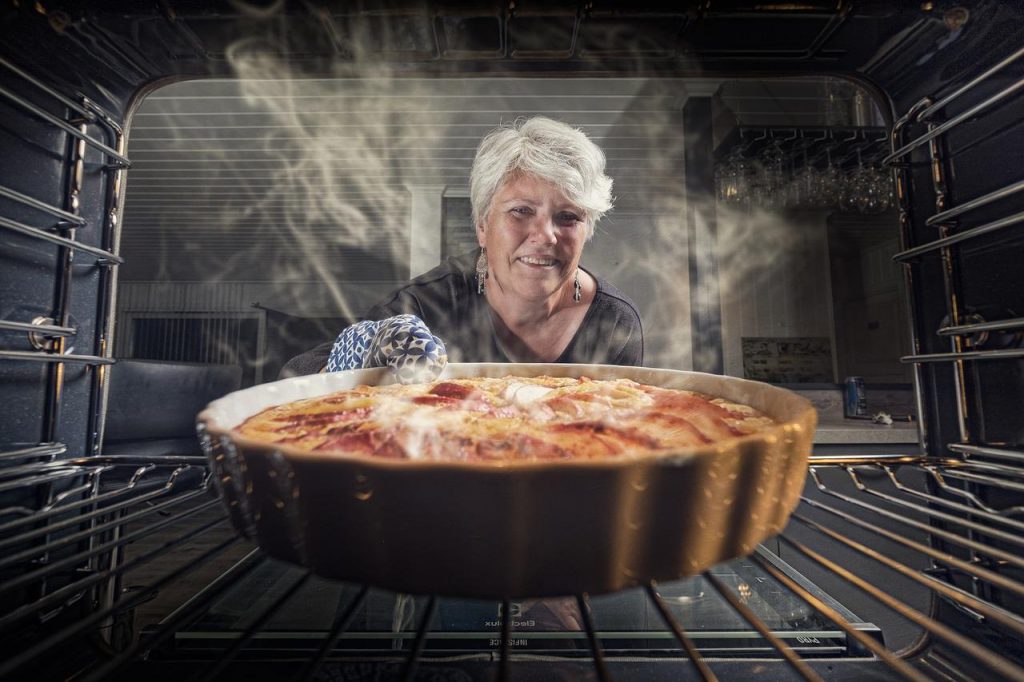

In today’s interconnected world, the culinary arts are no longer confined to local kitchens, traditional cookbooks, or regional restaurants. Culinary documentaries and online courses have emerged as powerful tools to share, preserve, and popularize classic dishes, offering global audiences access to recipes, techniques, and cultural insights once restricted to professional chefs or local communities. These digital platforms bridge geography, language, and cultural barriers, transforming how people experience food, learn cooking skills, and appreciate culinary heritage.
This article explores the rise of culinary media and online education, analyzing their impact on global cuisine, knowledge dissemination, gastronomic culture, and professional culinary development. It also examines technological integration, pedagogical approaches, market trends, and future directions.
1. The Rise of Culinary Media
1.1 Historical Context
Before the digital era, culinary knowledge spread primarily through:
- Family traditions passed down orally or through handwritten recipes.
- Printed cookbooks and magazines, often regionally focused.
- Television cooking shows with limited broadcast reach.
While effective, these channels limited access, delayed knowledge dissemination, and often prioritized entertainment over educational depth.
1.2 Emergence of Documentaries and Online Courses
- Platforms like Netflix, Amazon Prime, and YouTube showcase high-quality culinary documentaries exploring regional cuisines, traditional recipes, and chef narratives.
- Online courses from platforms like MasterClass, Udemy, and Coursera offer structured culinary education, often led by professional chefs and food historians.
- Digital content provides interactive, on-demand learning, accommodating diverse learning styles and schedules.
The convergence of visual storytelling and digital accessibility enables audiences to experience the richness of global culinary traditions from their homes.
2. Culinary Documentaries: Visual Storytelling and Cultural Immersion
2.1 Educational and Experiential Value
- Documentaries combine narrative storytelling, historical context, and technical demonstration.
- Viewers learn not only how to cook, but also the cultural significance, regional variations, and historical evolution of dishes.
- Example: “Chef’s Table” explores both the artistry and personal stories behind iconic dishes.
2.2 Preservation of Culinary Heritage
- Documentaries document endangered recipes, traditional techniques, and regional ingredients.
- They serve as digital archives, ensuring culinary knowledge persists despite globalization and urbanization.
- Showcasing artisanal producers and home cooks preserves intangible cultural heritage.
2.3 Global Exposure and Influence
- International audiences gain access to cuisines that might otherwise remain obscure.
- Culinary documentaries inspire food tourism, driving interest in local markets, festivals, and specialty restaurants.
- Exposure fosters cross-cultural culinary exchange, influencing home cooking and professional kitchens worldwide.
3. Online Courses: Structured Learning and Practical Skills
3.1 Pedagogical Approaches
- Step-by-step video demonstrations allow learners to follow along at their own pace.
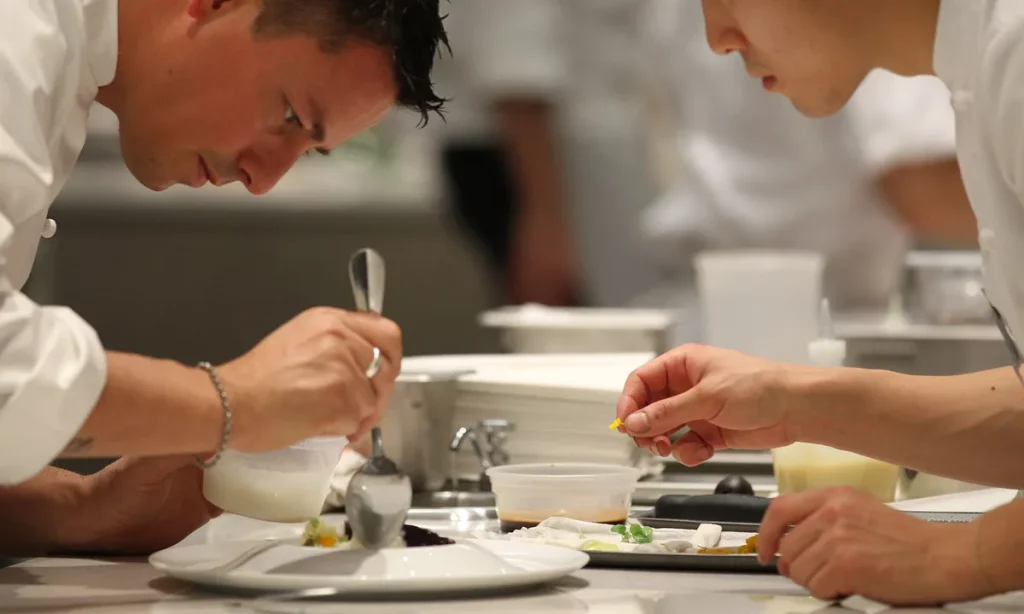
- Courses integrate ingredient sourcing, knife skills, cooking techniques, and plating.
- Interactive elements, such as quizzes, discussion forums, and peer feedback, reinforce learning and engagement.
3.2 Chef-Led Instruction
- Professional chefs provide expert guidance, nuanced techniques, and personal insights.
- Learners benefit from industry-standard practices that would otherwise require in-person apprenticeships.
- Courses often combine classic recipes with modern adaptations, balancing tradition and innovation.
3.3 Accessibility and Flexibility
- Online platforms overcome geographical, financial, and time constraints, democratizing culinary education.
- Learners from diverse backgrounds can access global recipes, ingredients, and culinary philosophies.
- Mobile-friendly content enables on-the-go learning, aligning with contemporary lifestyles.
4. Classic Dishes in a Digital Era
4.1 Defining Classic Dishes
- Classic dishes are often rooted in history, culture, and regional identity.
- They represent time-tested techniques, authentic flavors, and cultural narratives.
- Examples include French coq au vin, Italian risotto, Japanese ramen, and Indian biryani.
4.2 Digitally Reviving and Sharing Classics
- Documentaries highlight preparation methods, ingredient authenticity, and chef interpretations.
- Online courses teach hands-on skills to recreate classic dishes at home.
- Audiences develop appreciation for historical context, flavor development, and cultural relevance.
4.3 Global Adaptation
- Digital exposure encourages fusion and adaptation while preserving core elements.
- Home cooks experiment with substitutions, plating styles, and flavor adjustments.
- Professional chefs incorporate global techniques into menu design, enhancing creativity and innovation.
5. Technological Integration and Learning Tools
5.1 Video Production and Cinematography
- High-quality production emphasizes visual storytelling, camera angles, and sensory engagement.
- Slow-motion, macro shots, and step-by-step breakdowns enhance technical comprehension and visual appeal.
- Cinematic approaches create immersive experiences, encouraging viewers to replicate techniques.
5.2 Interactive Platforms
- Platforms provide comment sections, peer communities, and real-time feedback.
- Gamification elements, such as achievement badges and course completion certificates, motivate continued learning.
- Integration with ingredient delivery services facilitates hands-on practice.
5.3 Virtual and Augmented Reality
- Emerging technologies allow learners to interact with 3D kitchens and virtual ingredients.
- VR simulations recreate restaurant environments, market visits, and chef demonstrations, enhancing realism.
- AR overlays provide step-by-step guidance, ensuring accuracy in real-world cooking.
6. Impact on Culinary Culture
6.1 Democratization of Culinary Knowledge
- Audiences worldwide access recipes, techniques, and ingredient knowledge previously restricted to professional circles.
- Home cooks experiment with new cuisines and advanced techniques, broadening culinary literacy.
6.2 Preservation and Innovation
- Documentaries and courses preserve traditional methods while inspiring modern reinterpretations.
- Chefs reinterpret classics for contemporary palates, merging heritage with innovation.
6.3 Culinary Tourism and Global Awareness
- Digital exposure drives food-focused travel, encouraging exploration of authentic regional cuisines.
- Audiences gain appreciation for ingredient sourcing, seasonal cooking, and cultural context.
7. Market Trends and Consumer Behavior
7.1 Growth of Culinary Media
- Streaming services report high engagement with food documentaries and cooking shows.
- Online courses experience increasing enrollment due to convenience, professional guidance, and skill development.
7.2 Cross-Platform Influence
- Social media amplifies reach through clips, recipes, and live cooking sessions.
- Platforms create communities of enthusiasts, fostering shared learning and discovery.
7.3 Premiumization and Professionalization
- High-quality production and chef-led content elevate the perceived value of culinary media.
- Audiences view courses and documentaries as tools for both personal enrichment and professional development.
8. Challenges and Considerations
8.1 Authenticity vs. Entertainment
- Balancing visual appeal and educational depth is essential.
- Overemphasis on dramatization may compromise instructional clarity or cultural authenticity.
8.2 Accessibility and Inclusivity
- Ingredient availability and cultural differences may limit practical adoption.
- Multi-language subtitles, ingredient alternatives, and inclusive content expand accessibility.
8.3 Intellectual Property and Credit
- Proper acknowledgment of chefs, home cooks, and traditional communities ensures ethical content sharing.
- Protecting traditional knowledge while democratizing access requires careful curation.
9. Case Studies
9.1 Netflix’s “Chef’s Table”
- Explores the personal narratives of chefs and their culinary philosophy.
- Highlights techniques, signature dishes, and ingredient sourcing, offering both education and entertainment.
9.2 MasterClass Culinary Programs
- Offers structured online courses by renowned chefs.
- Provides in-depth instruction on classic techniques, plating, and flavor development.
- Includes resources for home practice and culinary experimentation.
9.3 YouTube Culinary Channels
- Accessible platforms like YouTube offer tutorials, recipe breakdowns, and live sessions.
- Communities engage through comments, collaborations, and shared experiences.
10. Future Perspectives
10.1 Immersive Learning Experiences
- VR and AR will allow hands-on training in virtual kitchens.
- Gamified experiences may enhance skill acquisition and retention.
10.2 Global Culinary Exchange
- Digital platforms will continue to bridge geographic and cultural gaps, exposing audiences to rare or regional dishes.
- Collaborative international projects may preserve endangered recipes and culinary heritage.
10.3 Professional Development
- Online culinary education provides pathways for aspiring chefs, integrating theory, practice, and digital credentials.
- Culinary media enhances career opportunities, cross-cultural collaboration, and innovation.
10.4 Sustainability and Ethical Awareness
- Documentaries and courses promote awareness of ethical sourcing, sustainable agriculture, and local food systems.
- Consumers gain knowledge of seasonal ingredients, food waste reduction, and eco-friendly practices.
11. Conclusion
Culinary documentaries and online courses have revolutionized the way classic dishes are taught, preserved, and experienced. They provide a bridge between tradition and modernity, enabling global audiences to access, replicate, and innovate upon time-honored recipes. By combining visual storytelling, interactive education, and technological innovation, these platforms democratize culinary knowledge, foster cultural appreciation, and inspire the next generation of cooks and chefs.
As the demand for authentic, educational, and immersive food experiences grows, culinary media will continue to play a pivotal role in preserving heritage, enhancing gastronomy, and expanding the global palate, ensuring that classic dishes remain both relevant and accessible in an increasingly digital world.