








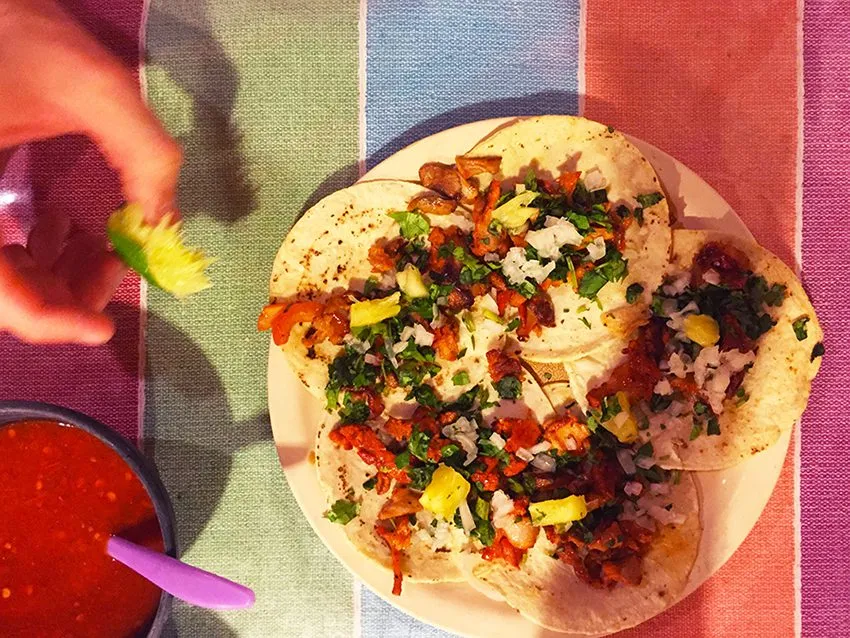

Street food in Latin America is more than just a way to satisfy hunger; it is a cultural phenomenon, a reflection of history, local flavors, and social interaction. From bustling city corners to open-air markets, Latin American street food offers a rich tapestry of flavors, cooking techniques, and regional diversity. For travelers, food enthusiasts, and cultural scholars, these street foods provide insight into the culinary identity, economic practices, and cultural traditions of the continent.
This article delves into the evolution of Latin American street food, the diversity of dishes across countries, the social and economic dimensions of street food culture, and its contemporary role in tourism and global gastronomy.
Historical Roots of Latin American Street Food
The origins of Latin American street food are deeply intertwined with colonial history, indigenous practices, and global trade. Key historical influences include:
- Indigenous Food Traditions: Corn, beans, chili peppers, and root vegetables such as yucca were staples long before European colonization. Early markets and community gatherings often featured prepared foods for easy consumption.
- Colonial Influence: Spanish, Portuguese, and African influences introduced new ingredients such as pork, rice, and various spices, resulting in hybrid dishes.
- Immigration Waves: Italian, Lebanese, Japanese, and Chinese immigrants brought techniques like pasta, kibbeh, and dumplings, enriching street food diversity.
Over time, these influences merged into vibrant, portable, and flavorful foods suited to the urban environment, festivals, and daily consumption.
Regional Diversity and Signature Dishes
Latin America is a vast region, and street food reflects this geographical and cultural diversity. Each country and region offers distinct flavors, ingredients, and culinary practices.
Mexico
- Signature Dishes: Tacos al pastor, elote (grilled corn), tamales, quesadillas.
- Culinary Features: Bold use of chili, cilantro, lime, and corn-based preparations.
- Cultural Context: Street vendors are integral to urban life, providing affordable and authentic meals.
Brazil
- Signature Dishes: Pastel (fried pastry), acarajé (deep-fried black-eyed pea balls), coxinha (chicken croquettes).
- Culinary Features: African influence is prominent, especially in Bahian cuisine with coconut milk and palm oil.
- Cultural Context: Street food is often paired with beverages such as fresh coconut water or guaraná soda, reflecting local social habits.
Peru
- Signature Dishes: Anticuchos (grilled meat skewers), empanadas, chicharrón sandwiches.
- Culinary Features: Indigenous ingredients like potatoes, corn, and aji peppers combine with Spanish and Asian influences.
- Cultural Context: Street food is closely linked to traditional festivals, markets, and neighborhood gatherings.
Argentina and Chile
- Signature Dishes: Choripán (chorizo sandwich), empanadas, sopaipillas (fried dough).
- Culinary Features: Focus on grilled meats, pastries, and savory snacks.
- Cultural Context: Often consumed at sports events, markets, and street fairs, reflecting a communal dining culture.
Central America
- Signature Dishes: Pupusas (El Salvador), tamales, baleadas (Honduras), and fried plantains.
- Culinary Features: Simple, hearty, and portable dishes using corn, beans, cheese, and local vegetables.
- Cultural Context: Street foods are integral to local daily life, providing affordable nutrition and social cohesion.
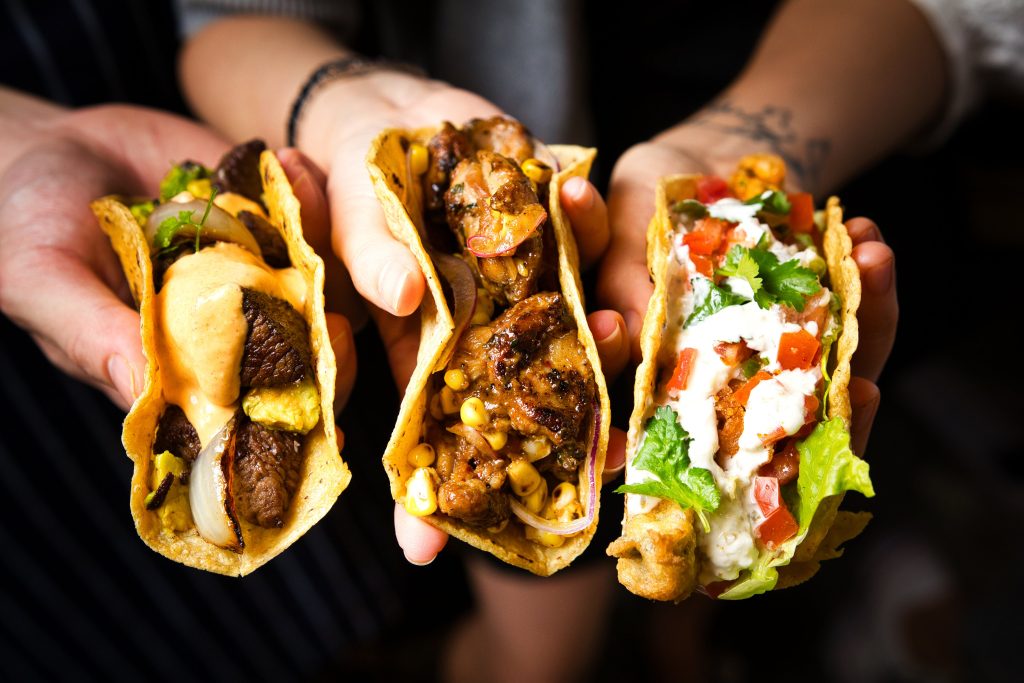
Cooking Techniques and Flavor Profiles
Latin American street foods employ a variety of cooking techniques, often shaped by portability, urban space, and flavor optimization:
- Grilling and Barbecue (Asado): Popular in Argentina, Brazil, and Mexico, enhancing smoky flavors and tender textures.
- Frying: Deep-frying is common for pastries, dough, and proteins, offering crisp textures and satisfying comfort food qualities.
- Steaming and Boiling: Techniques used for tamales, empanadas, and certain dumplings, preserving moisture and nutrients.
- Marination and Spice Blends: Chili, cumin, paprika, coriander, citrus, and local herbs create distinct regional flavor signatures.
The interplay of cooking methods and regional ingredients produces vibrant flavors, balancing heat, acidity, sweetness, and umami.
Social and Economic Dimensions
Street food is not merely about taste—it plays a significant role in local economies and social interaction:
- Economic Opportunities: Vendors often operate small-scale businesses with low overhead, supporting families and local communities.
- Accessibility and Affordability: Street food provides nutritious, low-cost meals for urban populations, including workers, students, and tourists.
- Cultural Exchange: Markets and streets become spaces of interaction, where culinary traditions are shared and innovated.
Street food fosters a sense of community, making it both a culinary and social institution.
Festivals and Cultural Significance
Many Latin American festivals revolve around street food, showcasing seasonal ingredients and traditional techniques:
- Dia de los Muertos in Mexico: Pan de muerto (sweet bread) and tamales play central roles in rituals and celebrations.
- Carnival in Brazil: Street food complements parades, with snacks and drinks fueling festivities.
- Inti Raymi in Peru: Traditional snacks and skewers are integral to the celebration of the sun festival.
Through these events, street food maintains cultural memory and identity, linking generations to culinary heritage.
Street Food and Tourism
Street food has become a key driver of culinary tourism, attracting travelers seeking authentic local experiences:
- Culinary Tours: Guided walks through markets, food stalls, and neighborhoods highlight traditional recipes and preparation methods.
- Hands-On Experiences: Cooking classes and street food workshops allow tourists to engage directly with ingredients and techniques.
- Sustainability Awareness: Many tours emphasize locally sourced ingredients, zero-waste practices, and community support, connecting tourism to ecological and social responsibility.
For tourists, tasting street food is a multisensory cultural immersion, offering insights into history, community, and everyday life.
Health, Safety, and Modern Challenges
While street food is celebrated for its flavors and accessibility, challenges exist:
- Hygiene and Safety: Ensuring food safety requires vendor training, regulation, and monitoring to prevent contamination.
- Nutrition Concerns: Fried or heavily processed snacks can be high in fat, sodium, or sugar, necessitating balanced consumption.
- Urbanization and Regulation: Expanding cities sometimes restrict traditional markets, affecting small vendors and cultural preservation.
Efforts to modernize street food systems—through regulation, training, and infrastructure improvement—can ensure safety while preserving authenticity.
Innovation and Fusion in Street Food
Contemporary Latin American street food blends tradition with innovation:
- Fusion Cuisine: Chefs experiment with Asian, Mediterranean, and global flavors, creating hybrid dishes.
- Health-Conscious Options: Fresh fruit cups, grilled proteins, and plant-based dishes respond to rising nutritional awareness.
- Sustainable Practices: Eco-friendly packaging, reduced food waste, and sourcing from local farms align street food with modern environmental values.
Innovation allows street food to remain dynamic, relevant, and globally appealing, without losing its cultural essence.
Case Studies: Iconic Street Food Cities
Mexico City, Mexico
- Over 15,000 street vendors serve tacos, tamales, and churros, blending indigenous recipes with modern innovations.
- Night markets and food festivals highlight seasonal ingredients and culinary storytelling.
São Paulo, Brazil
- Street food culture reflects a mix of Brazilian, African, and immigrant influences, from pastel to coxinha.
- Vibrant food trucks and markets demonstrate urban entrepreneurship and culinary creativity.
Lima, Peru
- Markets like Mercado de Surquillo showcase traditional Andean ingredients and coastal seafood.
- Anticuchos and empanadas remain staples, connecting tourists and locals to culinary heritage.
These cities exemplify how street food functions as a cultural, economic, and culinary ecosystem.
Conclusion
Latin American street food is a multifaceted cultural phenomenon, blending history, regional ingredients, social interaction, and culinary innovation. From tacos in Mexico to empanadas in Argentina and anticuchos in Peru, each dish tells a story of migration, colonization, indigenous traditions, and modern adaptation.
Street food not only satisfies hunger but also fosters community, supports local economies, preserves cultural identity, and drives tourism. Its flavors, preparation techniques, and social significance illustrate the resilience and creativity of Latin American culinary traditions.
In a globalized world, Latin American street food serves as a vibrant reminder that food is more than sustenance—it is culture, identity, and shared experience.