








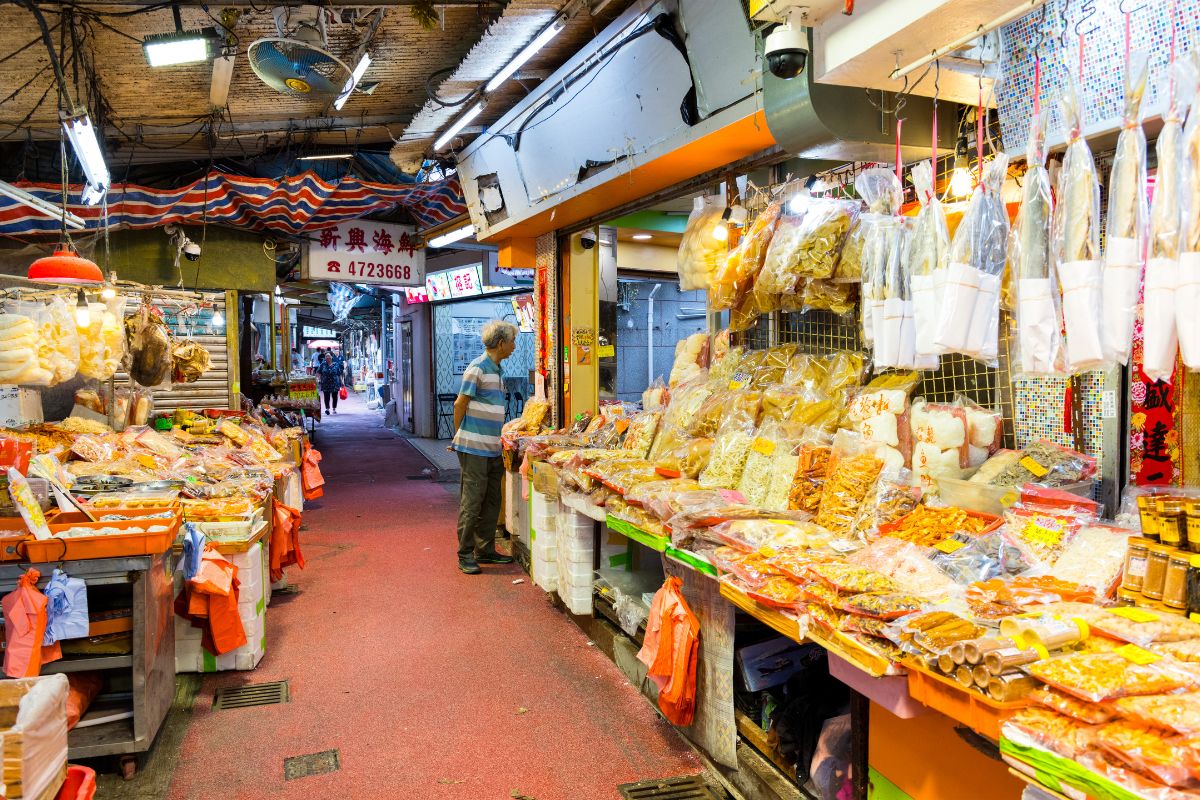

Traditional markets in Asia have long been the backbone of local commerce, culture, and social interaction. Unlike modern supermarkets and shopping malls, these markets offer more than just goods—they provide a window into the daily lives, culinary traditions, and entrepreneurial spirit of the communities they serve. From the bustling night markets of Taiwan and Thailand to the centuries-old bazaars of India and Indonesia, Asian traditional markets are vibrant ecosystems that balance economic activity with cultural heritage. This article explores the historical development, economic importance, social roles, challenges, and modern innovations related to traditional Asian markets.
1. Historical Evolution of Asian Traditional Markets
The origins of traditional markets in Asia date back hundreds, even thousands, of years. These markets developed as centralized locations where farmers, artisans, and traders could exchange goods, share information, and form social networks. Key historical factors shaping these markets include:
- Agricultural Societies: In early agrarian civilizations, markets acted as focal points for trading surplus crops, livestock, and handicrafts.
- Trade Routes: The Silk Road, maritime trade routes, and regional trading networks helped shape the diversity of goods available in Asian markets. Exotic spices, textiles, and ceramics traveled along these routes, enriching local market offerings.
- Cultural Traditions: Markets were often tied to religious festivals, lunar cycles, and local rituals. For example, certain Asian markets operated only on specific days of the week, coinciding with traditional observances or cultural celebrations.
The historical evolution of these markets highlights their dual function: as centers of commerce and as spaces that preserve and transmit cultural identity.
2. Structure and Layout
Traditional Asian markets typically feature a distinctive layout, designed to maximize accessibility, product visibility, and social interaction. Common characteristics include:
- Zoning by Product Type: Fresh produce, meats, seafood, spices, textiles, and household goods are often organized in clusters or sections to facilitate shopping.
- Open-Air Stalls: Many markets utilize temporary or semi-permanent stalls, allowing flexibility in vendor placement and accommodating seasonal fluctuations in supply.
- Central Walkways: Main pathways connect various market sections, often bustling with foot traffic, food vendors, and street performers.
- Local Architecture: Market design reflects regional building styles, incorporating wooden frames, bamboo canopies, and tiled roofs in ways that harmonize with the local environment.
This thoughtful design fosters efficiency, community engagement, and a sense of place.
3. Economic Importance
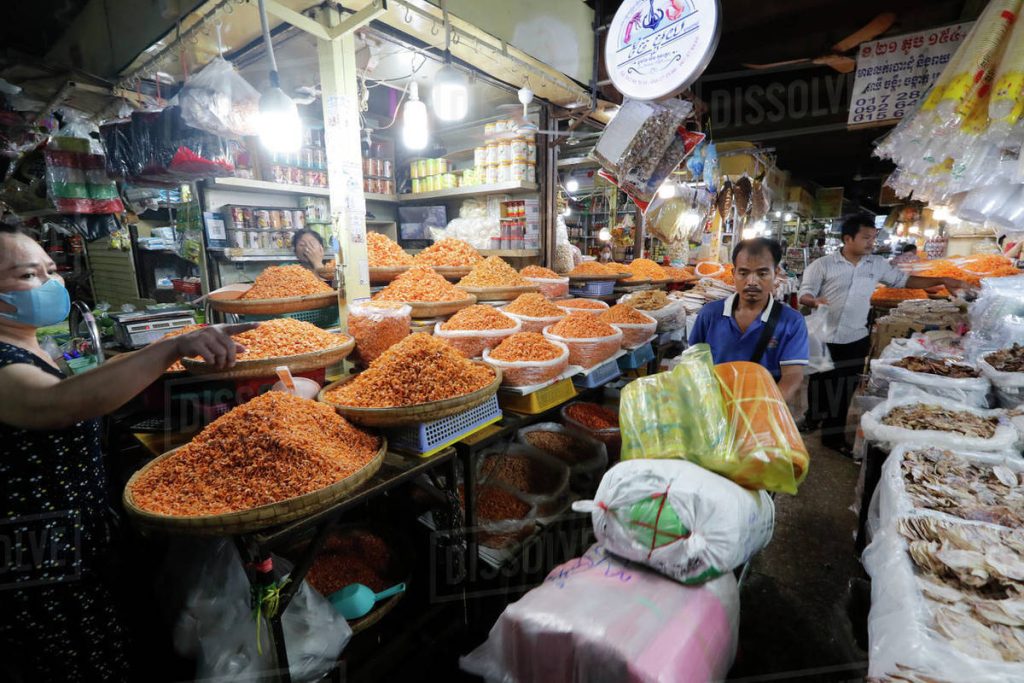
Asian traditional markets are more than cultural landmarks—they are vital economic engines. Their contributions include:
- Employment Generation: Millions of small-scale vendors, laborers, and service providers rely on markets for livelihoods. In many regions, markets are primary sources of income for women and marginalized groups.
- Support for Local Agriculture: Farmers often sell directly to consumers through traditional markets, reducing dependency on intermediaries and stabilizing local economies.
- Price Accessibility: Markets offer competitive pricing for fresh and essential goods, making them crucial for urban populations with limited budgets.
- Entrepreneurship and Innovation: Markets act as incubators for small businesses, enabling vendors to test products, learn customer preferences, and develop unique offerings.
Economically, traditional markets form an integral part of both micro and macroeconomic systems, fostering resilience and adaptability.
4. Social and Cultural Roles
Beyond commerce, Asian traditional markets are central to community life and cultural expression. Their roles include:
- Social Interaction: Markets serve as meeting points where neighbors, friends, and families gather, exchange news, and maintain social bonds.
- Culinary Heritage: Street food vendors and traditional food stalls preserve regional recipes and culinary techniques. For example, Malaysian night markets offer an array of dishes reflecting Malay, Chinese, and Indian influences.
- Cultural Festivals: Markets often host seasonal festivals, performances, and craft exhibitions, linking commerce with cultural celebration.
- Tourist Attraction: Traditional markets attract travelers seeking authentic cultural experiences, thus contributing to the tourism economy.
These social functions underline the markets’ significance as living cultural spaces, not merely commercial zones.
5. Unique Features of Regional Markets
5.1 Southeast Asia
Southeast Asian markets, including those in Thailand, Vietnam, and Indonesia, are famous for:
- Night Markets: Vibrant evening markets offering street food, clothing, souvenirs, and entertainment.
- Floating Markets: In Thailand and Vietnam, canals serve as marketplaces where boats act as mobile stalls.
- Spice and Herbal Sections: Extensive use of herbs and spices in both culinary and medicinal contexts.
5.2 East Asia
Markets in China, Japan, and Korea emphasize:
- Fresh Seafood: Coastal regions showcase live fish, shellfish, and other aquatic products.
- Specialty Products: Markets often include sections dedicated to tea, dried goods, and artisanal crafts.
- Cleanliness and Order: Even bustling markets maintain a structured layout with emphasis on hygiene and efficiency.
5.3 South Asia
Markets in India, Pakistan, and Sri Lanka highlight:
- Textiles and Handicrafts: Vibrant fabrics, embroidery, and jewelry are central to market identity.
- Street Food Diversity: Each region offers unique snack varieties, from chaat to dosa.
- Festival-Driven Commerce: Markets expand significantly during religious and seasonal festivals.
5.4 Central and Western Asia
Markets in countries like Iran, Turkey, and Uzbekistan include:
- Historic Bazaars: Covered bazaars with centuries-old architecture, serving as both trade hubs and tourist attractions.
- Spice, Carpet, and Ceramics Sections: Traditional goods dominate, reflecting regional crafts and commerce.
- Cultural Hubs: Bazaars function as cultural meeting points, preserving artisanal knowledge.
6. Challenges Facing Traditional Markets
Despite their importance, traditional Asian markets face numerous challenges:
- Competition from Modern Retail: Supermarkets, malls, and online shopping platforms often offer convenience, fixed pricing, and modern facilities that attract urban consumers.
- Urbanization Pressures: Expanding cities threaten market spaces, sometimes forcing relocation or closure.
- Hygiene and Safety Concerns: Inadequate sanitation, waste disposal, and food safety measures can affect public health.
- Economic Vulnerability: Small vendors face financial insecurity due to seasonal fluctuations, market regulation, and lack of access to credit.
- Pandemic Impact: COVID-19 disrupted foot traffic and supply chains, highlighting the fragility of informal market systems.
Addressing these challenges requires a combination of policy, innovation, and community engagement.
7. Modern Innovations and Adaptations
Traditional markets are not static; they adapt to contemporary needs while preserving heritage. Key innovations include:
- Digital Integration: Vendors use social media, e-commerce platforms, and mobile payment systems to reach broader audiences.
- Tourism-Oriented Services: Guided market tours, food tasting events, and cultural workshops attract international visitors.
- Hygiene Improvements: Modern waste management, refrigeration, and sanitation infrastructure ensure food safety.
- Sustainable Practices: Initiatives such as zero-waste packaging, local sourcing, and organic produce sections promote environmentally friendly markets.
These adaptations help markets remain competitive while retaining their unique cultural essence.
8. Case Studies
8.1 Chatuchak Market, Thailand
One of the largest weekend markets in the world, Chatuchak Market in Bangkok spans over 35 acres and hosts more than 15,000 stalls. It offers a mix of clothing, handicrafts, food, and antiques, reflecting Thailand’s rich cultural diversity. The market also attracts tourists, generating significant economic impact while preserving traditional commerce practices.
8.2 Nishiki Market, Japan
Known as “Kyoto’s Kitchen,” Nishiki Market has operated for over four centuries. It emphasizes high-quality seafood, pickled vegetables, and specialty Japanese foods. Its careful organization, cleanliness, and respect for tradition exemplify how markets can balance heritage with modern standards.
8.3 Laad Bazaar, India
Located in Hyderabad, Laad Bazaar specializes in jewelry, textiles, and bangles. This historic market demonstrates how traditional markets can maintain artisanal trades while supporting local economies. It also plays a cultural role during festivals like Diwali and weddings.
8.4 Grand Bazaar, Turkey
With thousands of shops in a labyrinthine layout, Istanbul’s Grand Bazaar is one of the world’s oldest covered markets. Its historical architecture, rich variety of goods, and social significance make it a model for combining commerce, culture, and tourism.
9. Policy and Community Initiatives
Governments and communities are increasingly recognizing the value of preserving traditional markets:
- Urban Planning Support: Allocating space for markets within city development plans to ensure accessibility.
- Vendor Training Programs: Offering workshops on financial management, marketing, and hygiene practices.
- Cultural Preservation Efforts: Designating historic markets as protected sites, funding restoration, and promoting heritage tourism.
- Community Engagement: Local residents participate in market management committees to maintain the balance between tradition and modernization.
These strategies enhance market sustainability, economic resilience, and cultural significance.
10. Conclusion
Asian traditional markets are far more than commercial hubs—they are living cultural institutions that connect people, preserve culinary and artisanal traditions, and support local economies. While they face challenges from urbanization, modern retail, and global crises, innovative adaptations and policy support are enabling these markets to thrive. Their vibrant colors, diverse aromas, and bustling energy offer not only material goods but also intangible cultural value. By protecting and promoting traditional markets, Asia preserves its heritage while embracing sustainable economic development, ensuring that these markets continue to enrich lives for generations to come.