








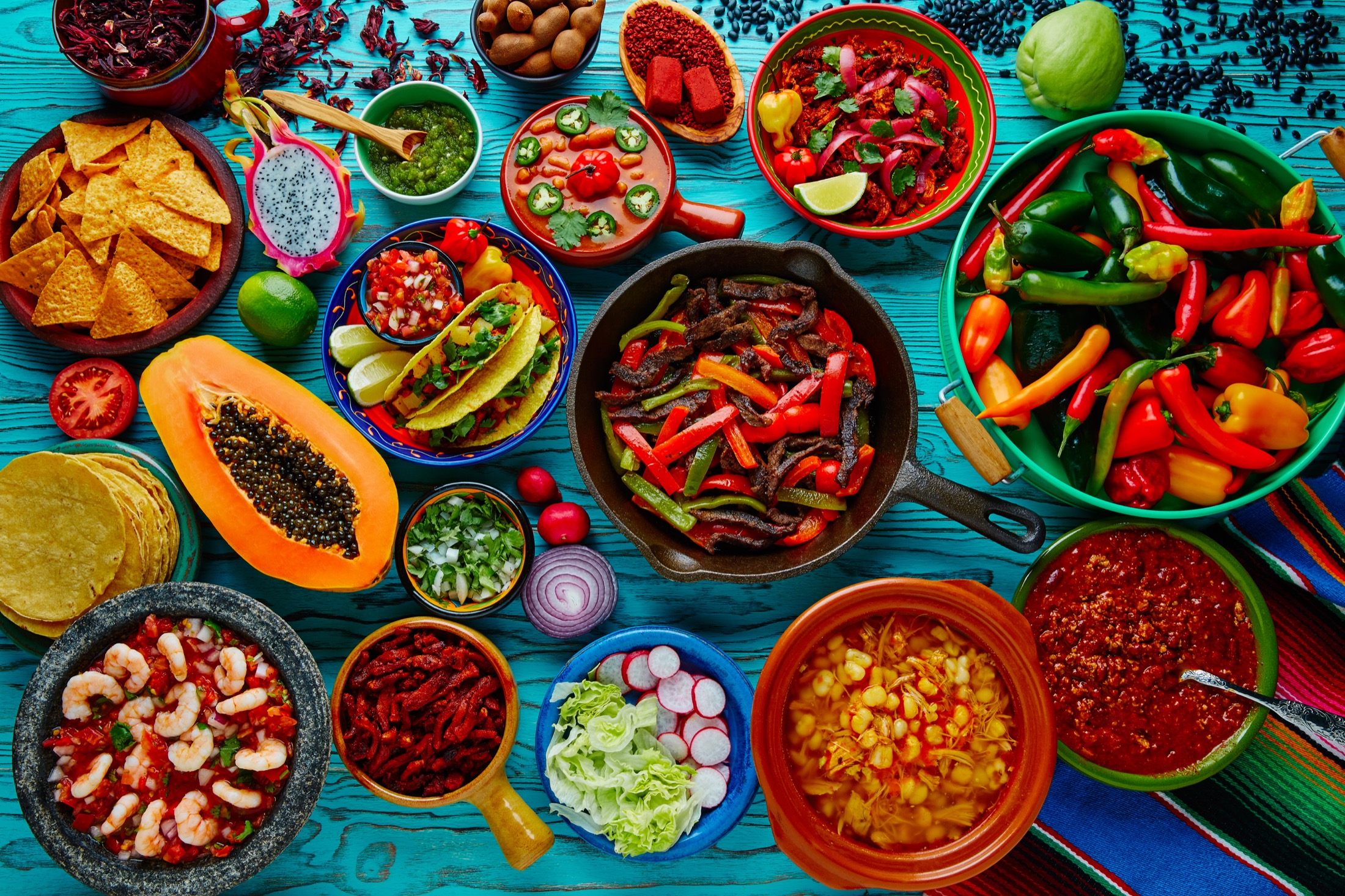

Street food is much more than just quick, tasty snacks—it’s a cultural phenomenon that carries with it rich histories, social significance, and a deep connection to the places where it is served. Across the world, street food represents a vital aspect of urban life and has been an integral part of local traditions for centuries. Whether it’s a taco in Mexico City, a falafel in Cairo, or a baozi in Beijing, street food is deeply tied to the social, economic, and cultural fabric of communities. This article explores the rich historical and cultural background of street food, its global significance, and its role in the ongoing evolution of food culture.
1. The Evolution of Street Food: A Historical Perspective
Street food has existed in various forms for thousands of years, adapting to local cultures, economic changes, and evolving culinary traditions. Understanding its historical significance requires a look at how it emerged and evolved in different parts of the world.
1.1 Ancient Beginnings: Food for the People
Street food, in its earliest form, began as a solution to the daily needs of people in urban environments. In ancient civilizations, markets and public spaces were vital centers for trade, and food vendors played a crucial role in feeding the masses.
- Ancient Rome and Greece: The origins of street food can be traced back to ancient Rome and Greece, where vendors sold bread, pastries, and simple stews to the working class. In ancient Rome, thermopolia (small street-side shops) sold hot food and drinks to those who could not afford to cook at home.
- China: In ancient China, food stalls began to emerge in busy market areas during the Tang Dynasty (618–907 AD). Vendors sold dumplings, noodles, and other cheap yet filling food to busy workers, merchants, and travelers.
- Middle East and North Africa: In the Middle East, street food culture dates back to the rise of Islamic empires, where vendors sold shawarma, falafel, and various other dishes from carts and stalls, which became integral to the bustling city life.
The concept of food prepared and sold on the streets, often by informal vendors, allowed people to access affordable meals quickly, fostering both economic and social exchange.
1.2 Industrialization and Urbanization: The Rise of Modern Street Food
As cities around the world industrialized in the 19th and 20th centuries, the nature of street food transformed. The rapid growth of urban populations and the rise of working-class communities created a demand for affordable, convenient, and fast meals. Street food became increasingly popular in cities where busy workers needed sustenance during their long hours.
- Europe and America: In the 19th century, vendors in European cities began selling snacks like hot dogs, pretzels, and roasted chestnuts, catering to the growing urban population. The food cart became a symbol of the working-class culture, offering affordable meals for the industrial workers.
- Asia and Latin America: In Asia, food vendors sold skewers, dumplings, and rice-based dishes, while in Latin America, tamales, tacos, and empanadas became staples of street food culture. The development of these regional foods provided affordable meals for the masses while maintaining cultural traditions.
This period marked the emergence of street food as an integral part of both urban culture and the global food scene.
2. Street Food as a Cultural Identity
Street food serves as a window into the culture, identity, and history of a region. Beyond its role as an affordable and convenient source of nutrition, it tells stories of migration, colonial history, and culinary innovation.
2.1 Street Food and Cultural Identity
Street food is inherently tied to local identity, often reflecting the unique flavors, ingredients, and cooking techniques of a particular culture. Each region’s street food culture is deeply influenced by its geography, history, and available resources.
- Mexico: Tacos, tamales, and elote are just a few examples of Mexican street food staples. These dishes reflect the country’s agricultural history and indigenous food traditions, with corn being a primary ingredient. Tacos, in particular, are a symbol of Mexican culinary culture, offering endless variations from region to region.
- India: Street food in India is diverse and varies widely from state to state, with chaats (savory snacks) like bhel puri and pani puri representing the bustling street culture of cities like Mumbai and Delhi. These dishes incorporate regional spices, chutneys, and other local ingredients, making street food an important cultural experience.
- Thailand: Thai street food, from Pad Thai to Som Tum (papaya salad), is a reflection of the country’s balance of flavors—salty, sour, spicy, and sweet—integrating local ingredients like lemongrass, fish sauce, and chili.
Street food is not only a reflection of culinary heritage but also a form of local pride. In many countries, street vendors are seen as keepers of culinary tradition, passing down recipes and techniques through generations.
2.2 The Role of Street Food in Migration and Globalization
Street food has always been a way for immigrants to maintain a connection to their cultural roots. As migration increased over the centuries, immigrants brought their culinary traditions with them, often adapting them to the new environments they found themselves in.
- Chinese Immigrants in Southeast Asia: Chinese migration to Southeast Asia brought with it a wealth of culinary traditions. Dishes such as dim sum, baozi, and noodles evolved in response to local tastes, creating a hybridization of Chinese and Southeast Asian food that continues to shape the region’s street food culture.
- Indian Diaspora: Indian immigrants brought their love for street food—such as chaat, samosas, and kebabs—to countries across the globe. In cities like London, New York, and Toronto, Indian street food has become a vibrant part of the urban culinary landscape, influencing local food culture.
- Globalization: The rise of food trucks and street vendors in cities like New York, Los Angeles, and London has introduced international street food to a global audience. The fusion of different cuisines—such as Korean tacos or sushi burritos—shows the ongoing cultural exchange and adaptation in the world of street food.
Street food is a powerful symbol of globalization and migration, where new culinary forms emerge, representing the fusion of diverse traditions and cultural practices.

3. The Economic Importance of Street Food
Street food plays a significant economic role in many countries, contributing to local economies in ways that are often overlooked. The sector provides employment, supports small businesses, and stimulates tourism.
3.1 Street Food and Local Economies
In many countries, street food is an essential part of the informal economy, providing livelihood opportunities for countless vendors and workers. The barriers to entry are low, making it an attractive option for entrepreneurs who may not have the resources to open a full-fledged restaurant.
- Employment Opportunities: Street food stalls create jobs not only for vendors but also for suppliers, food producers, and workers who maintain or transport the equipment. In many developing countries, street food can provide a much-needed income source for low-income families.
- Affordable for Consumers: Street food offers an affordable alternative to dining in restaurants, making it accessible to a broader range of people. It’s also a convenient choice for busy workers and students.
- Tourism and Street Food Markets: In many cities, street food markets have become a key part of the tourism industry. Tourists flock to places like Bangkok’s Chatuchak Market, Istanbul’s street vendors, or Mexico City’s taco stands, eager to sample authentic, local dishes. This boosts the local economy by bringing in visitors who spend money not only on food but on other goods and services.
Street food is more than just a culinary tradition; it is a vital economic sector that provides a livelihood for many individuals and contributes to the vibrancy of urban life.
4. The Future of Street Food
As street food continues to evolve, its role in global culture will only expand. However, there are challenges that need to be addressed, such as the balance between tradition and modernity, food safety regulations, and the growing influence of food trends.
4.1 Street Food and Modernization
As cities modernize, street food has had to adapt to new technologies, food trends, and consumer expectations. Many street vendors are now using digital platforms to take orders and payments, allowing them to reach a wider audience. The rise of food delivery apps has also made street food more accessible to consumers who prefer to enjoy these dishes from the comfort of their homes.
- Technology and Innovation: Mobile apps and social media have helped street food vendors grow their customer base. Many food trucks and stalls now have Instagram pages where they share their culinary creations and attract customers from across the world.
- Health and Safety Concerns: With the popularity of street food comes the need for better regulation and food safety standards. While many street vendors maintain high standards of hygiene, the lack of regulation in some regions has led to health concerns. Governments are increasingly looking at ways to regulate street food while ensuring it remains affordable and accessible.
As the demand for street food grows, so does the need for innovation in preparation, delivery, and regulation.
4.2 Street Food in the Age of Sustainability
Another growing trend is the focus on sustainability within the street food industry. With increasing awareness of environmental issues, many vendors are looking for ways to reduce waste, use sustainable ingredients, and implement eco-friendly practices.
- Sustainable Ingredients: Vendors are increasingly sourcing locally grown, organic ingredients to reduce their carbon footprint and support local farmers.
- Reducing Packaging Waste: Some street food vendors are moving towards more sustainable packaging options, such as biodegradable containers or reusable utensils.
- Community Focus: Street food is often locally sourced, and many vendors build relationships with their communities. By supporting small-scale agriculture and local suppliers, street food vendors can contribute to the economic and environmental health of their regions.
Sustainability is set to become a key pillar of the street food movement as both vendors and consumers become more conscious of their environmental impact.
5. Conclusion
Street food is more than just a meal; it’s a representation of culture, history, and identity. From its origins as a convenient and affordable source of nourishment to its role in global culinary exchanges, street food continues to play a significant role in shaping food culture worldwide. As cities grow, street food evolves, embracing new technologies, sustainability practices, and global influences. However, it remains rooted in tradition, reflecting the stories and identities of the communities it serves. The future of street food is bright, and its cultural significance will continue to grow, offering a flavorful glimpse into the heart of diverse global communities.