








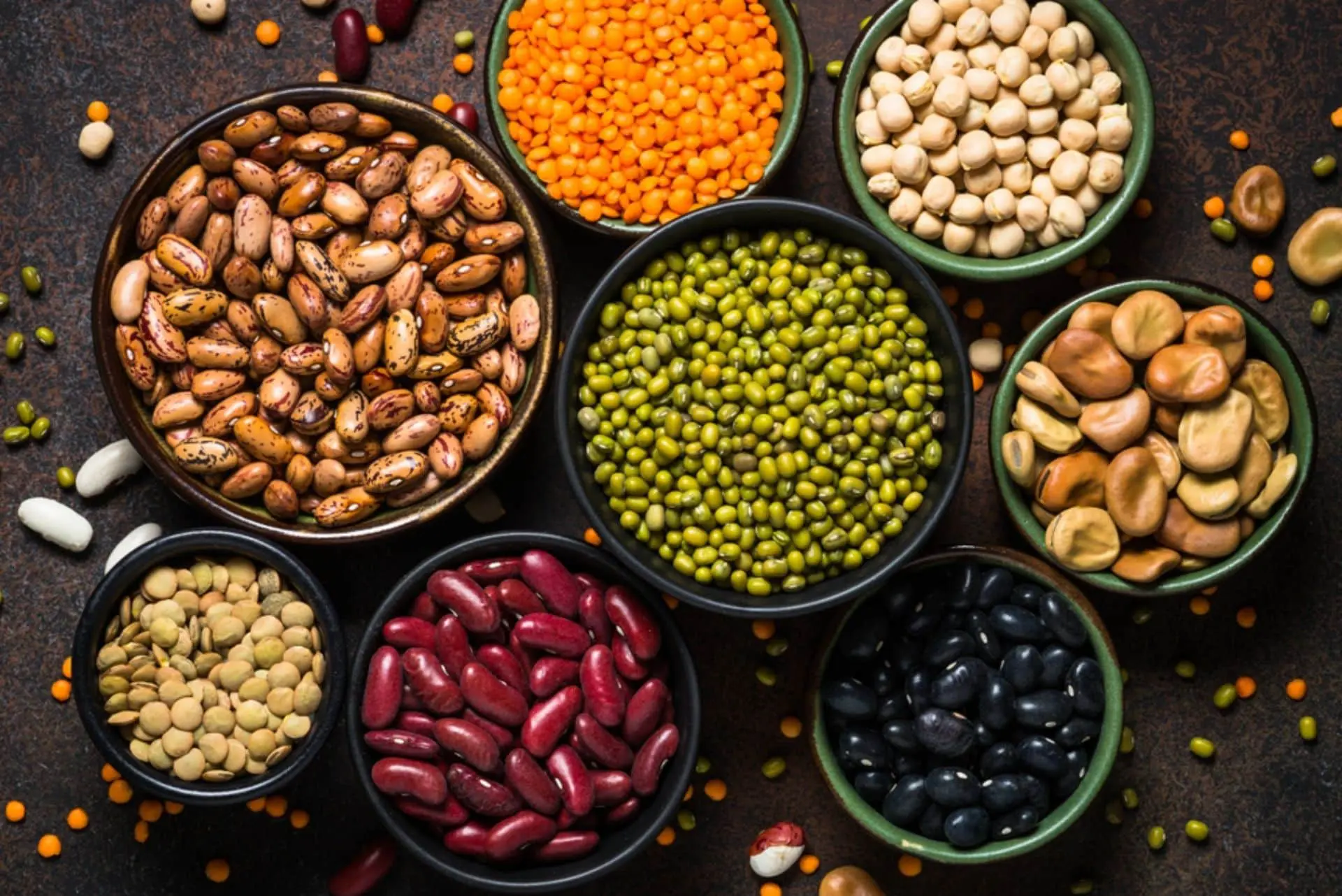

In recent years, the shift towards plant-based diets has gained significant momentum. With increasing awareness of the environmental impact of animal agriculture, growing concerns about health issues related to animal products, and the rise of vegan and vegetarian lifestyles, plant-based proteins have become a key focus in the modern diet. Among the many plant-based protein sources, legumes such as beans, lentils, peas, and chickpeas stand out as not only nutritious and versatile but also sustainable and environmentally friendly.
This article explores the benefits of legumes as a source of plant-based protein, their nutritional composition, their role in human health, and the reasons why they are becoming a cornerstone of plant-based diets across the globe. It will also address how legumes contribute to a more sustainable food system and the future of plant-based protein in addressing the world’s growing food security and health challenges.
1. Introduction: The Rise of Plant-Based Proteins
Plant-based diets, once considered niche, have now become mainstream. The rise of plant-based protein sources is part of a broader trend toward healthier, more sustainable eating. Legumes, with their rich protein content and array of health benefits, have emerged as a critical part of this movement.
1.1 Defining Plant-Based Proteins
Plant-based proteins come from foods derived from plants, as opposed to animal-based proteins, which come from meat, dairy, and eggs. Proteins are composed of amino acids, the building blocks of the human body, and while animal products are considered complete proteins (containing all nine essential amino acids), many plant proteins are often incomplete, lacking one or more of these essential amino acids.
However, combining various plant-based protein sources—such as beans with grains—can provide a complete protein profile. Legumes, in particular, are rich in protein, fiber, and micronutrients, making them an essential component of a well-rounded, plant-based diet.
2. Nutritional Profile of Legumes
Legumes are one of the most nutrient-dense plant foods available. Their nutritional profile makes them not only a high-quality source of plant-based protein but also a rich source of dietary fiber, vitamins, and minerals. Below is a breakdown of the key nutrients found in legumes and their role in promoting health:
2.1 Protein Content and Quality
Legumes are a fantastic source of plant-based protein, providing anywhere from 15 to 30 grams of protein per cooked cup. Examples of legumes with high protein content include:
- Lentils: 18 grams of protein per cup
- Chickpeas: 15 grams of protein per cup
- Black beans: 15 grams of protein per cup
- Peas: 8 grams of protein per cup
While legumes are an excellent source of protein, it’s important to note that they are generally lower in certain amino acids, such as methionine. Combining legumes with other plant foods, like grains (e.g., rice or quinoa), ensures the intake of all nine essential amino acids, creating a complete protein.
2.2 Dietary Fiber
One of the most significant benefits of legumes is their high fiber content. A typical serving of legumes provides between 7 and 15 grams of dietary fiber, depending on the type. Fiber is essential for digestive health, promoting healthy gut bacteria and preventing constipation. Fiber also plays a role in controlling blood sugar levels, reducing cholesterol, and improving heart health.
Additionally, legumes’ fiber content helps with satiety, reducing hunger and aiding in weight management. This makes them an important food for those looking to manage their weight or reduce the risk of chronic diseases.
2.3 Micronutrients: Vitamins and Minerals
Legumes are rich in essential micronutrients, making them a valuable addition to any diet:
- Iron: Legumes are an excellent plant-based source of iron, important for the formation of red blood cells and the transport of oxygen throughout the body. Although non-heme iron (the type found in plant foods) is not absorbed as efficiently as heme iron (from animal sources), combining legumes with vitamin C-rich foods, such as citrus fruits or bell peppers, can enhance iron absorption.
- Folate (Vitamin B9): Folate is essential for DNA synthesis and cell growth. Legumes, particularly lentils, are rich in folate, making them an excellent food for pregnant women or individuals looking to support cellular health.
- Magnesium: Important for bone health, muscle function, and the regulation of blood pressure, magnesium is found in good quantities in legumes like black beans and chickpeas.
- Potassium: Potassium helps to regulate blood pressure and fluid balance, with legumes like kidney beans and lentils being significant sources of this mineral.
Together, these micronutrients contribute to a variety of health benefits, from improved immune function to enhanced energy levels.
3. Health Benefits of Legumes
The health benefits of consuming legumes regularly are numerous and well-documented. Research suggests that a diet rich in legumes can help reduce the risk of several chronic diseases, improve overall health, and support longevity.
3.1 Cardiovascular Health
The fiber, protein, and micronutrients found in legumes have been shown to contribute to heart health in several ways:
- Lowering Cholesterol: The soluble fiber in legumes binds to cholesterol in the digestive tract and helps remove it from the body, thereby lowering LDL cholesterol levels, a key risk factor for heart disease.
- Reducing Blood Pressure: Legumes’ high potassium content helps maintain healthy blood pressure by counteracting the effects of sodium.
- Anti-Inflammatory Properties: Chronic inflammation is linked to many heart diseases. Legumes, especially when paired with anti-inflammatory foods like leafy greens and olive oil, can help reduce systemic inflammation.
Regular legume consumption has been linked to a 30-40% reduction in the risk of heart disease, making them an excellent food choice for cardiovascular health.

3.2 Weight Management and Satiety
Legumes are one of the most effective foods for promoting feelings of fullness and reducing overall calorie intake. Their combination of protein, fiber, and low glycemic index (GI) makes them ideal for weight management. Studies have shown that people who consume legumes as part of their daily diet tend to have lower body mass indexes (BMI) and lower rates of obesity.
Additionally, the low GI of legumes means that they provide a steady, slow-releasing energy source that helps to regulate blood sugar levels, reducing the risk of insulin resistance and type 2 diabetes. This makes legumes a smart addition to any weight loss or management strategy.
3.3 Gut Health and Digestion
The fiber in legumes supports digestive health by acting as a prebiotic, feeding beneficial gut bacteria and improving overall gut flora. This, in turn, promotes better digestion, reduces the risk of gastrointestinal diseases, and strengthens the immune system.
Some studies suggest that regular legume consumption is linked to a reduction in gut inflammation and the prevention of conditions like diverticulitis and irritable bowel syndrome. By improving gut health, legumes contribute to overall well-being.
3.4 Reducing the Risk of Chronic Diseases
Several large-scale studies have shown that diets rich in legumes can lower the risk of developing chronic diseases like:
- Type 2 diabetes: Legumes have a low glycemic index and are high in fiber, making them an excellent choice for managing blood sugar levels.
- Cancer: The high antioxidant content in legumes, particularly in beans like kidney beans and black beans, may help reduce oxidative stress and lower cancer risk.
- Obesity and Metabolic Syndrome: As discussed, legumes support healthy weight management and may help reduce the risk of metabolic syndrome, a precursor to heart disease and diabetes.
4. Environmental Sustainability: Legumes for a Sustainable Future
In addition to their health benefits, legumes are also incredibly sustainable. As the world faces increasing environmental challenges, such as climate change, deforestation, and resource depletion, plant-based proteins like legumes offer a more sustainable and environmentally friendly alternative to animal-based products.
4.1 Low Environmental Impact
Legumes have a significantly lower environmental footprint compared to animal proteins. They require far less land, water, and energy to grow, making them a much more resource-efficient food source. For example, producing one kilogram of beef can require over 15,000 liters of water, while producing one kilogram of beans or lentils requires a fraction of that amount—around 2,000 liters of water.
Additionally, legumes are capable of fixing nitrogen in the soil, reducing the need for synthetic fertilizers. This natural process of nitrogen fixation makes legumes a key crop in sustainable farming practices.
4.2 Reducing Greenhouse Gas Emissions
Animal agriculture is one of the largest contributors to greenhouse gas emissions, particularly methane, which has a far greater warming potential than carbon dioxide. Legumes, being plant-based, do not contribute to the same extent and offer a viable solution for reducing agriculture’s environmental impact. By increasing legume consumption and shifting away from animal-based proteins, we can reduce our carbon footprint and help mitigate climate change.
5. Incorporating Legumes into a Balanced Diet
Legumes are versatile and can be incorporated into almost every meal, making them an easy addition to a balanced, plant-based diet. Here are some practical tips for incorporating more legumes into your diet:
- Soups and Stews: Add beans, lentils, or chickpeas to soups and stews for a protein-rich, hearty meal.
- Salads: Toss chickpeas, kidney beans, or black beans into salads for added texture and protein.
- Curries and Stir-Fries: Incorporate lentils or mung beans into vegetable curries or stir-fries for a satisfying dish.
- Snacks: Roasted chickpeas or lentils make for an excellent crunchy snack or salad topping.
6. Conclusion
Legumes are not just a source of plant-based protein—they are a powerhouse of nutrition, health benefits, and environmental sustainability. From promoting heart health to supporting gut function, legumes provide a wide range of advantages for human well-being. Additionally, as a sustainable food source, legumes offer a solution to many of the environmental challenges posed by modern agriculture. By incorporating more legumes into our diets, we can improve our health, support sustainable food systems, and help create a more sustainable future for our planet.