









Introduction
In an age where convenience often overshadows mindfulness, the modern culinary landscape is experiencing a renaissance of experience-oriented dining. Beyond sustenance, meals are increasingly being recognized as opportunities to engage all senses, evoke emotions, and reinforce social bonds. Restaurants, cafes, and even home kitchens are embracing a holistic approach that emphasizes not just taste, but also presentation, ambiance, rituals, and emotional resonance.
This article explores the intersection of dining experience, ritualistic consumption, and the emotional value of food. Drawing on insights from gastronomy, psychology, cultural studies, and hospitality management, we provide a comprehensive guide to understanding why the way we eat—and how we frame our meals—has profound effects on satisfaction, social connection, and personal well-being.
1. The Psychology of Dining
1.1 Emotional Engagement Through Food
Food is intimately tied to memory, emotion, and identity. Neuroscientific research demonstrates that taste, smell, and visual presentation can trigger emotional responses, influence mood, and enhance the perceived value of a meal. Meals imbued with intentionality, care, or storytelling often evoke a sense of comfort, nostalgia, or joy.
1.2 Multi-Sensory Stimulation
A well-designed dining experience engages multiple senses simultaneously:
- Visual: Color, plating, and symmetry enhance perception of taste.
- Olfactory: Aroma stimulates appetite and anticipation.
- Auditory: Ambient sound, sizzling, or soft background music shapes emotional context.
- Tactile: Textures of food, cutlery, and table materials create haptic pleasure.
Multi-sensory engagement strengthens emotional memory associated with meals and fosters a more immersive dining experience.
1.3 Cognitive Biases and Perceived Value
Presentation, ritual, and ambiance can significantly alter perceived taste and quality. Studies show that identical dishes plated differently or served in aesthetically pleasing environments are rated higher in taste, satisfaction, and value.
2. Rituals in Dining
2.1 Historical and Cultural Context
Rituals surrounding meals are deeply embedded in human history. Examples include:
- Japanese Kaiseki: A structured, multi-course dining ceremony emphasizing seasonality and aesthetics.
- French Haute Cuisine: Formalized courses, elaborate presentation, and synchronized service as performance art.
- Mediterranean Communal Dining: Shared dishes and conversational pacing as social bonding rituals.
2.2 Modern Interpretations of Dining Rituals
In contemporary contexts, rituals can be adapted for both home and commercial settings:
- Setting the table with intention
- Lighting candles or using special dinnerware
- Sequencing courses with mindfulness
- Encouraging conversation and social presence
2.3 Psychological Benefits of Ritualized Eating
- Enhanced Mindfulness: Focusing on the process of eating reduces overeating and improves satisfaction.
- Emotional Regulation: Rituals provide predictability and comfort, reducing stress.
- Social Cohesion: Shared rituals reinforce relationships and collective identity.
3. Design Elements in Experience-Oriented Dining
3.1 Spatial and Ambiance Design
Restaurants and dining spaces increasingly prioritize atmosphere, integrating:
- Lighting that highlights food while creating warmth
- Acoustics that support conversation without overwhelming background noise
- Layouts that balance intimacy and social interaction
3.2 Tableware and Plating
- Material Selection: Fine porcelain, wood, or textured ceramics enhance tactile pleasure.
- Color Psychology: Plates and utensils can influence perception of freshness, sweetness, or richness.
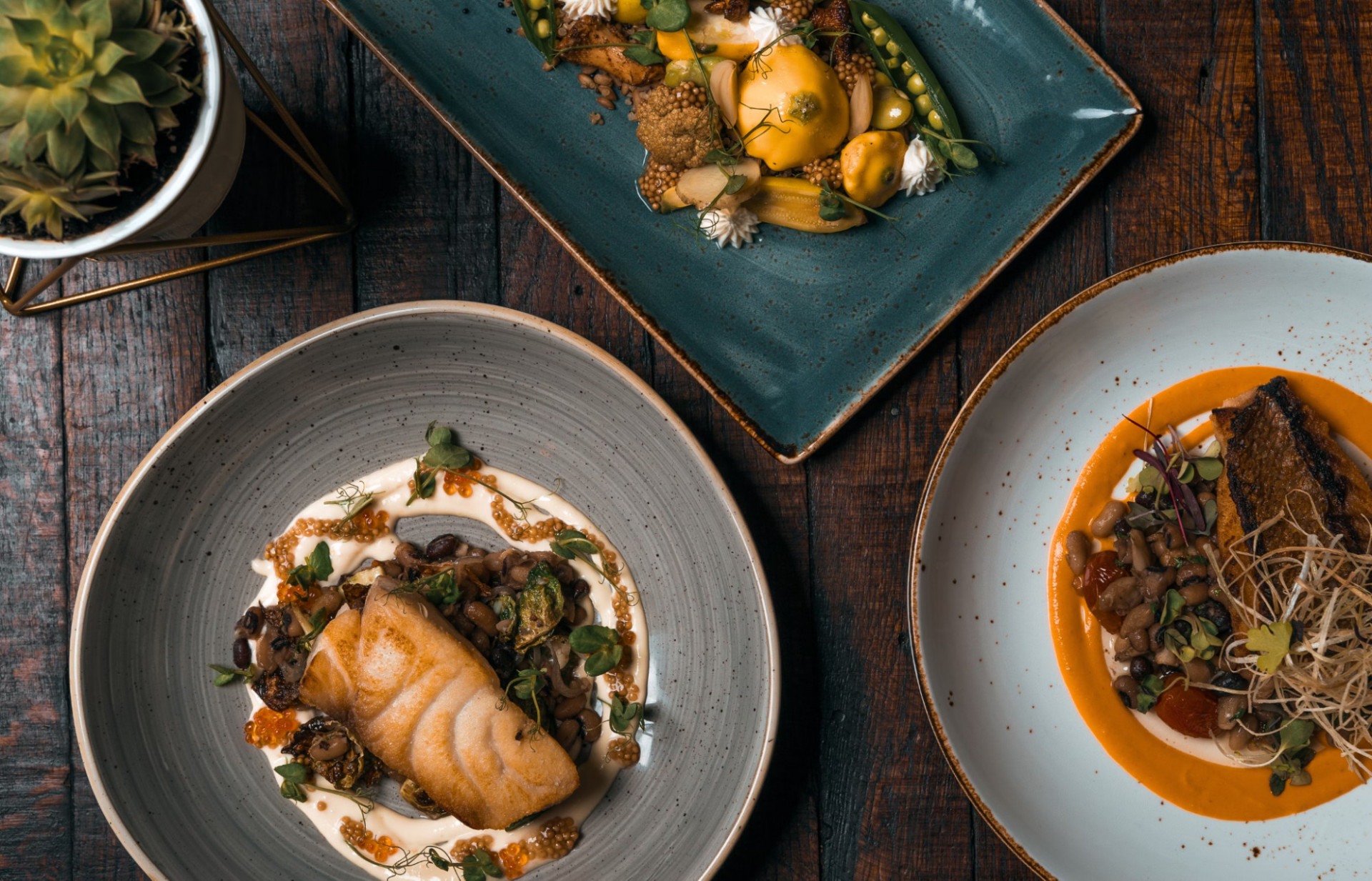
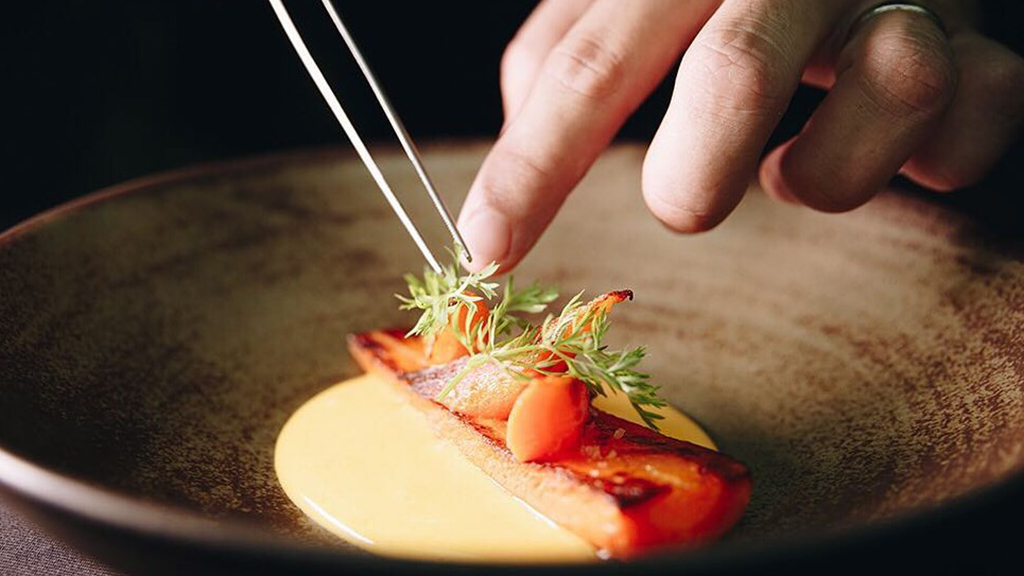
- Plating Techniques: Visual hierarchy, symmetry, and edible garnishes enhance aesthetic value.
3.3 Music and Soundscapes
- Background music can modulate appetite, pace, and emotional tone.
- Natural sounds (water, wind) and carefully curated soundscapes elevate immersion and mood.
4. Emotional Value and Storytelling in Cuisine
4.1 Culinary Storytelling
Food conveys stories about culture, geography, history, and personal narratives. Chefs increasingly leverage storytelling to enhance emotional value:
- Explaining ingredient provenance or cultural significance
- Sharing anecdotes about recipe origins
- Integrating interactive elements like tableside preparation
4.2 Memory and Nostalgia
Meals associated with positive memories or familiar flavors evoke comfort and joy. Emotional value often exceeds objective measures of taste, making the overall experience a powerful factor in satisfaction and loyalty.
4.3 Personalized Dining Experiences
Customization and attention to individual preferences deepen emotional resonance. Examples include:
- Personalized tasting menus
- Dietary considerations and special requests honored with care
- Interactive meal experiences where diners participate in preparation or selection
5. Culinary Techniques that Enhance Experience
5.1 Multi-Course Menus
Sequenced tasting experiences allow gradual exploration of flavors, textures, and temperatures, amplifying anticipation and emotional engagement.
5.2 Interactive and Participatory Meals
- Tableside cooking, DIY elements, or chef-diner interactions foster connection and memorability.
- Examples: Hot pot, Korean BBQ, or cocktail-making workshops.
5.3 Sensory Surprises
- Unexpected flavor contrasts, aromatic infusions, or visual theatrics create “wow” moments.
- Molecular gastronomy techniques can enhance visual and gustatory novelty without compromising nutrition.
6. Social Media and Emotional Dining
6.1 Visual Documentation of Meals
Social media encourages the documentation of aesthetically pleasing meals, reinforcing emotional satisfaction and shared experience.
6.2 Viral Dining Experiences
Restaurants and chefs design Instagram-worthy presentations or immersive dining events, combining visual, social, and emotional appeal.
6.3 Digital Communities and Food Culture
Online communities enable shared experiences, recipe storytelling, and appreciation of ritualized meals, enhancing the emotional connection to food beyond physical spaces.
7. Impacts on Hospitality and Restaurant Design
7.1 Experiential Branding
Restaurants increasingly position themselves as lifestyle experiences, not merely meal providers. Emotional engagement becomes a differentiator in competitive markets.
7.2 Service as Performance
- Waitstaff act as guides, narrators, and facilitators of ritualized experiences.
- Timing, pacing, and interaction quality directly influence perceived emotional value.
7.3 Multi-Sensory Dining Technologies
- Projection mapping, scented air diffusion, and interactive lighting enhance immersion.
- AR/VR innovations allow diners to experience contextual narratives while consuming food.
8. Measurement of Emotional and Experiential Impact
8.1 Customer Satisfaction Metrics
Beyond taste, metrics include:
- Emotional response (e.g., joy, nostalgia, excitement)
- Perceived value
- Likelihood to return or recommend
8.2 Biometric and Neuroscientific Approaches
- Eye-tracking, heart rate, and facial expression analysis can quantify engagement.
- Neurogastronomy studies correlate sensory stimuli with emotional responses, guiding experiential design.
8.3 Feedback Loops
Collecting and analyzing diner feedback informs iterative improvements, optimizing both ritual and emotional engagement.
9. Case Studies
9.1 Japanese Kaiseki Restaurants
- Multi-course meals emphasize seasonality, harmony, and narrative structure.
- Presentation, sequence, and utensils function as integral elements of ritual.
9.2 Nordic Experiential Dining
- Restaurants like Noma focus on local, seasonal ingredients with immersive storytelling.
- Sensory experiences include aroma forests, edible landscapes, and conceptual plating.
9.3 Home Dining Rituals in Modern Households
- Families incorporate intentional rituals: table setting, communal participation, and pre-meal reflection.
- Psychological studies indicate that ritualized home meals strengthen emotional bonds and satisfaction.
10. Integrating Ritual and Emotional Value in Everyday Life
10.1 Mindful Eating Practices
- Focus on flavor, texture, and aroma
- Minimize distractions (phones, screens)
- Encourage gratitude and reflection
10.2 Personalization and Intention
- Thoughtful tableware, music, and ambient lighting enhance emotional experience
- Seasonal or thematic meals deepen meaning and connection
10.3 Social Bonding
- Shared rituals during meals foster communication, trust, and mutual understanding
- Celebratory occasions and casual gatherings alike benefit from intentional framing
11. Future Directions in Experience-Oriented Dining
11.1 Technology-Enhanced Emotional Dining
- AI-powered personalized menus
- AR/VR-driven immersive storytelling
- Sensory-controlled environments (lighting, aroma, sound)
11.2 Sustainability and Ritual
- Emphasizing plant-based, local, and low-carbon foods aligns ethical values with emotional satisfaction
- Rituals can reinforce mindfulness around sustainable consumption
11.3 Global Fusion of Rituals
- Integrating cross-cultural dining practices enriches both aesthetic and emotional value
- Collaborative culinary experiences promote intercultural empathy
12. Conclusion
Prioritizing dining experience, ritual, and emotional value transforms eating from a purely functional activity into a holistic, multi-sensory practice. Through intentional design, storytelling, mindful preparation, and engagement of all senses, meals can evoke deep emotional resonance, strengthen social bonds, and enhance overall satisfaction.
Restaurants, chefs, and home cooks can leverage these principles to create meaningful, memorable experiences, blending tradition, innovation, and personal expression. As technology, sustainability, and cultural exchange continue to shape modern dining, the emphasis on experience, ritual, and emotion ensures that food remains not only a source of nourishment but also a powerful medium for connection, memory, and joy.
By recognizing the intrinsic emotional power of meals, we elevate dining from routine to ritual, fostering wellbeing, cultural continuity, and sensory delight in every bite.