









South America, a continent known for its vast geographical diversity, rich cultural heritage, and vibrant ecosystems, is home to an incredible variety of ingredients that form the foundation of its culinary identity. From the high Andes Mountains to the tropical rainforests of the Amazon, South America’s food ingredients are as diverse as its people and landscapes. The region’s cuisine is a complex tapestry, shaped by the native peoples, colonial history, and modern influences from around the globe.
Exploring the food ingredients of South America is a journey into the heart of the continent’s history and culture. Indigenous foods like quinoa and amaranth, unique fruits like the açaí berry, and staple crops like corn, potatoes, and beans have long been essential to the diets of South Americans. Today, these ingredients are gaining global attention, not only for their culinary potential but also for their health benefits and sustainability.
This essay will explore some of the key ingredients from the South American market, delving into their origins, uses, and cultural significance. We will examine both the traditional foods that have stood the test of time and the more recent ingredients that have found their way onto global menus.
1. The Agricultural Diversity of South America
South America’s food market is characterized by its agricultural diversity. The continent boasts a wide range of climates, from arid deserts to humid rainforests, each contributing to the production of unique ingredients. The region’s topography and climate allow for the cultivation of a wide variety of fruits, vegetables, grains, and legumes that are essential to South American cuisine.
1.1 The Andes: A Region of Crops and Tubers
The Andes mountain range, stretching along the western edge of South America, is often referred to as the “breadbasket” of the continent. This area is home to some of the most iconic and ancient crops in the world. The high-altitude environment has produced hardy and nutrient-dense foods, many of which have been integral to South American diets for thousands of years.
- Potatoes: Originally cultivated by the Andean people over 7,000 years ago, potatoes are perhaps the most well-known and versatile South American crop. Today, South America is home to thousands of potato varieties, with Peru alone having more than 3,000 types. Potatoes are used in countless dishes, from the traditional Peruvian causa (a layered potato dish) to the hearty Argentine empanadas.
- Quinoa: Another ancient crop, quinoa, was a staple for the Incas, who considered it sacred. Known for its high protein content and versatility, quinoa has experienced a resurgence in popularity worldwide. It is used as a grain substitute in salads, soups, and baked goods.
- Oca: This lesser-known tuber is similar to the potato but with a tangy flavor. Native to the Andes, oca is often boiled, roasted, or used in stews.
1.2 The Amazon: A Treasure Trove of Fruits and Nuts
The Amazon rainforest, spanning several South American countries, is one of the most biodiverse regions on the planet. Here, local communities have long relied on the rich variety of fruits, nuts, and seeds for their nutrition and economic livelihood.
- Açaí Berry: Açaí, native to the Amazon rainforest, has gained global recognition for its health benefits, particularly as an antioxidant powerhouse. The small, dark purple berries grow on tall palm trees and are often used to make smoothies, bowls, and juices. Açaí pulp is also mixed with other tropical fruits to create popular frozen treats in Brazil.
- Guaraná: This climbing plant, native to the Amazon, produces seeds that are rich in caffeine. Guaraná is often used as a stimulant in energy drinks and supplements due to its stimulating effects, similar to coffee. Its seeds are also ground into powder and used in traditional beverages.
- Brazil Nuts: The Brazil nut tree is native to the Amazon basin and produces large fruits with edible seeds inside. These seeds are rich in healthy fats, particularly selenium, which is essential for various bodily functions. Brazil nuts are often consumed as snacks, but they are also used in confectionery and baking.
2. Staple Grains and Legumes in South America
Grains and legumes are essential components of South American diets. Many of these ingredients form the basis of everyday meals, providing nutrition and sustenance to millions of people.
2.1 Corn (Maize)
Corn, or maize, is one of South America’s most significant agricultural products. Domesticated by indigenous peoples of the Americas over 7,000 years ago, corn remains an integral part of the continent’s culinary culture.
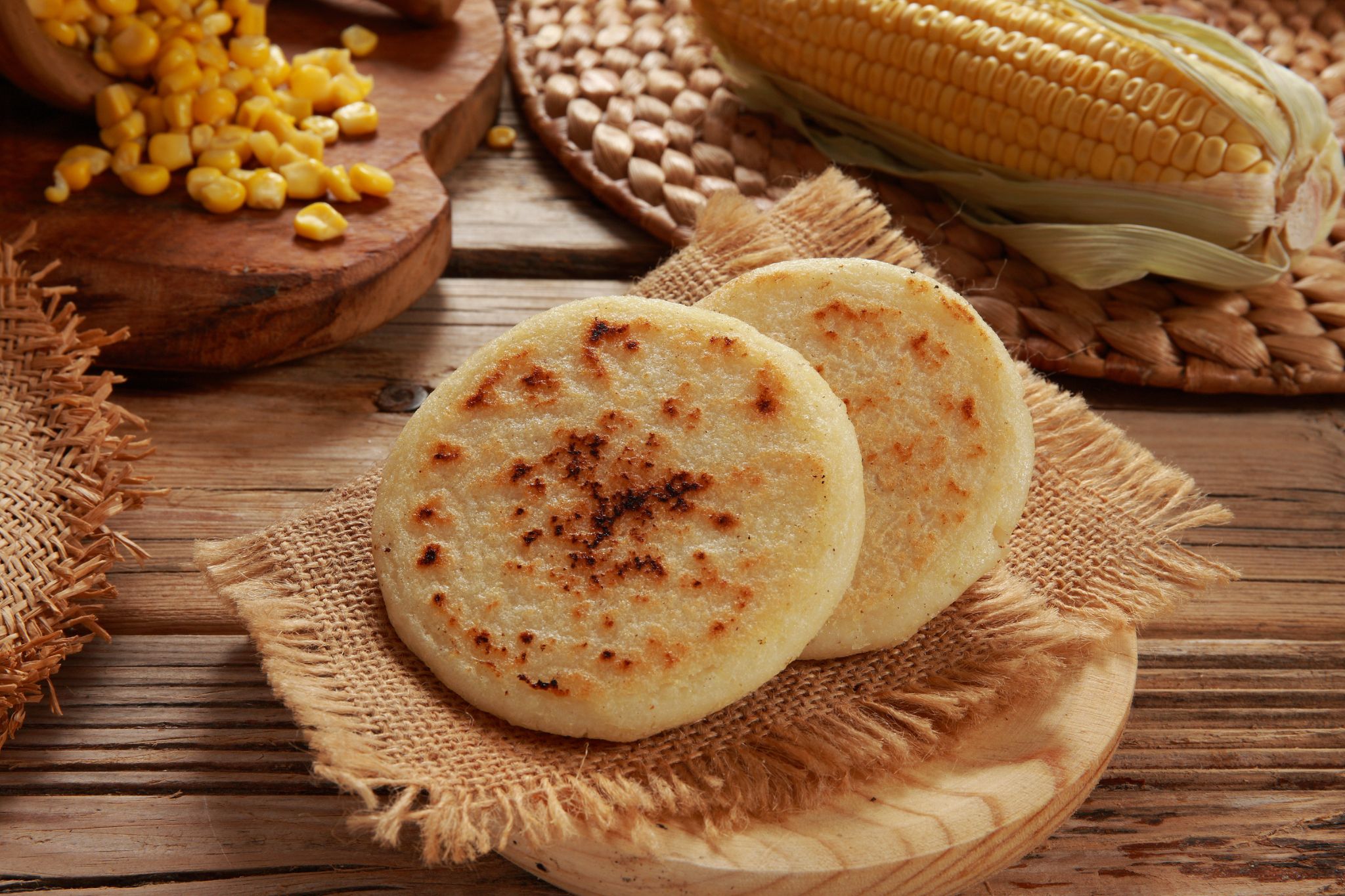
- Arepas: A traditional food of Venezuela and Colombia, arepas are cornmeal cakes that are often grilled or fried and filled with a variety of ingredients such as cheese, meats, or vegetables.
- Tamales: A popular dish throughout the Andes and parts of Central America, tamales are made from masa (corn dough) that is filled with meats, cheese, or vegetables and then wrapped in corn husks before being steamed or boiled.
- Chicha: In Peru, a fermented corn drink known as chicha has been consumed for centuries. Chicha is made by fermenting corn with water, sugar, and sometimes fruit, and it is often served during celebrations or as a traditional beverage.
2.2 Beans and Legumes
Legumes such as beans, lentils, and peas have long been a dietary staple in South America, often used in soups, stews, and as accompaniments to meat-based dishes.
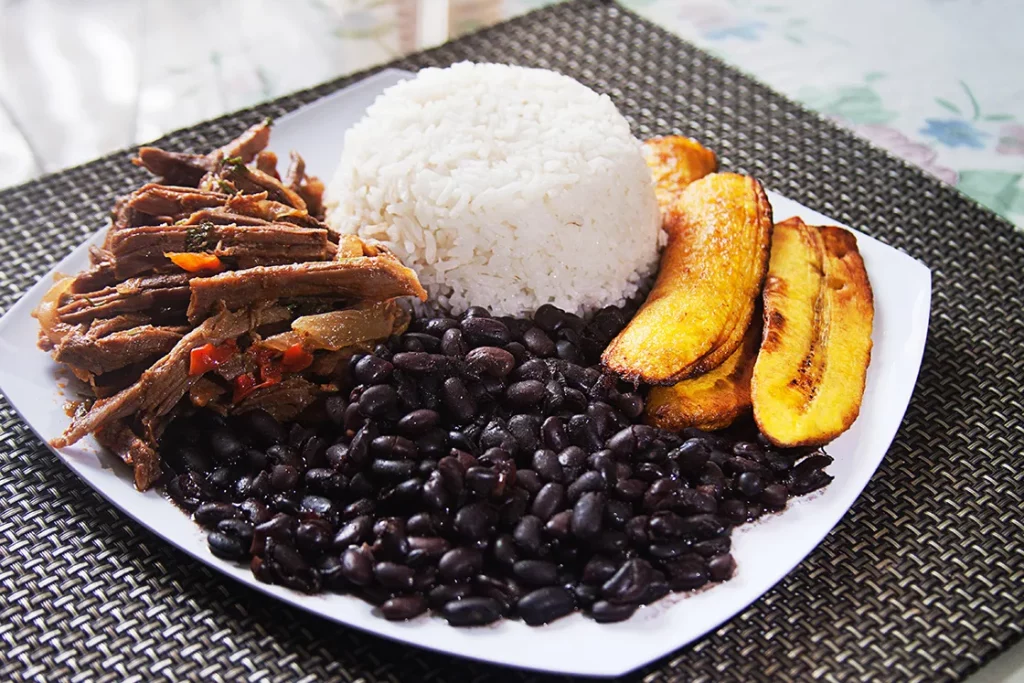
- Black Beans: In Brazil, black beans are a key ingredient in feijoada, a hearty stew made with beans, pork, and beef. Feijoada is often served with rice, farofa (toasted cassava flour), and orange slices.
- Lentils: In the Andean regions, lentils are commonly used in soups and stews. They are often paired with quinoa or potatoes, creating a filling and nutritious meal.
- Fava Beans: Popular in parts of Argentina, fava beans are often incorporated into dishes like empanadas or served in stews with vegetables and meats.
3. Fruits and Vegetables: Tropical Delights of South America
South America’s tropical climate provides an abundance of exotic fruits and vegetables that are integral to both traditional and modern dishes. Many of these fruits have begun to appear in international markets due to their unique flavors and health benefits.
3.1 Exotic Fruits
- Mango: Mangoes are grown throughout South America, with countries like Brazil, Colombia, and Ecuador being some of the largest producers. South American mangoes are used in juices, desserts, and fruit salads, as well as in savory dishes.
- Papaya: This sweet and juicy fruit is commonly eaten for breakfast or as a snack. In Brazil, papaya is often blended into a smoothie, while in other regions, it’s used in salsas or salads.
- Passion Fruit: Known for its intense, tangy flavor, passion fruit is used in beverages, desserts, and salads. It is particularly popular in Brazil, where it is used to flavor juices, ice creams, and cakes.
- Guava: Guava, which is native to the Andes region, is widely used in South American cuisine. Guava is often used to make jams, jellies, and juices, and it can also be eaten raw, paired with cheese or sprinkled with salt.
3.2 Root Vegetables and Leafy Greens
- Cassava (Yuca): A root vegetable native to the Amazon, cassava is a starchy tuber that is a key part of Brazilian and Colombian cuisine. Cassava is often boiled, mashed, or fried and served as a side dish or in stews.
- Sweet Potatoes: Sweet potatoes, or batata doce, are grown in the Andes and are a common ingredient in Peruvian and Ecuadorian cuisine. They are often roasted, boiled, or used in soups and stews.
- Chard and Kale: These leafy greens are commonly used in South American cuisine for making salads, soups, and stews. They are a rich source of vitamins and minerals, particularly iron and calcium.
4. South American Superfoods: Nutrient Powerhouses
The concept of “superfoods” has gained significant popularity in recent years, and South America is home to several ingredients that are not only delicious but also packed with nutrients that support overall health.
4.1 Açaí Berry
The açaí berry is perhaps the most well-known South American superfood, gaining international attention for its antioxidant properties. Açaí berries are rich in anthocyanins, which help fight oxidative stress and inflammation. They are often used in smoothie bowls and beverages and are considered a health food powerhouse.
4.2 Maca Root
Native to the high Andes, maca root has been used for centuries for its purported health benefits, particularly its ability to improve energy, stamina, and libido. Maca is typically ground into powder and added to smoothies, teas, and energy bars.
4.3 Chia Seeds
Chia seeds, originally cultivated in Mexico and parts of South America, are another superfood that has gained international popularity. Packed with fiber, omega-3 fatty acids, and protein, chia seeds are used in everything from smoothies and granola to baked goods and puddings.
4.4 Cacao
South America is the birthplace of cacao, the primary ingredient in chocolate. Ecuador, Venezuela, and Brazil are known for producing some of the finest quality cacao beans, and these beans are often used in artisanal chocolate production. Cacao is rich in antioxidants and has been linked to various health benefits, including improved heart health.
5. Conclusion: A Culinary Adventure through South America’s Ingredients
South American ingredients offer a rich tapestry of flavors, textures, and nutritional benefits. From the high-altitude crops of the Andes to the tropical treasures of the Amazon, the continent’s diverse agricultural landscape provides a wealth of unique and healthful ingredients. As global interest in these foods continues to rise, many of South America’s traditional ingredients are finding their way into kitchens worldwide, bringing with them a taste of the continent’s vibrant cultures.
Whether you’re cooking a traditional South American dish or experimenting with fusion recipes, these ingredients offer endless possibilities for creating delicious and nutritious meals. As more people discover the flavors and benefits of South American produce, the continent’s culinary heritage is being celebrated and preserved, ensuring that these ingredients continue to play a central role in both local and global cuisines.