









Introduction
In recent years, the global food industry has witnessed significant transformations, with a focus on sustainability, health, and ethical consumption. The rise of plant-based alternatives, particularly “alternative meats,” has sparked widespread debate on its environmental impact, health benefits, and cultural relevance. Alongside this trend, there has been a resurgence of interest in traditional ingredients and the nutritional advantages of natural plant proteins. This dual movement presents an exciting evolution in the way we think about food. What was once considered niche or experimental is now being embraced as a solution to some of the most pressing issues in modern food systems: health concerns, environmental sustainability, and the restoration of cultural food practices.
The Surge of Plant-Based Proteins
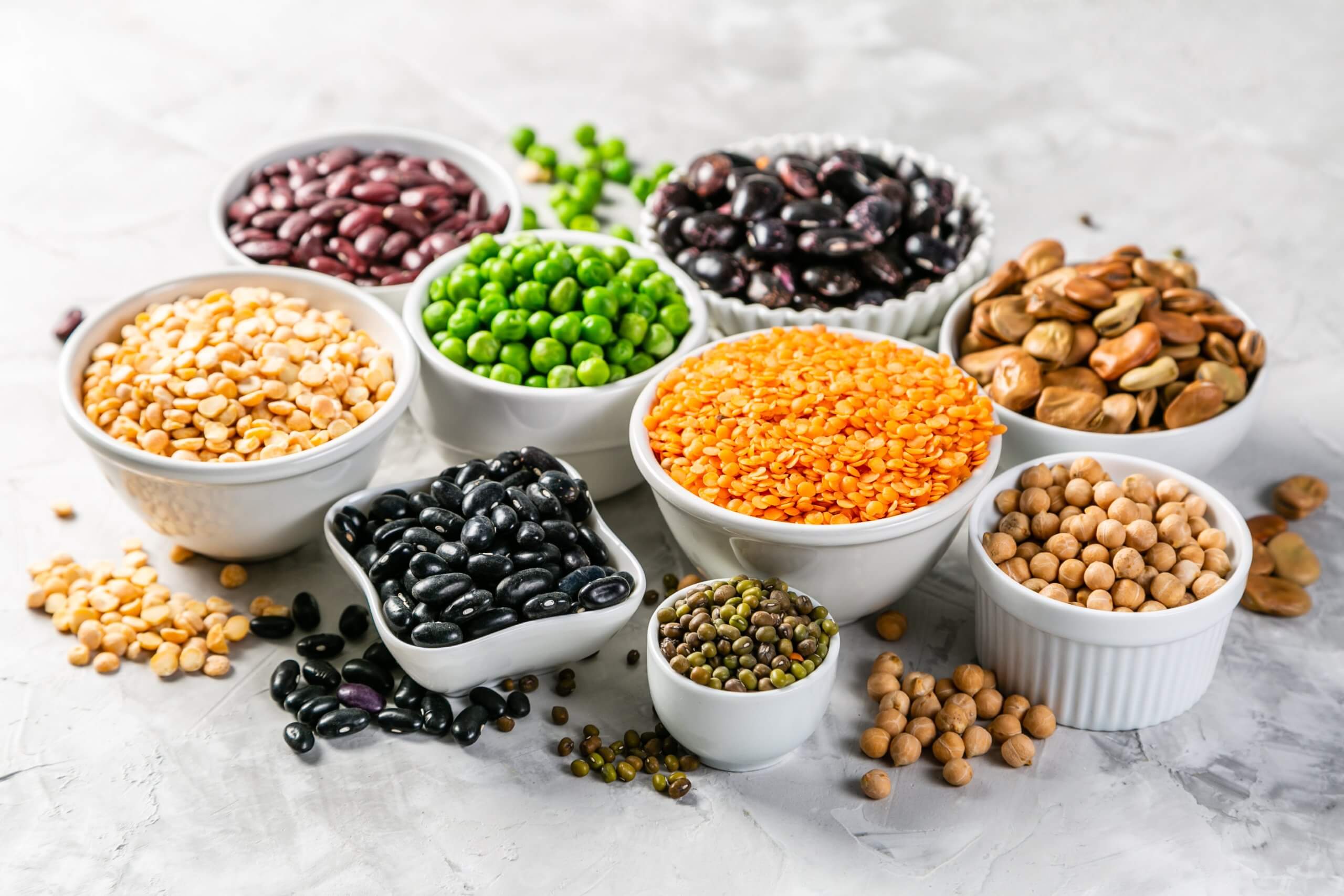
Over the past decade, plant-based proteins have been at the forefront of the food revolution. As concerns around animal agriculture’s environmental impact grow, many consumers are turning to plant-based alternatives to fulfill their nutritional needs. Soy, peas, lentils, chickpeas, and other legumes have become staples in plant-based protein products. These ingredients offer not only high protein content but also essential vitamins and minerals, making them highly nutritious options for a growing population of health-conscious consumers.
The Role of Legumes and Pulses
Legumes such as soybeans, lentils, and chickpeas are central to the plant-based protein narrative. These crops are rich in protein and fiber, low in fat, and packed with micronutrients like iron, potassium, and folate. They are also highly sustainable: growing legumes improves soil health by fixing nitrogen, reducing the need for synthetic fertilizers, and improving crop rotation.
In the context of alternative meats, these legumes have served as the backbone of products that mimic the texture and flavor of traditional animal-based proteins. Companies like Beyond Meat and Impossible Foods have successfully incorporated pea protein, soy protein, and other legumes into their products, creating plant-based burgers, sausages, and more. As production methods improve and consumer demand increases, the scope of plant-based proteins is expected to expand beyond just alternative meats.
Nutritional and Health Benefits
One of the key reasons for the rise of plant-based proteins is their numerous health benefits. Unlike animal-based proteins, plant proteins are generally lower in saturated fat and cholesterol, which makes them heart-healthier. Moreover, plant-based proteins tend to be more easily digestible and are rich in antioxidants, vitamins, and minerals that promote overall health. With the growing awareness of health conditions related to overconsumption of red meat, such as cardiovascular disease and certain cancers, plant-based options are being recognized as a healthier and more sustainable choice.
Environmental Impact
Plant-based proteins also hold significant promise in the fight against climate change. Animal agriculture is one of the leading contributors to greenhouse gas emissions, deforestation, and water pollution. By shifting towards plant-based diets, it is possible to reduce the environmental footprint associated with food production. According to studies by institutions such as the UN Food and Agriculture Organization (FAO), plant-based protein production requires fewer natural resources and generates fewer emissions compared to traditional animal farming.
The Emergence of Alternative Meats
While plant-based proteins are gaining popularity, alternative meats made from innovative technologies have also made their mark. These “meat substitutes,” often derived from plant-based ingredients, are designed to mimic the taste, texture, and appearance of traditional animal meats. These products are revolutionizing the way we think about meat consumption, challenging the very definition of what constitutes “real” meat.
Cultured Meat: The Future of Meat?
Cultured or lab-grown meat is one of the most groundbreaking innovations in the alternative meat sector. This technology involves cultivating animal cells in a lab environment to create meat without the need for slaughtering animals. The potential for cultured meat is immense: it could drastically reduce the environmental impact of meat production, decrease the risk of foodborne diseases, and eliminate the ethical concerns surrounding animal cruelty.
However, the technology is still in its early stages, and the high costs of production remain a challenge. As the technology advances and becomes more cost-effective, cultured meat may offer a more sustainable and ethical alternative to conventional meat.
Plant-Based Meats: A Growing Market
Plant-based meat products, like those produced by Beyond Meat, Impossible Foods, and various others, are often made from ingredients like soy, pea protein, and wheat gluten (seitan). These products have evolved significantly from their early days, now offering a more realistic texture and taste that closely resembles traditional meats such as beef, chicken, and pork.
These products are widely available in supermarkets, fast food chains, and restaurants, helping to mainstream the plant-based movement. Consumers who might have once been skeptical about plant-based alternatives are now embracing them, not only for ethical or environmental reasons but also for their convenience, taste, and nutrition.
The Future of Alternative Meats
While plant-based meats are already making a significant impact, the next frontier lies in improving the nutritional profile of these products. Many plant-based meats are heavily processed and high in sodium, which could deter some consumers looking for healthier options. To address this, companies are focusing on making plant-based meats more nutritionally balanced, with higher fiber content, fewer additives, and cleaner ingredients.
The future of alternative meats also involves expanding beyond burgers and sausages. In the coming years, we can expect a broader range of products such as plant-based seafood, dairy alternatives, and even plant-based steak and chicken cuts.
The Revival of Traditional Ingredients
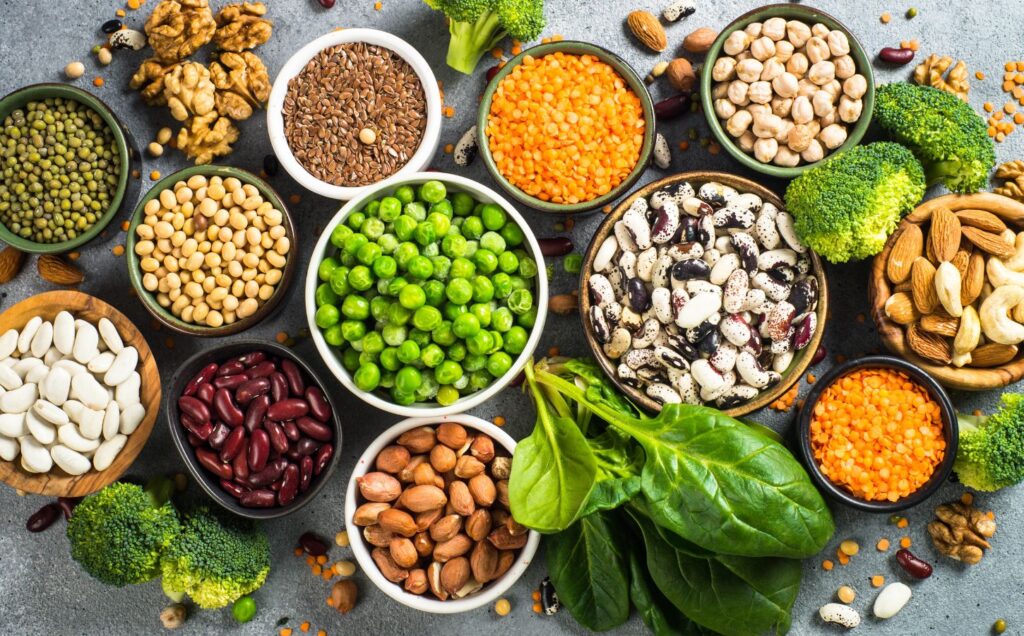
While alternative meats and plant-based proteins are gaining traction, there has been a renewed interest in traditional ingredients that have been a part of human diets for centuries. Ancient grains, legumes, and indigenous vegetables are becoming increasingly popular, offering not only nutritional benefits but also cultural and historical significance.
Ancient Grains: A Nutritional Powerhouse
Ancient grains like quinoa, amaranth, teff, and spelt are gaining popularity in modern diets due to their nutritional benefits and sustainability. These grains are packed with protein, fiber, and essential amino acids, making them excellent alternatives to refined grains like white rice and wheat. Furthermore, ancient grains are often grown without the need for heavy fertilizers or pesticides, making them more environmentally friendly.
In addition to their health benefits, these grains are often tied to cultural practices and culinary traditions that span millennia. The resurgence of ancient grains represents a broader movement towards reconnecting with traditional food practices and rediscovering the richness of our culinary heritage.
Indigenous Vegetables and Wild Foods
In many parts of the world, indigenous vegetables and wild foods are being rediscovered as part of a larger effort to return to more natural, sustainable food systems. For example, in Africa, moringa, baobab, and teff are being hailed as superfoods due to their high nutrient content. In North America, native plants like wild rice, chokecherries, and sumac are being reintroduced into modern diets as a way to honor indigenous food knowledge and restore local ecosystems.
These ingredients are not only nutritious but also play a role in preserving biodiversity and promoting sustainable agriculture. By integrating more indigenous vegetables and wild foods into our diets, we can support local farmers, reduce the reliance on monoculture crops, and promote food sovereignty.
Conclusion: A Food Revolution in the Making
The transition from traditional animal-based meats to plant-based proteins and alternative meats, combined with the revival of ancient ingredients, signals a profound shift in the global food system. Consumers are becoming more conscious of the environmental, health, and ethical implications of their food choices, leading to greater demand for sustainable, plant-based options.
At the same time, there is a growing recognition of the value of traditional food practices, which offer a wealth of knowledge and resources for building more sustainable and resilient food systems. The future of food lies in a harmonious integration of the old and the new, where plant-based alternatives coexist with indigenous crops and traditional cooking methods.
As the global food landscape continues to evolve, it is clear that the next generation of food will be shaped by a balance of innovation and tradition, creating a future that is not only more sustainable but also more connected to our cultural and environmental roots.