








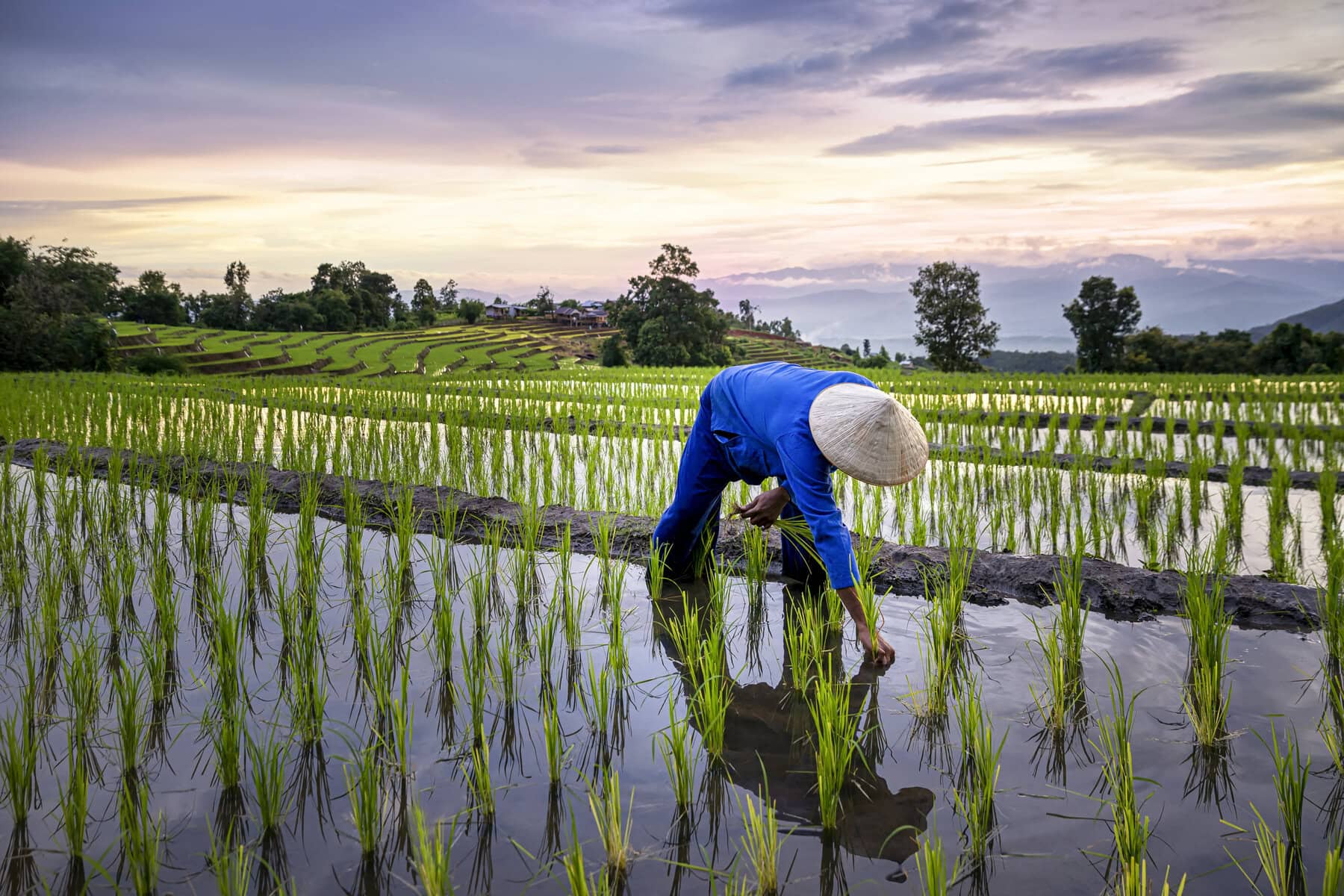

Introduction: The Evolution of Food Transparency
In recent years, the concept of “farm-to-table” has evolved from a marketing slogan to a cornerstone of modern food systems. Consumers, increasingly concerned about food safety, sustainability, and ethical sourcing, demand transparency in the entire supply chain—from production at the farm to consumption at the table.
The traditional supply chain, often opaque and fragmented, has been associated with risks such as contamination, fraud, and environmental inefficiency. In contrast, a transparent supply chain allows stakeholders—farmers, processors, distributors, retailers, and consumers—to trace the journey of food products accurately, ensuring quality, safety, and accountability.
This article explores the principles, technologies, and practices that define a transparent farm-to-table supply chain, examines its impact on sustainability and consumer trust, and provides insight into the future of food system transparency.
Section I — Understanding the Farm-to-Table Concept
Defining Farm-to-Table
Farm-to-table refers to the direct movement of food products from farms to consumers, minimizing intermediaries while emphasizing freshness, quality, and traceability. While historically associated with local sourcing and artisan foods, it now encompasses global supply chains equipped with modern tracking technologies and ethical standards.
Key objectives include:
- Food Safety: Ensuring products are free from contamination and meet regulatory standards.
- Quality Assurance: Maintaining freshness, nutrient content, and taste.
- Ethical Sourcing: Promoting fair labor practices and animal welfare.
- Environmental Responsibility: Reducing carbon footprint and promoting sustainable farming practices.
The Importance of Transparency
Transparency is critical for:
- Consumer Trust: Modern consumers demand information on where their food comes from, how it was grown, and under what conditions it was processed.
- Regulatory Compliance: Traceability supports compliance with food safety and labeling laws.
- Supply Chain Efficiency: Transparency improves logistics, reduces waste, and prevents fraud.
- Sustainability: Consumers can make informed decisions favoring environmentally responsible production.
Section II — Components of a Transparent Supply Chain
1. Farm-Level Practices
Transparency begins at the source. Sustainable and traceable practices include:
- Crop Rotation and Soil Health Monitoring: Ensuring nutrient-rich, resilient farmland.
- Organic and Regenerative Farming: Reducing pesticide use, enhancing biodiversity.
- Animal Welfare and Pasture Management: Ensuring ethical treatment of livestock.
- Digital Record-Keeping: Farmers use digital tools to document planting, fertilization, irrigation, and harvesting schedules.
2. Processing and Manufacturing
Once harvested, food products pass through processing facilities. Transparent practices include:
- Hygienic Processing Standards: Compliance with HACCP (Hazard Analysis and Critical Control Points) ensures safety.
- Ingredient Traceability: Each batch can be traced back to its farm of origin.
- Minimal Processing: Preserving nutritional value while maintaining product integrity.
- Sustainable Packaging: Use of recyclable or biodegradable materials, with QR codes linking to farm and processing information.
3. Distribution and Logistics
Efficient logistics ensure food reaches consumers fresh and intact, while maintaining traceability:
- Cold Chain Management: Temperature-controlled transport prevents spoilage.
- Digital Tracking Systems: GPS and IoT sensors provide real-time data on location, temperature, and handling.
- Inventory Transparency: Retailers and wholesalers can track product origins and expiration dates to reduce waste.
4. Retail and Consumer Engagement
Retailers play a pivotal role in conveying transparency:
- Labeling and Certification: Organic, fair trade, and sustainability certifications provide verified information.
- QR Codes and Apps: Consumers can scan products to access farm history, production methods, and transportation data.
- Educational Initiatives: Stores and restaurants educate consumers about sourcing, sustainability, and nutrition.
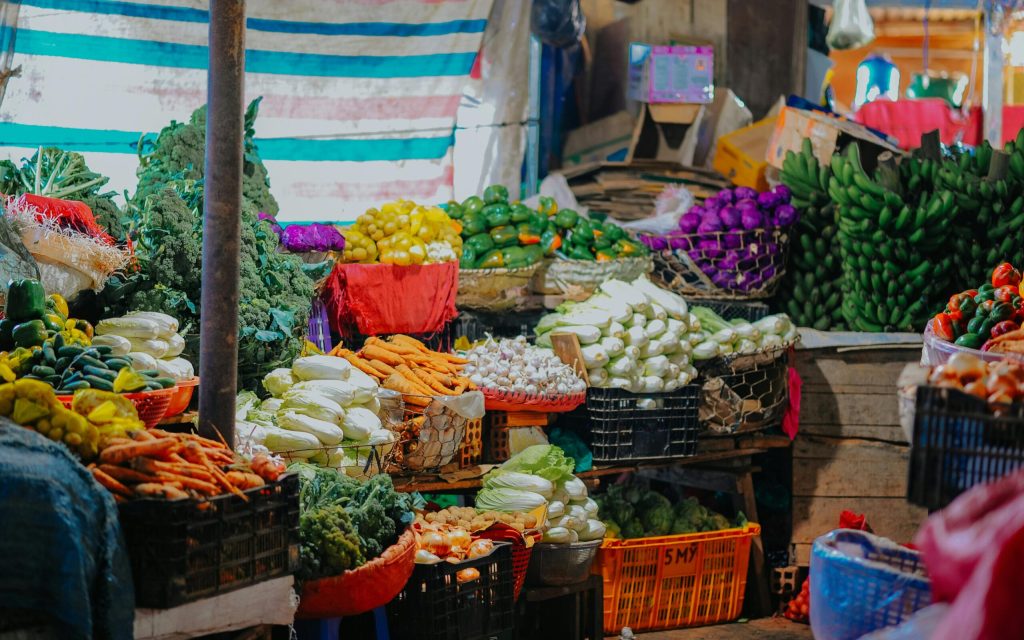
Section III — Technologies Enabling Transparency
1. Blockchain for Traceability
Blockchain technology has revolutionized transparency by providing immutable digital records across the supply chain. Each transaction—from planting to sale—is logged on a decentralized ledger, accessible to all stakeholders. Benefits include:
- Preventing fraud and mislabeling.
- Enhancing recall efficiency during contamination events.
- Strengthening consumer trust through verifiable information.
2. Internet of Things (IoT) and Smart Sensors
IoT devices monitor environmental conditions during cultivation, storage, and transport. For example:
- Soil moisture and temperature sensors optimize irrigation.
- Refrigeration sensors ensure cold chain compliance.
- Smart packaging can alert retailers and consumers about spoilage risks.
3. Data Analytics and AI
Big data and artificial intelligence enable:
- Predictive Analytics: Anticipating supply shortages or spoilage risks.
- Quality Control: Detecting anomalies in production or distribution.
- Sustainability Metrics: Tracking carbon footprint, water usage, and energy efficiency.
4. Consumer-Facing Digital Platforms
Apps and websites allow consumers to trace products from farm to table. Features include:
- Farm origin, cultivation practices, and harvest dates.
- Processing, storage, and transportation details.
- Sustainability scores or eco-labels.
Section IV — Benefits of Transparent Farm-to-Table Supply Chains
1. Enhanced Food Safety
Traceability reduces the risk of foodborne illness. In contamination events, batch-specific recalls allow precise targeting, minimizing economic loss and public health impact.
2. Improved Sustainability
Transparency encourages responsible practices:
- Farmers adopt regenerative techniques to meet consumer demand.
- Reduced waste through optimized logistics.
- Ethical sourcing reduces environmental and social impact.
3. Strengthened Consumer Trust
Modern consumers are more likely to purchase products that provide verifiable information on origin, safety, and sustainability. Transparency transforms food into a trustable health and ethical solution.
4. Economic Opportunities
Producers and retailers gain competitive advantages:
- Premium pricing for traceable and sustainable products.
- Brand loyalty fostered by authenticity.
- Access to global markets demanding certified, transparent supply chains.
Section V — Case Studies in Transparency
1. Organic Produce and Direct Sourcing
Companies sourcing directly from local farms provide:
- QR code access to farm practices.
- Seasonal produce aligned with local climates.
- Minimal intermediaries, ensuring freshness and fairness.
2. Seafood and Aquaculture Traceability
Seafood is particularly vulnerable to mislabeling and overfishing. Transparent supply chains include:
- DNA testing to confirm species.
- Blockchain records of catch location, method, and processing.
- Sustainability certifications such as MSC (Marine Stewardship Council).
3. Dairy and Livestock Systems
Traceable livestock systems enable:
- Monitoring of feed, antibiotic use, and living conditions.
- Farm-to-bottle transparency in milk and dairy products.
- Consumer engagement through farm visits and digital storytelling.
Section VI — Challenges and Solutions
1. Implementation Complexity
Integrating technology and transparency across large, global supply chains can be expensive and complex. Solutions:
- Pilot programs with digital traceability.
- Government incentives for technology adoption.
- Collaborative platforms for shared resources among small farmers.
2. Data Management and Standardization
Data from farms, processors, and retailers must be standardized and interoperable. Solutions:
- Adoption of global traceability standards (e.g., GS1).
- Cloud-based platforms for centralized monitoring.
- AI algorithms for data validation and anomaly detection.
3. Consumer Engagement
Transparency is only effective if consumers understand and value it. Strategies include:
- Simple, user-friendly interfaces for apps and labels.
- Educational campaigns about sourcing, sustainability, and health impacts.
- Partnerships with restaurants and retail chains to promote storytelling.
Section VII — The Future of Transparent Supply Chains
1. Integration with Circular Economy Principles
Future farm-to-table systems will integrate waste reduction, resource efficiency, and sustainability, creating circular supply chains that minimize environmental impact. Examples include:
- Upcycling byproducts into animal feed or bioenergy.
- Composting organic waste into soil amendments.
2. Personalized Consumer Experiences
Advances in personalized nutrition and blockchain may allow consumers to choose products based on:
- Specific health goals (gut health, immunity, cognitive support).
- Environmental preferences (carbon footprint, water usage).
- Ethical considerations (fair labor, animal welfare).
3. Policy and Regulation
Governments and international organizations are increasingly mandating transparency in food systems:
- Traceability requirements for imports and exports.
- Incentives for sustainable and ethical practices.
- Support for small-scale farmers to adopt digital systems.
Conclusion: Building Trust from Farm to Table
The farm-to-table transparent supply chain represents a paradigm shift in food systems, combining technology, ethics, and sustainability to meet modern consumer expectations. By enabling visibility at every stage—from soil preparation to the dining table—producers, retailers, and consumers can work together to create safer, more sustainable, and ethically responsible food systems.
Transparency is not just a technological challenge—it is a cultural and operational transformation, redefining how we perceive, produce, and consume food. As this movement grows, it promises to strengthen trust, enhance sustainability, and make food a clear, accountable solution for health and well-being.
The journey from farm to table is no longer invisible—it is traceable, verifiable, and empowering. By embracing transparency, the entire food ecosystem can thrive, benefiting people, communities, and the planet alike.