









Introduction: A Return to Ancient Culinary Practices
In recent years, there has been a growing global movement toward rediscovering and celebrating the rich culinary traditions that have sustained civilizations for centuries. A key element of this resurgence is the revival of local spices, indigenous grains, and traditional fermentation techniques—three pillars of many food cultures that are now receiving newfound attention for their health benefits, sustainability, and culinary versatility.
While modern industrialized food systems often prioritize convenience, standardization, and mass production, a growing interest in authenticity and sustainability has led people to reconnect with the diverse food traditions of the past. Local spices and herbs, long used for flavoring and medicinal purposes, are being embraced for their unique taste profiles and healing properties. Indigenous grains, once staples in ancient diets, are now being lauded for their nutritional benefits and adaptability to climate change. Traditional fermentation methods, which have been used for centuries to preserve food, are being rediscovered for their ability to enhance flavors, improve gut health, and extend shelf life.
This article explores how these ancient ingredients and techniques are making a resurgence in contemporary kitchens, restaurants, and even the health and wellness industry. From enhancing flavors and boosting nutrition to contributing to sustainability, the revival of local spices, indigenous grains, and traditional fermentation practices is reshaping the way we think about food.
Local Spices: Flavors from the Heart of Cultures
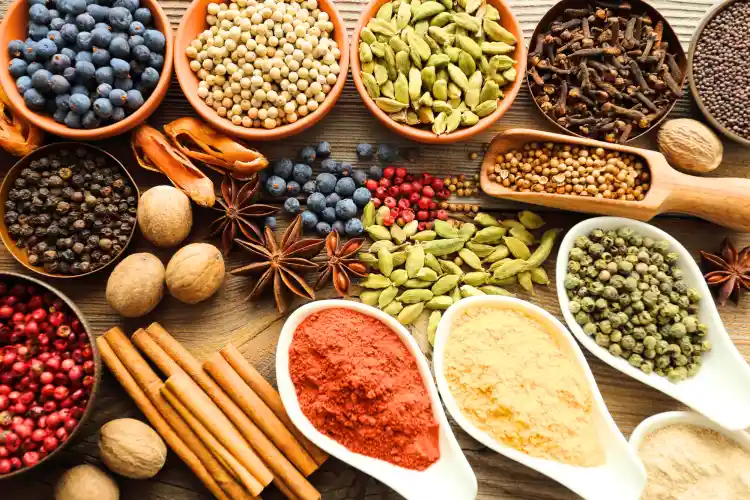
Spices have been integral to human cuisine for millennia, not only as flavor enhancers but also for their medicinal and preservative properties. Local spices, often unique to specific regions, are now experiencing a renaissance as chefs and home cooks seek to add depth and complexity to their dishes while also embracing the health benefits these ingredients offer.
1. The Role of Local Spices in Health and Wellness
Many local spices are not just flavorful but are packed with health benefits. For example, turmeric, native to Southeast Asia, has long been used for its anti-inflammatory properties and is increasingly recognized in the global health market for its potential to reduce the risk of chronic diseases. Similarly, ginger, used extensively in Asia and Africa, is known for its digestive and immune-boosting benefits.
In Africa, spices like berbere (a blend of chili peppers, garlic, ginger, and other spices) are used in both savory dishes and for medicinal purposes. These spices are rich in antioxidants, anti-inflammatory compounds, and essential vitamins, making them valuable additions to any diet.
Local spices also play an important role in preserving food in a natural and sustainable way. For instance, many traditional spice blends, such as garam masala in India or ras el hanout in Morocco, incorporate ingredients with natural antibacterial properties, which help extend the shelf life of food while enhancing its flavor.
2. Exploring Popular Local Spices
- Za’atar (Middle East): A fragrant blend of dried thyme, sesame seeds, sumac, and salt, za’atar is often sprinkled on bread, used as a dip for olive oil, or added to meats and vegetables. Known for its tangy flavor, it has become a popular spice in global kitchens, often linked to promoting digestion and boosting immunity.
- Berbere (Ethiopia): This spicy, flavorful blend is integral to Ethiopian cuisine. It typically contains chili peppers, garlic, ginger, coriander, and cinnamon, giving dishes like stews and lentils their signature flavor profile. Berbere is also used in traditional medicine to treat various ailments, including digestive issues and inflammation.
- Annatto (Latin America): Known for its vibrant red color and mild, peppery flavor, annatto is often used to color and flavor dishes like rice, sauces, and meats. Beyond its culinary uses, annatto has long been valued for its antioxidant and anti-inflammatory properties.
- Tamarind (Asia, Africa, Latin America): This tangy fruit has been used in a variety of cuisines, from curries in Southeast Asia to chutneys in India. The fruit’s pulp is rich in vitamin C, antioxidants, and organic acids, and it has been used traditionally to treat digestive problems and fever.

Indigenous Grains: The Ancient Staples Making a Comeback
Indigenous grains have been the cornerstone of many traditional diets, often growing in regions where modern agriculture struggles to thrive. These grains are not only highly nutritious but also resilient, requiring fewer resources like water and fertilizers compared to industrial crops like wheat and rice. In the face of climate change, indigenous grains are being rediscovered for their potential to contribute to food security and sustainability.
1. The Nutritional Powerhouses of Indigenous Grains
Indigenous grains are typically packed with nutrients that are essential for a balanced diet. Unlike the heavily processed grains that dominate the global food market, these ancient grains tend to retain more of their natural nutrients, such as fiber, protein, healthy fats, vitamins, and minerals.
For instance, quinoa, originally from the Andean region of South America, is an exceptional source of complete protein and is rich in magnesium, iron, and fiber. Similarly, teff, a staple in Ethiopia, is high in protein, fiber, and calcium, making it an excellent choice for those seeking to improve bone health and support digestive function.
In addition to their nutritional benefits, many indigenous grains, such as millet and sorghum, are naturally gluten-free, making them suitable for individuals with gluten sensitivities or those following a gluten-free diet.
2. Examples of Indigenous Grains
- Quinoa (South America): Quinoa was once considered a sacred crop by the ancient Incas, and its revival as a superfood in the 21st century has garnered international attention. With its high protein content and versatility, quinoa can be used in everything from salads to soups to desserts.
- Teff (Ethiopia): Teff has been a staple in Ethiopian cuisine for over 5,000 years, primarily used to make injera, a sour flatbread. Rich in iron and calcium, it is an excellent food for combating anemia and promoting bone health.
- Millet (Africa, Asia): Millet is a drought-resistant grain that has been a vital part of diets in parts of Africa and Asia for millennia. It is a great source of fiber and essential minerals such as magnesium, phosphorus, and potassium.
- Amaranth (Latin America): Amaranth was used by the Aztecs and is making a comeback as a nutrient-dense, gluten-free grain. Rich in protein and essential amino acids, amaranth is ideal for vegetarians and vegans looking to add more plant-based protein to their diets.
- Sorghum (Africa, Asia): Sorghum is a hardy grain that can thrive in dry conditions, making it an important crop in regions affected by drought. It is packed with antioxidants, fiber, and essential minerals and can be used in a variety of dishes, from porridges to flatbreads.
3. The Environmental and Sustainability Benefits
The cultivation of indigenous grains often has a lower environmental impact compared to industrial grains like rice and wheat. These grains require less water, are more resilient to pests and diseases, and can grow in poor soil conditions. By reintroducing indigenous grains into modern agriculture, we can promote food security while also addressing climate change and water scarcity.
Traditional Fermentation Techniques: Reviving Ancient Preservation Methods
Fermentation is one of the oldest methods of food preservation, and it has been practiced for thousands of years in cultures around the world. This natural process not only extends the shelf life of food but also enhances its flavor, texture, and nutritional profile. As people become more interested in gut health and functional foods, traditional fermentation techniques are making a resurgence in kitchens and restaurants worldwide.
1. The Science Behind Fermentation
Fermentation is a metabolic process that uses microorganisms like bacteria, yeast, and molds to convert sugars into acids, gases, or alcohol. During fermentation, beneficial bacteria, known as probiotics, are produced, which can support digestive health and boost the immune system.
Fermented foods are also rich in vitamins (especially B vitamins), minerals, and enzymes that help break down food for easier digestion. Many fermented foods, such as kimchi, sauerkraut, and kefir, have become popular in the wellness community due to their gut-health benefits.
2. Popular Traditional Fermented Foods
- Kimchi (Korea): Kimchi, a spicy fermented vegetable dish typically made from napa cabbage and radishes, is a staple in Korean cuisine. Rich in probiotics, kimchi is known for its digestive health benefits and its ability to support immune function.
- Sauerkraut (Germany): Sauerkraut is a fermented cabbage dish that is a key component of German cuisine. Packed with probiotics and fiber, sauerkraut is known to support gut health and digestion.
- Kefir (Caucasus, Eastern Europe): Kefir is a fermented milk drink made by adding kefir grains to milk. It has a tangy flavor and is rich in probiotics, which are beneficial for gut health.
- Miso (Japan): Miso is a fermented paste made from soybeans, rice, or barley, and is used extensively in Japanese cuisine. Miso is not only flavorful but also a good source of protein, vitamins, and probiotics.
- Tempeh (Indonesia): Tempeh is a fermented soybean product that originated in Indonesia. It is a complete protein and is often used as a meat substitute in vegetarian and vegan diets.
3. Health Benefits of Fermentation
Fermented foods are rich in beneficial bacteria, which are essential for a healthy gut microbiome. Regular consumption of fermented foods has been linked to improved digestion, enhanced immune function, and even better mood and mental health. Additionally, fermentation can increase the bioavailability of certain nutrients, such as B vitamins, making them easier for the body to absorb.
Fermentation also plays a crucial role in food preservation, allowing ingredients to be stored for longer periods without refrigeration. This reduces food waste and helps ensure that food is available even in times of scarcity.
Conclusion: A New Era of Ancient Foods
The revival of local spices, indigenous grains, and traditional fermentation techniques is part of a larger movement toward sustainability, health, and authenticity in food. These ingredients and practices not only offer deep cultural connections and culinary diversity but also provide solutions to contemporary challenges like climate change, food security, and health. By embracing these ancient foods and methods, we can build a more sustainable, resilient, and nutritious food system for the future. As we continue to rediscover the flavors, textures, and nutritional benefits of these traditional ingredients, we honor the rich culinary heritage of our ancestors while creating a more sustainable world for future generations.