








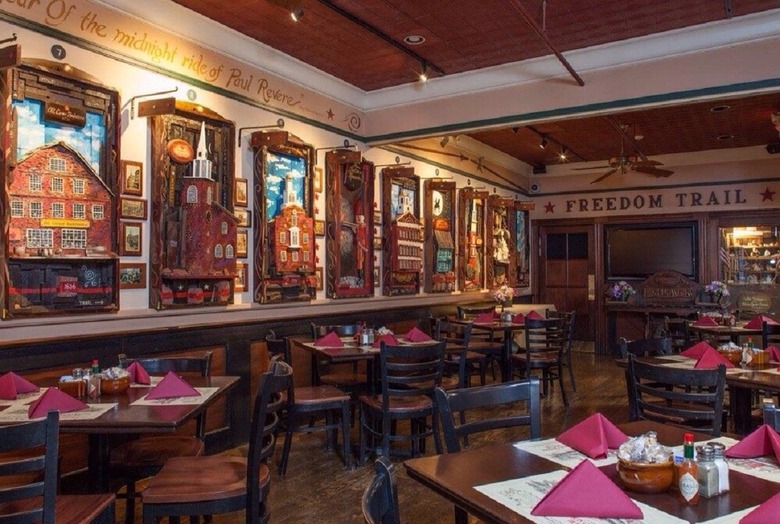

Introduction: Preserving Culinary History through Experience
Food is not only sustenance but also a living record of cultural, social, and historical identity. Across the globe, historic restaurants, long-standing establishments (old brands or “time-honored” eateries), and vibrant street food culture serve as gateways into the past, offering unique insights into culinary evolution, regional traditions, and societal change.
Documenting and experiencing these food venues allows researchers, chefs, and tourists alike to understand how flavors, techniques, and dining practices reflect historical, economic, and cultural contexts. From century-old restaurants that have preserved recipes for generations, to bustling street stalls that encapsulate local identity, these culinary spaces are invaluable archives of living heritage.
This article explores the cultural significance, preservation efforts, experiential learning opportunities, and documentation strategies for historic restaurants, time-honored eateries, and street food culture, highlighting their role in culinary tourism, heritage preservation, and gastronomic research.
Section 1: Historic Restaurants – Living Museums of Cuisine
1.1 Definition and Characteristics
Historic restaurants are establishments that have operated for decades or centuries, often retaining original decor, traditional menus, and culinary methods. Key features include:
- Signature dishes that define the restaurant’s identity.
- Continuity of ownership or recipe heritage.
- Architectural and interior preservation, reflecting period aesthetics.
- Cultural narratives, linking food to historical events or notable personalities.
1.2 Cultural and Historical Significance
- Serve as archives of local gastronomy, preserving traditional ingredients, recipes, and cooking techniques.
- Reflect societal changes: shifts in dining etiquette, culinary innovation, and consumer behavior.
- Function as educational sites, teaching visitors about regional history through the lens of food.
1.3 Experiential Engagement
- Guided tastings and storytelling: Patrons learn not just what they eat, but why it matters historically.
- Workshops on traditional methods: Cooking classes led by veteran chefs provide practical experience.
- Integration into culinary tours: Historic restaurants are often anchors for heritage-focused food tourism.
Section 2: Time-Honored Eateries – Old Brands and Local Institutions
2.1 Characteristics
Time-honored eateries (often branded as “laozihao” in East Asia) are establishments with a proven track record of authenticity and community trust. Features include:
- Centuries-old recipes passed through generations.
- Local sourcing of ingredients, maintaining regional taste profiles.
- Recognition as cultural icons, sometimes officially listed as protected heritage brands.
2.2 Cultural and Culinary Impact
- Strengthen local identity, giving communities pride in culinary tradition.
- Offer continuity amidst urban change, preserving flavors that might otherwise be lost.
- Serve as case studies for food historians, revealing methods and ingredients of the past.
2.3 Experiential Strategies
- Chef-patron interactions: Understanding preparation techniques, ingredient selection, and flavor philosophy.
- Menu exploration: Sampling multiple generations of recipes.
- Story collection: Documenting oral histories of founders, recipes, and community impact.
Section 3: Street Food Culture – Vibrant, Democratic Culinary Spaces
3.1 Defining Street Food Culture
Street food represents accessible, informal dining, often rooted in daily life, local identity, and traditional recipes. Characteristics include:
- Mobility and adaptability: Stalls, carts, or pop-ups reflecting dynamic urban culture.
- Affordable, flavor-driven offerings: Recipes developed to maximize taste and speed.
- Cultural storytelling: Dishes often reflect migration, trade history, and social context.
3.2 Cultural Significance
- Acts as a mirror of urban life, showcasing ingredients, techniques, and social habits.
- Preserves micro-histories, such as immigrant adaptations or regional specialties.
- Provides hands-on culinary experience for tourists and food enthusiasts, connecting them to local daily life.
3.3 Experiential Engagement
- Street food tours: Guided exploration of iconic dishes and their origins.
- Cooking demonstrations and workshops: Hands-on learning in informal environments.
- Flavor and storytelling integration: Understanding spice combinations, fermentation, and local sourcing.
Section 4: Techniques for Experiencing and Documenting Culinary Heritage
4.1 Ethnographic Fieldwork
- Observation and participation: Chefs, historians, and tourists document cooking processes and interactions.
- Oral history collection: Interviewing proprietors, chefs, and community members.
- Cultural mapping: Identifying culinary landmarks, market networks, and ingredient sources.
4.2 Photography and Videography
- Capturing preparation techniques, dishes, and ambiance preserves sensory memory.
- Documenting market trips and ingredient sourcing highlights regional specificity.
- Enables creation of digital archives accessible for education, research, and tourism promotion.
4.3 Recipe Documentation and Analysis
- Writing detailed recipes, including historical variations and ingredient origins.
- Recording techniques, timings, and flavor principles to preserve authenticity.
- Scientific analysis of ingredients and cooking methods can provide insight into nutritional and flavor profiles.

Section 5: Culinary Tourism and Experiential Learning
5.1 Integrating Heritage into Tourism
- Food heritage routes: Linking historic restaurants, time-honored eateries, and street food hubs in thematic tours.
- Immersive workshops: Visitors cook, taste, and learn historical context.
- Educational lectures and demonstrations: Exploring regional agriculture, spices, and traditional cooking methods.
5.2 Benefits for Tourists
- Cultural literacy: Understanding the history and evolution of local cuisine.
- Sensory engagement: Experiencing texture, aroma, and flavor in authentic environments.
- Skill acquisition: Hands-on practice of traditional techniques enhances appreciation for culinary craftsmanship.
Section 6: Preserving Culinary Heritage
6.1 Challenges
- Urbanization and globalization: Historic eateries and street stalls face pressure from development and mass-market competition.
- Ingredient sourcing: Traditional ingredients may become rare or expensive.
- Knowledge transmission: Younger generations may be less inclined to maintain culinary traditions.
6.2 Strategies
- Heritage labeling and recognition: Official protection for historic restaurants and brands.
- Apprenticeship programs: Training young chefs in traditional techniques.
- Community engagement: Local initiatives to support street vendors and old establishments.
- Digital archiving: Creating accessible databases of recipes, techniques, and oral histories.
Section 7: Case Studies
7.1 Japan – Kyoto’s Century-Old Kaiseki Restaurants
- Maintaining seasonal ingredient traditions, aesthetic plating, and ceremonial rituals.
- Apprenticeship systems ensure skills and philosophy transfer.
7.2 China – Beijing’s Old Brand Noodle Shops
- “Laozihao” recognized for century-old recipes.
- Street-level engagement provides daily culinary continuity.
7.3 India – Mumbai Street Food Hubs
- Streets lined with chaat, vada pav, and pav bhaji represent multicultural culinary adaptation.
- Vendors maintain flavor consistency across generations.
7.4 Europe – Historic Bistros and Bakeries
- Parisian bakeries preserving traditional viennoiseries.
- Italian trattorias maintaining regional pasta-making traditions.
Section 8: Technology and Digital Documentation
- Virtual tours: Enable global audiences to experience historic eateries.
- Interactive recipe apps: Combine step-by-step instructions with historical context.
- Crowdsourced archives: Encouraging food enthusiasts to contribute stories, photographs, and recipes.
Section 9: Socio-Economic and Cultural Implications
- Tourism revenue: Heritage food sites drive economic activity.
- Community empowerment: Sustaining local food artisans strengthens cultural identity.
- Education and research: Documentation informs culinary schools, historians, and food scientists.
- Sustainability: Supporting local sourcing reduces carbon footprint and promotes seasonal ingredients.
Section 10: Future Perspectives
- Hybrid experiences: Combining digital and physical engagement for global accessibility.
- Culinary storytelling: Using immersive narratives to contextualize dishes historically and culturally.
- Cross-generational transmission: Workshops and festivals encourage young chefs to embrace tradition.
- Sustainable street food culture: Emphasizing eco-friendly packaging, waste reduction, and responsible sourcing.
Conclusion: Culinary Heritage as Living Memory
Historic restaurants, time-honored establishments, and street food culture represent living archives of human creativity, cultural identity, and regional flavor. Experiencing and documenting these culinary spaces:
- Preserves techniques, recipes, and traditions for future generations.
- Enhances cultural understanding and tourism experiences.
- Provides a platform for education, research, and innovation.
- Ensures that the stories behind the dishes—from ingredients to techniques—are not lost in a rapidly globalizing world.
By integrating experiential engagement, ethnographic documentation, and culinary science, these living culinary institutions continue to educate, inspire, and connect people worldwide, creating a bridge between past and present through the universal language of food.