









Introduction: The Globalization of Local Flavors
In the world of modern gastronomy, the blending of local flavors with international cooking techniques has given birth to some of the most innovative and exciting dishes. As food culture continues to evolve, chefs and home cooks alike are increasingly exploring ways to combine the unique flavors of their regional ingredients with global cooking methods. This fusion of traditional elements and contemporary techniques creates an exciting gastronomic experience that honors the past while embracing the future.
In this article, we will explore how local flavors—ingredients and cooking traditions specific to a particular region—can be skillfully combined with international culinary techniques. We will discuss the origins and evolution of fusion cuisine, highlight examples of successful integrations of local and international styles, and examine the cultural, economic, and ethical implications of this gastronomic approach.
Section 1: Understanding Local Flavors and International Techniques
1.1 Defining Local Flavors
Local flavors refer to the distinctive ingredients, seasonings, and cooking techniques that define a particular region’s cuisine. These flavors often reflect the geography, climate, history, and cultural influences of the area. For instance, in Southeast Asia, you might find ingredients like lemongrass, galangal, and coconut milk used in countless dishes, while in Mediterranean cuisine, olive oil, garlic, and herbs like oregano and rosemary are essential.
Local flavors are typically tied to a region’s agricultural products, such as grains, vegetables, spices, and proteins. They also represent centuries of culinary tradition, passed down through generations. In many cases, these flavors have not only been developed out of necessity due to the environment but also reflect the social practices, beliefs, and rituals of the community.
1.2 International Culinary Techniques: Innovation and Influence
While local flavors are grounded in tradition, international culinary techniques come from a diverse range of global influences and modern innovations. These techniques often originate from various cultures’ culinary practices and have been refined over centuries. The French, Italian, and Japanese culinary traditions, for example, have deeply influenced modern cooking with techniques such as sous-vide, braising, sautéing, and fermentation.
In today’s globalized food landscape, international techniques are often adopted or adapted in different culinary contexts. Molecular gastronomy, precision cooking, and the use of modernist ingredients like liquid nitrogen or hydrocolloids are examples of how traditional cooking methods are integrated with cutting-edge science and technology to push the boundaries of flavor and texture.
1.3 Fusion Cuisine: Where Tradition Meets Innovation
The combination of local flavors and international techniques forms the core of fusion cuisine. Fusion cuisine is the deliberate mixing of ingredients and cooking methods from two or more culinary traditions to create something entirely new. While fusion cooking isn’t a new concept—many historical cuisines, such as Indian food blending Persian and Indigenous spices, or the Mediterranean diet incorporating influences from North Africa and Europe—it has become more pronounced in the modern food scene, especially in metropolitan cities where diverse culinary influences collide.
The philosophy behind fusion cuisine is that by merging the traditional with the innovative, chefs can create dishes that not only celebrate local ingredients but also expand culinary possibilities. This approach allows chefs to push the boundaries of taste and presentation, creating food that’s unexpected yet harmonious.
Section 2: Techniques for Combining Local Flavors with International Methods
2.1 Mastering the Art of Flavor Pairing
One of the key aspects of blending local flavors with international techniques is mastering the art of flavor pairing. Understanding how different flavors—whether they’re sweet, sour, salty, bitter, or umami—work together is essential for successful fusion cooking. For example, sweet chili sauce from Thailand, a local staple, can be paired with sous-vide cooked chicken to create a dish that combines the best of both worlds: familiar flavors with an advanced cooking technique.
Chefs must also consider texture and temperature. The contrast of a crispy exterior paired with a tender interior, such as in crispy pork belly served with a tangy tamarind glaze, provides a delightful sensory experience. Combining different cooking techniques like grilling, steaming, or roasting with sous-vide or smoking adds layers of complexity and excitement to the dish.
2.2 The Role of Presentation and Plating
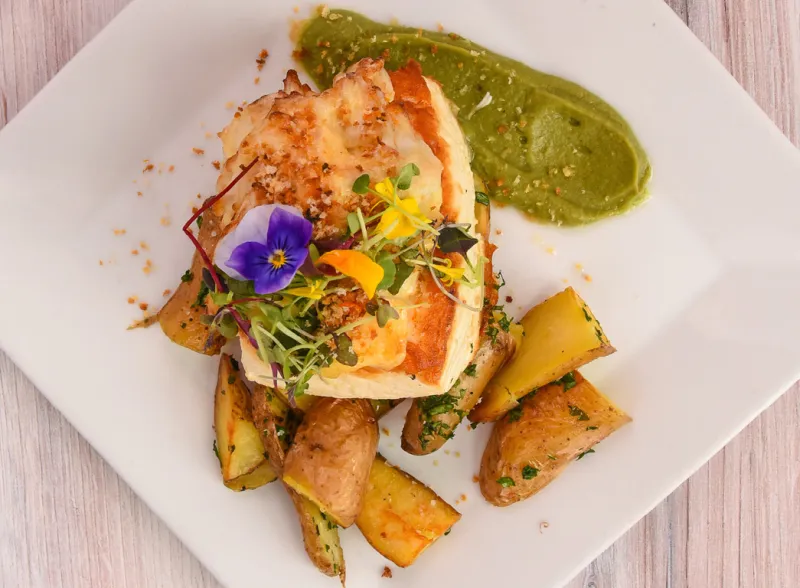
In fusion cuisine, presentation is just as important as taste. By combining local flavors with international techniques, chefs can experiment with unique plating styles. For instance, a tapas-style dish of Mexican tacos might be plated with a modernist twist, using techniques like deconstruction or edible foam to reinterpret the dish’s visual presentation.
The goal is to blend the familiar and the unfamiliar, creating dishes that are both visually appealing and conceptually exciting. The artistic presentation of a dish can elevate a fusion meal, making it feel like a journey through diverse culinary worlds.
2.3 The Importance of Balance
Balance is a crucial aspect of successful fusion cuisine. Blending local ingredients with international techniques is an opportunity to highlight the natural flavors of a region’s produce while also introducing new elements. It’s important that the international techniques do not overpower the local flavors but instead enhance and elevate them.
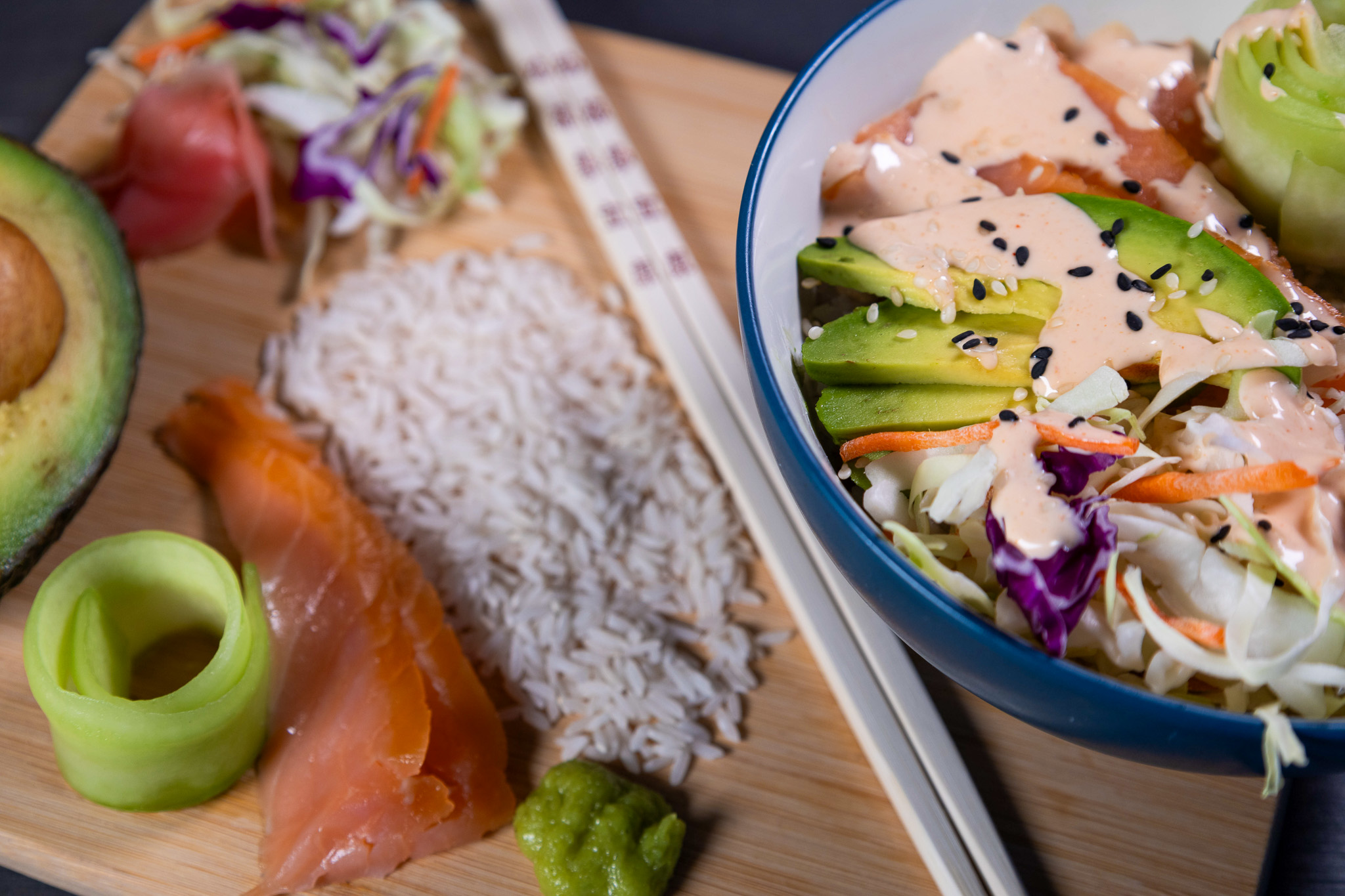
For example, using the Japanese technique of sushi rolling with fresh local fish and Mexican guacamole can be a delightful surprise when balanced correctly. The sushi rice should complement the richness of the guacamole, while the freshness of the fish should shine through.
Section 3: Examples of Successful Fusion Cuisine
3.1 Asian Fusion: Bridging East and West
The rise of Asian fusion cuisine has brought together traditional flavors from China, Japan, Thailand, and India, blended with European culinary techniques. For example, Thai curry paired with French-style sauces or sushi with a Mediterranean twist has become popular in many fine-dining establishments around the world.
The use of French techniques, such as sous-vide, has revolutionized the preparation of Asian ingredients, particularly in dishes like sous-vide beef served with miso butter or ramen with slow-cooked egg. These kinds of fusion dishes marry precision cooking with bold, exotic flavors, resulting in a unique and memorable culinary experience.
3.2 Latin American and European Fusion
Another successful example of local flavors combined with international techniques is the fusion of Latin American cuisine with European techniques. Mexican tacos or Brazilian feijoada (a traditional black bean stew) can be reimagined by applying techniques like pressure cooking (which was popularized in French kitchens) or smoking (a common practice in American barbecue culture).
A prime example is ceviche, a classic Peruvian dish made of raw fish marinated in citrus juices, which can be paired with modernist techniques such as liquid nitrogen to freeze the citrus broth into a unique, interactive texture. This blending of traditional Latin flavors with high-end culinary practices allows for both innovation and respect for cultural heritage.
3.3 Mediterranean and Middle Eastern Fusion
The Mediterranean and Middle Eastern cuisines have also seen successful combinations with international cooking techniques. The use of olive oil, herbs, and grains in Mediterranean cooking pairs well with modern techniques like molecular gastronomy. Dishes such as Hummus with liquid olive oil spheres or stuffed grape leaves with a twist of smoked flavors are examples of how chefs are reimagining classic regional dishes with contemporary techniques.
Section 4: The Cultural and Ethical Considerations of Fusion Cuisine
4.1 The Ethics of Culinary Fusion
While fusion cuisine opens the door to creativity and innovation, it also raises important questions about cultural appropriation and the preservation of culinary traditions. Some critics argue that fusion cooking can sometimes dilute or misrepresent traditional dishes and their cultural significance.
It’s important for chefs to approach fusion cuisine with respect and sensitivity to the cultures they are drawing from. Educating consumers about the origins of the dishes and the local ingredients used ensures that fusion cuisine doesn’t just become a trend but a celebration of global flavors in a way that acknowledges and honors their roots.
4.2 Sustainability and Sourcing Ingredients
Sustainability is another key consideration when combining local ingredients with international cooking techniques. Sourcing ingredients locally not only supports the community but also ensures that the flavors remain fresh and true to their origins. Sustainable practices, such as seasonal sourcing and minimal food waste, are vital when blending regional ingredients with global methods.
Conclusion: The Future of Culinary Fusion
The blending of local flavors with international culinary techniques represents an exciting frontier in gastronomy, offering endless possibilities for chefs and food enthusiasts to explore. By respecting the roots of traditional cuisines while embracing innovation, fusion cuisine has the potential to bring new life to familiar dishes and introduce diners to fresh, diverse flavor profiles.
As global travel and the exchange of culinary knowledge continue to grow, we can expect even more exciting and unexpected combinations of local ingredients and international techniques. Whether at a fine-dining restaurant or a street food stall, gastronomy’s future will undoubtedly be a celebration of diversity, creativity, and collaboration.