








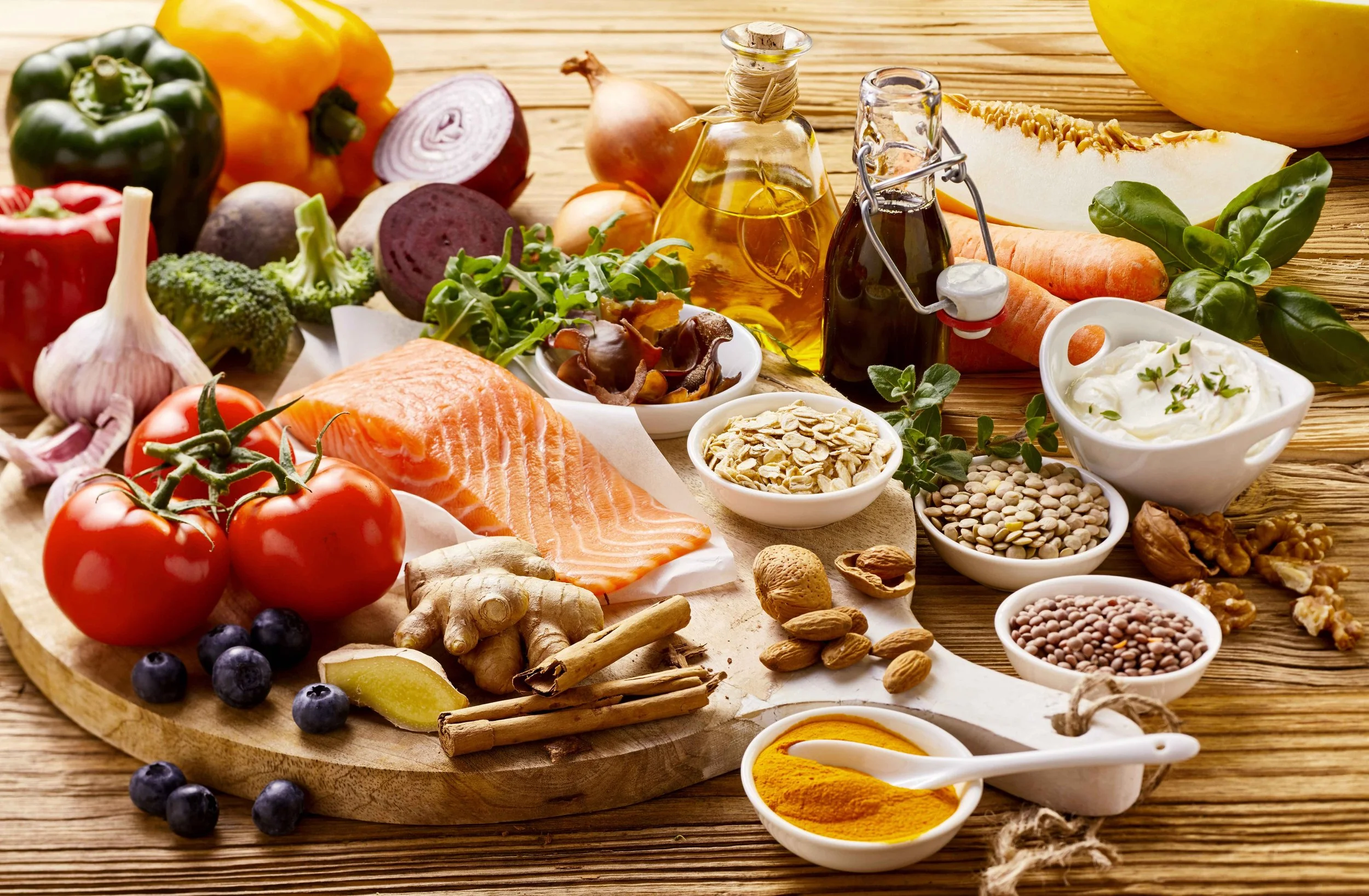

In the evolving landscape of gastronomy, a paradigm shift is taking place. Modern dining is no longer solely about taste or indulgence; it has become an interdisciplinary practice that integrates nutrition science, innovative food design, and meticulous traceability. Chefs, food scientists, and culinary institutions are increasingly adopting a holistic approach that ensures dishes are not only delicious but also nutritionally balanced, visually appealing, and ethically sourced. This comprehensive focus is reshaping the culinary industry, consumer expectations, and even food production systems worldwide.
1. The Rise of Nutrition-Focused Cuisine
1.1 Beyond Calories: Nutritional Science in the Kitchen
Historically, food was primarily evaluated by taste, cultural significance, and availability. Nutritional considerations were secondary, often limited to macronutrient counting or addressing public health concerns such as malnutrition. However, modern consumers are increasingly health-conscious, prompting chefs and food scientists to prioritize nutrient density, functional ingredients, and balanced diets.
Today, nutrition-focused cuisine emphasizes:
- Macronutrient Optimization: Balancing proteins, fats, and carbohydrates to support metabolic health.
- Micronutrient Richness: Incorporating vitamins, minerals, and bioactive compounds that contribute to immunity, cognitive function, and longevity.
- Functional Ingredients: Leveraging foods with proven health benefits, such as fermented products for gut health or plant-based antioxidants for cardiovascular wellness.
A prime example is the integration of superfoods into fine dining menus, where kale, quinoa, and turmeric are creatively reimagined into haute cuisine dishes, maintaining both aesthetic and nutritional value.
1.2 Personalized Nutrition and Culinary Innovation
With advances in nutrigenomics, chefs now have access to insights about how individual genetic profiles influence dietary needs. Restaurants are beginning to offer personalized menus that consider genetic predispositions, allergies, and lifestyle factors. These menus go beyond generic “healthy options,” offering guests scientifically tailored meals that optimize wellness outcomes.
In practice, this might manifest as:
- Customizable macronutrient ratios for athletes, office workers, or seniors.
- Incorporation of adaptogens or anti-inflammatory ingredients based on personal biomarkers.
- Dynamic meal plans that adjust flavor profiles according to seasonal produce availability and individual nutritional requirements.
This shift represents a fundamental change in the culinary profession: chefs are no longer just artists—they are increasingly health strategists, merging gastronomic creativity with scientific rigor.
2. Culinary Design: The Art and Science of Edible Aesthetics
2.1 Visual Storytelling on the Plate
The concept of food design extends beyond plating aesthetics. It encompasses a holistic approach that fuses visual appeal, sensory engagement, and narrative storytelling. The modern diner seeks an immersive experience: the meal must satisfy not only taste but sight, smell, and even psychological expectation.
- Color Psychology: Different hues can influence appetite, perception of freshness, and emotional response. For instance, green and red are commonly associated with healthfulness and flavor intensity, respectively.
- Texture Engineering: Contrasting textures, such as creamy elements paired with crisp garnishes, enhance mouthfeel and engagement.
- Plating Composition: Strategic placement of ingredients creates visual balance and highlights core flavors while guiding diners through a sensory journey.
Chefs collaborate with designers, visual artists, and even psychologists to ensure each dish is not only nutritionally optimized but also visually and emotionally compelling.
2.2 Molecular Gastronomy and Sensory Innovation
Molecular gastronomy exemplifies the intersection of design, science, and culinary artistry. Through techniques like spherification, foaming, and flash freezing, chefs create dishes that challenge traditional perceptions of food. For instance:
- Edible Textures: Transforming liquids into spheres that burst in the mouth, enhancing flavor release and multisensory engagement.
- Flavor Pairing Algorithms: Using scientific analysis to combine ingredients based on shared chemical compounds, producing harmonious yet unexpected taste profiles.
- Interactive Dining Experiences: Dishes that change flavor or aroma when combined with specific elements at the table, engaging diners in participatory storytelling.
By leveraging these techniques, chefs can design meals that are not only nutritionally balanced but also memorable multisensory experiences, redefining modern dining.

3. Traceability: Transparency in the Supply Chain
3.1 The Ethics and Importance of Traceable Ingredients
Traceability in food production ensures that every ingredient can be tracked from farm to table. Modern consumers demand transparency—not only for ethical reasons but also for health and quality assurance. Traceability addresses:
- Food Safety: Ensuring that products are free from contaminants, pathogens, or adulterants.
- Ethical Sourcing: Guaranteeing fair labor practices and sustainable farming methods.
- Authenticity Verification: Preventing fraud in luxury food markets, such as olive oil, honey, or seafood.
Blockchain technology is revolutionizing traceability by providing immutable records of the entire supply chain. This allows restaurants and consumers to verify origin, handling, and processing practices, fostering trust and accountability.
3.2 Integrating Traceability into Gastronomy
High-end restaurants now use traceable ingredients not only as a safety measure but also as a storytelling tool. For example:
- A plate of salmon may include QR codes linking to the exact farm and environmental conditions of its rearing.
- Specialty produce like heirloom tomatoes may carry detailed lineage and seasonal data to highlight heritage and sustainability practices.
- Wine pairings can include vineyard maps, soil data, and fermentation logs, enriching the dining experience while reinforcing transparency.
Traceability reinforces the connection between nutrition, design, and ethical responsibility, creating a culinary ecosystem where every choice is deliberate and informed.
4. Integrating Nutrition, Design, and Traceability in Culinary Practice
4.1 Menu Engineering with a Holistic Approach
Modern chefs increasingly adopt menu engineering strategies that integrate all three pillars—nutrition, design, and traceability. This involves:
- Data-Driven Ingredient Selection: Choosing ingredients based on nutrient profiles, sustainability scores, and sensory potential.
- Dynamic Menu Optimization: Adapting offerings seasonally or based on supply chain data to maximize freshness, nutritional content, and consumer engagement.
- Story-Centric Dishes: Crafting narratives that connect the diner to the source, history, and science behind each ingredient.
For instance, a dish might feature local heritage grains, paired with seasonal vegetables sourced from traceable farms, plated with visually striking compositions that reflect both the region and culinary inspiration.
4.2 Technology-Enhanced Culinary Practices
Technology facilitates the integration of nutrition, design, and traceability:
- Digital Nutritional Analysis: Software platforms allow chefs to calculate precise macronutrient and micronutrient content in real time.
- 3D Food Printing: Enables precise layering of ingredients, creating intricate designs while controlling portion size and nutritional composition.
- AI-Assisted Ingredient Pairing: Machine learning models suggest novel combinations based on flavor profiles, health benefits, and aesthetic considerations.
These innovations empower chefs to experiment confidently, ensuring that creativity does not compromise nutritional integrity or ethical sourcing.
5. Case Studies in Modern Culinary Excellence
5.1 Michelin-Starred Restaurants Leading the Way
Some Michelin-starred restaurants exemplify the integration of these three pillars. For example:
- Noma (Copenhagen): Prioritizes local, seasonal ingredients with traceable provenance. Its menu highlights nutrient-rich foraged items and intricate plating inspired by Nordic nature.
- Eleven Madison Park (New York): Employs personalized nutrition data to accommodate dietary needs, using molecular gastronomy to elevate presentation without sacrificing health value.
5.2 Research Institutions Collaborating with Culinary Experts
Partnerships between research institutions and restaurants are accelerating innovation:
- Nutritional Genomics Labs: Collaborate with chefs to design menus tailored to genetic profiles, enhancing personalized health outcomes.
- Sustainable Agriculture Research Centers: Provide traceable, ethically sourced ingredients to high-end kitchens, ensuring food quality and ecological responsibility.
These collaborations exemplify how science, ethics, and culinary artistry can converge to redefine dining experiences.
6. Consumer Trends and Market Implications
6.1 Rising Demand for Transparency and Health
Consumers are increasingly demanding:
- Ingredient Transparency: Clear labeling, traceable sourcing, and ethical practices.
- Health-Centric Choices: Menus emphasizing whole foods, balanced nutrition, and functional ingredients.
- Experiential Dining: Restaurants that combine visual, sensory, and narrative elements into the eating experience.
6.2 Economic and Industry Impacts
The integration of nutrition, design, and traceability has reshaped industry practices:
- Premium Pricing Models: High-value dining experiences justify investment in traceable, nutrient-rich, and visually sophisticated dishes.
- Supply Chain Innovation: Farms, distributors, and tech providers collaborate to meet demand for transparency and ethical sourcing.
- Skill Development: Culinary schools increasingly teach nutrition science, food design, and supply chain management alongside traditional techniques.
This trend underscores the evolving role of chefs as multidisciplinary professionals navigating science, art, and ethics simultaneously.
7. Future Directions in Holistic Gastronomy
The future of gastronomy is likely to focus on three key developments:
- Hyper-Personalization: AI-driven meal planning that adapts dishes to individual health profiles, preferences, and environmental considerations.
- Sustainable Culinary Ecosystems: Greater integration of renewable energy, circular food systems, and zero-waste practices to complement nutrition and design objectives.
- Immersive Digital Experiences: AR/VR dining environments that communicate nutritional value, sourcing stories, and artistic intent in real time.
These trends suggest that gastronomy will continue to transcend traditional boundaries, becoming a domain where science, art, and ethics converge seamlessly.
Conclusion
The modern culinary landscape is defined by the intersection of nutrition, design, and traceability. This holistic approach transforms dining from a mere act of consumption into an immersive, health-conscious, and ethically informed experience. Chefs are no longer just artisans—they are innovators, scientists, and storytellers who leverage technology, research, and ethical sourcing to craft meals that are beautiful, nutritious, and transparent.
As consumers increasingly value health, aesthetics, and responsibility, the restaurants and chefs who successfully integrate these principles will set the standard for the future of gastronomy. In doing so, they not only elevate the culinary profession but also foster a culture of mindful eating, sustainability, and multisensory engagement—truly redefining what it means to dine in the 21st century.