








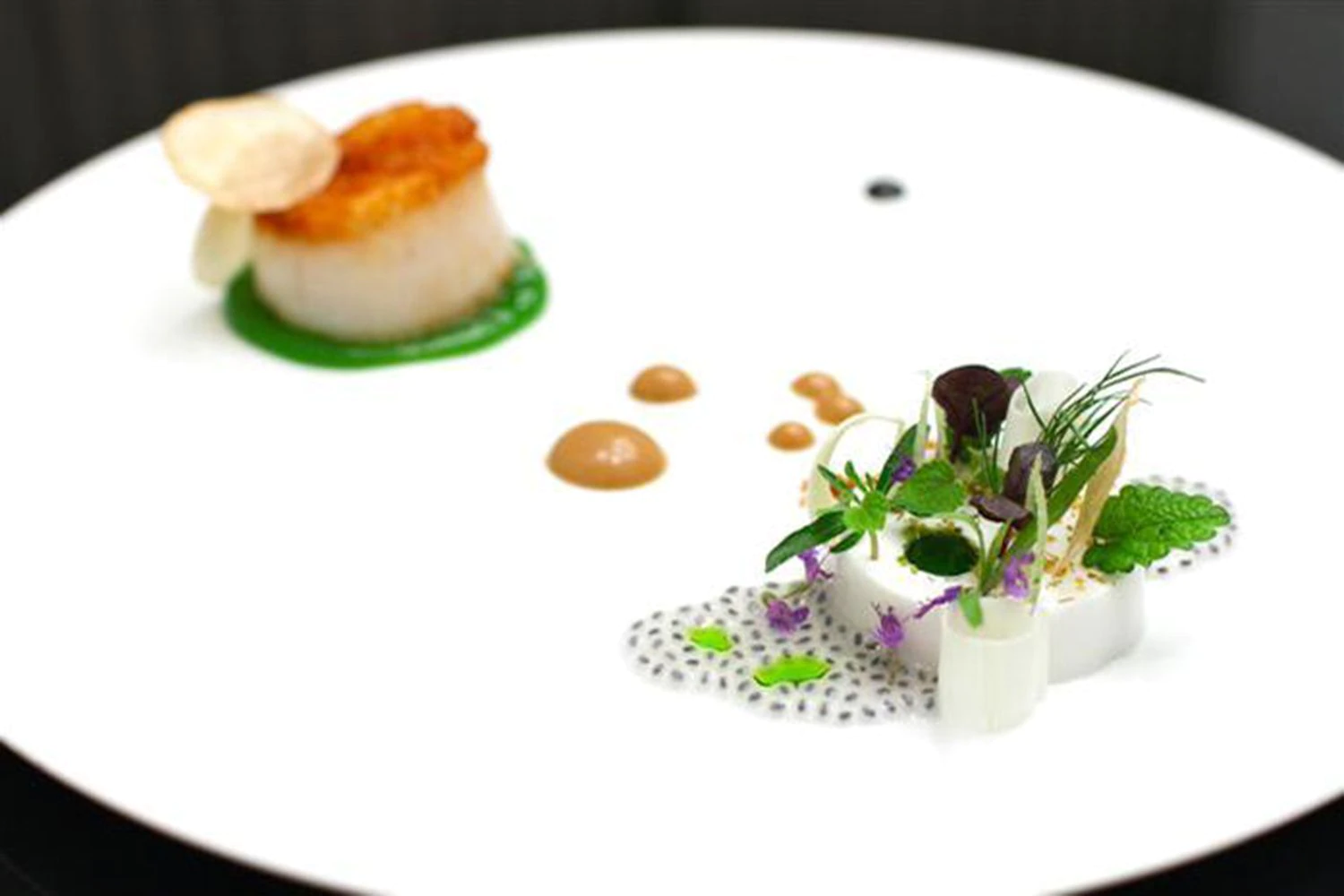

In contemporary gastronomy, the act of dining has evolved far beyond simply satisfying hunger. Increasingly, restaurants and culinary innovators are transforming meals into interactive, participatory experiments, where guests are not merely observers but active contributors to the creation, perception, and evaluation of food. This paradigm shift—where dining intersects with science, psychology, and art—challenges traditional notions of taste, presentation, and even social engagement at the table.
This article explores how experimental dining is redefining the role of the diner, the underlying scientific and artistic principles, and the broader cultural implications of turning a meal into an interactive laboratory.
The Emergence of Experimental Dining
Experimental dining is part of a larger movement in gastronomy known as avant-garde or progressive cuisine, which includes subfields like molecular gastronomy, sensory gastronomy, and experiential dining. These culinary innovations challenge traditional expectations by incorporating:
- Scientific Techniques: Chefs employ methods from chemistry and physics, such as spherification, foaming, and flash-freezing, to create textures and flavors that defy conventional cooking.
- Interactive Participation: Guests are invited to engage with the preparation process, manipulate ingredients, or influence the final presentation of the dish.
- Multisensory Engagement: Dining experiments often stimulate multiple senses—sight, smell, sound, touch, and taste—simultaneously, creating a holistic experience.
Unlike traditional fine dining, where the chef controls every aspect of the meal, experimental dining transforms the table into a living laboratory, emphasizing the relational and performative aspects of food.
Scientific Foundations: Gastronomy Meets Experimentation
At the core of experimental dining lies a scientific understanding of how humans perceive and process food. This approach often draws from disciplines such as:
- Sensory Science: The study of taste, aroma, texture, and appearance helps chefs design dishes that manipulate perception. For instance, altering plate color or background music can measurably influence perceived sweetness or saltiness.
- Cognitive Psychology: Understanding how expectation, memory, and novelty affect flavor perception enables chefs to surprise or delight diners intentionally.
- Food Chemistry and Molecular Techniques: Techniques such as spherification, emulsification, and gelification allow chefs to deconstruct and reconstruct familiar ingredients, challenging diners’ expectations.
Experimental dining thus operates at the intersection of art and science, transforming each meal into a controlled yet unpredictable exploration of human sensory and cognitive responses.
Participatory Dining: The Guest as a Co-Creator
A defining feature of experimental dining is active guest participation. Rather than passively consuming dishes, diners contribute to the outcome through decisions, actions, and reactions. Common participatory approaches include:
- Ingredient Choice and Customization: Guests may select elements, seasoning, or textures, influencing the final flavor and appearance.
- Interactive Preparation: Tableside cooking, assembly, or even small chemical reactions allow diners to witness and affect transformations.
- Sensory Experiments: Blind tastings, aroma pairing, or flavor layering experiments invite guests to analyze their own perceptions and compare with others.
This co-creative process enhances engagement, fosters personal connection to the meal, and emphasizes the social dimension of experimental gastronomy. Guests leave not only with a culinary experience but also with an enriched understanding of food science and perception.
Case Studies in Experimental Dining
1. Molecular Gastronomy Laboratories
Restaurants like elBulli (Spain) and Alinea (Chicago) pioneered the use of molecular gastronomy to create sensory experiments at the table. Guests are presented with dishes where flavors, textures, and temperatures challenge traditional categories. For example:
- Edible foams convey intense flavors without adding heaviness.
- Spherified liquids burst in the mouth, altering both texture and temporal flavor perception.
- Dishes may arrive with instructions for final assembly, engaging diners in scientific-like procedures.
2. Sensory Deprivation and Enhancement
Certain establishments experiment with environmental variables to modify taste perception. Techniques include:
- Blindfolded Tasting: Heightens taste and smell sensitivity.
- Soundscapes: Background music or environmental sounds influence perception of sweetness, bitterness, or umami.
- Lighting and Color: Plate color or ambient light affects perceived flavor intensity.
These experiments underscore that dining is not only a matter of flavor but a complex, multisensory cognitive process.
3. Experimental Pop-Ups and Immersive Experiences
Pop-up restaurants often design time-limited, experimental dining experiences that integrate performance art, storytelling, and interactive science. For example:
- Guests may navigate multiple stations, each offering different sensory challenges.
- Ingredients are presented in unconventional formats, encouraging experimentation.
- Collaborative tasting exercises invite diners to rate, mix, and comment on flavors, providing real-time data to chefs.
These pop-ups exemplify how dining can evolve into a participatory, knowledge-generating process, blurring the line between guest and researcher.
Designing the Dining Experiment
Transforming a meal into an experimental experience requires careful planning. Key design considerations include:
- Objective Definition: What is the goal of the experiment? Examples include exploring flavor perception, texture contrast, or cultural reinterpretation of traditional dishes.
- Controlled Variables: Elements such as ingredient ratios, temperature, and presentation must be controlled to produce measurable effects.
- Participant Experience: Experiments must balance rigor with enjoyment. Overly complex or intimidating setups risk alienating diners.
- Feedback Mechanisms: Data collection through tasting notes, surveys, or interactive digital interfaces allows chefs to refine techniques and understand audience reactions.
Effective design ensures that experimental dining remains both scientifically interesting and gastronomically enjoyable.
Impacts on Culinary Education and Innovation
Experimental dining extends beyond entertainment, influencing culinary education and innovation:
- Skill Development: Participatory experiences teach diners about flavor balancing, ingredient chemistry, and culinary techniques.
- Innovation in Menu Design: Insights gained from interactive experiments help chefs develop novel dishes and refine recipes.
- Cultural Exploration: Guests learn about global cuisines in a hands-on, immersive way, promoting cross-cultural culinary literacy.
By treating diners as active participants, experimental gastronomy fosters a collaborative approach to culinary learning and creativity.
Challenges and Ethical Considerations
While experimental dining offers tremendous potential, it also presents challenges:
- Safety and Hygiene: Participatory preparation or chemical techniques must adhere to strict safety protocols.
- Accessibility: Highly interactive or cognitively demanding experiences may not be suitable for all diners.
- Cultural Sensitivity: Transforming traditional dishes into experiments requires respect for cultural heritage to avoid trivialization.
- Expectation Management: Guests may anticipate entertainment, novelty, and flavor satisfaction simultaneously, creating tension between artistic and culinary objectives.
Addressing these challenges requires a balance between innovation, ethics, and accessibility.
The Future of Experimental Dining
The future promises further integration of technology, science, and participatory experiences in dining:
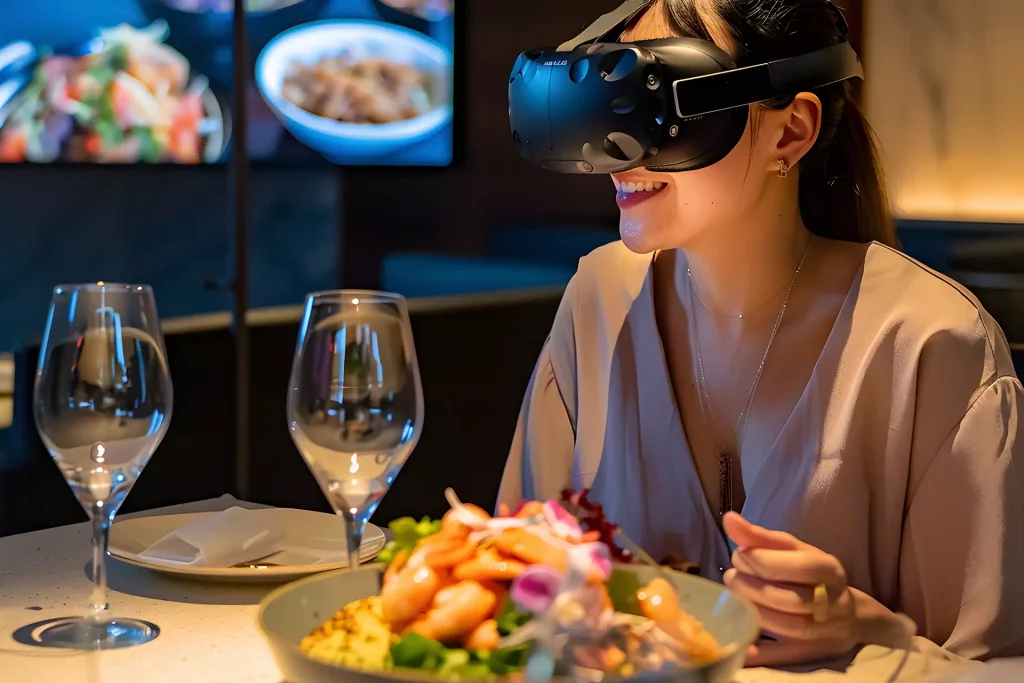
- Digital and AR Integration: Augmented reality can overlay flavor instructions, visual guides, or narrative storytelling on dishes.
- AI-Driven Personalization: Artificial intelligence could tailor tasting experiments to individual sensory profiles, dietary restrictions, and flavor preferences.
- Global Collaboration: Diners from different regions may participate simultaneously in virtual experiments, comparing sensory responses and preferences.
- Sustainability-Focused Experiments: Chefs may use participatory dining to explore sustainable sourcing, zero-waste cooking, and plant-based innovations.
As these developments unfold, the role of the diner as an active participant, co-creator, and experimental contributor will become increasingly central to modern gastronomy.
Conclusion
Turning dining into an experimental experience fundamentally redefines the relationship between chefs and guests. No longer passive consumers, diners become collaborators, researchers, and co-creators, engaging directly with the science, art, and psychology of food. Through participatory design, sensory manipulation, and scientific techniques, meals evolve into immersive laboratories where perception, creativity, and culture intersect.
Experimental dining not only elevates gastronomy to a multidisciplinary field but also empowers diners to engage actively with food, fostering curiosity, learning, and shared innovation. As technology and culinary science advance, the dinner table itself becomes a site of discovery—a space where each bite contributes to an ongoing experiment in taste, perception, and human experience.
Dining is no longer merely sustenance; it is exploration, collaboration, and participation.