








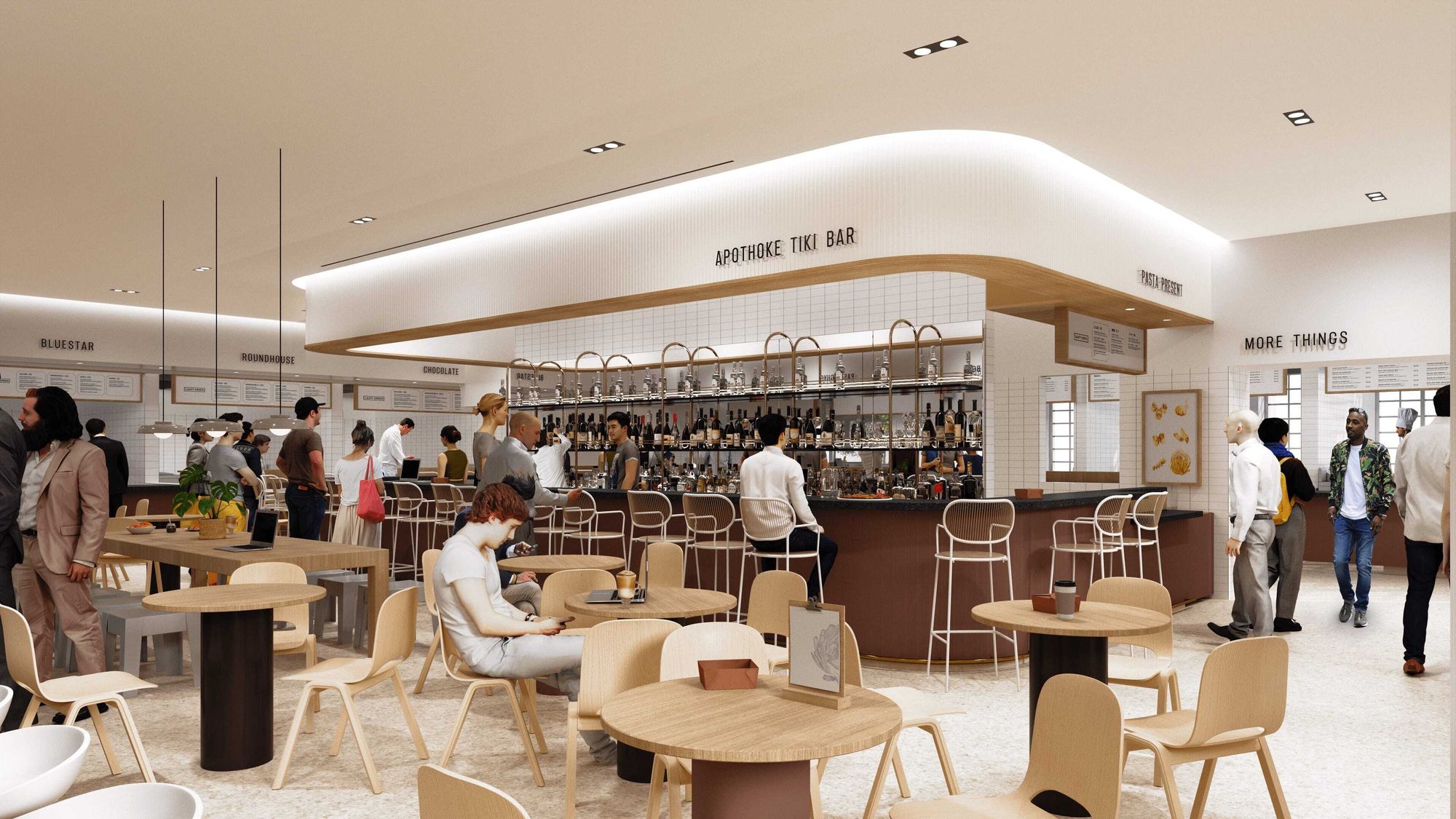

The line between restaurants and retail has been increasingly blurred over the past decade. Changing consumer behaviors, technological advancements, and innovative business models have created a landscape in which dining, shopping, and culinary experiences intersect. From hybrid spaces that combine dine-in services with retail shelves to digital platforms offering direct-to-consumer meal kits, the traditional definitions of “restaurant” and “retail” are no longer rigid.
This article explores the forces driving this convergence, examines key models and innovations, analyzes implications for consumers and businesses, and discusses future trends in a rapidly evolving culinary ecosystem.
1. The Evolution of Restaurants and Retail
1.1 Traditional Distinctions
Historically, restaurants and retail operated in distinct domains:
- Restaurants: Focused on prepared meals, dine-in or takeout services, and experiential consumption.
- Retail: Focused on packaged goods, groceries, and home consumption, often emphasizing volume, convenience, and price competition.
These sectors rarely overlapped beyond occasional branded packaged products or merchandising. Restaurants relied on in-person dining experiences, while retail focused on self-service and standardized products.
1.2 Early Crossovers
Initial signs of convergence appeared in the late 20th century:
- Bakery-cafés combined on-site dining with packaged pastries for retail sale.
- Coffee chains like Starbucks expanded from beverages to retail merchandise, packaged beans, and accessories.
- Fast-food chains began selling branded sauces, frozen meals, and condiments in supermarkets.
These early examples demonstrated that consumers were willing to engage with culinary brands beyond traditional dining contexts, paving the way for more integrated models.
2. Drivers of the Restaurant-Retail Convergence
2.1 Consumer Behavior Shifts
Modern consumers demand flexibility, convenience, and personalized experiences:
- Increased preference for takeout, delivery, and ready-to-eat products.
- Interest in premium, artisanal, or branded foods for home consumption.
- Desire for omnichannel access to favorite culinary brands.
Restaurants have responded by offering packaged goods, subscription meal kits, and digital ordering platforms that bridge the gap between dining out and home cooking.
2.2 Technological Innovation
Technological advancements have accelerated convergence:
- E-commerce platforms enable direct-to-consumer sales of restaurant-branded products.
- Digital ordering and delivery apps integrate restaurant and retail offerings, often featuring grocery items, meal kits, and ready-to-eat meals.
- Ghost kitchens and cloud kitchens allow restaurants to produce retail-ready meals alongside traditional delivery operations.
Technology empowers restaurants to expand their market reach, monetize brand loyalty, and optimize inventory management across multiple channels.
2.3 Brand and Marketing Strategies
Culinary brands increasingly recognize the value of multi-channel engagement:
- Packaging signature sauces, spices, or condiments creates retail visibility.
- Branded merchandise reinforces identity and builds consumer loyalty.
- Collaborations with supermarkets, specialty stores, or online marketplaces enhance accessibility and revenue diversification.
3. Hybrid Models: Case Studies
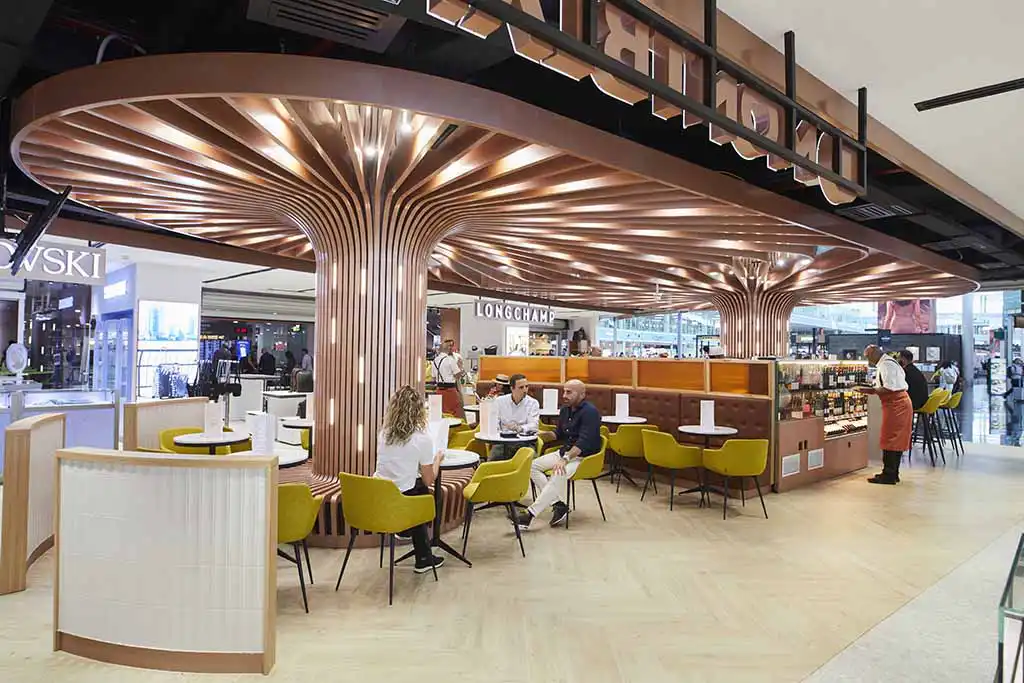
3.1 In-Store Retail Integration
Many restaurants now incorporate retail elements into their physical spaces:
- Cafés and bakeries offer packaged coffee beans, baked goods, and kitchenware.
- Casual dining chains feature grab-and-go counters with pre-packaged meals or signature ingredients.
- Fine-dining establishments sell proprietary sauces, spice blends, or wine selections, merging experiential dining with retail commerce.
This model strengthens brand presence and provides additional revenue streams while enhancing customer experience.
3.2 Meal Kits and Subscription Models
Restaurants have embraced home cooking solutions:
- Subscription boxes featuring pre-portioned ingredients and recipe instructions allow consumers to recreate restaurant dishes at home.
- Ready-to-cook or frozen meals provide convenience without sacrificing brand quality.
- Digital platforms enable recurring orders, leveraging data to personalize menus and optimize inventory.
Meal kits represent a direct link between restaurant expertise and retail distribution, blurring the line between eating out and home dining.
3.3 Ghost Kitchens and Retail Partnerships
Ghost kitchens—facilities producing food exclusively for delivery—enable:
- Multi-brand operations, combining traditional restaurant menus with retail-ready products.
- Collaborative ventures with grocery chains, offering packaged meals under restaurant branding.
- Efficient use of urban real estate by focusing on production and distribution rather than dine-in capacity.
These models illustrate the flexibility of modern culinary operations in catering to both traditional diners and home consumers.
4. Impact on Consumers
4.1 Convenience and Accessibility
Hybrid models allow consumers to:
- Access restaurant-quality meals at home.
- Combine grocery shopping with prepared food purchases.
- Experience multi-brand culinary offerings without multiple store visits.
Consumers increasingly expect seamless integration of dining, shopping, and delivery, and hybrid models respond directly to these expectations.
4.2 Enhanced Choice and Personalization
Data-driven retail and restaurant platforms offer:
- Personalized recommendations based on purchase history, dietary preferences, and geographic location.
- Curated meal kits or ready-to-eat products reflecting seasonal availability or trending cuisines.
- Loyalty programs and promotions that reward cross-channel engagement.
Personalization strengthens brand affinity and customer satisfaction, encouraging repeat consumption across multiple touchpoints.
4.3 Experiential Consumption
Hybrid spaces transform the consumer journey from purely functional to experiential:
- Tasting stations for packaged products within a restaurant.
- Interactive cooking demonstrations tied to retail products.
- Digital apps guiding consumers through multi-location culinary routes.
This blend of dining, shopping, and engagement fosters emotional connections with culinary brands.
5. Implications for Businesses
5.1 Revenue Diversification
Combining retail and restaurant offerings reduces reliance on a single revenue stream:
- Seasonal or branded packaged products offset fluctuations in dine-in traffic.
- Subscription meal kits and online sales generate recurring revenue.
- Strategic partnerships with retailers expand geographic reach.
5.2 Supply Chain and Operational Efficiency
Hybrid models require integration across production, distribution, and inventory:
- Shared kitchens, packaging facilities, and logistics networks reduce overhead.
- Data analytics predict demand for both dine-in and retail products.
- Streamlined operations enable rapid adaptation to consumer trends and market conditions.
5.3 Branding and Market Positioning
Hybrid strategies enhance brand equity:
- Retail presence reinforces recognition and authority.
- Multi-channel engagement cultivates loyalty and trust.
- Innovative offerings position brands as both culinary leaders and lifestyle influencers.
6. Challenges and Considerations
6.1 Quality Consistency
Maintaining product quality across retail and restaurant channels is crucial:
- Packaging and shelf-life considerations must preserve flavor and freshness.
- Meal kits or frozen items must replicate restaurant standards.
- Staff training and production protocols ensure uniformity across locations.
6.2 Brand Identity and Customer Expectations
Hybrid models risk diluting brand identity if not carefully managed:
- Over-commercialization may alienate loyal diners.
- Retail adaptations of gourmet products must balance accessibility with authenticity.
- Messaging and marketing must clarify the relationship between dine-in experiences and retail offerings.
6.3 Regulatory Compliance
Operating across retail and restaurant sectors involves complex regulatory requirements:
- Food safety, labeling, and traceability standards differ between fresh, frozen, and packaged products.
- Online sales and cross-border distribution add layers of compliance complexity.
- Liability management and insurance coverage must address multi-channel operations.
7. Global Examples of Restaurant-Retail Convergence
7.1 Starbucks
- Blends coffeehouse experiences with packaged beans, ready-to-drink beverages, and branded merchandise.
- Maintains global retail presence through supermarkets, convenience stores, and online platforms.
- Integrates loyalty programs and mobile apps for personalized recommendations and promotions.
7.2 Shake Shack
- Offers frozen versions of signature burgers, shakes, and sauces in supermarkets.
- Collaborates with grocery retailers for seasonal product launches.
- Maintains strong dine-in experience while expanding home consumption options.
7.3 Eataly
- Combines high-end dining with retail groceries, artisanal products, and cooking workshops.
- Provides curated culinary experiences that reinforce Italian food culture.
- Serves as a model for immersive hybrid spaces blending restaurant and retail elements.
8. Future Trends in Restaurant-Retail Integration
8.1 Hyper-Personalized Culinary Experiences
- AI-driven apps suggest products and dishes tailored to individual preferences.
- Real-time data enables adaptive promotions, meal kits, and delivery options.
- Predictive analytics optimize inventory and minimize waste, enhancing sustainability.
8.2 Technology-Enabled Retail Expansion
- Smart packaging and QR codes provide interactive recipe guidance or sourcing information.
- AR and VR experiences allow consumers to explore culinary products virtually before purchase.
- Cloud kitchens and robotic automation streamline hybrid production processes.
8.3 Sustainability and Ethical Practices
- Local sourcing for both dine-in and retail products reduces carbon footprint.
- Eco-friendly packaging reinforces environmental commitment and brand values.
- Consumer education on sustainable consumption strengthens brand loyalty.
8.4 Culinary Tourism and Experiential Retail
- Hybrid models support immersive experiences, combining tasting, shopping, and educational workshops.
- Multi-channel offerings attract both local residents and international tourists.
- Culinary destinations increasingly integrate retail, dining, and interactive experiences.
9. Conclusion
The boundary between restaurants and retail is increasingly fluid, driven by changing consumer expectations, technological innovation, and strategic business experimentation. Hybrid models, including meal kits, packaged products, ghost kitchens, and multi-use spaces, redefine the culinary ecosystem, enabling brands to engage consumers across multiple touchpoints.
For businesses, this convergence offers opportunities for revenue diversification, brand reinforcement, and operational efficiency. For consumers, it provides convenience, personalization, and immersive culinary experiences.
As the industry continues to evolve, successful restaurants will integrate dining, retail, and digital channels seamlessly, fostering a holistic culinary ecosystem that enhances both brand loyalty and consumer satisfaction. The future of food is hybrid, connected, and increasingly adaptable to the demands of a globalized, digitally empowered world.