









Introduction: The Intersection of Science and Culinary Art
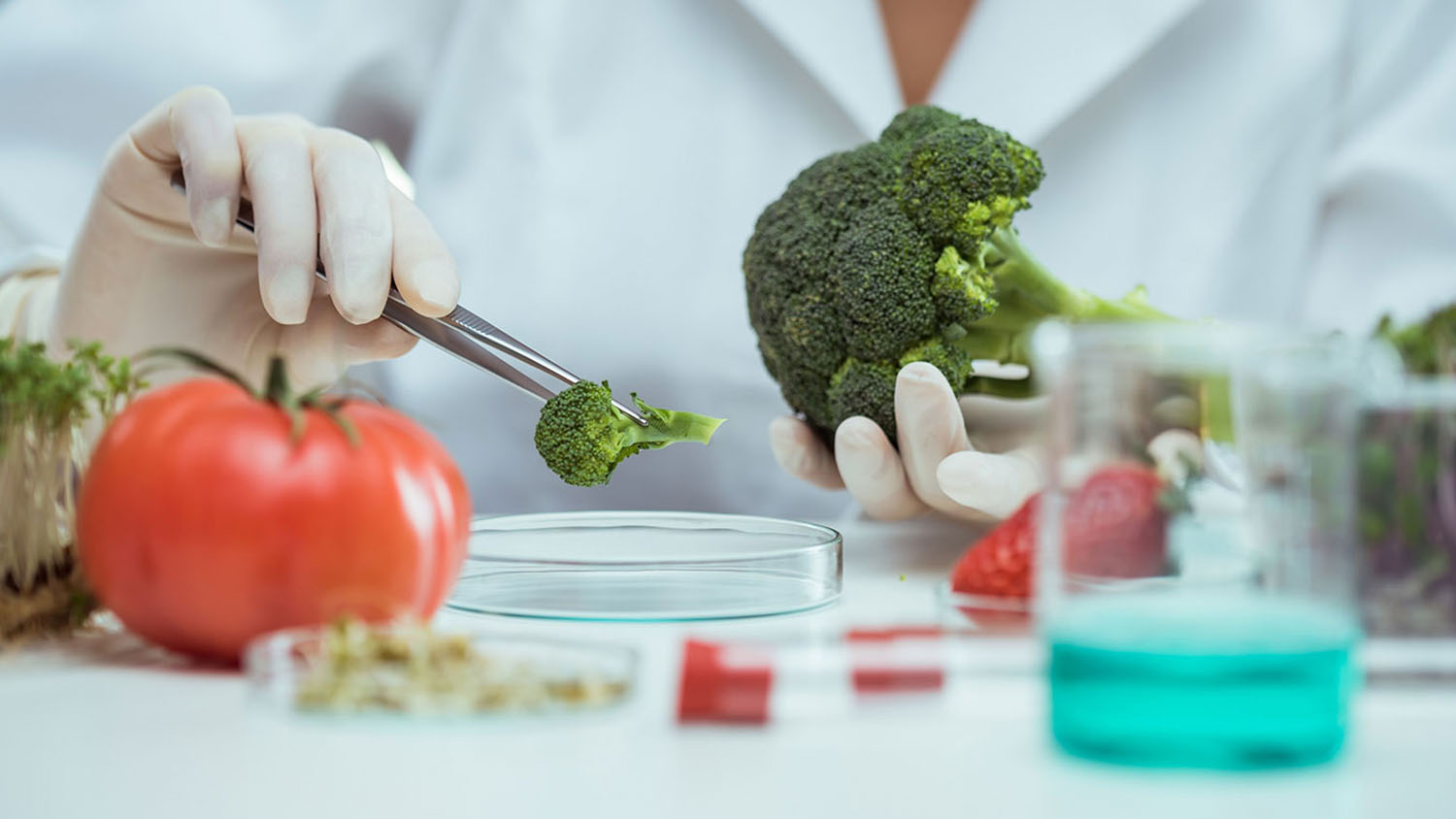
In recent years, the kitchen has evolved beyond a mere space for preparing food—it has become a research laboratory where chefs and scientists collaborate to explore and manipulate the science of flavor. Just as chemists study molecules in laboratories, modern chefs experiment with the chemical and physical properties of ingredients to create innovative and unforgettable taste experiences. What was once an art of flavor discovery passed down through generations is now increasingly driven by science, technology, and innovation.
The concept of the kitchen as a flavor research lab reflects the growing role of culinary science in high-end restaurants, food innovation hubs, and experimental kitchens worldwide. As culinary professionals experiment with new ingredients, techniques, and technologies, the boundaries of flavor—what we taste, how we taste it, and how we experience food—are being constantly redefined. This intersection of cooking and science allows chefs to explore new sensory landscapes, produce novel textures, and even tailor flavors to individual preferences.
In this article, we will explore how kitchens are evolving into flavor research labs, the role of culinary science in this transformation, and the implications for the future of food. From the chemistry of taste to the technology of cooking, the kitchen is now a space where creativity and scientific rigor come together to advance the future of flavor.
Section I — The Evolution of Flavor and Cooking Techniques
1. The Traditional Art of Cooking: A Historical Perspective
For centuries, cooking has been viewed primarily as an art. Early culinary traditions were passed down through families, and regional recipes became deeply tied to cultural identity. Flavor combinations were discovered through trial and error, and chefs relied heavily on their intuition and experience to craft dishes that delighted the palate.
From the Ancient Greeks and Romans, who began to catalog flavor profiles of herbs and spices, to the French culinary tradition of the 17th century, which established the foundation of modern haute cuisine, flavor discovery was closely linked to cultural exchange and the innovation of cooking techniques. The chemistry of flavor was largely unknown, and chefs would rely on sensory experience—smell, taste, and sight—to guide their cooking.
2. The Rise of Molecular Gastronomy
By the late 20th century, a new movement in culinary innovation emerged, fundamentally changing the way chefs approached flavor. Molecular gastronomy, coined by scientists Hervé This and Nicolas Kurti, brought scientific inquiry into the kitchen, encouraging chefs to look at food on a molecular level. This movement involved applying the principles of chemistry and physics to cooking, allowing chefs to manipulate food textures, flavors, and appearances in ways previously thought impossible.
Famous chefs like Ferran Adrià and Heston Blumenthal embraced molecular gastronomy techniques, experimenting with liquid nitrogen, foams, spherification, and gastronomic emulsions. These techniques allowed chefs to manipulate the physical properties of food, altering its taste, mouthfeel, and presentation. The molecular gastronomy movement marked the beginning of a scientific approach to flavor, as chefs started to treat their kitchens as laboratories where they could experiment with ingredients and cooking methods to achieve previously unattainable flavor profiles.
3. The Shift to Flavor as a Science
The shift toward treating the kitchen as a flavor research lab is rooted in the growing understanding of how flavors are formed, experienced, and perceived. The science of flavor—or gustation science—involves the study of the chemical compounds that create taste and aroma. It has become increasingly apparent that flavor is more than just the sum of ingredients—it is the result of complex chemical interactions between food molecules, sensory receptors, and even psychological factors.
This shift has led to collaborations between chefs and food scientists, with many fine dining restaurants now incorporating scientific methods to understand the subtleties of flavor. Chefs are increasingly relying on techniques such as gas chromatography, spectroscopy, and sensory analysis to break down the elements of flavor at a molecular level. By understanding the chemical composition of ingredients, chefs can manipulate flavors with precision, creating dishes that are not only innovative but scientifically optimized for taste and texture.
Section II — The Chemistry of Flavor: From Molecules to Taste
1. The Four Basic Tastes and Flavor Perception
Flavor is a complex combination of taste, smell, and mouthfeel, but it is primarily driven by the basic tastes that our tongues can perceive:
- Sweet
- Sour
- Salty
- Bitter
However, umami—often described as a savory or meaty taste—is now recognized as a fifth basic taste. These tastes are detected by specialized receptors on the tongue, and each has a distinct chemical signature. Sweetness typically comes from sugars, sourness from acids, saltiness from salts, and bitterness from bitter compounds like alkaloids. Umami is typically attributed to the presence of glutamates and nucleotides found in foods like tomatoes, cheese, and meats.
Beyond these basic tastes, the aroma of food plays a crucial role in flavor. The human sense of smell can detect thousands of different aromas, which combine with taste signals to create a multi-sensory flavor experience. Aromas are detected by olfactory receptors in the nasal cavity, and they significantly enhance the complexity and depth of flavors.
2. The Role of Chemistry in Flavor Creation
At the molecular level, flavor creation involves a complex array of chemical reactions. When heat is applied to food, chemical reactions such as Maillard browning and caramelization occur, creating new compounds that alter the flavor and color of food. For example, caramelization involves the breakdown of sugars at high temperatures, producing a rich, complex sweetness. The Maillard reaction, which occurs between amino acids and reducing sugars, produces umami-like flavors and brown pigments in roasted meats and baked goods.
Modern kitchens, viewed as flavor research labs, use this knowledge of chemistry to optimize flavor creation. Techniques such as precision cooking using sous-vide methods allow chefs to control temperature and time, creating perfectly balanced flavors without overcooking or losing essential compounds.
3. Flavors Beyond Taste: The Influence of Texture and Temperature
Flavors are also strongly influenced by texture and temperature. The texture of food—whether crunchy, smooth, or chewy—can change how flavors are perceived. For instance, crispy textures may enhance the perception of saltiness, while a creamy texture may emphasize the sweetness of a dessert. Similarly, temperature plays a key role in flavor release: hot foods often have stronger aromas and more intense flavors, while cold foods, like ice cream, may suppress certain flavors.
Scientific tools are increasingly being used to manipulate these elements of texture and temperature to create precise and novel flavor experiences. Hydrocolloids like agar and xanthan gum are used to create gel-like textures and alter the mouthfeel of liquids, while temperature-controlled sous-vide cooking helps achieve ideal textures for various dishes.

Section III — Experimental Kitchens and Flavor Innovation
1. The Role of Experimental Kitchens in Culinary Research
As the kitchen evolves into a flavor research lab, experimental kitchens have become the hub of innovation. These kitchens are designed not just for cooking but for scientific experimentation. Chefs in these labs use specialized equipment and advanced techniques to explore new flavors, textures, and presentations. High-tech tools such as centrifuges, dehydrators, and freeze-dryers are now standard in many experimental kitchens, allowing chefs to separate, concentrate, and reassemble ingredients in new ways.
The goal of these kitchens is to create new food experiences that challenge traditional notions of flavor. For example, centrifuges are used to separate the components of a fruit, creating fruit juices with concentrated flavors or infused liquids that can be used in cooking. Freeze-drying allows chefs to remove water from food, concentrating the flavor and creating new textures that are not achievable through conventional cooking methods.
2. Collaborations Between Chefs and Scientists
One of the most exciting developments in the world of flavor research is the growing collaboration between chefs and scientists. Many culinary institutions now have partnerships with universities and food labs to explore the scientific principles behind flavor creation. These collaborations allow for the cross-pollination of ideas, where chefs can apply scientific discoveries in cooking, and scientists can use culinary expertise to refine their research.
Chefs also collaborate with food technologists to develop new ingredients and processing methods that can enhance flavor while reducing food waste, improving sustainability, and promoting health. The use of plant-based proteins and fermentation is one such area where culinary experimentation and food science converge to create new, flavorful alternatives to traditional animal-based foods.
Section IV — The Future of Flavor: Personalization and Technology
1. Personalization of Flavor
The future of flavor research is likely to be shaped by a growing focus on personalization. As we learn more about individual taste preferences, genetic differences in flavor perception, and how our environment influences food choices, chefs will increasingly be able to create customized dining experiences tailored to an individual’s unique taste profile.
For example, some chefs are already experimenting with personalized spice blends and flavor pairings based on individual genetic markers, while neurogastronomy—the study of how the brain processes taste—may lead to new ways to stimulate the brain to enjoy certain flavors.
2. The Integration of Technology in Flavor Exploration
Technology will continue to play a significant role in the evolution of flavor. From 3D food printing to AI-driven flavor prediction algorithms, technological advances will help chefs design new flavor profiles with unprecedented precision. For instance, artificial intelligence could help analyze vast amounts of flavor data to identify patterns in taste preferences, while virtual reality (VR) could allow diners to experience the full sensory spectrum of a dish before even tasting it.
Conclusion: The Kitchen as a Flavor Research Lab
The kitchen has transformed from a place of culinary tradition into a dynamic laboratory where science and creativity intersect to redefine flavor. From molecular gastronomy to food tech innovations, chefs today are not just creating dishes—they are conducting experiments that push the boundaries of taste, texture, and food experience.
By embracing scientific exploration and technological advancements, chefs can continue to expand the possibilities of flavor and shape the future of dining. The kitchen is no longer just a space for cooking; it is a research hub where the art and science of flavor come together to create extraordinary culinary experiences.
This evolution marks a new era in the world of food, where creativity, innovation, and scientific inquiry will continue to drive the next wave of culinary excellence.