








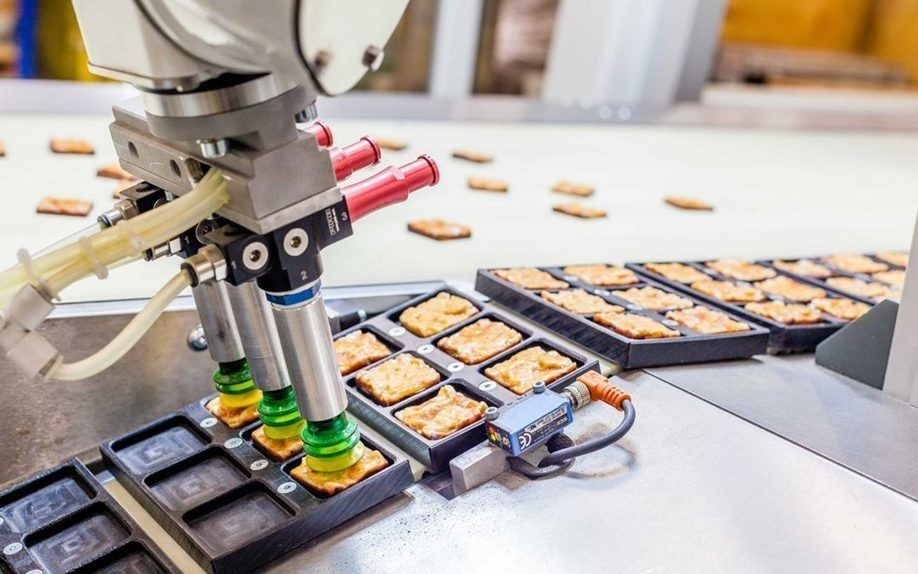

In the modern culinary world, science has transcended its traditional role of understanding nutrition and safety to actively shaping taste experiences. From molecular gastronomy to lab-grown meat and flavor additives, scientific techniques enable chefs and food technologists to manipulate textures, aromas, and flavors in unprecedented ways. While these innovations expand the possibilities of culinary creativity, they also raise profound ethical questions. How far should science go in creating flavors? Are there limits to manipulating natural foods? What responsibilities do scientists, chefs, and companies have to consumers, culture, and the environment? This article explores the ethical boundaries of flavor creation, balancing scientific innovation with societal responsibility, cultural heritage, and public trust.
1. The Rise of Flavor Science
The systematic study of flavor—encompassing taste, aroma, mouthfeel, and visual cues—has been revolutionized by advances in chemistry, biology, and sensory science. Key milestones include:
- Molecular Gastronomy: Popularized by chefs like Ferran Adrià, this field combines chemistry and culinary art to create new textures and flavor combinations, such as foams, gels, and edible spheres.
- Flavor Chemistry: Analytical techniques, such as gas chromatography and mass spectrometry, allow scientists to isolate and replicate specific volatile compounds responsible for aromas.
- Food Engineering: Texture modifiers, emulsifiers, and encapsulation techniques enable controlled flavor release and enhanced sensory experiences.
These innovations blur the line between natural and engineered tastes, prompting ethical debates regarding authenticity, health, and consumer transparency.
2. Ethical Dimensions of Flavor Creation
Scientific flavor creation intersects with multiple ethical considerations, including health, transparency, cultural integrity, and environmental impact.
2.1 Health and Safety
While flavor innovations can enhance enjoyment, they may also carry risks:
- Artificial Additives: Synthetic flavor compounds can pose allergenic or toxicological concerns if improperly regulated.
- Excessive Sensory Manipulation: Hyper-palatable foods engineered to maximize sweetness, saltiness, or umami can contribute to overeating and chronic disease.
- Unknown Long-Term Effects: Novel compounds or extraction techniques may have effects that remain poorly understood, necessitating caution.
Ethically, scientists and food producers have a duty to prioritize public health while innovating, ensuring thorough testing and regulation.
2.2 Transparency and Consumer Autonomy
Consumers have a right to make informed choices about the food they consume:
- Labeling: Accurate disclosure of flavor additives, synthetic compounds, and engineered textures is critical.
- Misperception Risks: Flavor creation can make artificial or lab-grown products indistinguishable from natural foods, potentially misleading consumers.
- Informed Consent: Particularly in institutional settings (schools, hospitals), consumers must be aware of engineered flavors to make dietary choices aligned with health, ethical, or cultural preferences.
Failure to maintain transparency undermines trust, a cornerstone of ethical food science.
2.3 Cultural and Culinary Integrity
Food carries cultural, historical, and symbolic meaning. Ethical flavor creation must respect these dimensions:
- Preservation of Tradition: Excessive technological modification of traditional foods may erode heritage flavors and culinary identity.
- Globalization vs. Locality: Molecular gastronomy techniques popularized in Western fine dining may overshadow indigenous flavor practices if adopted indiscriminately.
- Cultural Sensitivity: Altering culturally significant foods—such as staple grains or ritual dishes—requires careful ethical consideration.
Ethical science balances innovation with respect for culinary heritage, ensuring flavors do not become cultural homogenization tools.
2.4 Environmental and Sustainability Concerns
Flavor creation techniques can impact ecological systems:
- Resource-Intensive Processes: Extraction of rare natural compounds, such as vanilla or saffron, may involve intensive labor and unsustainable practices.
- Lab-Grown Ingredients: While reducing pressure on wild populations, cellular agriculture consumes energy and may generate environmental waste.
- Synthetic Alternatives: Developing artificial flavors to replace scarce natural sources presents ethical dilemmas about ecological substitution and consumer acceptance.
Sustainable flavor creation should consider environmental ethics alongside culinary goals.

3. Case Studies in Ethical Flavor Science
3.1 Synthetic Vanilla Production
Natural vanilla is labor-intensive and environmentally costly, prompting the rise of synthetic vanillin. Ethical considerations include:
- Economic Impact: Synthetic production reduces income for small-scale farmers in regions like Madagascar.
- Consumer Transparency: Many consumers assume “vanilla” implies natural extract, necessitating clear labeling.
- Environmental Footprint: Synthetic methods may have lower biodiversity impact but higher chemical inputs, raising trade-off questions.
3.2 Lab-Grown Meat and Umami Enhancement
Cellular agriculture allows creation of meat flavors without animal slaughter, often enhanced with flavor compounds:
- Animal Welfare: Ethical benefits include reduced animal suffering.
- Health Implications: Lab-grown meat allows precise control over fat content and flavor profiles, potentially improving nutritional outcomes.
- Public Perception: Consumers may perceive engineered flavors as unnatural or untrustworthy, highlighting the need for education and transparency.
3.3 Molecular Gastronomy Techniques
Chefs manipulate textures and flavors using hydrocolloids, foams, and edible gels:
- Consumer Experience: Enhances creativity and sensory pleasure.
- Ethical Debate: Over-manipulation may misrepresent ingredient origins, challenging concepts of authenticity.
- Access and Equity: Such innovations are often limited to high-end dining, raising questions about the democratization of culinary science.
4. Philosophical Perspectives
Ethical discussions of flavor creation can draw on philosophical frameworks:
- Utilitarianism: Innovations are justified if they maximize pleasure or health benefits without harming others.
- Deontology: Certain natural ingredients or traditional flavors may have intrinsic value, making their manipulation morally questionable regardless of outcomes.
- Virtue Ethics: Ethical flavor science emphasizes responsibility, honesty, and respect for both consumers and ecosystems.
These frameworks help guide decisions in flavor engineering, balancing innovation with moral responsibility.
5. Regulatory and Policy Considerations
Governments and international bodies play a critical role in defining ethical boundaries:
- Food Safety Regulations: Ensuring compounds meet safety standards for human consumption.
- Labeling Laws: Mandating transparent disclosure of artificial or engineered flavors.
- Intellectual Property: Balancing patent protection for flavor innovations with public accessibility.
- International Standards: Harmonizing regulations to avoid unethical exploitation of resources or misleading practices.
Robust regulation provides a framework for ethical innovation while protecting consumers and cultural heritage.
6. Consumer Perception and Ethical Responsibility
Consumer attitudes shape the ethical landscape of flavor creation:
- Trust and Acceptance: Public perception of synthetic flavors influences adoption, requiring education about safety and sustainability.
- Cultural Preferences: Different societies prioritize natural versus engineered flavors, requiring culturally sensitive approaches.
- Health Consciousness: Rising demand for “clean labels” and minimally processed foods influences ethical decision-making in flavor science.
Food scientists and chefs must consider social values as part of ethical responsibility.
7. Emerging Technologies and Ethical Frontiers
Advances in flavor science continue to push ethical boundaries:
- AI-Generated Flavor Profiles: Algorithms can design new taste combinations, raising questions about creativity, authorship, and cultural relevance.
- 3D Printed Foods: Enables precise control of flavor, texture, and nutrient composition, but challenges norms of traditional food preparation.
- Gene-Edited Plants and Microbes: Custom flavors can be engineered at the genetic level, raising bioethical and environmental concerns.
These innovations require ongoing ethical reflection, balancing innovation with societal and ecological impacts.
8. Guidelines for Ethical Flavor Creation
To navigate the complex ethical landscape, the following principles are recommended:
- Transparency: Clearly communicate ingredient sources and methods to consumers.
- Respect for Culture: Preserve traditional flavors and culinary practices whenever possible.
- Health Prioritization: Avoid manipulations that compromise nutrition or promote unhealthy consumption.
- Environmental Responsibility: Ensure flavor creation minimizes ecological harm and resource depletion.
- Accessibility and Equity: Make innovative flavors and technologies accessible beyond elite culinary contexts.
- Continuous Reflection: Engage in ethical review and public dialogue to assess societal impact.
Applying these principles ensures flavor science contributes positively to society without compromising ethical standards.
9. Future Perspectives
The ethical frontier of flavor creation is likely to evolve alongside technological and societal change:
- Integration with Sustainability: Ethical flavor creation will increasingly incorporate environmental and social metrics.
- Consumer Education: Public understanding of flavor science will shape regulatory and industry practices.
- Cross-Disciplinary Collaboration: Chemists, chefs, ethicists, and policymakers must work together to define boundaries.
- Global Equity Considerations: Flavor innovations should consider economic and cultural impacts across regions, avoiding exploitation of vulnerable populations.
Future flavor science must navigate the intersection of creativity, technology, and moral responsibility to ensure progress benefits both people and the planet.
10. Conclusion
Flavor creation through science represents a powerful frontier in culinary innovation, capable of enhancing enjoyment, sustainability, and nutrition. Yet it also carries ethical responsibilities that extend beyond the laboratory or kitchen. Health, transparency, cultural integrity, environmental stewardship, and social equity must guide decisions about manipulating flavors. By establishing and respecting ethical boundaries, scientists, chefs, and food technologists can ensure that flavor innovation serves society holistically, maintaining trust, preserving culture, and fostering sustainable enjoyment of food for generations to come.