










Introduction: Rediscovering Traditional Staples
In an era dominated by industrialized food production, there is a noticeable resurgence of interest in traditional handmade staples—from Chinese mantou and noodles to Italian artisan pasta and Middle Eastern khubz. Across the globe, chefs, culinary enthusiasts, and home cooks are turning back to time-honored techniques, valuing artisanal quality, authentic flavor, and cultural heritage.
This revival is not merely a nostalgic nod to the past. It reflects a broader culinary and cultural movement: a desire for slow food, healthier alternatives, and sustainable practices. Unlike mass-produced products, handmade pasta, mantou, and other traditional breads are celebrated for their texture, taste, and connection to regional identity.
In this article, we explore the revival of traditional handmade pasta and breads, examining historical origins, modern resurgence, cultural significance, and culinary techniques. We will also discuss the factors driving this trend and its implications for global food culture.
Section I — Historical Roots of Traditional Handmade Staples
1. Chinese Mantou and Noodles
Mantou, a steamed bread that has been a staple of Northern China for centuries, originated as a wheat-based substitute for rice in regions where wheat thrived. Traditionally, mantou was made from simple ingredients—wheat flour, water, and sometimes yeast—and steamed over a wood-fired stove, giving it a soft, fluffy texture.
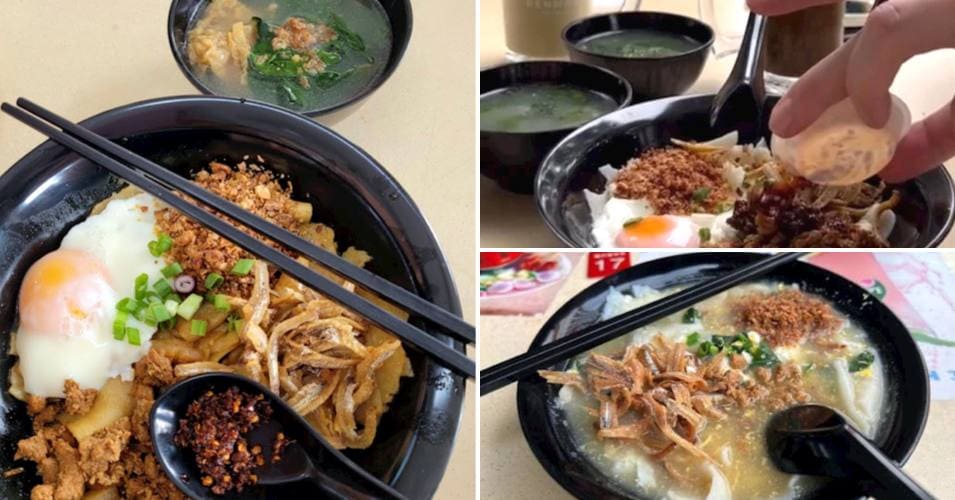
Similarly, Chinese noodles have a history spanning over 4,000 years, with regional variations such as lamian (hand-pulled noodles), knife-cut noodles, and thin wheat noodles for soups. These noodles were not only a daily staple but also a medium for artistic culinary expression, with chefs demonstrating skill through techniques like stretching, folding, and cutting.
Historically, noodles and mantou were community-oriented foods, often made in households during festivals or communal gatherings. These traditional practices established techniques and flavors that have been preserved and passed down through generations.
2. Italian Artisan Pasta
Italian pasta has long been synonymous with culinary artistry. While the origins of pasta are debated, it is widely accepted that Italian pasta evolved from durum wheat semolina, crafted into various shapes like tagliatelle, fettuccine, and ravioli. Artisanal pasta-making emphasizes hand-rolling, cutting, and drying techniques that preserve flavor and texture.
In Italy, artisan pasta is deeply tied to regional identity. For example, pici from Tuscany is a thick hand-rolled pasta, while orecchiette from Puglia reflects the region’s unique culinary history. These traditional methods prioritize craftsmanship, often requiring hours of manual labor, in contrast to modern industrial pasta production.
3. Middle Eastern Khubz
Khubz, the traditional flatbread of the Middle East, has been a cornerstone of daily diets for millennia. Made from wheat flour, water, salt, and sometimes yeast, khubz is traditionally baked in stone ovens or clay tandoors, resulting in a bread with a soft interior and crisp exterior.
Khubz carries cultural and social significance, often served at communal meals and religious celebrations. Each region adds its own nuances—some versions include sesame seeds, spices, or yogurt, reflecting local tastes and historical trade influences.
Section II — The Modern Revival of Traditional Handmade Staples
1. Culinary Trends Driving the Revival
The resurgence of traditional handmade staples is driven by several intersecting culinary trends:
- Artisanal and Slow Food Movements: The global interest in slow food emphasizes time-honored cooking techniques, natural ingredients, and handcrafted products. Consumers increasingly value quality over convenience.
- Health and Nutrition Awareness: Handmade breads and pastas often use whole grains, natural fermentation, and minimal additives, appealing to health-conscious diners.
- Cultural Appreciation: There is a growing curiosity about regional cuisines and authentic dining experiences, particularly among travelers and urban food enthusiasts.
2. Reclaiming Authentic Techniques
Modern chefs and artisans are reclaiming traditional methods:
- Mantou: Home cooks and chefs are experimenting with fermented dough, adding flavors like sweet potato, pumpkin, or whole wheat, while preserving the classic steaming method.
- Chinese Noodles: Noodle makers are reviving hand-pulled and knife-cut techniques, sometimes incorporating ancient grains like buckwheat or sorghum for nutritional and textural variation.
- Italian Pasta: Chefs are returning to hand-rolled pasta, creating regional sauces and fillings, emphasizing seasonality and local produce.
- Khubz: Bakers are reintroducing wood-fired ovens, artisanal shaping techniques, and fermentation methods, enhancing both flavor and digestibility.
Section III — Culinary Techniques and Artistry
1. The Craft of Hand-Pulled Noodles
Hand-pulled noodles (lamian) involve stretching, folding, and twisting dough repeatedly to achieve even thickness and springy texture. Mastery requires years of practice, as dough consistency, hydration, and gluten development are crucial.
Hand-pulled noodles are valued for their unique chewiness, a textural quality rarely replicated by industrial machines. They demonstrate the intersection of culinary skill, patience, and artistry.
2. Steaming and Shaping Mantou
Mantou dough must be kneaded thoroughly to develop gluten and fermented properly for optimal fluffiness. Shaping involves creating smooth, rounded buns that rise evenly during steaming. Variations in filling (sweet, savory, or herbal) showcase the versatility of this simple staple.
3. Rolling and Cutting Artisan Pasta
Italian artisan pasta requires attention to dough hydration, flour quality, and rolling thickness. Pasta shapes are crafted to pair with specific sauces, ensuring flavor adherence and texture balance. For example:
- Tagliatelle pairs with rich ragu.
- Orecchiette accommodates chunky vegetable sauces.
The manual process ensures irregularities that enhance texture, creating a sensory experience unmatched by machine-made pasta.
4. Baking Khubz in Traditional Ovens
Traditional khubz is baked at high heat in stone or clay ovens, creating an air pocket inside the bread and a slightly charred exterior. Mastery requires controlling temperature, dough thickness, and timing, resulting in bread that is light, flavorful, and aromatic.
Section IV — Cultural Significance and Culinary Identity
1. Preserving Regional Traditions
The revival of traditional pasta and breads is intertwined with cultural preservation. Each staple tells a story of local ingredients, history, and community practices. For example, mantou reflects Northern Chinese wheat cultivation, while khubz reflects Middle Eastern trade and agricultural practices.
2. Culinary Tourism and Experiential Dining
Modern consumers increasingly seek authentic culinary experiences, including:
- Participating in hands-on workshops for pasta or bread-making.
- Visiting local bakeries and artisan noodle shops.
- Exploring regional variations of staple foods, gaining insight into history, geography, and culture.
These experiences enhance cultural understanding and appreciation, elevating traditional foods from mere sustenance to immersive experiences.
3. Connecting Generations
Reviving traditional staples also fosters intergenerational knowledge transfer, as chefs and home cooks learn techniques from elders or mentors. This process strengthens community ties and ensures that culinary heritage is preserved for future generations.
Section V — Economic and Social Implications
1. Supporting Local Producers
The resurgence of traditional staples promotes local ingredient sourcing, supporting farmers who grow wheat, durum, or specialty grains. This creates a sustainable food ecosystem, encouraging small-scale agriculture and artisan producers.
2. Culinary Entrepreneurship
Interest in handmade staples has inspired new businesses, including:
- Artisan bakeries specializing in mantou or khubz.
- Boutique pasta shops offering handmade Italian pasta.
- Pop-up noodle bars and food festivals showcasing hand-pulled noodles.
This entrepreneurial activity drives economic growth, job creation, and culinary innovation.
3. Promoting Slow Food and Sustainability
Handmade pasta and breads align with the slow food movement, emphasizing quality, seasonality, and sustainable practices. By using locally sourced ingredients and traditional methods, these foods contribute to eco-friendly dining and reduced industrial food reliance.
Conclusion: The Future of Traditional Handmade Staples
The revival of traditional handmade pasta, mantou, noodles, Italian artisan pasta, and Middle Eastern khubz is a testament to the enduring appeal of craftsmanship, flavor, and cultural identity. Beyond nostalgia, these foods represent culinary sustainability, artisanal skill, and cultural heritage.
As consumers increasingly seek authentic, high-quality, and locally sourced foods, traditional handmade staples will continue to thrive, offering sensory delight, educational value, and a connection to history. By honoring these practices, chefs, bakers, and home cooks not only preserve culinary traditions but also innovate and inspire the next generation of food enthusiasts.
The renaissance of these staples reflects a global movement toward mindful eating, culinary artistry, and heritage preservation, ensuring that these timeless foods remain relevant in modern kitchens worldwide.