









Introduction
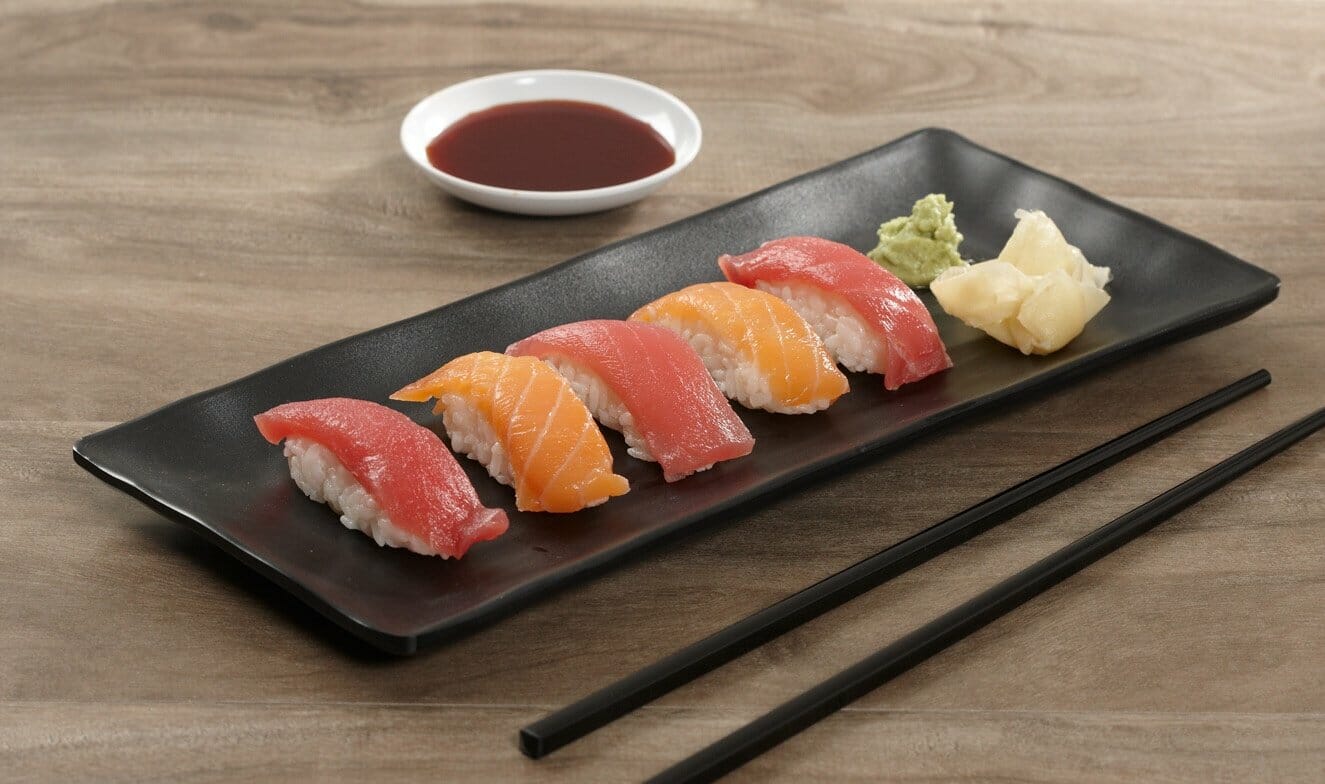
Japanese culinary culture has long emphasized the harmony of taste, aesthetics, and ritual. Among its most iconic practices are sushi, a culinary art form showcasing the delicate balance of fresh ingredients and precise technique, and the Japanese tea ceremony, a centuries-old ritual centered on mindfulness, aesthetics, and the appreciation of subtle flavors.
In recent years, modern dining experiences have begun to fuse these two traditions, creating immersive events where the artistry of sushi meets the contemplative elegance of the tea ceremony. This synthesis not only elevates the sensory experience but also deepens emotional and cultural appreciation, offering diners a holistic engagement with Japanese gastronomy.
This article explores the historical roots, cultural significance, modern innovations, sensory principles, and design strategies behind the fusion of sushi and tea ceremony experiences. It examines how tradition and innovation coexist, creating a contemporary approach to mindful, aesthetically rich dining.
1. Historical and Cultural Context
1.1 Origins of Sushi
- Early Sushi: Originated in Southeast Asia as a method of fermenting fish with rice for preservation.
- Edo-period Sushi: Fresh fish combined with seasoned rice became a fast-food staple in urban Japan.
- Modern Sushi: Refined techniques, high-quality ingredients, and artful presentation define contemporary sushi as both cuisine and cultural performance.
1.2 Origins of the Japanese Tea Ceremony
- Historical Roots: Introduced from China during the 9th–15th centuries, refined into the chanoyu ritual under Japanese Zen influence.
- Core Principles: Harmony (wa), respect (kei), purity (sei), and tranquility (jaku).
- Ritual Structure: Includes deliberate gestures, precise timing, and attention to environmental aesthetics.
1.3 Shared Philosophical Foundations
Both sushi and the tea ceremony share:
- Mindfulness: Precision and attention to every detail in preparation and presentation.
- Aesthetics: Focus on seasonal elements, natural beauty, and simplicity.
- Cultural Ritual: Food and drink serve as mediums for social harmony and emotional connection.
2. Sensory Principles in Fusion Experiences
2.1 Taste and Umami Harmony
- Sushi emphasizes freshness, texture, and umami depth.
- Tea ceremony offers subtle bitterness, aroma, and mouthfeel.
- Combining the two allows contrasting and complementary flavors to enhance overall sensory satisfaction.
2.2 Visual Aesthetics
- Sushi plating emphasizes color contrast, geometric balance, and seasonal garnishes.
- Tea ceremony incorporates minimalism, natural materials, and contemplative tableware.
- The fusion experience creates a visual narrative, engaging diners in both artistry and storytelling.
2.3 Sound and Ambiance
- Background sounds, such as bamboo water features or soft instrumental music, complement the meditative environment of the tea ceremony.
- The subtle sounds of sushi preparation—knife slicing, rice molding—enhance the multisensory experience.
2.4 Textural Interplay
- Sushi textures range from delicate sashimi to chewy seaweed and rice.
- Tea provides a smooth, warm, or slightly frothy contrast, emphasizing palate mindfulness and dynamic mouthfeel.
3. Ritual Integration
3.1 Sequencing and Pacing
- Dining events begin with ceremonial tea preparation, introducing mindfulness and slowing pace.
- Sushi courses are served sequentially, with attention to seasonal progression, textures, and taste balance.
3.2 Mindful Engagement
- Guests are encouraged to observe, inhale aromas, and appreciate visual cues before tasting.
- The integration of tea rituals fosters intentionality and conscious savoring of each bite.
3.3 Symbolic Gestures
- Tea whisking, pouring, and presentation align with sushi plating techniques, emphasizing the importance of deliberate, graceful motions.
- This ritualized engagement strengthens the emotional and cultural resonance of the meal.
4. Modern Innovations in Sushi-Tea Fusion
4.1 Contemporary Culinary Techniques
- Use of matcha-infused rice or sauces to link tea flavors with sushi.
- Innovative pairings of fermented tea leaves or tea-smoked seafood.
- Application of molecular gastronomy to create interactive sensory experiences, such as tea aroma vapors enhancing sushi flavor perception.
4.2 Immersive Dining Spaces
- Zen-inspired decor with natural wood, bamboo, and stone creates contemplative atmosphere.
- Minimalist lighting highlights both tea preparation and sushi presentation.
- Interactive chef stations allow diners to observe or participate in food and tea rituals.
4.3 Seasonal and Local Sourcing
- Emphasis on seasonality aligns sushi ingredients and tea varieties with natural cycles.
- Local sourcing ensures freshness while honoring the tea ceremony principle of respect for nature.
5. Health and Nutritional Considerations
5.1 Nutritional Synergy
- Sushi provides high-quality protein, omega-3 fatty acids, and minerals from fish and seaweed.
- Tea offers antioxidants, polyphenols, and digestive benefits.
- Combining both supports physical well-being and enhances sensory satisfaction.
5.2 Mindful Eating and Digestive Benefits
- Slow, intentional consumption encourages satiety and digestion.
- Mindfulness practices in tea rituals reduce stress, complementing the physiological benefits of sushi consumption.
6. Psychological and Emotional Dimensions
6.1 Emotional Engagement
- Ritual and sensory focus increase appreciation, leading to emotional fulfillment.
- Tea ceremony fosters calmness and presence, while sushi preparation creates anticipation and delight.
6.2 Social Connection
- Shared experiences encourage communication, respect, and collective mindfulness.
- Guests often participate in communal rituals such as tea serving or sushi-making workshops, enhancing relational bonds.
6.3 Cultural Education and Appreciation
- Fusion experiences provide educational value, conveying the history, philosophy, and artistry behind both traditions.
- Promotes cross-cultural understanding and respect for Japanese culinary heritage.
7. Design and Service Strategies for Fusion Experiences
7.1 Menu Structuring
- Start with tea introduction and brief on ceremonial principles.
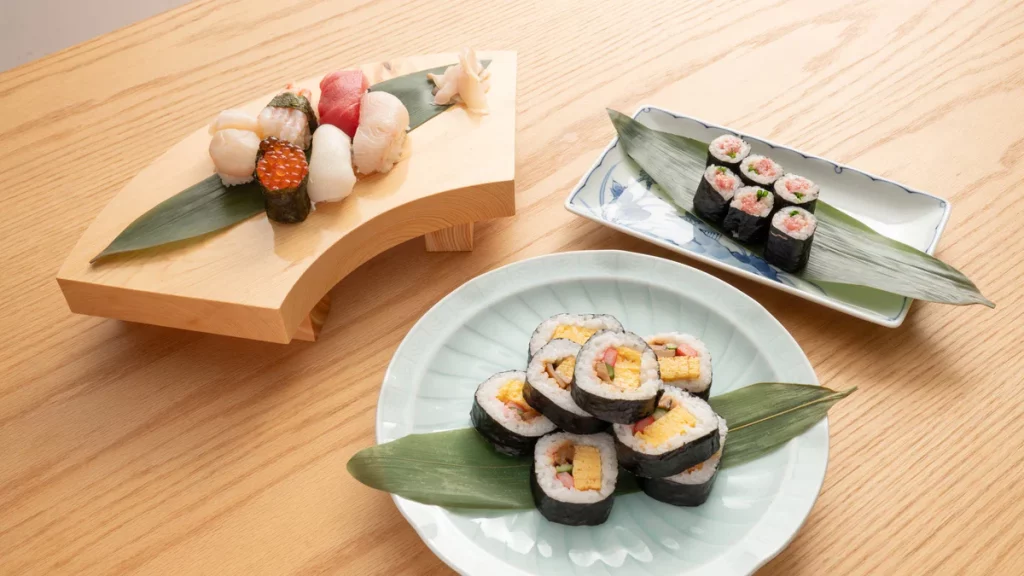
- Offer a progression of sushi courses: nigiri, maki rolls, seasonal specials.
- Interleave tea tasting moments to cleanse palate and enhance mindfulness.
7.2 Tableware and Utensils
- Natural materials (wood, bamboo, ceramic) reflect tea ceremony aesthetics.
- Sushi plates and presentation boards align with minimalism and symmetry principles.
- Tea bowls (chawan) and utensils serve dual roles of function and visual harmony.
7.3 Staff Training
- Servers and chefs trained in etiquette, storytelling, and ceremonial procedures.
- Emphasis on timing, sequence, and guest interaction maintains immersive atmosphere.
8. Case Studies of Modern Fusion Dining
8.1 Tokyo-Based Experiential Restaurants
- High-end establishments offer curated courses blending tea aromas and sushi flavors.
- Seasonal menus often pair rare fish with matcha or tea-infused broths.
8.2 International Adaptations
- Fusion events in New York, London, and Paris combine Japanese traditions with local culinary practices.
- Interactive workshops allow diners to prepare sushi while experiencing tea rituals, blending education with entertainment.
8.3 Home-Based Experiences
- DIY sushi and tea ceremony kits allow home enthusiasts to recreate immersive experiences.
- Focus on mindful preparation, plating, and sensory appreciation replicates restaurant-level engagement.
9. Sustainability and Ethical Considerations
9.1 Responsible Sourcing
- Emphasis on sustainable seafood ensures environmental responsibility.
- Organic and single-origin tea supports ethical agriculture.
9.2 Minimizing Waste
- Tea leaves, fish scraps, and rice by-products are creatively reused in broths, sauces, or garnishes.
- Seasonal menus reduce overproduction and highlight local ingredients.
9.3 Cultural Sustainability
- Preserving ritual and technique in fusion dining ensures continuity of Japanese culinary heritage.
- Educating diners about history and significance fosters respect and cultural longevity.
10. Future Trends in Sushi-Tea Fusion Experiences
10.1 Multi-Sensory Dining Integration
- Use of aromatherapy, visual projections, and subtle sounds to enhance both tea and sushi experiences.
- Incorporation of augmented reality to narrate ingredient stories or seasonal inspiration.
10.2 Health-Oriented Customization
- Personalized sushi courses tailored to dietary needs and tea preferences.
- Functional teas paired with antioxidant-rich sushi ingredients.
10.3 Global Cultural Exchange
- Combining Japanese traditions with regional flavors and ingredients while maintaining ritual integrity.
- Encourages innovation while preserving mindfulness and aesthetic focus.
11. Practical Recommendations for Implementation
11.1 For Restaurateurs
- Develop curated menus integrating tea education with sushi tasting.
- Design minimalist, natural dining spaces promoting mindfulness and aesthetic appreciation.
- Train staff in etiquette, storytelling, and sensory engagement.
11.2 For Chefs
- Explore tea-infused sauces, broths, and rice preparations.
- Incorporate fermentation or seasonal ingredients to enhance depth and umami.
- Focus on plating that reflects the harmony and balance of tea ceremony aesthetics.
11.3 For Diners
- Engage in mindfulness practices during meals.
- Observe preparation rituals and savor the multisensory elements of each course.
- Appreciate cultural narratives behind ingredients and techniques.
12. Conclusion
The fusion of sushi and Japanese tea ceremony culture represents a modern approach to immersive dining, where tradition, mindfulness, and aesthetics converge. By combining the precise craftsmanship of sushi with the contemplative elegance of tea rituals, modern experiences offer a multi-sensory, emotionally resonant journey.
This synthesis elevates dining beyond mere consumption, creating a space for reflection, cultural appreciation, and connection. Guests engage with history, artistry, and sensory richness, experiencing how food and ritual together cultivate awareness, emotional fulfillment, and gastronomic delight.
As chefs, restaurateurs, and culinary enthusiasts continue to innovate, the fusion of sushi and tea ceremony promises a new era of mindful dining, blending heritage and creativity into a truly transformative culinary experience.