









Introduction: A Renaissance of Ancient Techniques
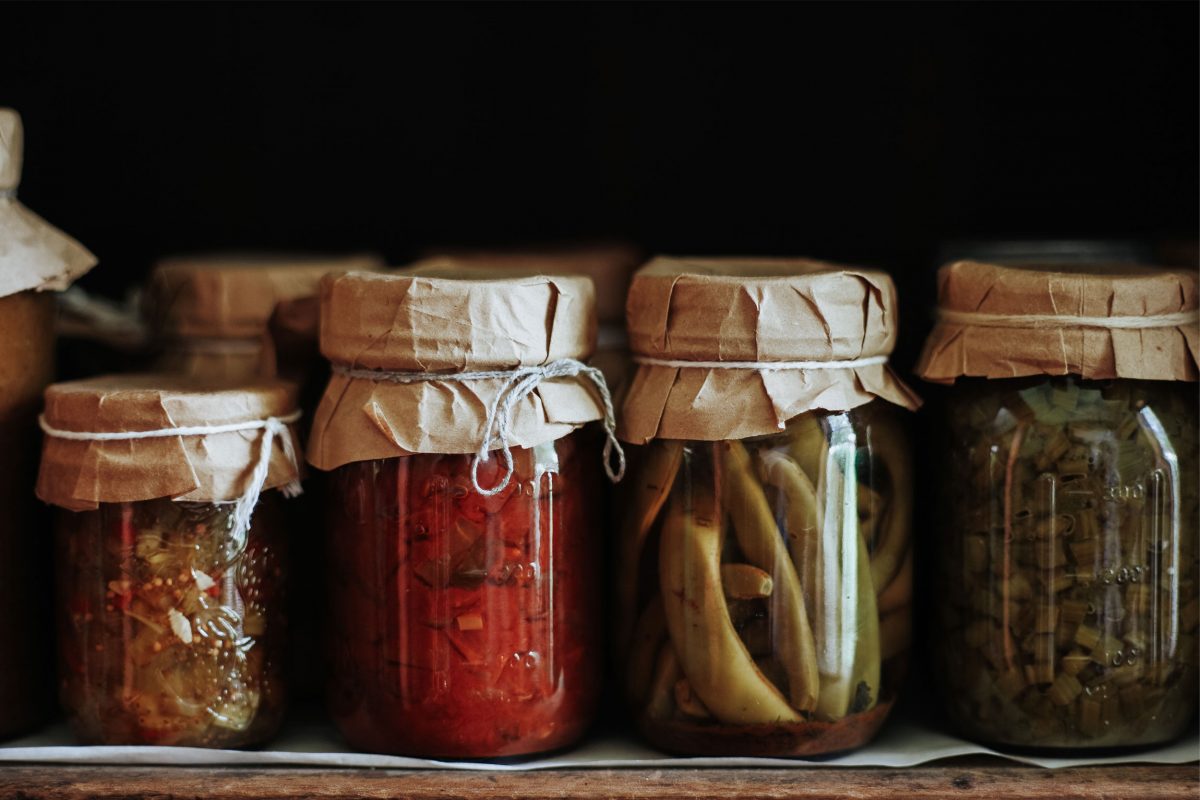
Fermentation, one of the oldest food preservation methods in human history, has experienced a remarkable global resurgence in the 21st century. Once a traditional practice rooted in necessity—extending the shelf life of foods and enhancing nutrition—fermentation has evolved into a culinary trend, health phenomenon, and scientific exploration.
From kimchi and miso in Asia to sourdough and kombucha in Western kitchens, and fermented dairy and vegetable products across the globe, fermented foods are being embraced for their complex flavors, textures, and potential health benefits. Modern consumers are drawn not only to taste but also to the probiotic qualities and the connection to heritage and artisanal craftsmanship.
This article explores the global fermentation craze, examining the scientific foundations, culinary applications, cultural significance, and commercial impact of fermented foods and beverages. It also highlights how fermentation is shaping the future of food innovation and health-oriented eating.
Section I — The Science Behind Fermentation
1. Microbial Magic
Fermentation is a biochemical process in which microorganisms—such as bacteria, yeast, and molds—convert sugars, starches, or proteins into acids, gases, or alcohol. This process not only preserves food but also enhances flavor, aroma, and texture.
Common fermentation types include:
- Lactic Acid Fermentation: Found in yogurt, kimchi, sauerkraut, and sourdough, lactic acid bacteria (LAB) convert sugars into lactic acid, lowering pH and preserving the food.
- Alcoholic Fermentation: Yeast converts sugars into alcohol and carbon dioxide, central to beer, wine, and kombucha production.
- Acetic Acid Fermentation: Produces vinegar by oxidizing alcohol into acetic acid.
- Mold Fermentation: Molds such as Aspergillus oryzae are used in soy sauce, miso, and tempeh.
These microbial processes not only extend shelf life but also unlock nutritional and bioactive compounds, increasing digestibility, vitamins, and bioavailability of nutrients.
2. Health Implications and Probiotics
Fermented foods are celebrated for their probiotic content—live microorganisms that may confer gut health benefits. Research suggests that probiotics can support:
- Digestive health by maintaining a balanced gut microbiota.
- Immune function by stimulating the gut-associated lymphoid tissue.
- Metabolic health through modulation of gut bacteria.
While probiotics are widely marketed as supplements, fermented foods provide a natural, whole-food source of beneficial microorganisms alongside essential nutrients, fiber, and bioactive compounds.
Section II — Fermentation Across Global Cuisines
1. Asian Fermentation Traditions
Asia has a rich heritage of fermented foods, spanning multiple cultures and centuries. Examples include:
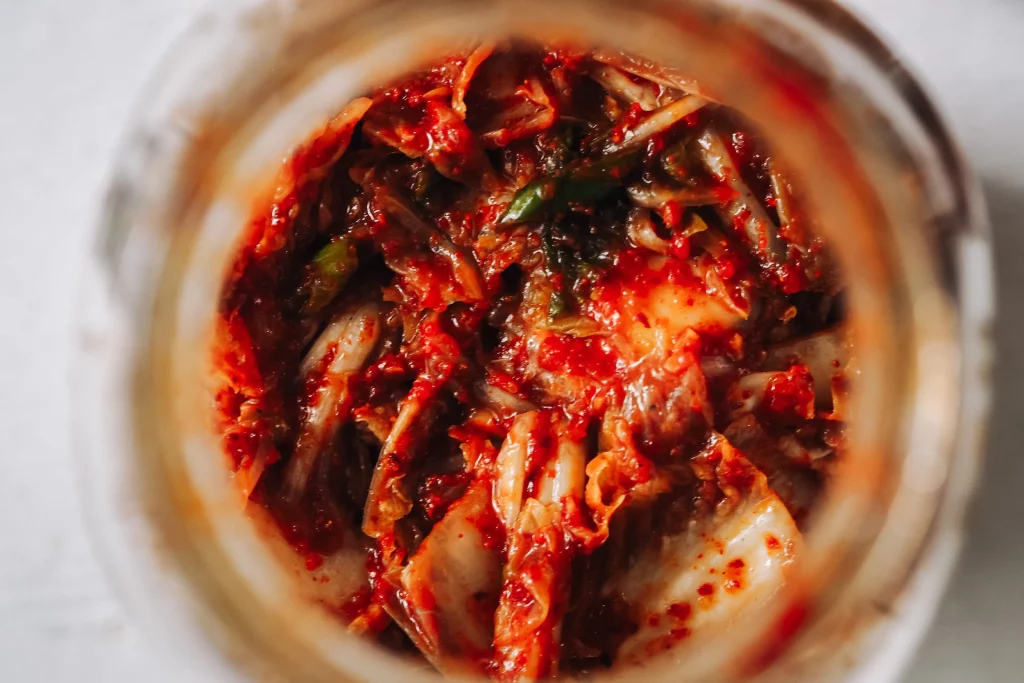
- Kimchi (Korea): Fermented cabbage and vegetables with chili, garlic, and spices. Kimchi combines lactic acid bacteria with robust flavor profiles and seasonal ingredient adaptation.
- Miso (Japan): A fermented soybean paste used in soups and sauces, often combined with rice or barley koji.
- Tempeh (Indonesia): Fermented soybeans bound into firm cakes by Rhizopus mold, rich in protein and bioactive peptides.
- Natto (Japan): Fermented soybeans with Bacillus subtilis, notable for its sticky texture and strong umami flavor.
These traditional products illustrate the dual role of fermentation: preservation and flavor enhancement, often intertwined with cultural rituals and culinary identity.
2. European and Western Fermentation
Europe has its own longstanding fermented foods, which have gained renewed popularity globally:
- Sourdough Bread (Italy, France, USA): Lactic acid fermentation of wheat or rye flour by wild yeasts and LAB produces complex flavor and improved digestibility.
- Cheese and Yogurt (France, Switzerland, Greece): Milk fermentation into cheese or yogurt combines bacterial cultures for texture, flavor, and nutritional benefits.
- Fermented Vegetables (Germany, Eastern Europe): Sauerkraut and pickles highlight seasonal preservation and probiotic benefits.
- Beer and Wine: Alcoholic fermentation remains a cornerstone of European culinary culture, now combined with modern craft movements.
3. Middle Eastern and Mediterranean Fermentation
Fermented staples in the Mediterranean and Middle Eastern regions include:
- Kefir: A fermented milk beverage rich in probiotics and bioactive compounds.
- Labneh: Strained yogurt cheese, offering concentrated protein and tangy flavor.
- Fermented grains and flatbreads: Traditional sourdough-based breads like pita and khubz utilize natural fermentation for texture and preservation.
These fermented foods often emphasize community practices and regional identity, connecting culinary arts to social and cultural rituals.
Section III — Modern Drivers of the Fermentation Craze
1. Culinary Innovation and Artisanal Movements
Modern chefs and home cooks are embracing fermentation as a tool for innovation. Techniques like lacto-fermentation, koji cultivation, and barrel aging allow for creative flavor development, ranging from umami-rich sauces to sparkling fermented beverages.
The artisanal movement has also encouraged small-batch production, highlighting traditional methods, ingredient traceability, and sustainable sourcing. This aligns with broader consumer demand for authentic, handcrafted foods.
2. Health and Wellness Trends
The growing interest in gut health and functional foods has catapulted fermentation into mainstream wellness conversations. Products like kombucha, kimchi, probiotic yogurt, and fermented teas are widely marketed for their gut-friendly benefits, appealing to health-conscious consumers globally.
3. Social Media and Cultural Exchange
Platforms like Instagram, TikTok, and YouTube have fueled the fermentation craze by sharing recipes, tutorials, and visual storytelling. The appeal lies in DIY fermentation, cultural curiosity, and the aesthetic satisfaction of bubbly jars, vibrant vegetables, and sourdough loaves.
Social media also facilitates cross-cultural exchange, enabling enthusiasts to discover and adapt global fermentation traditions, blending them into modern fusion cuisine.
Section IV — Fermentation in the Food Industry
1. Commercial Production and Innovation
The food industry has recognized the market potential of fermented products, leading to:
- Commercial kombucha brands with varied flavors and probiotic claims.
- Plant-based fermented foods like kimchi, tempeh, and miso for vegetarian and vegan consumers.
- Functional beverages leveraging probiotics, prebiotics, and bioactive compounds.
Innovation continues in starter cultures, fermentation vessels, and quality control, enabling consistent and safe large-scale production.
2. Culinary Tourism and Experiential Fermentation
Fermentation has become a tourism and experiential trend. Fermentation workshops, food tours, and hands-on classes allow participants to:
- Learn traditional techniques like kimchi-making or sourdough baking.
- Explore regional fermentation cultures in situ.
- Engage with artisanal producers and local food communities.
This experiential approach enhances consumer connection to cultural heritage and gastronomy.
3. Sustainability and Circular Food Systems
Fermentation aligns with sustainable food practices:
- Reduces food waste by transforming surplus produce into preserved products.
- Promotes plant-based diets through fermented legumes, vegetables, and grains.
- Supports microbial biodiversity, contributing to ecosystem and human health.
Section V — Global Fermentation Trends
1. Kombucha, Kefir, and Fermented Beverages
Fermented drinks are perhaps the most visible trend:
- Kombucha: Sweetened tea fermented with a symbiotic culture of bacteria and yeast (SCOBY).
- Water kefir: Sugar-water or fruit-based probiotic beverage.
- Kvass: Traditional Eastern European fermented grain drink gaining popularity as a functional beverage.
These drinks combine digestive benefits with flavor experimentation, fueling innovation and consumer curiosity.
2. Fermented Plant-Based Foods
The rise of plant-based diets has accelerated interest in fermented legumes, vegetables, and grains:
- Fermented tofu and tempeh offer protein-rich alternatives.
- Sauerkraut and kimchi bring probiotic benefits and culinary versatility.
- Fermented grains like sourdough bread enhance digestibility and nutrient availability.
3. Artisanal Sourdough and Baking Renaissance
The COVID-19 pandemic sparked a global sourdough trend, as home bakers explored wild yeast fermentation. This hands-on approach emphasizes patience, creativity, and connection to food processes, aligning with broader fermentation enthusiasm.
Section VI — Challenges and Considerations
Despite its popularity, fermentation comes with challenges:
- Safety and Contamination Risks: Improper fermentation can lead to undesirable microbial growth. Education and sanitation are critical.
- Regulatory Oversight: Probiotic claims require scientific validation to ensure consumer safety.
- Knowledge Gap: Many traditional fermentation techniques require skill and understanding of microbial behavior.
Addressing these challenges requires a combination of education, innovation, and community engagement.
Conclusion: The Lasting Impact of the Fermentation Craze
Fermentation has transcended its role as a simple preservation method to become a global culinary and wellness phenomenon. Its rise reflects:
- A renewed interest in artisanal craftsmanship.
- Growing awareness of gut health and functional nutrition.
- Engagement with cultural heritage and global culinary traditions.
- Alignment with sustainable and circular food practices.
From kimchi in Korea to sourdough in Italy, kombucha in the US, and tempeh in Indonesia, fermentation bridges history, science, and modern gastronomy. Its popularity demonstrates a collective desire to connect with food at a deeper level, celebrating both flavor and functionality.
The global fermentation craze is likely to continue evolving, integrating new technologies, cross-cultural innovations, and scientific research, ensuring that this ancient practice remains a vital and dynamic element of contemporary food culture.