









Introduction: A Culinary Mosaic Across Italy
Italian cuisine is celebrated worldwide for its diversity, richness, and simplicity, with pizza and pasta standing as global icons of Italian food culture. However, beneath the surface of these internationally recognized dishes lies a complex tapestry of regional variations, shaped by geography, history, climate, and social dynamics.
From the bustling streets of Naples to the hills of Emilia-Romagna, each Italian region has cultivated distinctive recipes, ingredients, and preparation techniques, reflecting centuries of adaptation, innovation, and cultural exchange. The history of pizza and pasta illustrates how local resources, trade, and social hierarchies influenced culinary evolution, while also highlighting the interplay between tradition and modernity.
This article explores the historical development, regional distinctions, culinary techniques, and cultural significance of traditional Italian pizza and pasta, emphasizing how local identity and heritage shape contemporary Italian gastronomy.
Section I — Origins and Early History of Pizza and Pasta
1. Ancient Roots of Pasta
The origins of pasta in Italy are ancient and multifaceted:
- Archaeological and historical evidence suggests that Etruscans, Greeks, and Romans used forms of dough made from wheat or barley as early as 500 BCE.
- These early preparations were typically boiled or baked, forming the basis of later pasta varieties.
- Pasta was a staple for both urban and rural communities, though preparation methods varied depending on regional grains and climate conditions.
During the Middle Ages, pasta became more refined:
- Durum wheat semolina became the standard in southern Italy, producing firm pasta suitable for long-term storage.
- In northern regions, softer wheats and egg-based pasta became prevalent, reflecting local agricultural conditions and culinary preferences.
2. The Emergence of Pizza
Pizza has its historical roots in flatbreads consumed in the Mediterranean for centuries:
- Early forms were simple yeast-based flatbreads topped with herbs, olive oil, and sometimes cheese.
- Naples, in particular, became the epicenter of modern pizza development during the 18th and 19th centuries, when tomatoes, introduced from the Americas, became widely used.
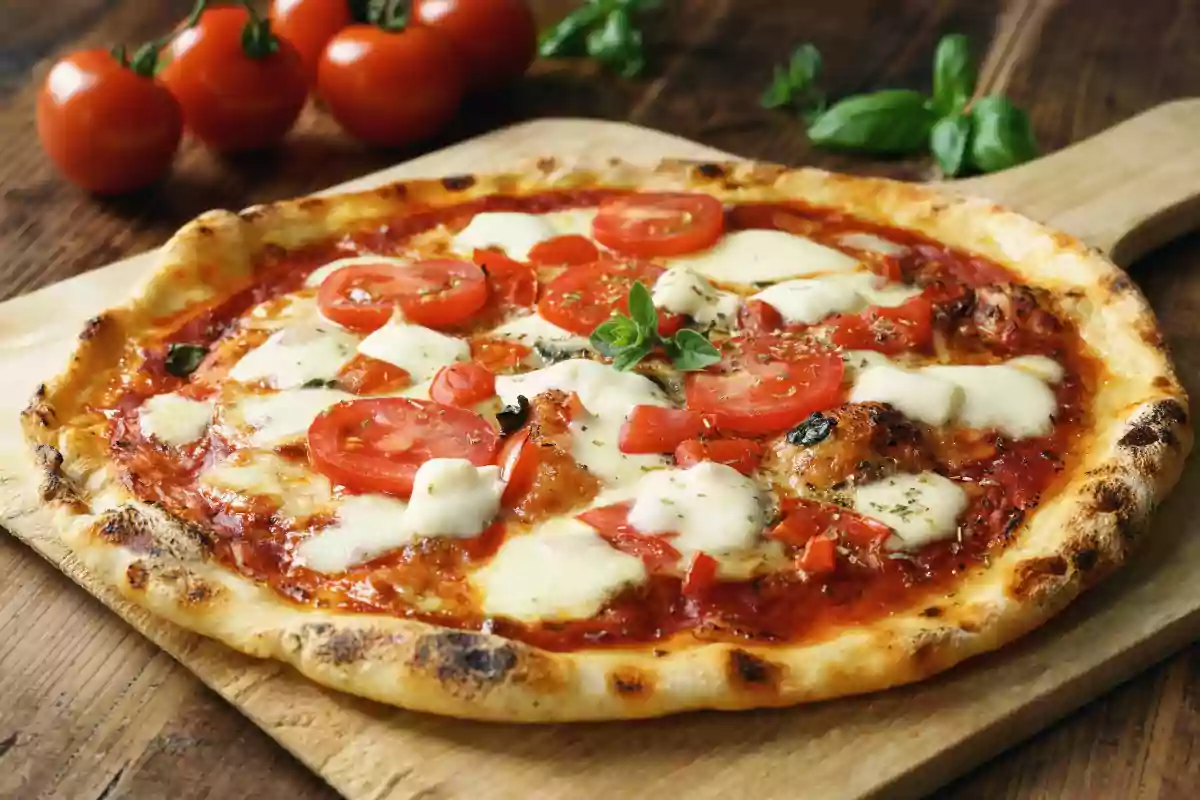
- The Margherita pizza, featuring tomato, mozzarella, and basil, symbolizes the fusion of local ingredients and national identity.
Pizza’s evolution illustrates how urbanization, ingredient accessibility, and socio-economic conditions shaped regional culinary innovation.
Section II — Regional Variations in Italian Pasta
Italy boasts hundreds of pasta shapes and preparations, often tied to specific regions.
1. Northern Italy
Northern regions such as Emilia-Romagna, Lombardy, and Veneto developed egg-based and fresh pasta varieties:
- Tagliatelle: Long, ribbon-like pasta typically served with rich meat ragù in Bologna.
- Tortellini and Ravioli: Stuffed pastas reflecting aristocratic cuisine and refined culinary techniques.
- Pizzoccheri: Buckwheat pasta from Lombardy, incorporating local grains and hearty ingredients suitable for alpine climates.
Northern pasta often emphasizes:
- Butter, cream, and cheese rather than olive oil.
- Stuffed or layered preparations, reflecting culinary sophistication.
2. Central Italy
Regions such as Tuscany, Umbria, and Lazio favored durum wheat pasta and simple, robust sauces:
- Pici: Thick, hand-rolled pasta from Tuscany, often served with garlic and tomato sauces.
- Fettuccine Alfredo (originating in Rome): A rich, creamy preparation using butter and Parmesan.
- Amatriciana and Carbonara: Roman classics using guanciale, Pecorino Romano, and local ingredients.
Central Italian pasta is characterized by flavor simplicity, ingredient integrity, and rustic elegance.
3. Southern Italy
Southern Italy, including Naples, Sicily, and Calabria, developed durum wheat pasta suited for dry climates and tomato-based sauces:
- Spaghetti alle Vongole: Coastal pasta highlighting fresh seafood.
- Orecchiette: Small, ear-shaped pasta from Puglia, often paired with greens like broccoli rabe.
- Sicilian Pasta con le Sarde: Combining sardines, pine nuts, raisins, and saffron, reflecting Arab influence.
Southern pasta emphasizes:
- Tomatoes, olive oil, and fresh vegetables.
- Bold flavors and local produce.
- Influence from historical trade routes, including Arab, Spanish, and French culinary traditions.
Section III — Regional Variations in Italian Pizza
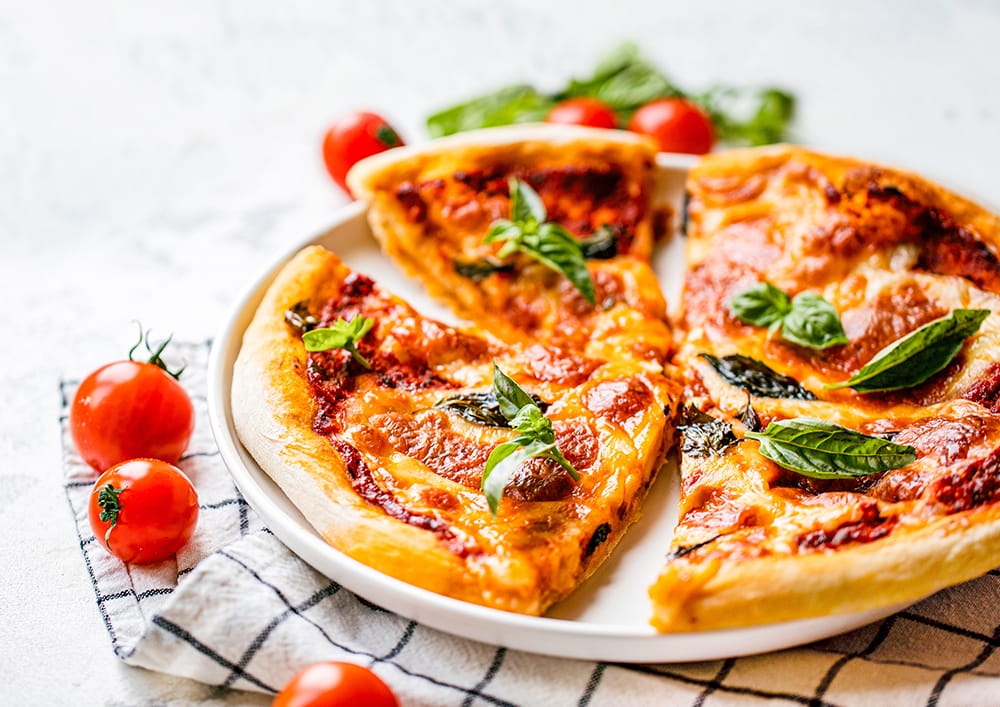
Pizza also exhibits distinct regional identities, reflecting historical and social contexts:
1. Naples — The Birthplace of Pizza
Naples is universally recognized as the cradle of modern pizza:
- Pizza Margherita: Tomato, mozzarella, and basil.
- Pizza Marinara: Tomato, garlic, oregano, olive oil; a simpler alternative for working-class communities.
Neapolitan pizza is characterized by:
- Soft, chewy crusts with slightly charred edges.
- Fresh, high-quality local ingredients.
- Traditional wood-fired oven cooking techniques.
The Neapolitan style represents both culinary innovation and social accessibility, initially catering to the working class and later gaining aristocratic appreciation.
2. Rome — Thin, Crispy, and Fast
Roman pizza differs significantly:
- Pizza al Taglio: Rectangular pizza sold by weight, emphasizing convenience and affordability.
- Pizza Romana: Thin, crisp crust ideal for quick baking and street consumption.
Roman pizza reflects urbanization, speed, and practicality, contrasting with the Neapolitan emphasis on artisanal preparation.
3. Other Regional Innovations
- Sicilian Pizza (Sfincione): Thick, spongy crust topped with tomatoes, anchovies, onions, and local cheese.
- Liguria’s Focaccia: Flatbread often seasoned with olive oil, salt, and rosemary, reflecting Mediterranean simplicity.
Regional variations illustrate how geography, climate, and social conditions influence pizza styles, balancing texture, flavor, and accessibility.
Section IV — Historical Influences on Pizza and Pasta Evolution
1. Trade and Global Exchange
Italy’s central position in Mediterranean trade facilitated cultural and culinary exchange:
- Tomatoes, maize, and potatoes from the Americas transformed Italian cuisine in the 16th century.
- Arab, Spanish, and French influences introduced herbs, spices, and preparation techniques, particularly in southern regions.
- Port cities facilitated ingredient diversity, creating opportunities for regional innovation.
2. Socio-Economic Factors
Social stratification shaped both pizza and pasta:
- Aristocratic kitchens developed refined stuffed pastas and elaborate baked dishes, emphasizing technique and presentation.
- Peasant communities created affordable, resourceful pasta preparations and simpler flatbreads, often relying on seasonal or preserved ingredients.
Over time, the democratization of ingredients allowed regional dishes to blend sophistication with practicality, producing enduring culinary classics.
3. Technological and Culinary Innovation
Technological developments influenced preparation and distribution:
- Durum wheat milling enabled shelf-stable pasta in the south.
- Wood-fired ovens became standard in Naples, enhancing crust texture and flavor.
- Industrial flour production and refrigeration in the 19th–20th centuries expanded accessibility and standardization.
Section V — Cultural Significance and Identity
Pizza and pasta are more than food—they are cultural symbols:
- Family and Community: Pasta-making is often a multi-generational activity, reinforcing social bonds.
- Regional Pride: Local ingredients and techniques reflect identity and heritage.
- Global Influence: Italian emigrants brought recipes abroad, adapting them to local ingredients while maintaining core Italian culinary principles.
These foods encapsulate history, tradition, and adaptability, connecting people across generations and geographies.
Section VI — Modern Adaptations and Preservation
1. Contemporary Culinary Innovation
Modern chefs experiment with regional pasta and pizza:
- Incorporating local produce and heritage grains.
- Fusing traditional techniques with modern presentation.
- Reviving forgotten regional dishes to educate and delight diners.
2. Preservation of Culinary Heritage
Efforts to preserve regional authenticity include:
- Slow Food Movement: Protecting traditional recipes and artisanal techniques.
- Protected Designation of Origin (PDO) and Traditional Specialty Guaranteed (TSG) labels for pasta and pizza ingredients.
- Culinary education: Schools and workshops teach regional history and preparation methods.
3. Globalization and Adaptation
Italian pizza and pasta have become globalized, but regional authenticity remains valued:
- Authentic Neapolitan pizza is recognized by UNESCO for cultural significance.
- Regional pasta recipes influence international cuisine while retaining distinctive Italian characteristics.
Conclusion: A Living Culinary Heritage
The history of Italian pizza and pasta reflects a dynamic interplay between geography, culture, social hierarchy, and innovation:
- Northern Italy emphasizes egg-based, rich, and stuffed pasta.
- Central Italy prioritizes durable durum wheat pasta with simple, robust sauces.
- Southern Italy celebrates tomato, olive oil, and bold regional flavors.
- Pizza varies from Neapolitan artisanal pies to Roman thin-crust and Sicilian thick-crust variations, reflecting local culture and practicality.
Understanding these regional historical variations highlights:
- The relationship between local ingredients and culinary creativity.
- How social and economic contexts shape food traditions.
- The importance of preserving regional identity in the face of globalization.
Traditional Italian pizza and pasta are not static recipes; they are living expressions of culture, history, and innovation, bridging the past and present while inspiring culinary creativity worldwide.