








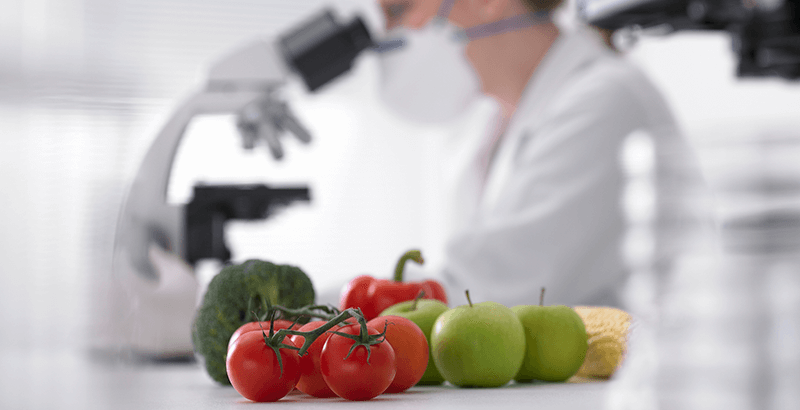

Introduction: Shifting the Focus from Recipes to Science
For centuries, the culinary arts have focused on how to make food: the recipes, techniques, and ingredients that transform raw materials into dishes. While this approach has produced a rich culinary tradition, it often emphasizes practice over understanding. In contrast, modern food science encourages a deeper investigation into why food tastes good. Understanding the mechanisms behind flavor perception, aroma, texture, and overall palatability allows chefs, food technologists, and researchers to innovate in ways that transcend traditional recipe replication.
The study of why food tastes good integrates disciplines such as chemistry, microbiology, neuroscience, sensory science, and psychology. It examines the molecular and structural basis of taste, the interaction of ingredients, and the sensory responses that produce pleasure in eating. By shifting the focus from “how to cook” to “why it tastes good,” we gain predictive power: the ability to design new foods, optimize flavor profiles, reduce waste, and enhance nutritional quality without compromising palatability.
The Science Behind Taste: Basic Principles
1. The Five Basic Tastes
Humans perceive five primary tastes through specialized receptors on the tongue:
- Sweet: Indicates energy-rich sugars; activates reward pathways in the brain.
- Sour: Often signals acidity; contributes to freshness and balance.
- Salty: Reflects the presence of essential electrolytes; enhances other flavors.
- Bitter: Can signal toxins but also provides depth and complexity when balanced.
- Umami: Detects glutamates and nucleotides; contributes to savory richness and satiety.
Understanding why certain combinations of these tastes are pleasurable is fundamental to explaining why food tastes good.
2. Flavor Complexity and Multisensory Integration
Taste alone does not define flavor. Aroma, texture, temperature, and even visual cues profoundly influence perception. The brain integrates these signals to create an overall experience:
- Aroma Compounds: Volatile molecules bind to olfactory receptors, contributing to the characteristic scent of foods such as coffee, chocolate, or roasted meat.
- Texture and Mouthfeel: Viscosity, creaminess, crunch, and chewiness modify the perception of taste and satisfaction.
- Thermal and Chemical Sensations: Spiciness, cooling effects (from menthol), or carbonation add dimension to flavor.
By analyzing the chemical and physical properties of food, researchers can predict which combinations will be most enjoyable to the human palate.
Molecular and Biochemical Drivers of Deliciousness
1. Maillard Reaction: The Science of Browning
One of the most significant processes influencing flavor is the Maillard reaction. When amino acids and reducing sugars react under heat, they form hundreds of compounds that contribute to savory, roasted, and caramelized flavors.
- Impact on Taste: Produces complex aromas that humans interpret as “rich” and “satisfying.”
- Example: The golden-brown crust of bread, roasted coffee, or seared meat owes its appeal to Maillard chemistry.
2. Caramelization
Separate from the Maillard reaction, caramelization involves the thermal decomposition of sugars, producing sweet, nutty, and slightly bitter compounds. This process enhances desserts, sauces, and roasted vegetables.
3. Fermentation and Microbial Metabolism
Microbial activity transforms raw ingredients into foods with complex, desirable flavors:
- Cheese, yogurt, and kimchi: LAB and fungi produce acids, esters, and sulfur compounds that enhance aroma and depth.
- Umami Enhancement: Microbes break down proteins into amino acids and nucleotides, elevating savory taste.
Studying why these compounds evoke pleasure enables the design of foods that maximize umami and aroma without over-relying on salt or sugar.
4. Fat-Soluble Flavor Compounds
Lipids not only provide mouthfeel but also carry volatile aroma compounds. Fat can trap and release flavors, enhancing perception of richness. Understanding the interaction between fats and flavor molecules explains why creamy foods are highly palatable.
The Neuroscience of Deliciousness
The perception of flavor is processed in the brain, where sensory input converges to create pleasure and reward:
1. Dopamine and Reward Pathways
Pleasurable tastes activate dopamine pathways, reinforcing the desire to consume energy-dense foods. This mechanism explains why humans prefer sweet and umami-rich foods.
2. Sensory-Specific Satiety
The brain experiences diminishing reward from repeated exposure to the same flavor, which influences menu variety and flavor layering. Chefs can use this understanding to structure courses with escalating or complementary flavors.
3. Cross-Modal Effects
Visual, auditory, and tactile cues can alter taste perception:
- Color: The same beverage may taste sweeter if visually red versus green.
- Sound: Crispness perception in fried foods can be enhanced by amplified crunch sounds.
- Texture: Creaminess, smoothness, or aeration affects perceived sweetness and richness.
Understanding these interactions allows food designers to create more satisfying sensory experiences.
Why Ingredient Interactions Matter
1. Synergy and Antagonism
Flavors rarely exist in isolation. Interactions between ingredients can create synergy (enhanced flavor) or antagonism (suppressed flavor):
- Synergy Example: Tomato and parmesan—glutamates combine with nucleotides to enhance umami.
- Antagonism Example: Excessive acidity can suppress sweetness and mask subtle aromatics.
Studying these interactions provides insight into why certain combinations are universally pleasing.
2. Balancing Flavors
Successful dishes achieve harmony by balancing contrasting flavors: sweet with sour, bitter with umami, or salty with fat. The study of flavor balance explains why dishes with multiple flavor dimensions evoke pleasure.
The Role of Culture and Experience
Taste preferences are influenced not only by chemistry and neuroscience but also by cultural conditioning:
- Exposure and Familiarity: People prefer flavors that they have experienced repeatedly, shaping comfort foods.
- Novelty and Curiosity: While familiar flavors are pleasurable, moderate novelty stimulates curiosity and reward, enhancing the dining experience.
- Emotional Context: Memories associated with meals, seasonal ingredients, or shared experiences amplify perceived tastiness.
Understanding why these factors influence perception allows chefs to craft menus that resonate on both sensory and emotional levels.

Applications in Food Science and Industry
1. Product Development
Food companies increasingly use sensory science and chemical analysis to design products that maximize palatability:
- Flavor profiling and GC-MS (gas chromatography-mass spectrometry) identify key aroma compounds.
- Predictive models allow reformulation of products to maintain taste while reducing sugar, salt, or fat.
2. Culinary Innovation
Chefs leverage knowledge of molecular gastronomy and flavor interactions to create novel dishes, such as:
- Pairing unexpected ingredients based on complementary flavor molecules.
- Using temperature, texture, and aroma modulation to enhance perceived taste.
3. Health-Oriented Foods
Understanding why food tastes good enables healthier alternatives without sacrificing enjoyment:
- Using umami-rich plant proteins to reduce salt in savory foods.
- Employing natural sweeteners and aroma enhancers to reduce added sugar in desserts.
Methodologies for Studying Deliciousness
Food scientists employ multiple approaches to investigate why food tastes good:
- Analytical Chemistry: Quantifies flavor molecules, amino acids, fatty acids, and volatile compounds.
- Sensory Science: Structured taste panels and consumer testing reveal perception, preference, and hedonic response.
- Neuroimaging: fMRI and EEG studies map brain responses to taste and aroma.
- Food Matrix Analysis: Examines how ingredient composition, texture, and temperature influence flavor release and perception.
By combining these approaches, researchers can explain the molecular and sensory foundations of tastiness, rather than merely documenting cooking procedures.
Case Studies
1. Umami-Rich Fermented Foods
Research shows that glutamate and inosinate in fermented foods synergistically enhance savory taste. This explains why dishes like miso soup or cured meats are perceived as intensely flavorful.
2. Chocolate and Roasted Coffee
Maillard reaction products, lipid-mediated aroma compounds, and controlled roasting profiles explain the deep, complex flavors of chocolate and coffee. Scientific study uncovers why slight adjustments in roasting can dramatically change perceived flavor.
3. Cross-Cultural Flavor Preferences
Studies reveal that the perception of spiciness, bitterness, or sourness varies based on dietary exposure. Understanding these patterns allows global food products to be tailored for maximal palatability in different markets.
Future Directions: From Culinary Intuition to Predictive Flavor Science
- AI and Machine Learning: Predict flavor compatibility based on molecular profiles.
- Personalized Nutrition: Custom flavors and meal designs based on individual sensory and genetic profiles.
- Sustainable Flavor Engineering: Using microbial biosynthesis to create natural flavors with reduced environmental impact.
- Enhanced Sensory Research: Integrating neuroscience, psychology, and analytics to optimize taste experiences.
By focusing on why food tastes good, scientists and chefs can innovate with precision, creativity, and efficiency, moving beyond recipes to a predictive understanding of flavor enjoyment.
Conclusion: The Paradigm Shift in Culinary Science
Studying why food tastes good represents a profound shift in culinary and food science. It emphasizes understanding over replication, blending chemistry, biology, neuroscience, and sensory analysis to uncover the mechanisms of tastiness.
This approach allows chefs, food scientists, and product developers to create dishes and products that are not only enjoyable but also innovative, health-conscious, and sustainable. By moving beyond the question of how to cook to why it tastes good, the future of food embraces both art and science, offering a richer, more informed, and more delightful culinary experience.