









Introduction: The Emergence of Latin American–Asian Fusion
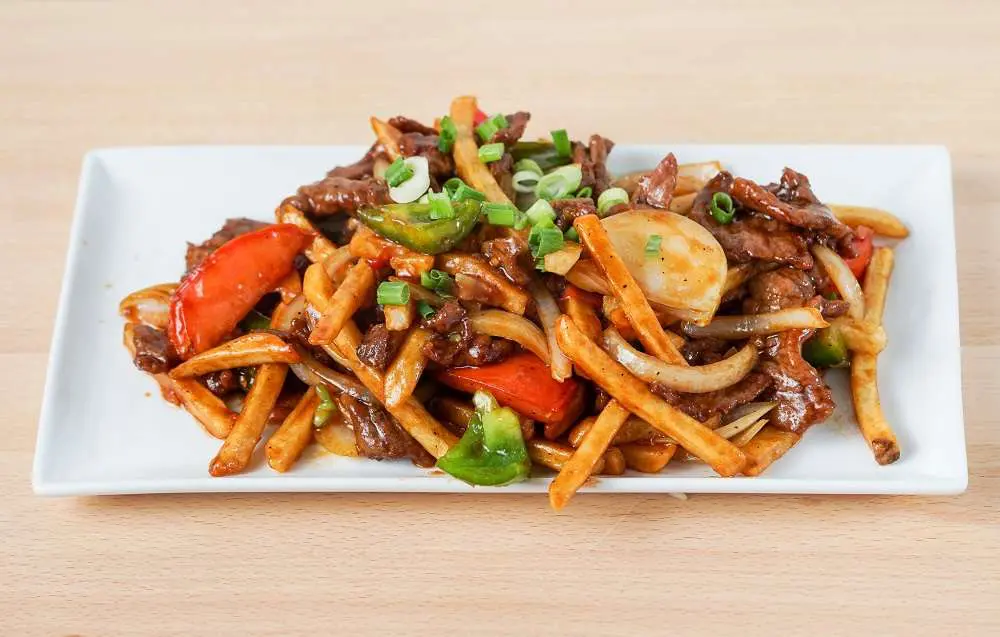
The global culinary landscape is increasingly defined by cross-cultural fusion, where traditional cuisines intersect to create innovative dishes that honor heritage while embracing novelty. Among these trends, the fusion of Latin American and Asian cuisines has emerged as a prominent and exciting movement. This synthesis blends bold spices, fresh herbs, and robust textures from Latin America with the precision, umami, and aromatic sophistication of Asian culinary traditions.
Unlike mere “mix-and-match” experimentation, true fusion cuisine is informed by scientific understanding of flavor compatibility, ingredient functionality, and sensory balance. By analyzing why certain flavor profiles harmonize across cultures, chefs and food scientists are able to create dishes that are not only inventive but also deeply satisfying. This article explores the principles, techniques, and applications of Latin American–Asian fusion cuisine, highlighting its cultural significance, culinary science, and global impact.
Historical and Cultural Context
1. Migration and Culinary Exchange
The interaction between Latin America and Asia is not purely contemporary. Historical migration, trade, and colonial exchange have long influenced culinary practices:
- Japanese and Peruvian Influence: Japanese immigrants in Peru introduced soy sauce, miso, and Japanese cooking techniques, giving rise to Nikkei cuisine.
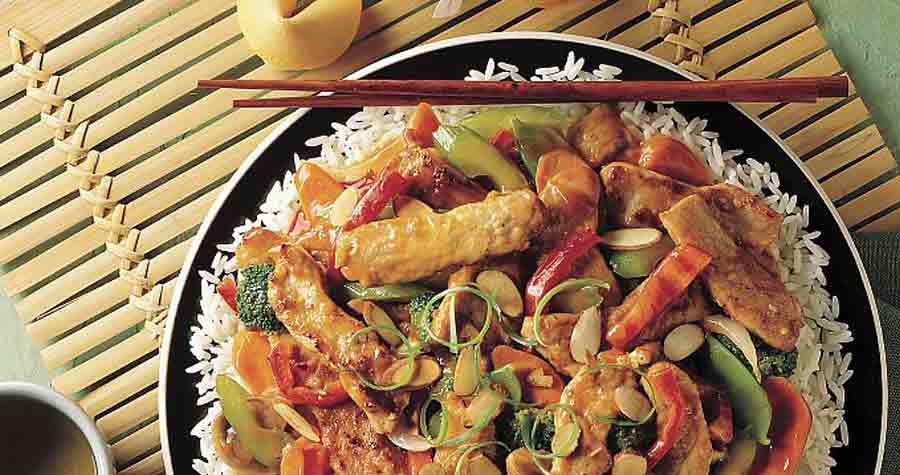
- Chinese Diaspora in Latin America: Chinese immigrants brought stir-frying, soy products, and noodles to countries like Cuba, Brazil, and Mexico, which merged with local flavors.
- Contemporary Reinterpretation: Modern chefs continue to reinterpret these historical interactions with a global palate, integrating fresh Latin ingredients such as avocado, cilantro, and chili with Asian sauces, fermentation, and aromatic herbs.
2. Cultural Philosophy of Fusion
Successful Latin American–Asian fusion cuisine is grounded in three guiding principles:
- Respect for Authenticity: Maintaining the integrity of foundational ingredients and techniques from both cuisines.
- Flavor Complementarity: Leveraging scientific understanding of taste, aroma, and texture to combine ingredients harmoniously.
- Innovation with Purpose: Creating dishes that are new and exciting without alienating diners accustomed to traditional flavors.
Flavor Foundations: Complementary Profiles
1. Latin American Flavor Characteristics
Latin American cuisines are known for:
- Bold spices and herbs: Cumin, paprika, cilantro, oregano.
- Complex textures: Crunchy, creamy, and layered components in sauces, salsas, and fillings.
- Acidity and Heat: Citrus, vinegar, and chili balance richness in meat, beans, and grains.
- Earthiness: Ingredients like corn, beans, quinoa, and root vegetables contribute grounding flavors.
2. Asian Flavor Characteristics
Asian cuisines offer:
- Umami intensity: Soy sauce, miso, fermented fish, and mushrooms enhance savory depth.
- Aromatic balance: Ginger, lemongrass, kaffir lime, and star anise create layered aromas.
- Subtle sweet-sour interplay: Rice vinegar, tamarind, and mirin provide nuanced acidity.
- Textural contrast: Soft noodles, crunchy vegetables, and crisp-fried components offer sensory variety.
3. Harmonizing the Two Cuisines
The art of fusion lies in identifying compatible notes:
- Umami and Earthiness: Fermented soy or miso paired with corn or beans enhances savory complexity.
- Acid-Heat Balance: Asian vinegar or citrus (yuzu, lime) complements Latin chili peppers.
- Herbaceous Layering: Cilantro, basil, and lemongrass combine to create fresh, fragrant top notes.
- Sweetness Integration: Tropical fruits like mango or passionfruit harmonize with Asian sweet-savory sauces.
Techniques in Fusion Culinary Practice
1. Ingredient Substitution and Adaptation
Chefs often replace or complement traditional ingredients to balance authenticity and innovation:
- Rice and Grain Hybrids: Jasmine rice blended with quinoa or black beans introduces texture and nutritional value.
- Sauce Reinterpretation: Mole sauce enhanced with soy, miso, or sesame oil creates new depth.
- Protein Innovation: Seafood, chicken, or pork can be marinated with Asian-inspired rubs and Latin spices for layered flavor.
2. Cooking Techniques
Fusing techniques creates unique textures and aromas:
- Grilling Meets Wok-Frying: Latin American char grilling combined with quick stir-fry methods locks in flavor and texture.
- Smoking and Steaming: Smoky Latin meats paired with steamed Asian vegetables yield a multidimensional mouthfeel.
- Fermentation Fusion: Kombucha, kimchi, or fermented salsas introduce tang and umami while honoring fermentation traditions in both cultures.
3. Presentation and Plating
Fusion cuisine often integrates visual storytelling:
- Color contrasts between Latin sauces and Asian garnishes enhance appetite appeal.
- Layered components reflect both cuisines’ aesthetic values: minimalism in Japanese plating and boldness in Latin American presentation.
- Multi-sensory design, including aroma release at serving, heightens perception of freshness and flavor complexity.
Case Studies in Latin American–Asian Fusion
1. Nikkei Cuisine (Japan–Peru)
- Signature Elements: Sushi rolls with Latin ingredients like avocado, aji amarillo, and ceviche-style toppings.
- Flavor Science Insight: Umami-rich seafood paired with creamy, fatty avocado balances taste perception, while acid from citrus or vinegar enhances mouthfeel.
2. Mexican–Thai Fusion
- Example Dishes: Green curry tacos with Thai herbs and Mexican corn tortillas; tamarind-lime mole.
- Sensory Strategy: Heat from Thai chilies blends with Mexican spices; herbs from both cuisines are layered to create depth.
3. Brazilian–Southeast Asian Fusion
- Example: Feijoada-inspired stir-fry incorporating black beans, coconut milk, lemongrass, and ginger.
- Textural Harmony: Creamy beans and coconut contrast with crisp vegetables and fresh herbs, demonstrating complementary mouthfeel strategies.
Culinary Science Behind Fusion
1. Flavor Pairing Analysis
Modern chefs use chemical and sensory analysis to predict compatible combinations:
- Shared Volatile Compounds: Compounds like linalool (herbal/floral) or ethyl butyrate (fruity) appear in both cuisines, providing natural synergy.
- Umami Enhancement: Combining glutamate-rich ingredients from Asia (soy, mushrooms) with Latin proteins (beans, meats) increases savory satisfaction.
2. Texture and Mouthfeel Integration
Research shows that textural contrast enhances palatability:
- Crunch + Cream: Crispy fried elements layered with creamy sauces mimic successful sensory patterns from both cultures.
- Moisture Control: Balancing juiciness in proteins with drier grains or tortillas maintains mouthfeel diversity.
3. Acid-Heat-Sweet Equilibrium
- Precise calibration of acidity (lime, tamarind), heat (chili, Sichuan pepper), and sweetness (coconut, tropical fruit) engages multiple taste receptors synergistically, creating high palatability.
Global Impact and Trends
- Restaurant Innovation
Fusion restaurants in cosmopolitan centers, from Lima to Tokyo to New York, showcase the cultural dialogue between Latin America and Asia, attracting adventurous diners and culinary professionals.
- Home Cooking and Accessibility
Globalized supply chains and culinary education platforms have allowed home cooks to experiment with fusion techniques, encouraging cross-cultural taste exploration.
- Food Product Development
Consumer packaged goods are incorporating fusion flavors:
- Snack foods featuring Latin spices with Asian seasoning profiles.
- Sauces and marinades blending miso, chili, citrus, and tropical fruits.
- Plant-based proteins enhanced with complementary flavor molecules from both culinary traditions.
Challenges and Considerations
- Maintaining Authenticity: Over-fusion risks diluting the identity of each cuisine.
- Ingredient Availability: Sourcing specialty items from both regions may be cost-prohibitive.
- Consumer Acceptance: Balancing adventurous flavors with familiar taste preferences is critical.
- Nutritional Balance: Fusion must consider not only flavor but health, ensuring excessive sugar, salt, or fat are managed.
Future Directions
- Flavor Science Integration: Using molecular gastronomy, sensory analysis, and AI to predict and refine cross-cultural flavor pairings.
- Sustainable Ingredient Use: Leveraging plant-based proteins, local herbs, and fermentation to create fusion dishes with reduced environmental impact.
- Personalized Dining Experiences: Custom fusion menus based on regional preferences or individual taste profiles.
- Education and Culinary Exchange: Promoting workshops, culinary residencies, and digital platforms to share fusion expertise globally.
Conclusion: A Dialogue of Taste
Latin American–Asian fusion cuisine exemplifies the potential of global culinary dialogue. By combining the boldness, spice, and earthiness of Latin America with the precision, umami, and aromatic sophistication of Asia, chefs create dishes that are simultaneously innovative and culturally resonant.
This fusion is not merely a trend; it is a testament to the scientific and artistic possibilities of food:
- Scientific Insight: Understanding flavor chemistry, texture, and sensory integration.
- Cultural Appreciation: Honoring heritage while embracing innovation.
- Creative Expression: Crafting memorable, balanced, and multi-dimensional culinary experiences.
As cross-cultural interactions continue to expand and food science evolves, the fusion of Latin American and Asian cuisines will remain at the forefront of global gastronomic innovation, redefining taste, texture, and cultural narrative in contemporary cuisine.