










Introduction: Rediscovering the Roots of Agriculture
In an era dominated by industrial agriculture and monoculture crops, there is a resurgent interest in ancient grains, local cereals, and heritage legumes. These crops, often neglected in favor of high-yield commercial varieties, offer nutritional diversity, cultural significance, and environmental resilience.
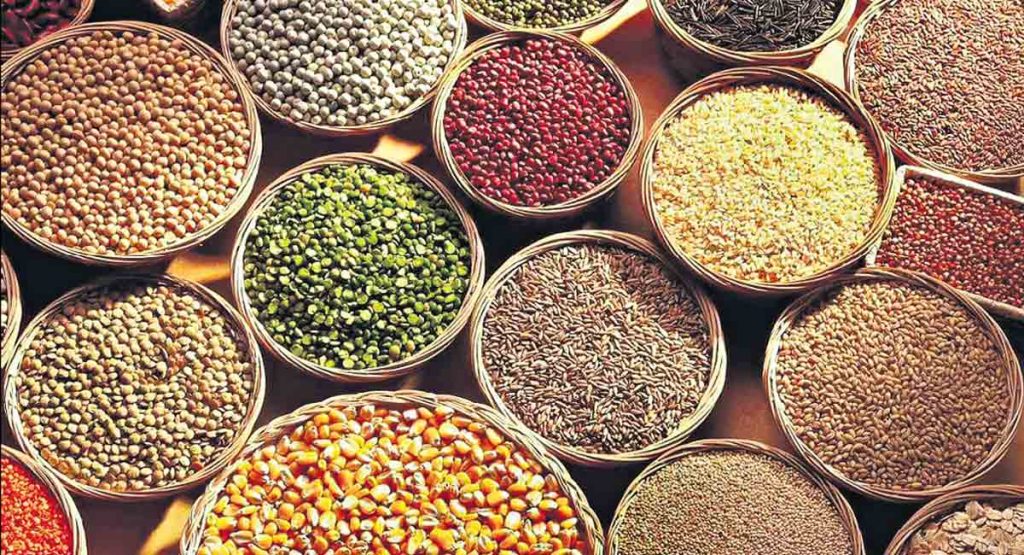
The revival movement is driven by multiple factors: the desire for healthier diets, the need for sustainable and climate-adaptive agriculture, and the recognition of culinary and cultural heritage. Ancient crops such as einkorn, emmer, sorghum, and millet, along with traditional legumes like chickpeas, lentils, and cowpeas, are increasingly appreciated for their rich nutrient profiles, unique flavors, and versatility in contemporary cuisine.
This article explores the historical significance, agricultural potential, nutritional benefits, culinary applications, and socio-economic impact of reviving these crops. It emphasizes how their resurgence contributes to food security, biodiversity preservation, and gastronomic innovation.
Section 1: Historical Significance of Ancient Crops
1.1 Origins and Domestication
Ancient grains and legumes represent some of the earliest cultivated crops in human history:
- Einkorn and Emmer wheat: Cultivated in the Fertile Crescent over 10,000 years ago.
- Sorghum and Millets: Staple crops in Africa and Asia, adapted to arid climates.
- Legumes (chickpeas, lentils, fava beans): Integral to early agricultural systems, providing protein and nitrogen-fixing benefits.
These crops were integral to the dietary, cultural, and ritual practices of early civilizations. Their historical cultivation reflects regional adaptation to soil, climate, and socio-economic conditions.
1.2 Cultural and Culinary Heritage
- Traditional recipes: Local breads, porridges, and stews rely on indigenous grains and legumes.
- Regional identity: Specific grains and beans are associated with particular communities or festivals.
- Oral and written documentation: Historical texts, cookbooks, and folk knowledge preserve their uses and significance.
Section 2: Agricultural Potential and Sustainability
2.1 Resilience to Climate Change
Ancient and local crops often demonstrate remarkable adaptability:
- Drought tolerance: Millets, sorghum, and teff thrive in low-water conditions.
- Soil adaptability: Heritage legumes improve soil fertility through nitrogen fixation.
- Pest and disease resistance: Traditional varieties often possess natural resilience, reducing dependence on chemical pesticides.
2.2 Soil and Biodiversity Benefits
- Cultivating diverse crops enhances soil microbiome health.
- Promotes agro-biodiversity, protecting genetic resources against monoculture vulnerabilities.
- Integrating legumes into crop rotation improves nutrient cycling and reduces the need for synthetic fertilizers.
2.3 Sustainable Farming Practices
- Smallholder and community-based agriculture: Supports rural livelihoods and preserves knowledge.
- Organic and regenerative methods: Align with environmentally conscious consumption trends.
- Seed saving initiatives: Ensure preservation of genetic diversity for future generations.
Section 3: Nutritional and Health Benefits
3.1 Nutrient Density
Ancient grains and legumes are nutritionally superior in many respects:
- High protein content: Legumes such as lentils and chickpeas provide complete amino acid profiles when combined with grains.
- Dietary fiber: Promotes digestive health and glycemic control.
- Micronutrients: Rich in iron, magnesium, zinc, B vitamins, and antioxidants.
3.2 Functional Properties
- Low glycemic index: Helps manage blood sugar levels.
- Prebiotic fibers: Support gut microbiota and metabolic health.
- Gluten alternatives: Certain grains like millet, sorghum, and teff are naturally gluten-free, catering to dietary restrictions.
3.3 Implications for Modern Diets
- Plant-forward nutrition: Supports vegetarian and vegan diets.
- Health-conscious culinary trends: Increasingly integrated into bakery, pasta, and snack innovations.
- Chronic disease prevention: Regular consumption associated with reduced risk of diabetes, cardiovascular diseases, and obesity.
Section 4: Culinary Applications
4.1 Traditional Dishes
- Bread and porridge: Einkorn, spelt, and millet form the basis of regional staples.
- Stews and soups: Legumes combined with grains or vegetables form protein-rich, hearty meals.
- Fermented foods: Soy, chickpeas, and lentils used in traditional fermentation enhance flavor and digestibility.
4.2 Modern Gastronomy
- Artisanal baking: Incorporation of heritage flours in sourdough, flatbreads, and specialty pastries.
- Plant-based innovation: Legumes and ancient grains used in meat analogues, protein bars, and pasta alternatives.
- Flavor fusion: Combining traditional grains and beans with contemporary culinary techniques for novel textures and taste profiles.
4.3 Sensory Attributes
- Distinctive flavors: Nutty, earthy, and slightly sweet notes.
- Texture diversity: Chewy grains, creamy legumes, and crunchy sprouted variants enhance dish complexity.
- Aesthetic appeal: Colorful grains and beans elevate plating presentation.
Section 5: Socio-Economic and Cultural Impact
5.1 Supporting Rural Communities
- Small-scale cultivation empowers farmers, providing economic stability.
- Revival initiatives foster local entrepreneurship, including artisanal products, specialty flours, and packaged legume snacks.
- Encourages knowledge transfer between generations of farmers and cooks.
5.2 Culinary Tourism
- Ancient grains and legumes inspire heritage-focused dining experiences.
- Culinary tours integrate visits to farms, markets, and traditional kitchens, creating immersive educational experiences.
- Restaurateurs highlight authentic regional ingredients, strengthening brand differentiation and cultural storytelling.
5.3 Policy and Research Support
- Governments and NGOs promote seed banks, research programs, and subsidies to ensure crop sustainability.
- Food scientists explore nutritional profiling, breeding programs, and climate-resilient cultivars.
- Public awareness campaigns encourage consumer adoption, linking health, taste, and sustainability.
Section 6: Global Revival Initiatives
6.1 Africa
- Sorghum and millet reintroduction: Promoted as drought-resistant staples in West and East Africa.
- Nutritional education programs integrate local grains into school meals.
6.2 Asia
- Teff and millets in India and Ethiopia: Revived in traditional flatbreads, porridges, and snacks.
- Legume-based curries and fermented foods highlight protein-rich local diets.
6.3 Europe
- Spelt, einkorn, and emmer wheat: Reintroduced in artisanal bakeries and organic farms.
- Ancient grains featured in gourmet and functional foods emphasizing health and tradition.
6.4 Americas
- Quinoa, amaranth, and heritage beans: Rediscovered as nutritional powerhouses in South and Central America.
- Indigenous cultivation practices promoted to protect agricultural heritage.
Section 7: Challenges and Solutions
7.1 Agricultural and Market Challenges
- Low yield compared to modern high-yield crops may limit adoption.
- Seed availability and preservation require community seed banks.
- Consumer awareness and market demand must be cultivated through education and marketing.
7.2 Culinary Adaptation Challenges
- Texture and flavor differences may require recipe modifications.
- Integration into modern diets demands innovation in product development, cooking techniques, and packaging.
7.3 Policy and Support Measures
- Government incentives for heritage crop cultivation.
- Research funding for yield improvement, pest resistance, and nutritional profiling.
- Promotion of farm-to-table supply chains connecting producers with culinary and retail markets.
Section 8: Scientific Research and Nutritional Profiling
8.1 Functional Components Analysis
- Polyphenols, antioxidants, and resistant starches identified in ancient grains.
- Bioactive peptides and proteins from legumes contribute to immune modulation and metabolic health.
8.2 Culinary Science Applications
- Fermentation of legumes and grains enhances digestibility, flavor, and bioavailability of nutrients.
- Grain blending strategies create balanced amino acid profiles, supporting plant-based diets.
- Texture engineering for modern baking and pasta production maintains traditional characteristics while improving palatability.
Section 9: Culinary Innovation and Market Potential
9.1 Artisanal and Specialty Products
- Heritage flours for gourmet breads, pasta, and snacks.
- Ready-to-cook legume meals, sprouted grains, and fermented products.
- Premium products positioned as healthful, sustainable, and culturally authentic.
9.2 Gastronomic Tourism and Education
- Farm visits and cooking workshops highlight ingredient origin, history, and preparation methods.
- Interactive experiences attract food enthusiasts, chefs, and culinary students, bridging tradition and innovation.
9.3 Consumer Awareness and Branding
- Marketing ancient crops emphasizes nutritional value, sustainability, and cultural narrative.
- Labels and certifications for heritage crops encourage ethical consumption and traceability.
Section 10: Future Prospects
- Integration into mainstream diets through innovative product development.
- Global collaborations to exchange cultivation knowledge and culinary techniques.
- Climate adaptation by selecting resilient varieties suited to local environmental conditions.
- Educational outreach linking culinary, agricultural, and nutritional sciences to encourage adoption.
Conclusion: A Return to Culinary and Agricultural Roots
The revival of ancient crops, local grains, and heritage legumes represents a holistic approach to modern food challenges:
- Nutrition: Providing diverse, nutrient-rich options for health-conscious consumers.
- Sustainability: Supporting climate-resilient and environmentally friendly agriculture.
- Cultural preservation: Safeguarding culinary heritage and regional identity.
- Culinary innovation: Inspiring chefs, artisans, and food entrepreneurs to reimagine traditional ingredients.
By combining agricultural science, culinary expertise, and cultural storytelling, the renaissance of these crops ensures that heritage, flavor, and biodiversity are not only preserved but also celebrated in modern gastronomy.