









Introduction
Dining, traditionally seen as a simple act of consuming food for sustenance, has undergone a revolutionary transformation in recent years. As society’s relationship with food evolves, the mere act of eating has been redefined. It is no longer limited to fulfilling physical hunger; dining has become an immersive experience, engaging not only our taste buds but also sight, smell, sound, touch, and even our emotions. From interactive multi-sensory environments to narrative-driven meals, dining is now an experience—a journey that incorporates creativity, technology, and sensory engagement.
This article explores how dining has evolved from a simple meal into a comprehensive, immersive experience. Through technological advancements, innovative culinary techniques, and the use of storytelling, food is becoming a medium for emotional connection, social interaction, and artistic expression. We will delve into the components of immersive dining, examine real-world examples, and analyze how these trends are shaping the future of the culinary world.
Defining Immersive Dining
What is Immersive Dining?
Immersive dining is a concept that transforms the traditional meal into an interactive, multi-sensory event. Unlike conventional dining, where the primary focus is on food and conversation, immersive dining integrates technology, performance art, music, lighting, storytelling, and even sensory manipulation to create a rich, emotional journey for diners. It’s an experience that invites the diner to become an active participant, breaking down the traditional barriers between chef, food, and guest.
In immersive dining, every aspect of the meal is designed to engage the senses and emotions, transforming the act of eating into a form of entertainment, education, and artistic expression. The food itself is often part of a larger narrative, designed to evoke a sense of wonder, curiosity, and emotional connection.
The Rise of Sensory and Experiential Dining
Traditional Dining vs. Immersive Dining
For centuries, dining was simply about nourishment—fueling the body with food to survive. In many cultures, eating was a communal activity, but the focus remained on the consumption of food itself. Over time, however, the role of food has changed. With globalization and advancements in culinary techniques, dining has evolved into something far more complex and dynamic.
Immersive dining represents the latest stage in this evolution, blending gastronomy with performance, art with science, and emotion with flavor. The rise of conceptual restaurants, experiential dining events, and interactive food installations shows that food is no longer only for nourishment; it is a vehicle for storytelling, creativity, and social engagement.
The Role of Sensory Engagement
Immersive dining leverages the concept of multi-sensory engagement, meaning that it stimulates several senses at once. The experience is not limited to taste; it involves sight, sound, smell, and touch. Research has long shown that our sense of taste is influenced by the other senses, especially sight and smell. By engaging these other senses, immersive dining enhances the overall sensory experience, creating a more memorable and impactful meal.
For example, lighting can influence the perception of food, with dimmed or warm lighting making dishes appear richer or more flavorful. Background music can affect the emotional tone of the meal, making it feel more festive or intimate. Even ambient scents can alter the way we perceive flavor, with familiar aromas enhancing the perception of sweetness or freshness.
Key Elements of Immersive Dining
1. Interactive Participation
At the heart of immersive dining is interaction—the idea that diners should not merely observe but actively engage in the dining experience. This can include anything from participatory cooking to interactive food presentations.
- DIY Stations: In some immersive dining experiences, diners are invited to prepare their own food, whether it’s assembling ingredients or even cooking a dish themselves. This engagement transforms the meal into a creative activity, making the diner feel connected to the food from the very beginning.
- Edible Art Installations: Some chefs and food artists incorporate interactive elements, where diners can shape or alter their meals, such as sculpting a chocolate dessert or adding flavor components to a dish themselves. This hands-on involvement creates a more personal connection with the meal.
- Choice and Customization: Some dining experiences offer a selection of ingredients or flavors, allowing diners to personalize their meal. The choice is often framed by the narrative of the experience, making the act of personalization a key part of the story.
2. Narrative Storytelling
Narrative-driven meals are an increasingly popular element of immersive dining. Storytelling can make the meal more meaningful and emotionally engaging. Instead of simply serving dishes, chefs now present meals as chapters of a story, with each course contributing to a thematic narrative.
For example, diners might be taken on a journey through time, experiencing historical settings through the food they eat. Alternatively, a meal might reflect the chef’s personal journey, where each course symbolizes a significant moment in their life. Storytelling not only adds depth to the food but also creates a more immersive, multi-dimensional experience that resonates with diners on an emotional level.
3. Environmental Design
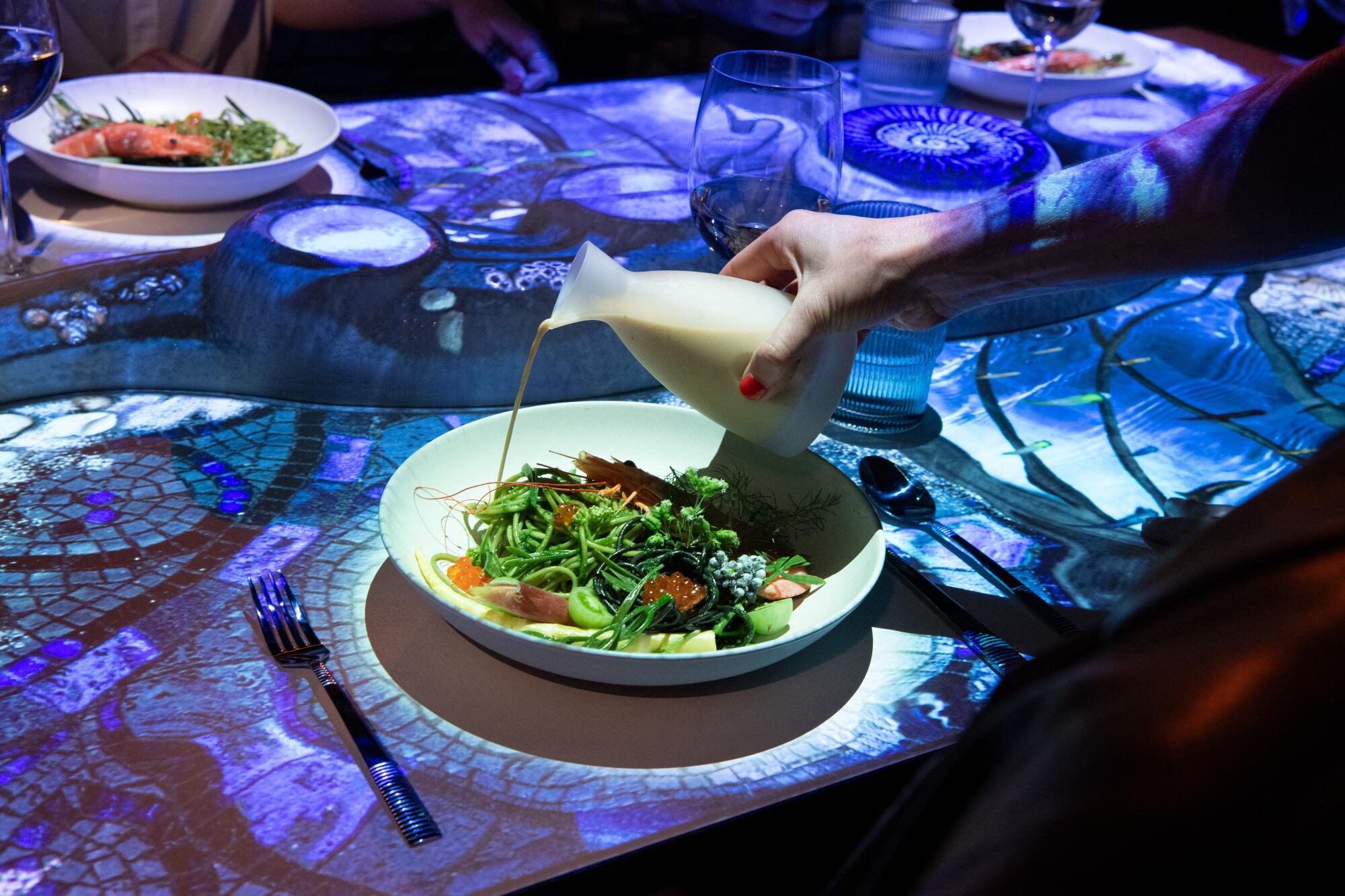
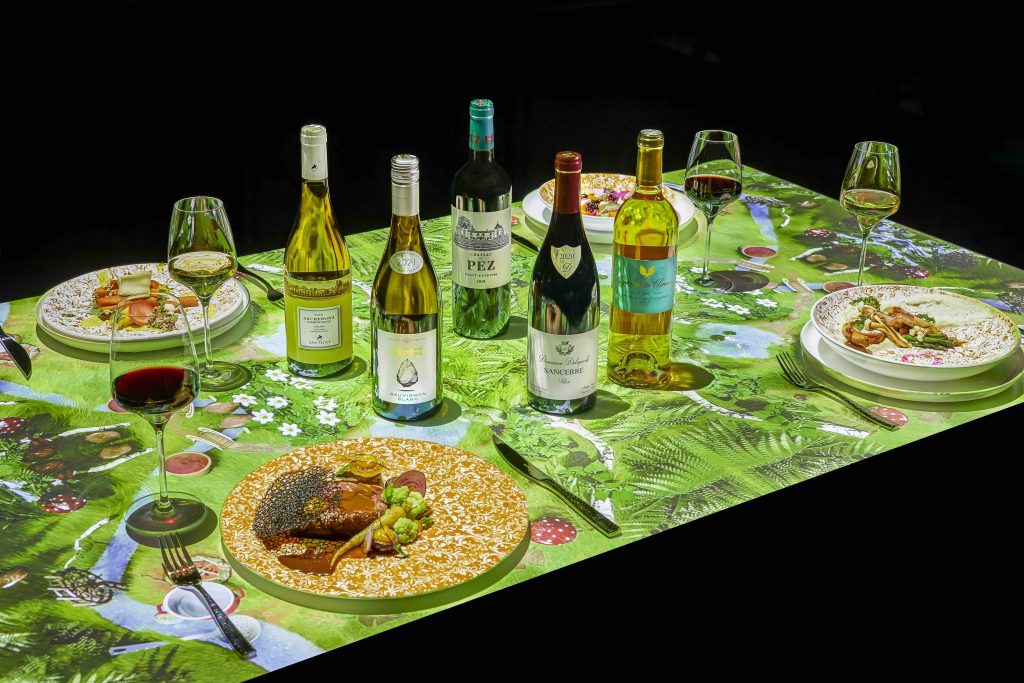
The atmosphere of the dining space is just as crucial as the food itself. Restaurants and immersive dining events use environmental design to set the stage for the meal. This includes lighting, color schemes, seating arrangements, and even visual projections that immerse diners in a particular world or theme.
For example:
- A futuristic dining experience might involve neon lights, holograms, and projections that transport diners to a distant planet.
- A historical-themed meal might incorporate vintage decor, period music, and traditional seating arrangements, helping diners feel as though they are part of a past era.
These environmental cues help diners fully engage in the experience and enhance the emotional impact of the meal.
4. Technology Integration
Advancements in technology play a significant role in creating immersive dining experiences. Cutting-edge innovations such as augmented reality (AR) and virtual reality (VR) are pushing the boundaries of what is possible in food experiences.
- Virtual Reality Dining: Some restaurants offer VR dining, where guests wear headsets and are transported to different environments or time periods while they eat. For instance, diners might experience a meal in the middle of a lush forest, complete with immersive sounds and visuals that align with the flavors they are tasting.
- Augmented Reality: With AR, diners can interact with the food in real-time. For example, dishes might change appearance or reveal hidden elements when viewed through AR glasses. This technology can bring a whole new level of interaction to the meal.
In addition, robotic chefs, automated servers, and interactive displays are becoming more common, adding another layer of innovation to the immersive dining experience.
Cultural Shifts and Dining Trends
The Social Aspect of Immersive Dining
As dining becomes more of a social event, shared experiences are becoming a central focus of immersive dining. Instead of the traditional, individualistic experience of eating, diners are now encouraged to participate in meals together, whether through communal tables, group cooking activities, or shared courses.
- Family-style meals are increasingly popular in immersive dining settings, where diners are encouraged to share dishes and engage in conversation.
- Collaborative cooking experiences, where groups of diners work together to prepare a meal, promote social bonding and create a sense of community around the meal.
This shift toward social dining reflects a broader trend of experience economy, where the emphasis is placed on memories, connection, and engagement rather than simply the consumption of food.
Dining as Performance Art
Immersive dining is also heavily influenced by the concept of performance art. Chefs, waitstaff, and even the food itself become part of the performance, often interacting with the diners in ways that break down the traditional roles of host and guest.
For example, molecular gastronomy might involve live cooking demonstrations, where chefs manipulate ingredients in front of diners, or food artists might create interactive edible sculptures during the meal. The artistic presentation of the food—shaped into surreal forms or designed to tell a story—further emphasizes the performance aspect of the meal.
Real-World Examples of Immersive Dining
1. Dîner en Blanc
This famous global pop-up dining event takes the concept of social dining to a whole new level. Diners are required to dress in white, and the event is held in an undisclosed location, with participants gathering at the last minute. The experience is about the surprise, the shared experience, and the communal celebration of food.
2. The Fat Duck
Chef Heston Blumenthal’s The Fat Duck in the UK is a prime example of immersive dining. Blumenthal’s innovative dishes—such as the famous “Sound of the Sea” (which involves listening to ocean sounds while tasting a seafood dish)—create a sensory environment where sound and flavor come together to form a complete dining experience.
3. Themed Restaurants in Japan
In Japan, themed restaurants like Robot Restaurant in Tokyo offer futuristic, multi-sensory dining experiences with elaborate performances, interactive technology, and immersive environments, turning a meal into a theatrical event.
Conclusion: The Future of Dining
The shift from traditional eating to immersive dining is a clear reflection of the evolving relationship between food, culture, and entertainment. As technology advances and creative concepts continue to shape the culinary world, the dining experience will become even more multi-sensory, interactive, and emotionally engaging.
For chefs, restaurateurs, and food innovators, immersive dining represents an opportunity to reimagine the way we experience food—creating not just meals, but moments that resonate emotionally, culturally, and socially.