








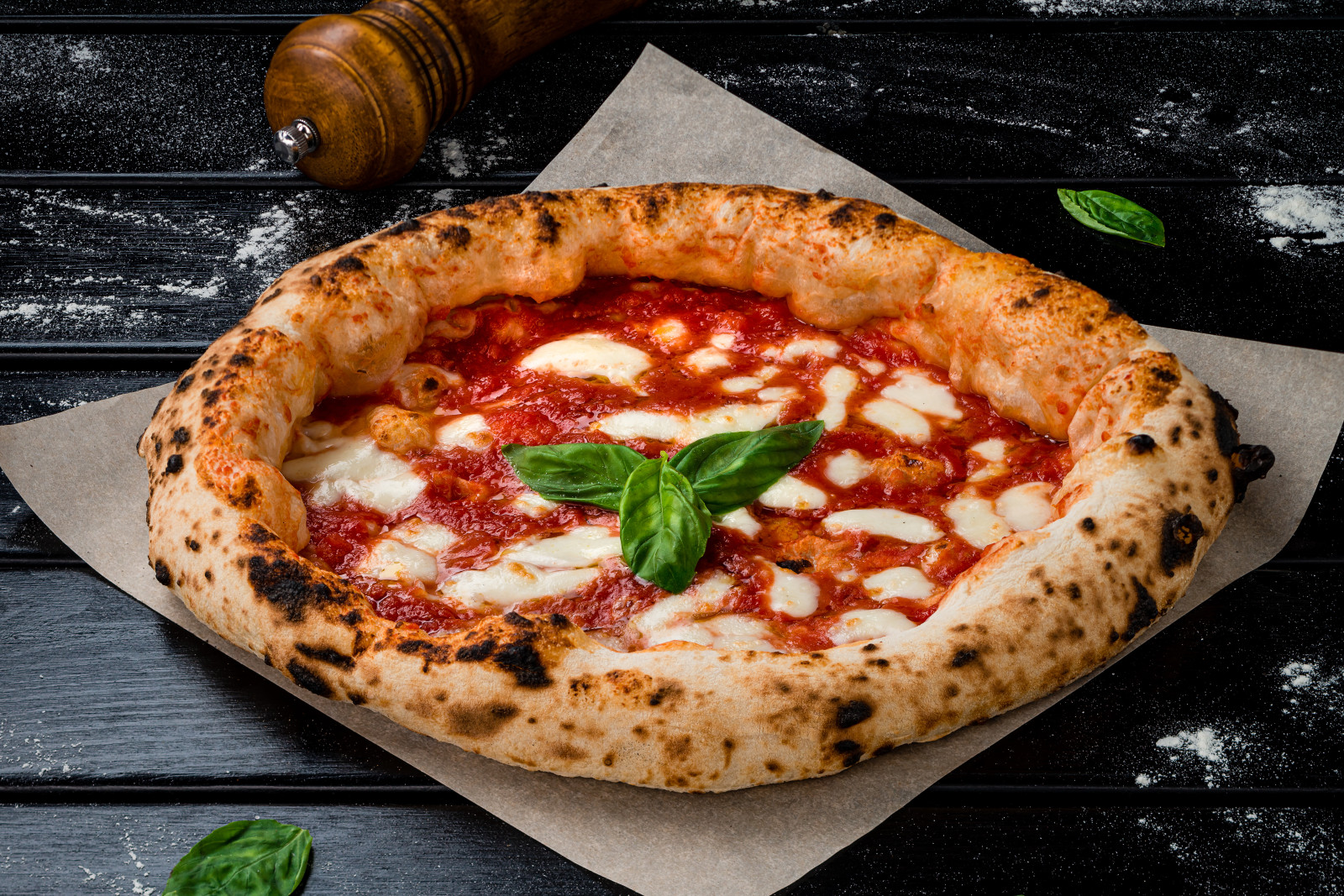

Introduction: When Craft Food Becomes a Gateway to Place
In recent years, food tourism has evolved far beyond restaurant hopping or checklist-style dining experiences. Travelers increasingly seek meaningful, place-based encounters—experiences that connect food with history, landscape, and human tradition. Within this broader movement, a particularly compelling form of culinary travel has emerged: journeys that combine artisan pizza, handmade pasta, and historic villages into a unified cultural experience.
This form of gastronomic tourism is not driven by novelty alone. It is rooted in craft knowledge passed down through generations, in architectural and agricultural continuity, and in communities where food is inseparable from daily life. Handmade dough, slow fermentation, stone ovens, local wheat varieties, and timeworn village streets together create an experience that is sensory, educational, and deeply human.
This article provides a comprehensive and professional analysis of food tourism centered on artisan pizza and handmade pasta within historic villages. It examines cultural origins, craft techniques, spatial context, economic and social impact, sustainability, traveler motivation, and future development. Rather than treating food as an attraction detached from its surroundings, this approach understands cuisine as a living expression of place.
1. The Rise of Craft-Centered Food Tourism
1.1 From Consumption to Participation
Traditional food tourism often focused on consumption: tasting famous dishes, visiting renowned restaurants, or purchasing specialty products. Contemporary travelers, however, increasingly value:
- Process over product
- Learning over luxury
- Participation over observation
Handmade pizza and pasta fit this shift perfectly. They invite travelers into kitchens, bakeries, and workshops, where dough is shaped by hand and techniques are explained through practice rather than performance.
1.2 Why Artisan Dough Holds Universal Appeal
Bread, pizza, and pasta are among the most universal foods in the world. Their simplicity makes them accessible; their craft depth makes them endlessly fascinating. For travelers, artisan dough offers:
- Familiar flavors with local character
- Visible craftsmanship
- A tangible connection between raw ingredients and finished food
This balance between familiarity and specificity makes handmade dough an ideal anchor for culinary tourism.
2. Historic Villages as Culinary Landscapes
2.1 Villages as Living Archives
Historic villages are not static museums. They are living environments where:
- Architecture reflects centuries of adaptation
- Foodways evolve slowly
- Daily rhythms remain connected to land and season
In these settings, pizza ovens and pasta tables are not staged attractions; they are continuations of everyday life.
2.2 Spatial Memory and Taste
Food tastes different when eaten where it originated. Narrow stone streets, aging churches, shared courtyards, and agricultural surroundings all influence perception. In historic villages:
- Meals unfold more slowly
- Context deepens flavor perception
- Eating becomes a spatial experience
Culinary tourism here engages not just the palate, but the sense of place.
3. Artisan Pizza: Craft, Technique, and Cultural Meaning
3.1 Beyond a Globalized Icon
Pizza is one of the most globalized foods in existence. Yet artisan pizza in historic villages reveals a different reality:
- Dough formulas vary by region
- Fermentation times reflect climate
- Baking methods depend on local ovens and fuels
This diversity challenges standardized interpretations and restores pizza as a regional craft.
3.2 Dough as Cultural Expression
Artisan pizza dough embodies:
- Local wheat varieties
- Water mineral content
- Ambient yeast cultures
- Traditional kneading and resting practices
In village contexts, these factors produce flavors and textures that cannot be replicated elsewhere.
3.3 Wood-Fired Ovens and Communal Baking
Historic villages often feature communal or family-owned ovens. These ovens:
- Serve multiple households
- Anchor social interaction
- Reflect architectural and technological heritage
For travelers, witnessing or participating in communal baking offers insight into food as a social system rather than a commercial product.
4. Handmade Pasta: Skill, Rhythm, and Transmission
4.1 Pasta as Manual Knowledge
Unlike industrial pasta, handmade pasta relies on:
- Tactile judgment
- Muscle memory
- Visual cues
Skills are often transmitted orally and through demonstration, especially among family members. Culinary tourists encounter not just recipes, but living pedagogy.
4.2 Regional Forms and Meanings
Each village or region may have:
- Distinct pasta shapes
- Specific sauces tied to local agriculture
- Ritual or festive associations
Learning to shape pasta in its place of origin transforms abstract knowledge into embodied understanding.
4.3 Gender, Labor, and Cultural Continuity
In many historic villages, pasta-making has traditionally been associated with domestic labor, often performed by women. Culinary tourism, when handled respectfully, can:
- Acknowledge this labor
- Provide economic recognition
- Help preserve skills that might otherwise disappear
5. The Synergy Between Food Craft and Architecture
5.1 Kitchens as Heritage Spaces
Village kitchens are often:
- Integrated into centuries-old buildings
- Adapted rather than redesigned
- Shaped by necessity and climate
Cooking within these spaces reinforces the connection between food and architecture.
5.2 Material Continuity
Stone floors, wooden tables, ceramic bowls, and iron tools contribute to:
- Sensory coherence
- Historical continuity
- Authentic working environments
These materials are not decorative; they are functional elements shaped by long-term use.
6. Experiential Travel Design
6.1 Multi-Sensory Itineraries
Culinary tourism combining artisan pizza, handmade pasta, and villages often includes:
- Market visits
- Farm or mill tours
- Hands-on workshops
- Shared meals
The experience unfolds gradually, allowing travelers to move between production, preparation, and consumption.
6.2 Learning Through Doing
Workshops emphasize:
- Kneading dough
- Shaping pasta
- Managing fermentation
- Baking in traditional ovens
This participatory approach fosters deeper appreciation and long-term memory.

7. Economic Impact on Historic Villages
7.1 Small-Scale, High-Value Tourism
Unlike mass tourism, craft-based food travel tends to:
- Attract smaller groups
- Encourage longer stays
- Support local businesses directly
Revenue flows into households, small farms, bakeries, and workshops rather than large external operators.
7.2 Revitalization Without Displacement
When carefully managed, culinary tourism can:
- Revive declining villages
- Create incentives for younger generations to remain or return
- Support maintenance of historic buildings
Food becomes a tool for regeneration rather than extraction.
8. Sustainability and Local Food Systems
8.1 Ingredient Proximity
Artisan pizza and pasta tourism typically relies on:
- Locally grown grains
- Seasonal vegetables
- Regional dairy and oils
Short supply chains reduce environmental impact and reinforce agricultural continuity.
8.2 Preserving Biodiversity Through Demand
Tourist interest in traditional foods can:
- Encourage cultivation of heritage grains
- Support small-scale milling
- Protect local food ecosystems
Culinary tourism thus contributes to ecological as well as cultural sustainability.
9. Authenticity and Ethical Considerations
9.1 Avoiding Performance Culture
A key risk in food tourism is turning daily practices into staged performances. Ethical culinary tourism:
- Respects local rhythms
- Avoids over-scheduling
- Prioritizes consent and collaboration
Authenticity lies in participation, not spectacle.
9.2 Shared Authority and Storytelling
Villagers, bakers, and cooks should remain the primary narrators of their own food culture. Successful tourism models:
- Center local voices
- Compensate knowledge fairly
- Allow traditions to evolve naturally
10. The Role of Story and Memory
10.1 Food as Narrative Medium
Artisan pizza and pasta carry stories of:
- Migration
- Scarcity and abundance
- Family continuity
- Regional identity
Travelers encounter these narratives not through displays, but through conversation and practice.
10.2 Creating Personal Memory
For visitors, shaping dough in a historic village often becomes a lasting memory—a tactile experience that connects taste with place long after the journey ends.
11. Comparison with Urban Food Tourism
11.1 Pace and Attention
Urban food tourism often emphasizes:
- Variety
- Speed
- Trend awareness
Village-based craft tourism emphasizes:
- Depth
- Repetition
- Attention
Both have value, but the latter offers a counterbalance to modern acceleration.
11.2 Learning vs. Sampling
Rather than sampling many dishes briefly, village food tourism encourages:
- Extended engagement with a few foods
- Mastery of fundamentals
- Appreciation of nuance
This shift aligns with broader movements toward slow travel.
12. Challenges and Limitations
12.1 Infrastructure and Accessibility
Historic villages may face:
- Limited accommodation
- Transportation challenges
- Capacity constraints
Thoughtful planning is required to balance access with preservation.
12.2 Risk of Over-Romanticization
There is a risk of idealizing rural life or freezing traditions in time. Sustainable culinary tourism allows:
- Modern adaptation
- Economic realism
- Cultural agency
Tradition remains alive only when it can change.
13. Education and Knowledge Exchange
13.1 Culinary Tourism as Informal Education
Travelers gain:
- Practical skills
- Historical context
- Greater food literacy
These experiences often influence how visitors cook and eat after returning home.
13.2 Reciprocal Learning
Hosts also learn:
- How their traditions are perceived
- New ways to communicate knowledge
- Opportunities for innovation grounded in heritage
The exchange is mutual rather than extractive.
14. The Future of Artisan Dough–Centered Food Travel
14.1 Integration with Digital Tools
While the experience is analog, digital tools support:
- Pre-trip education
- Documentation of techniques
- Long-term connection between travelers and hosts
Technology extends the life of the experience without replacing it.
14.2 Resilience in a Changing World
As global food systems face climate and economic uncertainty, localized craft knowledge becomes increasingly valuable. Culinary tourism can:
- Reinforce local resilience
- Preserve adaptive skills
- Highlight food as cultural infrastructure
Conclusion: Eating History, Shaping the Future
Culinary tourism that unites artisan pizza, handmade pasta, and historic villages represents more than a travel trend. It is a response to a world hungry for connection—connection to place, to craft, to people, and to time. In these villages, dough is not just food; it is memory made tangible, history shaped by hand.
By engaging respectfully with these traditions, travelers do more than consume culture. They participate in its continuation. And by grounding tourism in everyday practices rather than spectacle, historic villages can welcome visitors without losing themselves.
In this convergence of handmade food and historic place, culinary tourism becomes an act of preservation, education, and shared humanity—one kneaded, shaped, and baked moment at a time.