








When it comes to iconic culinary traditions, few can match the rich history and unrivaled craftsmanship of French bread and Italian pasta. These two food staples are more than just dietary essentials—they are the cultural soul of their respective countries, celebrated not only for their flavors but for the intricate methods used to prepare them. Whether it’s the crusty baguette of France or the handcrafted pasta of Italy, both embody a timeless connection to history, region, and tradition.
In this article, we will delve deep into the origins, significance, and preparation of traditional French bread and handmade Italian pasta, exploring their cultural importance and how they continue to influence modern food culture. Along the way, we will uncover the unique techniques and stories behind these beloved culinary practices and how they have evolved over centuries.
The Essence of French Bread: A Tradition of Craftsmanship
The Origin of French Bread
French bread is as much a symbol of the country’s culture as the Eiffel Tower or the Château de Versailles. The art of breadmaking in France has ancient roots that stretch back to the Roman Empire, but it was during the Middle Ages that the country’s distinctive breadmaking techniques began to take shape. By the 17th century, France had developed a robust bread culture, with various regions each contributing their own varieties, such as boule, pain de campagne, and the now-legendary baguette.
The Different Types of French Bread
- Baguette
The baguette is perhaps the most recognizable and iconic type of French bread. It is characterized by its long, thin shape, crisp golden-brown crust, and soft, airy interior. Legend has it that the baguette was first introduced in the late 19th century in Paris, although its precise origins remain debated. Today, it is an essential part of French life—eaten with everything from butter and jam for breakfast to cheese and charcuterie for dinner. - Pain de Campagne
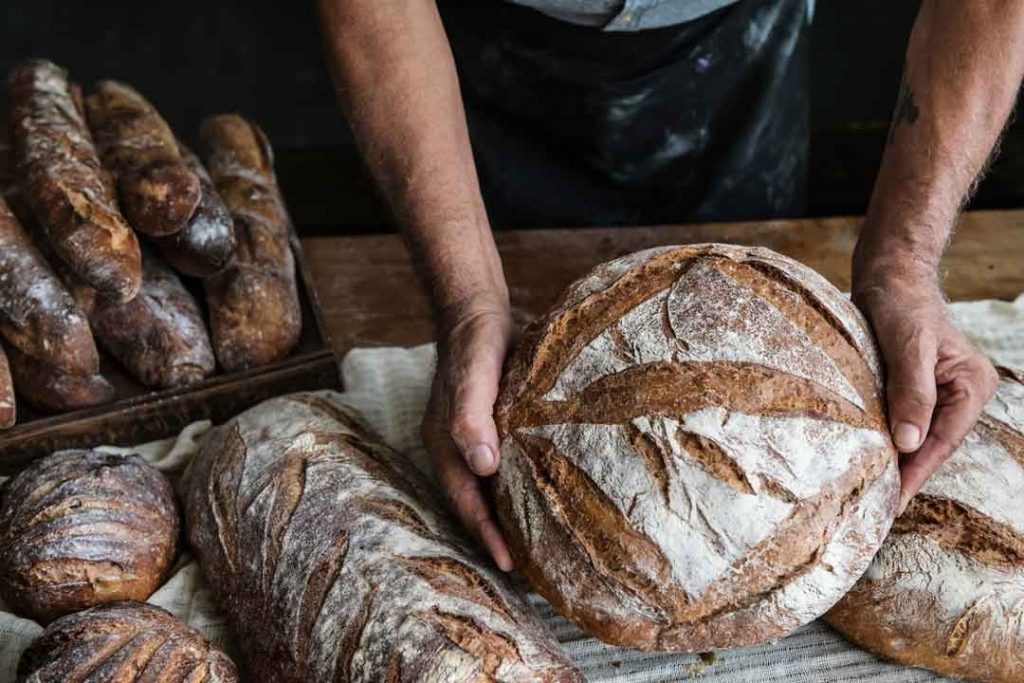
Pain de campagne, also known as French country bread, is a rustic, round loaf made with a sourdough starter. The bread has a thick, chewy crust and a sour flavor that results from the natural fermentation process. Originating from rural France, this bread has deep historical roots and is often made with a combination of white and whole wheat flour. - Bâtard
A close relative of the baguette, bâtard is slightly wider and shorter, with a similar crusty exterior and soft crumb. It is often served in smaller portions than the baguette, making it a popular choice for family meals or casual gatherings. - Pain Complet
For those seeking a healthier option, pain complet (whole wheat bread) is a nutritious alternative to the traditional white bread varieties. Made with whole grain flour, it has a dense texture and a richer flavor.
The Art of Making French Bread
French bread is a product of time, technique, and patience. While there are many types of bread in France, the core principles behind their preparation remain consistent: the use of high-quality ingredients, fermentation, and careful attention to detail.
- Fermentation and Leavening
The process of making French bread begins with fermentation, which allows the dough to rise and develop its distinctive texture and flavor. In traditional French bread, natural starters, like sourdough, are often used to create the desired tangy flavor. The dough is mixed and left to rest, allowing the yeast to work its magic over time. - Shaping and Baking
Shaping the dough into its desired form is an essential part of the breadmaking process. For the baguette, the dough is divided into long, thin pieces and gently rolled into shape. Scoring the top of the dough with a sharp knife or razor blade helps the bread expand as it bakes, creating its characteristic crusty exterior and light interior. - The French Oven
In traditional French bakeries, the bread is baked in wood-fired ovens. The high, consistent heat produces the perfect crisp crust and soft crumb that distinguishes French bread from its counterparts in other cultures. Today, many bakeries use electric ovens that replicate this heat to achieve similar results.
The Cultural Importance of French Bread
Bread holds cultural significance in France far beyond its role as a food. The act of breaking bread together is a symbol of unity, and French bread is often shared during family gatherings, meals with friends, and communal celebrations. The baguette, in particular, has become a national symbol, representing the country’s culinary heritage and craftsmanship.
Handmade Italian Pasta: A Heritage of Tradition
The Origin of Italian Pasta
Like French bread, Italian pasta is a food that is deeply rooted in the history and culture of its country. Pasta has been a cornerstone of Italian cuisine for centuries, with its origins tracing back to the ancient Romans who made rudimentary forms of pasta. However, it was in medieval Italy that pasta began to take on the forms we recognize today, evolving alongside the rich agricultural and culinary traditions of Italy’s diverse regions.
Types of Handmade Italian Pasta
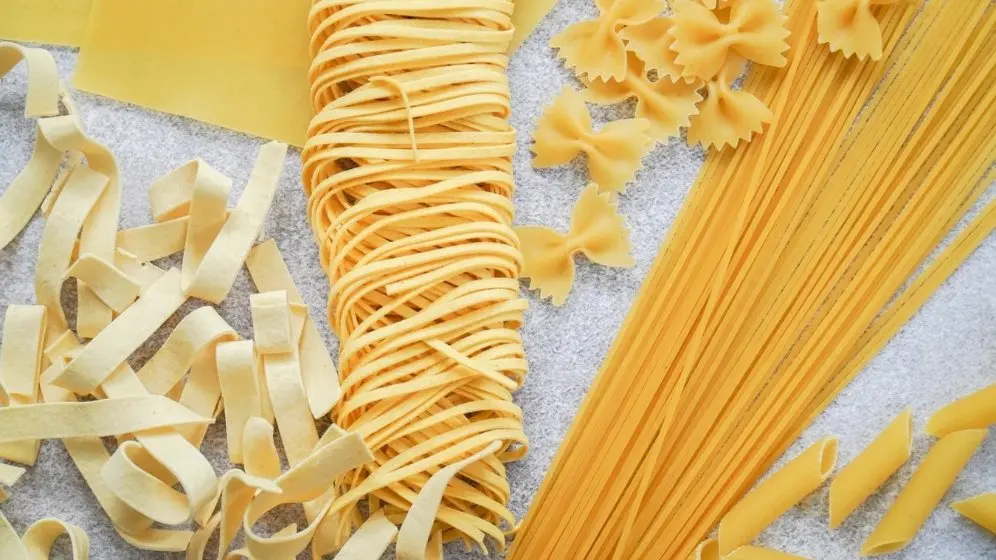
The vast diversity of pasta shapes and types in Italy is a reflection of the country’s rich culinary history. Each region has its own distinctive pasta-making techniques, often tied to local ingredients, traditions, and cultural influences.
- Tagliatelle
Tagliatelle is a long, flat pasta that originates from the Emilia-Romagna and Marche regions of Italy. Made by rolling out dough and cutting it into thin ribbons, tagliatelle is often served with hearty sauces such as Bolognese or ragù. - Pappardelle
Similar to tagliatelle but wider, pappardelle is a rich, thick pasta that pairs well with bold sauces, especially those made with wild game, like rabbit or boar. - Orecchiette
A specialty of Puglia in southern Italy, orecchiette is a small, round pasta that resembles tiny ears. It is traditionally served with broccoli rabe, sausages, or tomato-based sauces. - Ravioli
Ravioli are stuffed pasta pockets that can be filled with a variety of ingredients, such as cheese, meat, or vegetables. They are typically served with a simple sauce of butter and sage or in broth.
The Craft of Making Handmade Pasta
The process of making handmade pasta is an art form passed down through generations. While store-bought pasta may be convenient, nothing compares to the texture and flavor of fresh, handmade pasta.
- Making the Dough
The dough for handmade pasta is typically made with just flour and eggs, sometimes with a little water or olive oil. The ratio of flour to eggs is crucial to getting the right texture. The dough is kneaded until smooth and elastic, then left to rest. - Rolling and Cutting the Pasta
Once the dough has rested, it is rolled out into thin sheets, either by hand with a rolling pin or by machine with a pasta maker. These sheets are then cut into various shapes, depending on the type of pasta being made. For shapes like ravioli and agnolotti, the dough is filled with a variety of fillings before being sealed and boiled. - Drying vs. Fresh Pasta
While dry pasta is widely available and convenient, fresh pasta is often considered superior in flavor and texture. Fresh pasta cooks quickly and has a delicate and soft texture, making it perfect for lighter sauces. Dried pasta, on the other hand, holds up better to heavier sauces and longer cooking times.
The Cultural Significance of Italian Pasta
Pasta in Italy is much more than food; it is a cultural touchstone that brings families and communities together. From the simple bowls of spaghetti served in homes across the country to the elaborate pasta feasts that mark holidays and celebrations, pasta is a symbol of Italian hospitality, family, and tradition.
The pasta meal is often the centerpiece of family gatherings, where generations of Italians bond over the preparation and enjoyment of pasta dishes. The act of making pasta by hand, passed down through families, is a tradition that continues to thrive in many Italian households today.
Conclusion: The Timeless Connection Between Bread and Pasta
Both traditional French bread and handmade Italian pasta are not just culinary staples—they are expressions of culture, history, and identity. These foods have survived the test of time because they are rooted in tradition, yet continue to evolve as chefs and home cooks innovate and experiment with new techniques and flavors. Whether it’s the crisp, golden baguette from France or the hearty tagliatelle from Italy, these foods serve as a testament to the power of craftsmanship and the enduring connection between food and culture.
In the end, what makes these culinary treasures so special is not just their flavors, but the love, skill, and heritage that go into making them. Through each bite, we are reminded of the generations of artisans who have passed down their techniques, and the cultural richness that they represent.