








In the 21st century, the fusion of Asian and Western cultures has become one of the defining features of our interconnected world. Globalization, technological advancements, and increased travel have led to an unprecedented exchange of ideas, values, and practices between the East and the West. What once seemed like distinct, separate cultural entities are now merging in complex ways, influencing everything from food and fashion to business and technology. However, this fusion raises questions about identity, authenticity, and the impacts of cultural exchange. This article explores how the fusion of Asia and the West has evolved, its various manifestations, the challenges it poses, and its implications for the future of global culture.
1. Historical Context of East-West Interactions
The East and the West have been in contact for centuries, long before the term “globalization” entered the modern lexicon. The history of their interaction can be divided into several key phases:
1.1 The Silk Road: The First Cultural Bridge
The Silk Road, which connected Asia with Europe and the Mediterranean, was one of the earliest examples of cultural exchange. Merchants, missionaries, and explorers traveled along these routes, exchanging goods like silk, spices, and precious metals. Alongside these goods, ideas, art, religion, and philosophy also traveled. For instance:
- Buddhism: Buddhist teachings spread from India to China and later to Korea and Japan.
- Science and Technology: Ancient Chinese innovations like papermaking and gunpowder reached Europe, profoundly shaping Western technological development.
This early interaction laid the foundation for ongoing cultural exchanges between the two regions.
1.2 The Age of Exploration: Expanding the Global Reach
The Age of Exploration (15th to 17th centuries) marked another important chapter in East-West interaction. European powers, seeking new trade routes, began to explore Asia more extensively. The arrival of the Portuguese, Dutch, British, and other European colonizers in Asia led to the exchange of goods but also caused cultural disruptions:
- Trade and Missionary Work: The spread of Christianity in Asia, alongside the introduction of European-style commerce, played a major role in this period.
- Cultural Encounters: Western fashion, art, and architecture began influencing Asian traditions, with hybrid styles emerging, such as the Indo-Portuguese architectural fusion.
However, this period also saw the imposition of Western colonial structures, which often marginalized or suppressed indigenous cultures.
2. The Rise of Globalization: The Modern Fusion
The 20th century witnessed an acceleration in East-West fusion, fueled by advances in technology, travel, and communication. The concept of globalization brought cultures closer together, facilitating the exchange of ideas, goods, and services on an unprecedented scale.
2.1 Economic Globalization: Asia’s Role in the World Economy
By the late 20th century, Asia had become a key player in the global economy. The rapid industrialization of Japan, followed by the rise of China as an economic powerhouse, shifted the global balance of power. This economic shift has led to the blending of Eastern and Western business practices:
- Manufacturing and Technology: Many Western companies outsource production to Asia, while Asian companies, such as Samsung and Huawei, compete in global markets.
- Cultural Exports: Asian countries have become major exporters of pop culture, from anime and K-pop to cinema, influencing Western tastes.
Simultaneously, Western consumer goods, such as fast food, clothing brands, and entertainment, have permeated Asian markets, leading to hybrid lifestyles.
2.2 Technological Fusion: The Digital Age
The rise of the internet and digital technologies has further blurred the lines between East and West. Social media platforms, online streaming services, and digital communication tools have created virtual spaces where cultural exchange is immediate and ubiquitous.
- Entertainment and Media: Hollywood films are now interwoven with Bollywood productions, and Asian pop culture has found massive audiences in the West through platforms like YouTube and Spotify.
- Digital Platforms: The global popularity of Asian e-commerce giants like Alibaba and the widespread use of Western platforms like Facebook and Twitter in Asia have cemented the interconnectedness of the two cultures.
This technological fusion has made the world smaller, allowing for faster dissemination of cultural ideas and trends.

3. Cultural Fusion in Everyday Life
The impact of East-West fusion is perhaps most visible in everyday life. From cuisine and fashion to language and values, cultural elements from both sides of the world have merged to create unique hybrid forms.
3.1 Food: A Global Culinary Journey
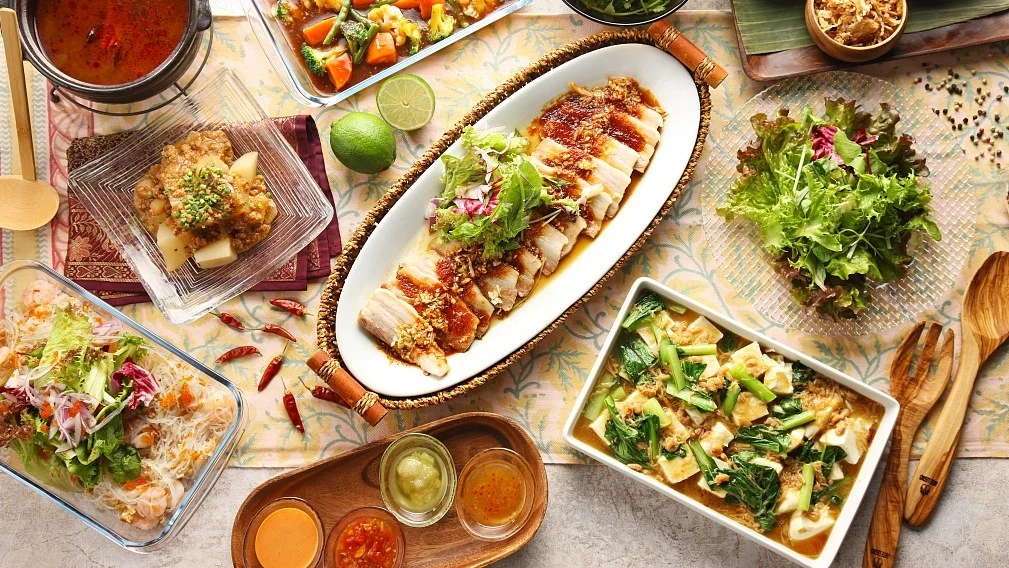
One of the most tangible examples of cultural fusion is in food. The blending of Eastern and Western cuisines has created entirely new culinary traditions:
- Fusion Cuisine: Dishes like sushi burritos, Korean tacos, and Asian-inspired pizzas reflect the blending of traditional Asian ingredients with Western cooking techniques.
- Westernization of Asian Food: Fast-food chains like McDonald’s have adapted their menu to include items such as rice-based burgers in Japan or a McSpicy Paneer sandwich in India.
- Asian Influence on Western Food: In Western countries, the popularity of sushi, dim sum, pho, and curry is a direct result of Asia’s influence on global eating habits.
This fusion is not just about taste but also about accessibility, as people increasingly seek out global food experiences in their everyday lives.
3.2 Fashion: East Meets West in Style
Fashion has also seen a blend of Eastern and Western influences. Designers and consumers alike have embraced a fusion of styles:
- Street Fashion: The global rise of streetwear, particularly through brands like Supreme and Off-White, has been strongly influenced by Asian street fashion, particularly from Japan and South Korea.
- Luxury Brands and Cultural Influence: High-fashion brands, like Louis Vuitton and Gucci, have collaborated with Asian designers or incorporated traditional Asian motifs into their collections.
- Traditional Meets Contemporary: The blending of traditional Asian garments, like the kimono or sari, with modern Western fashion has created hybrid looks popular in both the East and the West.
This fusion speaks to the growing acceptance and celebration of diversity in fashion, as well as the increasing importance of global influence in shaping trends.
3.3 Language: Linguistic Blending and Borrowings
Language is another key area where East-West fusion is evident. The blending of languages, particularly in urban centers and digital spaces, is an ongoing phenomenon:
- English as a Global Lingua Franca: English is now widely spoken across Asia, especially in business, education, and media. This has led to the emergence of “English-Asian” hybrids in communication, particularly in tech and social media.
- Language Borrowings: Many Western terms, such as “computer,” “internet,” and “business,” have become commonplace in Asian languages, while Asian languages have contributed words like “kimono” and “feng shui” to the global lexicon.
- Cultural Expressions: The blending of Asian idiomatic expressions with Western vernacular has produced a unique way of speaking in multicultural societies.
Language, in many ways, is the bridge that facilitates and accelerates cultural fusion.
4. Challenges of Cultural Fusion
While the fusion of East and West offers exciting possibilities, it also presents challenges and raises important ethical questions:
4.1 Identity and Authenticity
One of the central concerns surrounding cultural fusion is the potential loss of identity and authenticity:
- Cultural Appropriation: The adoption of elements of one culture by another, particularly when done without understanding or respect, can be seen as exploitation or disrespect.
- Erosion of Tradition: The blending of cultural practices may dilute or transform traditional customs and values, leading to questions about cultural preservation.
- Hybridization vs. Homogenization: As cultures mix, there is a risk that global forces might lead to the homogenization of cultures, overshadowing unique regional traditions.
The challenge, then, is to strike a balance between cultural exchange and the preservation of cultural diversity.
4.2 Economic and Social Inequality
Globalization, while promoting the exchange of goods and culture, also exacerbates economic inequalities:
- Unequal Benefits: While some Asian countries, particularly China, Japan, and South Korea, have reaped the rewards of globalization, others have struggled to compete on a global scale.
- Cultural Imperialism: The dominance of Western media, fashion, and entertainment can overshadow local traditions and industries, potentially erasing cultural uniqueness.
- Social Impact: The rapid introduction of Western consumerism can change lifestyles, often leading to the erosion of traditional family structures and local communities.
These economic and social issues complicate the notion of a harmonious cultural fusion and need to be addressed to ensure more equitable participation in the global exchange.
5. The Future of East-West Fusion
As we look to the future, the fusion of East and West will continue to evolve. New technologies, shifting geopolitical dynamics, and changing societal values will all shape how cultures continue to interact:
- Technology and Artificial Intelligence: The continued rise of AI and biotechnology could lead to new forms of cultural fusion, as the digital world increasingly shapes how cultures are expressed and experienced.
- Cultural Diplomacy and Soft Power: Both the East and the West will continue to use cultural diplomacy and soft power to promote their values and influence global discourse.
- Sustainability and Shared Values: Issues such as climate change, social justice, and sustainability offer opportunities for further East-West collaboration, as both regions work together to address global challenges.
The future of East-West fusion lies in embracing diversity, fostering mutual respect, and promoting collaborative progress for a more interconnected world.
6. Conclusion
The fusion of Asia and the West is a dynamic, multifaceted process that has shaped, and will continue to shape, the global cultural landscape. From historical trade routes to modern technological exchanges, the blending of Eastern and Western influences has led to the creation of hybrid cultures that transcend geographic and political boundaries. While this fusion brings immense opportunities for creativity, innovation, and mutual understanding, it also presents challenges in terms of identity, authenticity, and equity. As global interactions intensify, it is essential to approach cultural fusion with respect, sensitivity, and a commitment to preserving the richness of all cultures involved. The future of East-West fusion holds great potential, as long as it is guided by values of inclusivity, sustainability, and mutual respect.