









Introduction: A Cultural Phenomenon Across the Globe
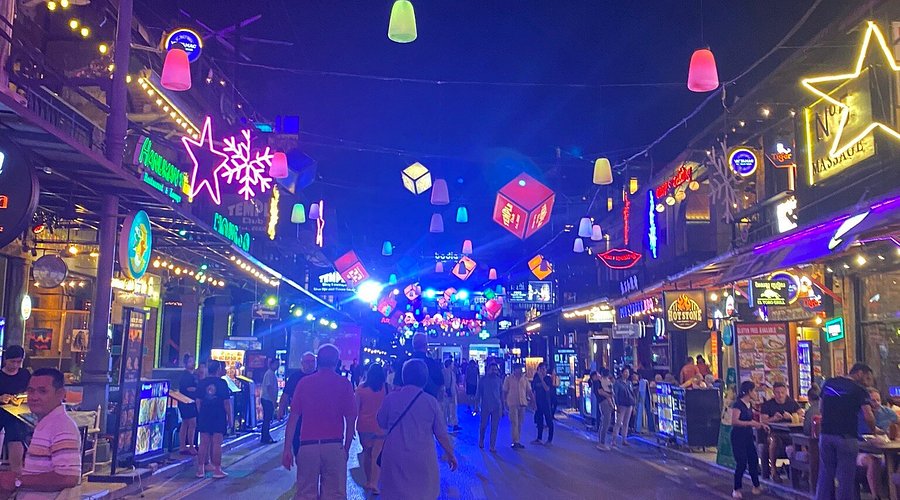
Night markets have long been a cornerstone of local cultures in many parts of the world, particularly in Asia, where they serve as vibrant hubs of food, commerce, and social interaction. These markets offer a unique cultural experience that goes far beyond the exchange of goods and services. Instead, they provide a snapshot of the local lifestyle, culinary traditions, and community values, all within the bustling ambiance of an open-air marketplace.
The night market culture is deeply intertwined with history, tradition, and community, reflecting the evolving dynamics of urbanization, migration, and globalization. In this article, we will explore the origins, significance, and evolution of night markets, their role in modern societies, and how they are becoming cultural and tourist landmarks.
Section I — The Origins and Evolution of Night Markets
1. A Historical Overview
Night markets have a rich history that dates back centuries, particularly in parts of Asia such as China, Taiwan, and Thailand. They originated as informal street bazaars that operated after dusk, often to accommodate the working class, who found it difficult to shop during the day due to long hours or limited access to markets.
In China, the tradition of night markets dates back to the Tang Dynasty (618–907 AD), where night bazaars began as a means for people to gather, trade, and socialize. These markets often featured a mix of food stalls, local crafts, and imported goods, serving both practical and social functions. Over time, the scope of these markets expanded to include entertainment, performances, and a wide variety of cultural activities, making them central to the life of many urban communities.
Similarly, in Taiwan, night markets became prominent in the 19th century during the Qing Dynasty, where they functioned as gathering spots for vendors and customers alike, with food vendors offering affordable snacks and meals to local workers. Today, Taiwan is known for its thriving night market culture, particularly in cities like Taipei and Kaohsiung, where night markets are essential parts of the cultural and social fabric.
2. The Role of Night Markets in Cultural and Economic Development
Night markets played an integral role in the economic development of many cities. In Taiwan, for example, night markets provided an economic outlet for small-scale vendors and served as a way for immigrant communities to integrate into urban life by sharing their local culinary traditions.
The rise of night markets in Southeast Asia can also be attributed to the industrialization and urbanization that took place during the 20th century. As people from rural areas migrated to cities in search of work, night markets emerged as places of socialization and food exchange, where city dwellers could relax after a long day’s work, meet with friends and family, and enjoy affordable, delicious food.
Today, night markets have evolved into economic and cultural landmarks, not only supporting local businesses but also fostering cultural tourism. They contribute significantly to local economies, attracting both domestic visitors and international tourists who seek an authentic, immersive experience of a city’s food culture and community spirit.
Section II — Night Market Culture: The Heartbeat of Social Life
1. The Social Aspect of Night Markets
Night markets are not just places to shop—they are also social spaces where people gather, interact, and engage in community life. In many cultures, night markets are synonymous with family outings, dates, and community events. The lively atmosphere of the market, with its array of street food stalls, performers, and games, provides a relaxed, inclusive environment for people of all ages and backgrounds.
In Taipei, the famous Shilin Night Market serves as both a tourist destination and a local hangout spot, where young people meet to enjoy snacks, play arcade games, and socialize with friends. The diversity of food offerings, ranging from traditional Taiwanese snacks to international cuisine, also reflects the social and cultural melting pot that night markets have become.
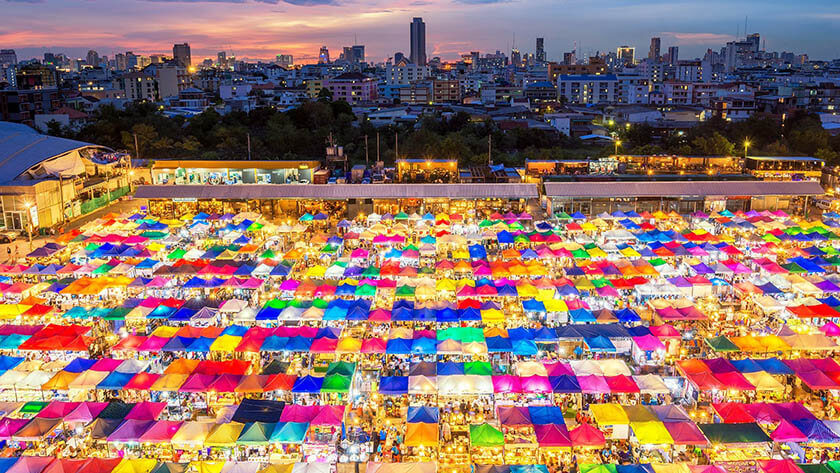
In Bangkok, night markets such as Chatuchak or Ratchada are essential to the city’s nightlife. These markets are where locals unwind after work, and visitors can experience the true pulse of Thai society, with lively street performances, local crafts, and impromptu music sessions. For many, these markets are the epitome of informal, relaxed social spaces, where food, entertainment, and social interaction seamlessly converge.
2. The Role of Street Food in Night Markets
The iconic feature of night markets is, without a doubt, their street food culture. Night markets have long been hubs for local street food vendors to showcase their culinary skills and regional specialties. From sizzling skewers of meat to steamed buns, fried snacks, and exotic fruit, the variety and abundance of food offered at these markets is staggering.
For food enthusiasts, night markets are a treasure trove of authentic, affordable, and often experimental dishes. In Taiwan, you might find stinky tofu, bubble tea, or oysters omelets. In Thailand, dishes like pad thai, som tam (papaya salad), or mango sticky rice abound. These markets allow vendors to offer both traditional recipes and modern twists on local dishes, creating a dynamic culinary scene that attracts both locals and tourists alike.
The culture of eating with your hands, sharing meals, and enjoying food in an open-air environment also forms an important part of the communal nature of night markets. The act of eating in such a setting is often more about sharing experiences than just consuming food, contributing to the sense of togetherness that defines these markets.
3. The Impact of Globalization on Night Markets
While night markets have their roots deeply entrenched in local traditions, globalization has also influenced their evolution. With the rise of tourism and cross-cultural exchanges, many night markets have adapted to meet the demands of international visitors. This has led to the introduction of global food trends, such as fusion cuisine, food trucks, and international snacks.
For example, in the Night Markets of Singapore and Kuala Lumpur, you can find dishes like Korean BBQ, Japanese sushi rolls, and Indian chaats alongside traditional Southeast Asian offerings. This globalization of tastes has allowed night markets to become even more diverse and inclusive, blending local culinary traditions with the global influence of the traveling food-loving public.
However, this blending of local and global cuisines has led to some concerns over the authenticity of certain dishes. Some critics argue that night markets should preserve their traditional recipes and avoid becoming overly commercialized in their pursuit of catering to tourists. Despite these concerns, the fusion of global and local flavors has helped night markets remain vibrant and relevant in an increasingly interconnected world.
Section III — The Modern Appeal of Night Markets
1. Night Markets as Cultural Landmarks
In the modern age, night markets have transcended their role as simple marketplaces to become cultural landmarks that attract tourists, foodies, and locals. These markets are now seen as important cultural heritage sites that showcase a region’s culinary history and social customs.
In places like Taipei, Bangkok, and Ho Chi Minh City, night markets are regarded as essential attractions for visitors seeking an authentic taste of local culture. For tourists, night markets offer a rare opportunity to experience the heart of local life in a setting that feels both unfiltered and genuine. It is in these markets that they can taste traditional foods, engage with local vendors, and observe how communities come together at night.
For locals, night markets are often a source of nostalgia, where they can revisit childhood memories of shopping, eating, and socializing in familiar spaces. The markets are also key to the preservation of local food culture, with many traditional dishes being passed down from generation to generation. These markets, therefore, act as living museums, where food is not only an economic product but also a symbol of cultural heritage.
2. The Economic and Social Impact of Night Markets
Beyond their cultural significance, night markets also have substantial economic benefits. They provide opportunities for small-scale entrepreneurs to enter the food industry, creating jobs for street vendors and artisans. In countries like Taiwan, Thailand, and Vietnam, night markets are important economic engines, contributing significantly to local employment and tourism revenue.
The rise of food tourism has also had a positive impact on the visibility of night markets, attracting an increasing number of international tourists seeking to experience the food culture of a particular place. This influx of tourists has led to the creation of food tours and night market experiences, helping to sustain and promote local food industries.
3. The Future of Night Markets
The future of night markets appears bright, but it faces some challenges. As urban areas become more developed and modernized, there is pressure to gentrify or regulate street food and informal vendors. However, there are growing movements in many cities to protect and preserve the authenticity and historical significance of night markets.
Innovations in sustainability and food safety will likely continue to shape the evolution of night markets, ensuring that they remain both environmentally conscious and consumer-friendly. Furthermore, the integration of digital technologies such as mobile payment systems and online ordering will streamline the experience for both vendors and visitors.
Conclusion: A Timeless Tradition with Modern Appeal
Night markets remain a testament to the enduring appeal of authentic local experiences. Rooted in history and tradition, they continue to provide a vibrant space for community, commerce, and cultural exchange. As they adapt to the demands of a modern, globalized world, night markets are poised to remain central to the cultural fabric of cities around the world, drawing locals and visitors alike into their dynamic, sensory-rich atmosphere.
For food enthusiasts, cultural explorers, and everyday locals, the night market experience will continue to be a reminder that food is more than just sustenance—it’s a living, breathing aspect of culture that has the power to unite, engage, and inspire across generations.