








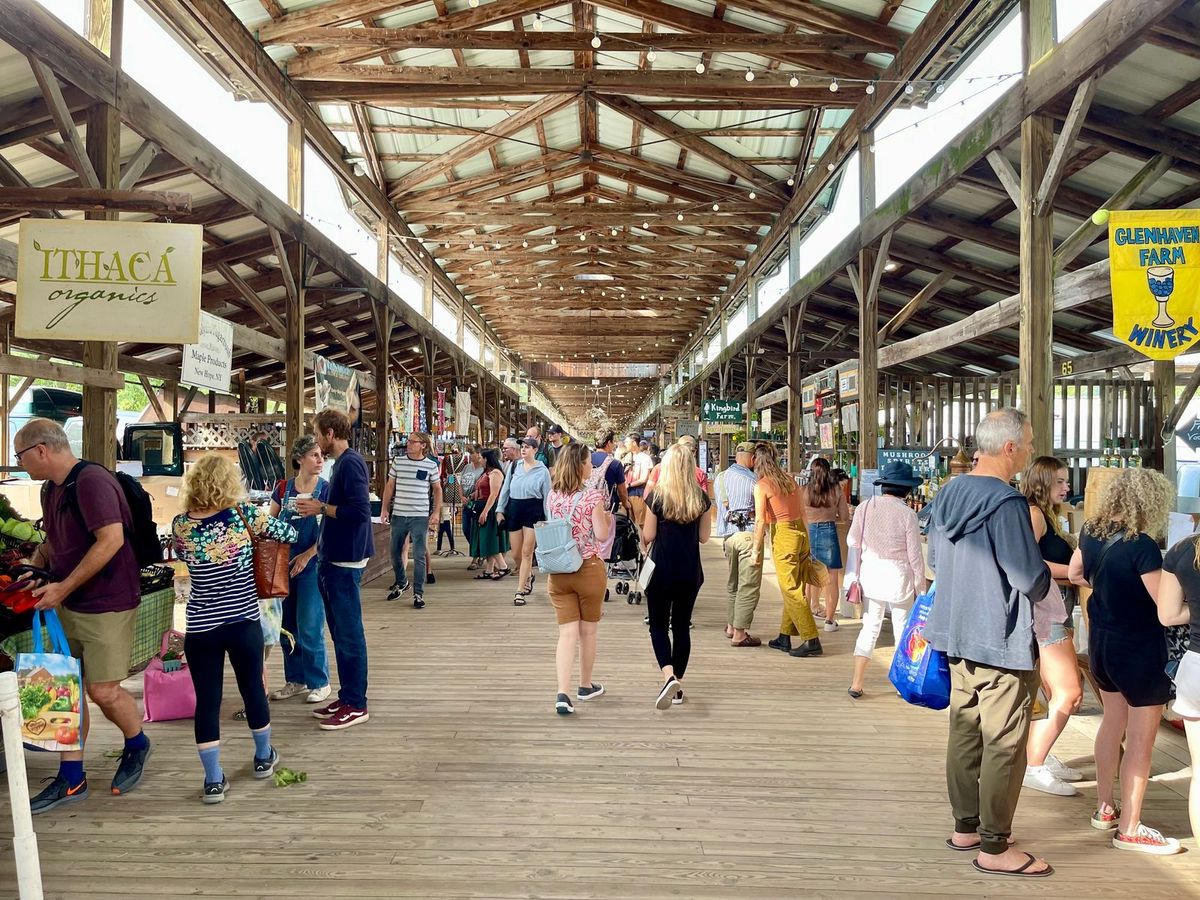

Introduction: The Multifaceted Role of Food Markets
Food markets have long been at the heart of urban life, serving not only as places to purchase fresh produce, meats, and prepared dishes, but also as vital cultural, social, and economic hubs. The local food market is often a window into the history, identity, and values of a region, providing a sensory experience that blends the art of cooking, commerce, and community. From the bustling markets of Bangkok to the iconic Borough Market in London, food markets offer much more than just an opportunity to shop; they are places where culture is exchanged, stories are told, and social bonds are forged.
This article explores the dual nature of food markets, examining how they function as cultural landmarks and social spaces that transcend their traditional role as mere shopping venues. We will delve into how food markets contribute to the cultural identity of cities, influence local economies, and serve as places of gathering, offering unique insights into the cultural and social life of the people who frequent them.
Section I — The Evolution of Food Markets: From Ancient Times to Modern Hubs
1. The Origins of Food Markets
The concept of food markets can be traced back to ancient civilizations, where they served as a focal point for trade and commerce. Early examples of marketplaces can be found in places like Ancient Greece, Rome, and China, where markets were central to urban life and played a key role in the exchange of goods.
In Ancient Rome, for instance, markets were known as forum markets, located near the Forum Romanum where Roman citizens would gather to purchase not only food but also goods like pottery, textiles, and spices. Similarly, in China, night markets began to emerge as early as the Tang Dynasty (618–907 AD), catering to travelers and traders who brought goods from far and wide. These early markets were not only about trade but also about fostering a sense of community and connection between people from diverse backgrounds.
2. The Transformation of Markets in the Modern Era
As cities grew in size and complexity, food markets began to evolve from informal open-air bazaars to more structured and regulated spaces. The industrial revolution, urbanization, and the advent of modern transportation systems brought about changes in how food was produced, distributed, and sold.
In the early 20th century, markets like La Boqueria in Barcelona and Pike Place Market in Seattle became more formalized, offering a wider range of products and catering to a more diverse consumer base. These markets began to reflect the diversification of urban life, offering everything from fresh seafood and local cheeses to international ingredients like spices and tropical fruits. However, despite these changes, the social and cultural function of food markets remained intact, with these spaces continuing to serve as meeting points for locals to interact and share experiences.
3. The Rise of Modern Food Markets
Today, food markets have undergone a dramatic evolution, with many becoming cultural landmarks and tourist destinations in their own right. In many cities, food markets have become emblematic of the local identity, with the very design and organization of the market reflecting the culture of the community it serves. Markets like Mercado de San Miguel in Madrid, Borough Market in London, and Tsukiji Market in Tokyo now represent more than just places to buy food; they are destinations that offer a unique glimpse into the history, traditions, and flavors of the region.
These modern food markets blend the old with the new, offering everything from traditional produce and artisan goods to innovative food stalls serving fusion dishes and international cuisine. As a result, food markets are increasingly recognized as experiential destinations—places where people not only shop but also engage in social interactions, explore cultures, and discover new flavors.
Section II — Food Markets as Cultural Hubs
1. Reflecting Local Culture and Traditions
One of the primary ways food markets serve as cultural experiences is by showcasing regional flavors and culinary traditions. From street food to local specialties, food markets allow visitors to experience the essence of a place through its food. Whether it’s a spicy noodle dish in Bangkok, a freshly made baguette in Paris, or a tapas selection in Barcelona, food markets offer a taste of history and identity that is deeply tied to the geography and culture of a region.
In places like Istanbul, the Grand Bazaar is a cultural and historical institution, reflecting the Ottoman Empire’s influence on the city’s culinary landscape. Vendors sell spices, sweets, and herbal teas that have been integral to the Turkish food culture for centuries. Similarly, in Mexico City, La Merced Market showcases the diversity of Mexican cuisine, from tamales and tacos al pastor to regional specialties like mole and sopes.
Food markets also provide a unique window into the evolution of cuisine, showcasing how local foods and ingredients have adapted over time due to immigration, colonization, and trade. For example, in New York City, markets like Chelsea Market reflect the diverse mix of cultures in the city, offering food from around the world, including Italian pasta, Mexican tacos, and Korean BBQ. These markets are microcosms of globalization, where cultural exchange is reflected in the diverse food offerings.

2. Celebrating Cultural Festivals and Traditions
In many cities, food markets are also venues for cultural festivals and events that celebrate local traditions. These festivals often highlight seasonal foods, ethnic dishes, and artisanal crafts, offering visitors an immersive experience that connects them to the region’s heritage.
In Thailand, markets like Chatuchak in Bangkok and Chiang Mai’s Night Bazaar come alive during Songkran (the Thai New Year) and other festivals, with food vendors offering special dishes that reflect the seasonal and ceremonial nature of the holiday. Similarly, in Italy, Christmas markets are famous for their regional sweets like panettone and cantuccini, while the Fiera di San Martino in Tuscany is known for its celebration of the region’s rich wine culture.
These festivals not only offer a chance to sample traditional foods, but they also provide a platform for local vendors to showcase their culinary expertise, share recipes, and engage in cultural storytelling. In doing so, food markets become living museums of regional identity and cultural history.
Section III — The Social Dynamics of Food Markets
1. Food Markets as Community Spaces
While food markets serve as places to shop, they are also important social spaces that encourage community interaction. People visit food markets not just to buy food, but to socialize, relax, and engage with others. The informal nature of food markets creates an environment where people can meet, share experiences, and even form lasting friendships over a shared meal or a conversation with a vendor.
In Bangkok, for example, the famous Yaowarat Street Food Market is not only known for its delicious Chinese-inspired street food but also for its lively atmosphere. Locals and tourists alike can be seen sitting side by side on small stools, eating roasted duck, pad Thai, or mango sticky rice, while vendors chat with customers and offer personalized recommendations. This level of social interaction is what makes food markets such an integral part of the urban fabric, as they encourage a sense of community that is often missing in larger commercial spaces.
2. The Role of Food Markets in Social Integration
Food markets also play a crucial role in social integration, especially in multicultural cities. As hubs of diverse cuisines, these markets bring together people from different ethnic and cultural backgrounds. They provide a platform for immigrants and refugees to share their traditional foods with others, helping to bridge cultural gaps and promote understanding.
In London, for instance, the Borough Market is a melting pot of cultures, where Indian, Middle Eastern, Spanish, and African food vendors come together to share their heritage with a global audience. This cultural fusion helps to create a sense of belonging for immigrants while also offering local consumers the opportunity to experience global flavors in one location.
Food markets also serve as venues for social activism, with many vendors using their stalls to raise awareness about food sustainability, ethical sourcing, and local farming practices. In this way, food markets contribute to the creation of more conscious communities that are concerned with both cultural and environmental issues.
Conclusion: Food Markets as Living Cultural Spaces
Food markets are much more than places to shop; they are vibrant cultural hubs that offer a sense of place, community, and identity. From reflecting the rich culinary traditions of a region to fostering social connections and cross-cultural interactions, food markets play a central role in the social and cultural life of cities around the world.
Whether you are exploring a traditional market in Marrakech, tasting street food in Ho Chi Minh City, or attending a food festival in Barcelona, food markets offer a unique opportunity to connect with others, learn about different cultures, and experience the living heritage of a region. As urban life continues to evolve, food markets remain at the heart of the cultural landscape, continuing to shape the way we experience and share food in a globalized world.