










Introduction: The Growing Importance of Farmers’ Markets
In recent years, farmers’ markets have witnessed a resurgence in cities and rural areas alike, becoming vital hubs for local commerce, sustainability, and culinary innovation. These markets have evolved beyond mere places to buy fresh produce—they are now cultural hotspots where local artisans, farmers, and food enthusiasts gather to share in the wealth of regional culinary traditions and celebrate the bounty of local ingredients.
At the heart of these markets is the celebration of local specialty ingredients, which are often exclusive to particular regions and deeply tied to local culture and history. From organic fruits and vegetables to artisanal cheeses, handcrafted breads, and rare spices, farmers’ markets are the perfect setting to discover ingredients that showcase the distinctiveness of a place.
This article will explore the dynamic relationship between farmers’ markets and local specialty ingredients, examining their role in promoting sustainability, preserving culinary heritage, and fostering community engagement. We will also discuss the economic and cultural impact of these markets, and how they continue to shape modern food systems.
Section I — The Role of Farmers’ Markets in Local Economies
1. The Economic Contribution of Farmers’ Markets
Farmers’ markets have long been recognized as essential contributors to the local economy. By providing a direct link between producers and consumers, these markets offer a way for local farmers, artisans, and food producers to sell their goods without the need for intermediaries like large supermarkets or distributors. This direct-to-consumer model helps keep profits within the community and provides fair compensation to the people who grow or create the food.
In many regions, farmers’ markets are an integral part of the local food economy, helping to support small-scale farming operations and artisanal producers. The rise in popularity of organic and locally sourced food has further boosted the importance of these markets. Consumers are increasingly aware of the benefits of purchasing seasonal, fresh, and locally grown produce, both for their own health and for the sustainability of the environment.
For example, in California, farmers’ markets contribute hundreds of millions of dollars annually to the local economy, supporting thousands of small farms and food businesses. These markets also create opportunities for entrepreneurship and job creation, as local chefs, food truck owners, and specialty producers can sell their products directly to the public.
2. Supporting Local Farmers and Artisans
One of the primary functions of farmers’ markets is to offer direct support to local farmers and food artisans. Many small farmers, especially those producing organic or sustainable goods, may not have access to traditional retail outlets like grocery stores or chain supermarkets. Farmers’ markets allow them to sell their products directly to consumers, bypassing the middleman and retaining a larger portion of the profit.
This has a profound impact on the sustainability of small-scale farming, as it provides farmers with a stable income and enables them to invest in environmentally friendly practices, such as crop rotation, no-till farming, and biodiversity conservation. Moreover, it encourages consumers to support local agriculture, fostering a stronger sense of community and reinforcing the idea that food should be produced close to home.
Artisanal food producers, such as cheese makers, bakers, and candy makers, also benefit from farmers’ markets. By selling directly to the public, they can build a loyal customer base and increase the visibility of their local specialties. Whether it’s freshly baked sourdough, handcrafted jams, or locally produced honey, these items often showcase the richness and uniqueness of the region’s culinary heritage.
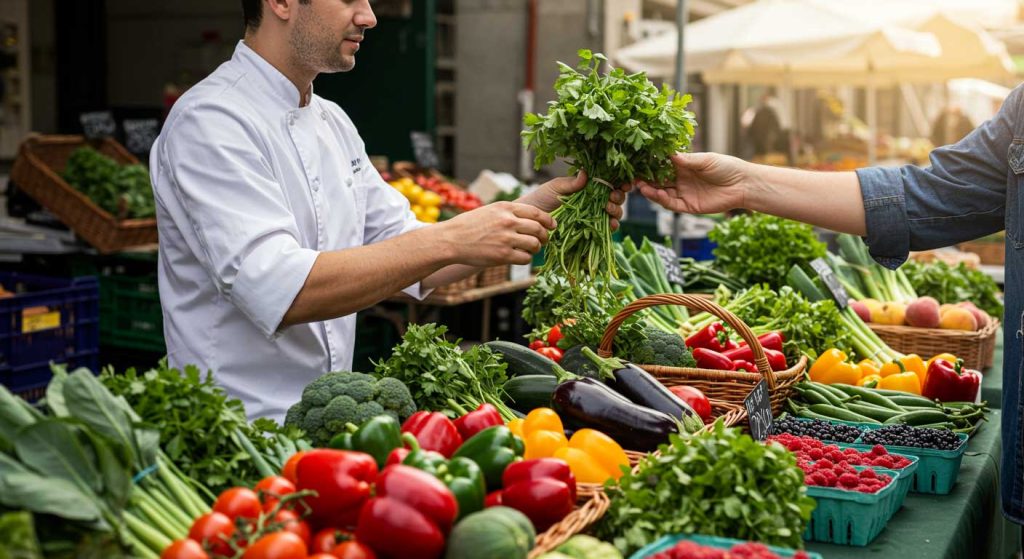
Section II — Local Specialty Ingredients: A Celebration of Regional Identity
1. What Are Local Specialty Ingredients?
Local specialty ingredients are foods or products that are unique to a particular region, often reflecting the local climate, geography, and cultural heritage. These ingredients are often seasonal and sustainably produced, and they provide consumers with the opportunity to taste the essence of a place.
For example, in the Pacific Northwest, ingredients such as wild mushrooms, alder-smoked salmon, and huckleberries are regional specialties that reflect the region’s forests, rivers, and local biodiversity. In Southern Italy, San Marzano tomatoes, basil, and mozzarella di bufala are key ingredients in traditional dishes like pizza margherita, which highlight the region’s agricultural strengths and its culinary legacy.
In addition to showcasing local products, these ingredients often represent the sustainable agricultural practices of the region. Many of these foods are grown or produced in small quantities, often by family-run farms or artisans who focus on quality over quantity.
2. The Role of Farmers’ Markets in Promoting Local Specialties
Farmers’ markets are perhaps the best place to find these local specialty ingredients, as they provide a direct link to the farmers and producers who grow, raise, or craft them. Unlike large grocery stores, which tend to focus on mass-produced goods, farmers’ markets are characterized by their focus on small-batch, seasonal products, many of which are found nowhere else.
For instance, in the Midwest of the United States, heritage grains like spelt and emmer wheat are increasingly popular among farmers’ market vendors, who use them to make artisan breads and pasta. These grains are often grown in small quantities and are valued for their nutritional content and distinctive flavors. Similarly, in France, local markets offer a wide variety of regional cheeses like Camembert from Normandy or Roquefort from the south, allowing consumers to experience the diversity of French dairy production.
In Japan, farmers’ markets offer shiso leaves, fresh wasabi, and a range of traditional pickles, each ingredient representing centuries of culinary history. These ingredients, while sometimes difficult to find in supermarkets, are fundamental to the identity of Japanese cuisine and play an essential role in everyday cooking.
3. Regional Specialty Foods and Their Cultural Significance
Food is deeply tied to the cultural and historical context of a place, and local specialty ingredients often have centuries-old stories to tell. In India, for example, mangoes (especially varieties like Alphonso) are a cultural treasure, deeply embedded in the country’s culinary and religious practices. These mangoes are available only during a short window each year, making them a rare and cherished commodity during the summer season.
In Mexico, the chili pepper is an essential ingredient in regional cuisines, with different varieties reflecting the diversity of climates and soils across the country. Farmers’ markets provide a space for consumers to taste local varieties of chilies that might not be available in large grocery stores, such as Pasilla de Oaxaca or Habanero peppers, each with their distinct flavor profiles and uses in traditional dishes like salsas and moles.
Farmers’ markets thus serve as repositories of local culinary culture, offering consumers the opportunity to taste foods that are central to a region’s history and identity. These markets are spaces where people can connect with the past, learning about the traditions and stories behind the foods they consume.
Section III — The Environmental and Health Benefits of Local Specialty Ingredients
1. Environmental Sustainability
Local specialty ingredients are often produced using more sustainable farming practices, as small-scale farmers typically prioritize biodiversity, crop rotation, and organic methods. By purchasing these ingredients at farmers’ markets, consumers can help promote sustainable agriculture and reduce their carbon footprint.
For example, locally grown produce requires fewer resources for transport, reducing the energy consumption and greenhouse gas emissions associated with long-distance food transportation. Additionally, by supporting small-scale, regenerative farmers, consumers contribute to preserving soil health, water resources, and local ecosystems.
2. Health Benefits of Eating Locally Produced Food
In addition to being more environmentally friendly, local specialty ingredients also offer numerous health benefits. Fresh, seasonal ingredients are often more nutritious than mass-produced alternatives because they are harvested at their peak ripeness and are less likely to have been exposed to harmful preservatives or pesticides.
Moreover, many farmers’ markets focus on offering organic and non-GMO products, which are increasingly valued by health-conscious consumers. Eating a diet rich in locally grown vegetables, fruits, and whole grains supports better overall health, as these foods are often higher in vitamins, minerals, and antioxidants.
Conclusion: The Continuing Relevance of Farmers’ Markets
Farmers’ markets are much more than places to buy food; they are vital centers of local culture, sustainability, and community building. By offering a direct link to small-scale producers and local specialty ingredients, these markets foster a deeper connection between consumers and the food they eat.
In addition to promoting local economies, healthier diets, and environmentally friendly practices, farmers’ markets preserve and celebrate the culinary heritage of each region. They offer a unique space for people to engage with the stories and traditions behind their food, providing not only a sensory experience but also a deeper understanding of the world around them.
As consumers continue to seek more authentic, sustainable, and nutritious food options, farmers’ markets will undoubtedly remain an essential part of the global food system, ensuring that local specialty ingredients continue to thrive and shape the way we eat for years to come.