








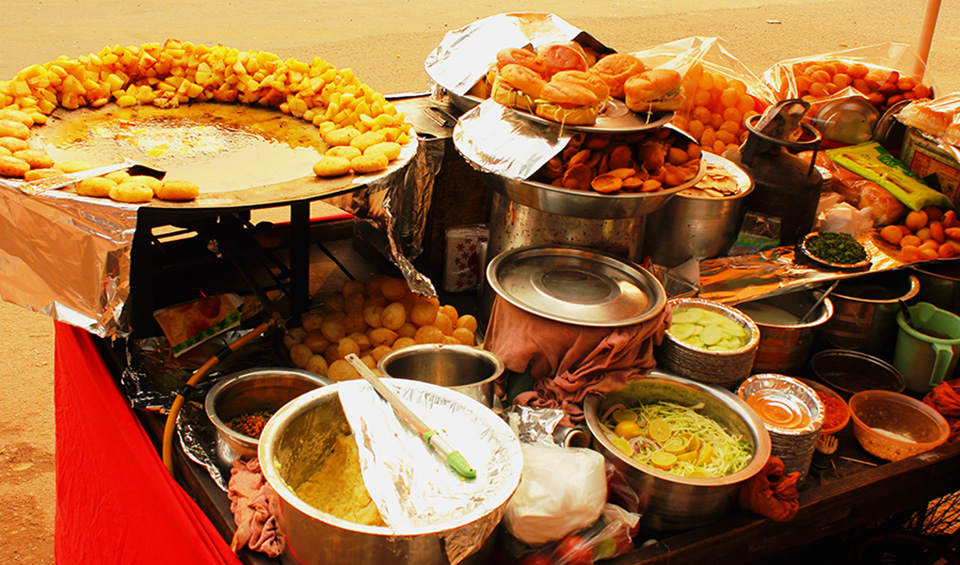

Introduction: The Rise of Experiential Gastronomy
In recent years, food has become more than mere sustenance—it has evolved into a cultural, educational, and interactive experience. Food festivals and culinary classes have emerged as prominent platforms for immersive engagement, allowing tourists and food enthusiasts to explore traditional cuisine through hands-on participation.
These experiences bridge the gap between cultural heritage and contemporary culinary tourism, offering attendees an understanding of the ingredients, techniques, and stories behind iconic dishes. Unlike passive dining experiences, participatory culinary events provide a deeper connection to local culture while fostering appreciation for culinary diversity, craftsmanship, and sustainable practices.
This article examines the structure, educational value, cultural significance, and economic impact of food festivals and cooking classes, highlighting how they contribute to tourism, cultural preservation, and professional culinary development.
Section 1: Food Festivals as Cultural and Culinary Platforms
1.1 Definition and Scope
Food festivals are organized events that celebrate regional, national, or international cuisines. They vary in scale from local street fairs to international gastronomic showcases. Key components include:
- Live cooking demonstrations
- Ingredient markets and tastings
- Workshops and interactive sessions
- Cultural performances linked to cuisine
1.2 Cultural Significance
Food festivals play a vital role in preserving and promoting culinary heritage:
- Showcasing traditional ingredients and recipes: For example, rice-based dishes in Southeast Asia or spice-driven stews in the Middle East.
- Educating the public: Visitors gain insights into historical, agricultural, and cultural contexts.
- Fostering cross-cultural exchange: Global festivals enable fusion of culinary traditions and inspire innovative cooking techniques.
1.3 Economic and Tourism Impact
- Local economy boost: Festivals increase revenue for farmers, vendors, and restaurants.
- Destination branding: Signature food events attract domestic and international tourists.
- Entrepreneurial opportunities: Artisanal producers and culinary startups gain visibility.
Section 2: Culinary Classes – Hands-On Learning and Skill Development
2.1 Educational Value
Culinary classes offer structured instruction on traditional cooking techniques:
- Ingredient familiarization: Understanding origins, seasonal availability, and nutritional properties.
- Technique mastery: Knife skills, fermentation, roasting, grilling, and plating methods.
- Sensory development: Training in taste, aroma recognition, and texture evaluation.
2.2 Types of Classes
- One-day workshops: Focused on a single dish or ingredient.
- Multi-day immersive courses: Cover regional cuisines comprehensively, including market visits and ingredient sourcing.
- Professional training programs: Blend traditional techniques with modern culinary science for aspiring chefs.
2.3 Enhancing Cultural Appreciation
Hands-on engagement allows participants to experience the process of cooking as a cultural ritual:
- Family-style cooking: Understanding communal preparation methods.
- Storytelling: Local chefs share historical and anecdotal context, linking food to identity and heritage.
- Ingredient exploration: From foraging to traditional preservation methods.
Section 3: Integrating Festivals and Classes
3.1 Complementary Experiences
Food festivals and culinary classes often complement each other:
- Festival Workshops: Cooking demonstrations and classes within a festival framework increase attendee engagement.
- Interactive Tastings: Participants taste while learning, connecting flavors to techniques and ingredients.
- Culinary Trails: Combining classes with guided tours of local markets and farms.
3.2 Case Studies
- Italy – Slow Food Festivals: Workshops on handmade pasta, cheese-making, and wine pairing.
- Thailand – Bangkok Street Food Tours: Cooking classes integrated with street market visits, highlighting regional street foods.
- Mexico – Oaxaca Culinary Experiences: Participants learn mole preparation and traditional chocolate-making in immersive workshops.
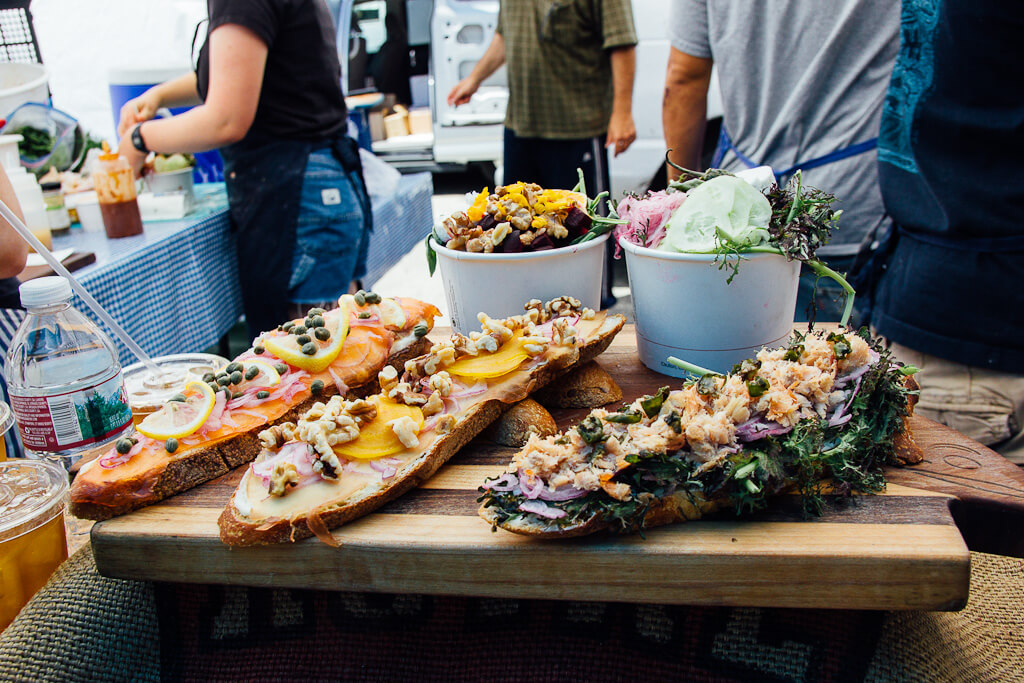
Section 4: Preserving Authenticity While Innovating
4.1 Balancing Tradition and Modernity
- Traditional Methods: Retaining time-honored cooking techniques preserves authenticity.
- Modern Enhancements: Incorporating modern tools like sous-vide or vacuum sealing to improve consistency and food safety.
- Flavor Fidelity: Maintaining original taste profiles while experimenting with presentation or health-conscious modifications.
4.2 Ingredient Sourcing and Sustainability
- Local sourcing: Encouraging farm-to-table practices supports local communities.
- Seasonal menus: Classes and festivals emphasize seasonality to maintain freshness and reduce environmental impact.
- Waste reduction: Workshops can incorporate lessons on using leftovers creatively or composting.
Section 5: Culinary Science in Experiential Learning
5.1 Understanding Flavor and Aroma
- Sensory education: Participants learn why certain ingredients combine harmoniously.
- Fermentation and aging processes: Demonstrating microbial roles in flavor development.
- Spice chemistry: Understanding how volatile compounds contribute to aroma intensity.
5.2 Texture and Mouthfeel Engineering
- Demonstrating the role of fat, sugar, and protein in texture allows learners to appreciate the science behind traditional cooking methods.
- Techniques such as emulsification, gelatinization, and roasting are explored hands-on, linking culinary practice to food science principles.
5.3 Health and Nutritional Awareness
- Integrating low-fat, low-sugar, and plant-based alternatives in traditional recipes.
- Highlighting functional ingredients and nutrient-dense substitutions.
- Educating participants on balancing flavor, authenticity, and health benefits.
Section 6: Social and Psychological Benefits
6.1 Community Building
- Festivals and classes create spaces for social interaction, collaboration, and cultural exchange.
- Participants develop networks, share personal stories, and connect over shared culinary interests.
6.2 Experiential Engagement
- Active participation enhances retention of cultural knowledge compared to passive observation.
- Learning by doing fosters confidence, creativity, and appreciation for traditional craftsmanship.
6.3 Mindful Eating and Sensory Connection
- Participants engage fully with aroma, texture, and flavor, promoting mindfulness in food consumption.
- Experiential learning enhances awareness of ingredient origin, seasonality, and sustainability.
Section 7: Challenges and Solutions
7.1 Maintaining Authenticity
- Risk: Commercialization can dilute traditional methods.
- Solution: Collaborate with local chefs, elders, and cultural custodians to ensure accurate representation.
7.2 Language and Accessibility Barriers
- Risk: Tourists may struggle to follow instructions.
- Solution: Provide multilingual guides, visual aids, and step-by-step demonstrations.
7.3 Health and Safety
- Risk: Hygiene and food safety must be ensured in hands-on environments.
- Solution: Implement strict protocols, pre-prepared ingredient stations, and instructor supervision.
7.4 Cost and Resource Management
- Risk: High-quality ingredients and experienced instructors may increase costs.
- Solution: Use seasonal, locally available ingredients and scalable workshop formats to manage expenses.
Section 8: Future Trends in Culinary Tourism
8.1 Digital Integration
- Online cooking classes complement on-site festivals, extending reach and accessibility.
- Virtual reality experiences allow remote participants to virtually explore markets and kitchens.
8.2 Health-Focused Culinary Experiences
- Integrating wellness concepts, plant-based dishes, and functional foods into traditional cooking classes.
- Nutrition education as part of immersive culinary workshops.
8.3 Cross-Cultural Fusion
- Workshops exploring the fusion of traditional cuisines from different regions.
- Encourages innovation while respecting culinary heritage.
8.4 Sustainable Tourism Practices
- Eco-friendly packaging, local ingredient sourcing, and zero-waste workshops.
- Promotes responsible tourism while enhancing educational value.
Section 9: Case Studies and Best Practices
- Spain – Basque Culinary Center: Combines festivals and masterclasses to teach traditional pintxos with modern culinary techniques.
- India – Kerala Spice Tours: Hands-on cooking classes with spice farm tours integrate history, agriculture, and cooking.
- Morocco – Marrakech Medina Culinary Workshops: Participants learn tagine and couscous preparation while exploring local markets, emphasizing cultural storytelling.
Key factors for success:
- Expert instructors with cultural and technical knowledge.
- Interactive, sensory-rich learning environments.
- Integration of storytelling, history, and ingredient knowledge.
- Clear alignment of festival objectives with participant engagement.
Conclusion: Culinary Experiences as Cultural Bridges
Food festivals and culinary classes represent a transformative approach to gastronomy, where learning, culture, and tourism converge. These immersive experiences:
- Preserve and promote traditional cuisine
- Educate participants on techniques, ingredients, and cultural significance
- Enhance culinary appreciation and sensory literacy
- Support local economies, sustainable practices, and tourism development
By blending hands-on learning, storytelling, and scientific understanding, festivals and workshops allow participants to engage deeply with food culture. The future of culinary tourism lies in these experiential platforms, which celebrate heritage, innovation, and global connectivity through the universal language of food.