









Introduction: The Rise of Themed and Immersive Dining
In recent years, the dining landscape has evolved beyond simple consumption, giving rise to themed restaurants and immersive dining experiences. These concepts combine gastronomy, entertainment, design, and storytelling to create multi-sensory journeys for guests.
Unlike traditional dining, immersive experiences aim to engage sight, sound, smell, touch, and taste, transforming meals into events that leave lasting memories. This article examines the principles, design strategies, operational considerations, and cultural impact of themed and immersive dining, providing an in-depth professional perspective for restaurateurs, chefs, and culinary enthusiasts.
Section 1: Conceptual Foundations of Themed Restaurants
1.1 Defining the Theme
- A theme is the central narrative or idea around which the restaurant is built.
- Categories include:
- Historical or Cultural: Recreating a specific era or regional tradition.
- Fantasy or Fictional: Inspired by literature, movies, or games.
- Artistic or Experiential: Emphasizing visual arts, architecture, or interactive installations.
- Lifestyle or Wellness: Focused on sustainability, health, or local sourcing.
1.2 Storytelling as a Core Element
- The narrative informs décor, menu, staff behavior, and guest interaction.
- Effective storytelling ensures cohesion between culinary offerings and environment.
1.3 Target Audience and Market Positioning
- Identify the demographics, preferences, and expectations of potential guests.
- Determine whether the experience is family-friendly, fine dining, casual, or niche-oriented.
Section 2: Culinary Integration in Themed Dining
2.1 Menu Development Aligned with Theme
- Food must reflect and enhance the thematic narrative.
- Example: A medieval-themed restaurant may focus on hearty roasts, artisanal bread, and rustic presentation.
2.2 Flavor, Presentation, and Atmosphere
- Dishes are designed to stimulate multiple senses:
- Aroma through herbs, smoked elements, or infused oils.
- Visual impact through plating, edible art, or interactive components.
- Texture contrasts to create a multi-dimensional culinary experience.
2.3 Signature Experiences
- Offer unique elements like interactive tables, DIY plating, or chef-led storytelling.
- Limited-time menu items or seasonal themes enhance novelty and repeat visits.
Section 3: Design Principles for Immersive Dining
3.1 Environmental Design
- Architecture, lighting, and décor establish the emotional tone.
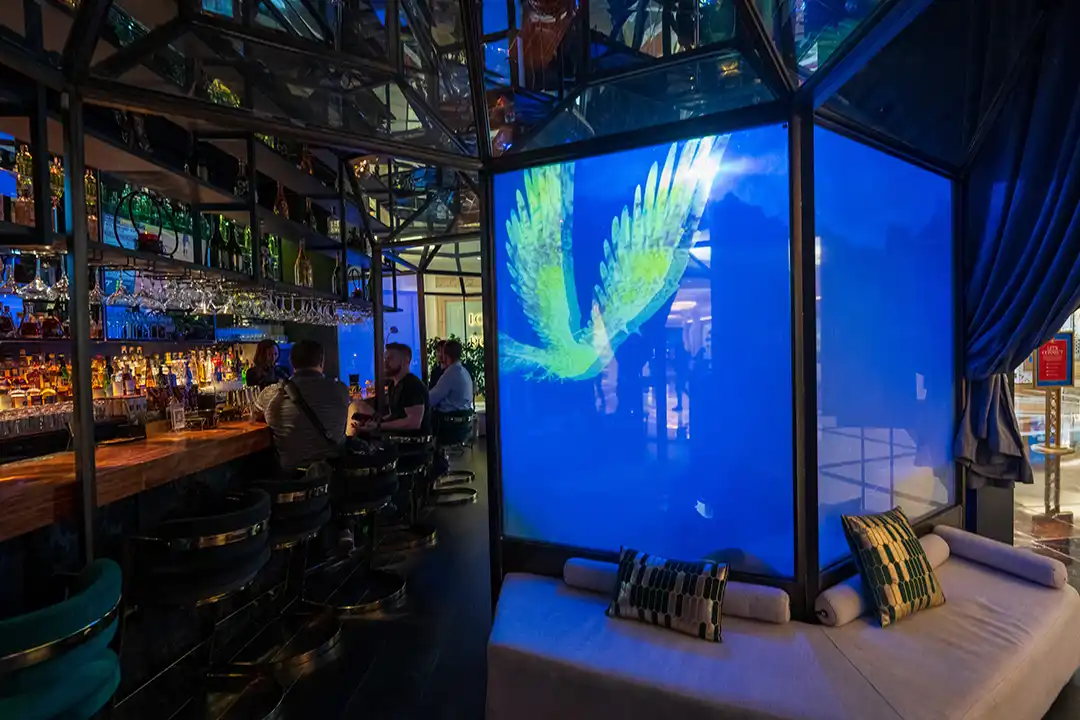
- Use of projection mapping, thematic lighting, and soundscapes creates immersion.
3.2 Spatial Planning
- Consider flow, seating arrangements, and sightlines for optimal guest engagement.
- Flexible spaces accommodate performances, interactive stations, or communal dining.
3.3 Sensory Layering
- Incorporate visual, auditory, olfactory, and tactile stimuli to reinforce the theme.
- Examples:
- Forest-themed restaurants may include ambient forest sounds, mist effects, and wooden textures.
- Futuristic themes may use LED lighting, holographic projections, and molecular gastronomy techniques.

Section 4: Technology and Interactive Elements
4.1 Augmented and Virtual Reality
- AR/VR technologies create dynamic storytelling and interactive experiences.
- Guests can explore virtual environments while dining, adding layers to the narrative.
4.2 Tabletop and Menu Technology
- Digital menus, QR codes, and interactive tablets enhance engagement.
- Examples include gamified ordering systems, ingredient exploration, or immersive visuals.
4.3 Projection Mapping and Light Shows
- Transform walls, tables, and ceilings into animated storytelling surfaces.
- Synchronized with music and course progression, creating a holistic sensory experience.
4.4 Wearable Devices and Sensors
- Optional wearables track guest preferences, reactions, and interactions to personalize experience.
- Data informs menu adaptations, pacing, and future design improvements.
Section 5: Operational Considerations
5.1 Staff Training and Thematic Performance
- Staff are integral to immersive storytelling, often acting as characters.
- Training covers culinary knowledge, guest engagement, and safety protocols.
5.2 Timing and Guest Flow
- Carefully choreograph the sequence of dishes, performances, and interactive segments.
- Use reservation management and pacing tools to ensure consistent experience.
5.3 Kitchen Integration and Efficiency
- Kitchens must adapt to unique plating, special effects, or themed presentations.
- Maintain high culinary standards without compromising the narrative.
5.4 Safety and Regulations
- Immersive elements introduce fire hazards, tripping risks, or allergen exposure.
- Compliance with health, safety, and accessibility regulations is critical.
Section 6: Marketing and Guest Engagement
6.1 Brand Storytelling
- Marketing materials should align with restaurant narrative.
- Visuals, social media campaigns, and PR emphasize experience over mere dining.
6.2 Social Media and Viral Potential
- Thematic and visually striking experiences encourage user-generated content.
- Hashtags, photo-friendly installations, and shareable dishes amplify brand visibility.
6.3 Loyalty and Repeat Business
- Rotate themes, seasonal events, and exclusive experiences to encourage repeat visits.
- Offer membership programs or VIP immersive packages for frequent guests.
Section 7: Cultural and Educational Dimensions
7.1 Showcasing Heritage
- Themed restaurants can highlight regional cuisine, traditions, and history.
- Guests gain cultural appreciation through interactive storytelling.
7.2 Culinary Education
- Integrate demonstrations, workshops, or tasting sessions to educate guests.
- Example: Cooking classes within immersive experiences create hands-on engagement.
7.3 Collaboration with Artists and Historians
- Partnerships enhance authenticity and depth of storytelling.
- Design and menu development benefit from interdisciplinary insights.
Section 8: Case Studies in Immersive Dining
8.1 Historical and Cultural Themes
- Example: Restaurants replicating 19th-century European salons with period-specific dishes.
- Guests experience both culinary and theatrical immersion.
8.2 Fantasy and Fictional Worlds
- Examples include movie-inspired or literary-themed restaurants.
- Interactive props, staff performances, and themed menus create narrative continuity.
8.3 Experimental Multi-Sensory Dining
- Multi-course tasting menus integrated with projection mapping, scent diffusers, and tactile elements.
- Result: Heightened sensory perception, memory retention, and guest satisfaction.
8.4 Community and Local Integration
- Restaurants themed around local markets, street food, or regional festivals.
- Encourages cultural exploration and culinary discovery.
Section 9: Financial and Strategic Considerations
9.1 Investment and Cost Management
- Immersive dining involves higher setup costs for décor, technology, and training.
- Budget planning must consider return on experience rather than purely food sales.
9.2 Pricing Strategy
- Premium pricing justified by unique experience, entertainment value, and culinary quality.
9.3 Scalability and Replication
- Concept replication requires standardized processes, technology integration, and brand consistency.
- Local adaptation ensures relevance across different cultures and markets.
9.4 Measuring Success
- KPIs include guest satisfaction, social media engagement, repeat bookings, and revenue per seat.
- Feedback systems are essential for continuous improvement and innovation.
Section 10: Future Trends in Immersive Dining
10.1 Hyper-Personalization
- AI-driven customization of menus, sensory effects, and narrative pathways.
10.2 Sustainability Integration
- Eco-friendly themes emphasizing local sourcing, zero-waste practices, and plant-forward menus.
10.3 Cross-Disciplinary Collaborations
- Merging culinary arts with technology, theater, music, and visual arts for richer experiences.
10.4 Globalization and Cultural Fusion
- Blending regional culinary traditions with immersive storytelling for international appeal.
Section 11: Challenges and Solutions
11.1 Operational Complexity
- Immersive elements complicate timing, service, and kitchen coordination.
- Solution: Integrated scheduling, training, and rehearsal of experiences.
11.2 Guest Accessibility
- Balance interactivity and comfort to accommodate diverse audiences.
11.3 Maintaining Authenticity
- Avoid superficial or gimmicky elements; focus on cohesive storytelling, quality cuisine, and genuine engagement.
11.4 Technology Dependence
- Risks of technical failures; solution: backup plans, manual protocols, and staff preparedness.
Section 12: Conclusion: Elevating Dining to Experience
Themed restaurants and immersive dining experiences redefine the role of food in society. They transform meals into multi-sensory journeys, combining culinary excellence, storytelling, design, and technology.
Key takeaways include:
- A cohesive theme and narrative is essential for guest engagement.
- Culinary offerings must align with atmosphere, sensory effects, and story elements.
- Investment in staff training, technology, and operational planning ensures quality and safety.
- Immersive dining is a tool for cultural education, artistic expression, and gastronomic innovation.
By thoughtfully integrating these elements, restaurateurs and chefs can create memorable, impactful, and repeatable experiences that transcend conventional dining, positioning themselves at the forefront of the future of gastronomy.