










Introduction: The Intersection of Culinary and Cultural Journeys
In recent years, gastronomic tourism has emerged as one of the most exciting and immersive forms of travel. Unlike traditional forms of tourism that focus on sightseeing or relaxation, gastronomic tourism invites travelers to explore the richness of local cultures through their cuisine. The saying “you are what you eat” has never been more fitting—food is deeply intertwined with cultural identity, history, and traditions. For many, the journey of discovering a new place is incomplete without experiencing its distinctive flavors and culinary traditions.
Gastronomic tourism, or food tourism, is the act of traveling with the primary goal of experiencing a destination’s food. It brings people closer to a culture’s essence, offering them an opportunity to understand the country’s history, traditions, and values through its food. As food enthusiasts, cultural explorers, and travelers, we seek to deepen our understanding of the world through one of the most universal experiences: eating.
This article delves into the dynamic world of gastronomic tourism and its powerful connection with cultural exploration. We will explore how food acts as a gateway to understanding a culture’s heritage, the rising trend of food-centered travel experiences, and the future of this exciting industry.
Section 1: The Power of Food in Cultural Identity
1.1 Food as a Reflection of Culture
Every culture has its own unique culinary identity, shaped by geography, climate, religion, and historical influences. The ingredients, preparation methods, and eating habits of a region provide valuable insight into the values and lifestyle of its people. For example, the spices of India, the fresh seafood of coastal Mediterranean countries, and the slow-cooked stews of South America each tell a story about the land, climate, and cultural practices of their respective regions.
Food also serves as a form of self-expression for individuals and communities. Whether it’s the pride in preserving age-old recipes or the creative adaptation of traditional dishes, food allows people to communicate their culture and history to the outside world. In this sense, food is more than just sustenance—it’s a form of storytelling.
1.2 The Role of Traditional Recipes and Ingredients
Many countries rely on traditional ingredients that are grown, harvested, or produced locally, which further strengthens the connection between food and cultural heritage. These ingredients not only give a dish its unique flavor but also represent the economic and geographical reality of the region.
In Japan, for instance, rice is the cornerstone of their culinary tradition, not just for its nutritional value but because it has been integral to their culture for centuries. In Ethiopia, the traditional use of teff flour for making injera speaks to the land’s agricultural history and its ancient cultivation methods. Similarly, the widespread use of olive oil in Mediterranean cuisine is tied to the agricultural practices that date back to ancient civilizations.
By immersing oneself in gastronomic tourism, travelers can discover how these ingredients shape the lives of locals, learn about the farming methods that produce them, and witness firsthand how the preparation of these foods connects to local rituals and traditions.
1.3 Culinary Practices as Cultural Expressions
In addition to food, the rituals and traditions surrounding its preparation and consumption provide valuable cultural insight. Family meals, communal dining, and festivals often mark the most significant occasions in a culture’s calendar. For example, in Mexico, the preparation of tacos and tamales is a family affair that requires multiple generations to come together, showcasing the deep-rooted importance of family and community in their culture.
Through food, travelers can experience how eating is embedded in everyday life and significant cultural moments. From a simple morning coffee in Italy to lavish wedding feasts in India, these shared experiences form a bridge between cultures and provide a more profound understanding of a place’s customs and values.
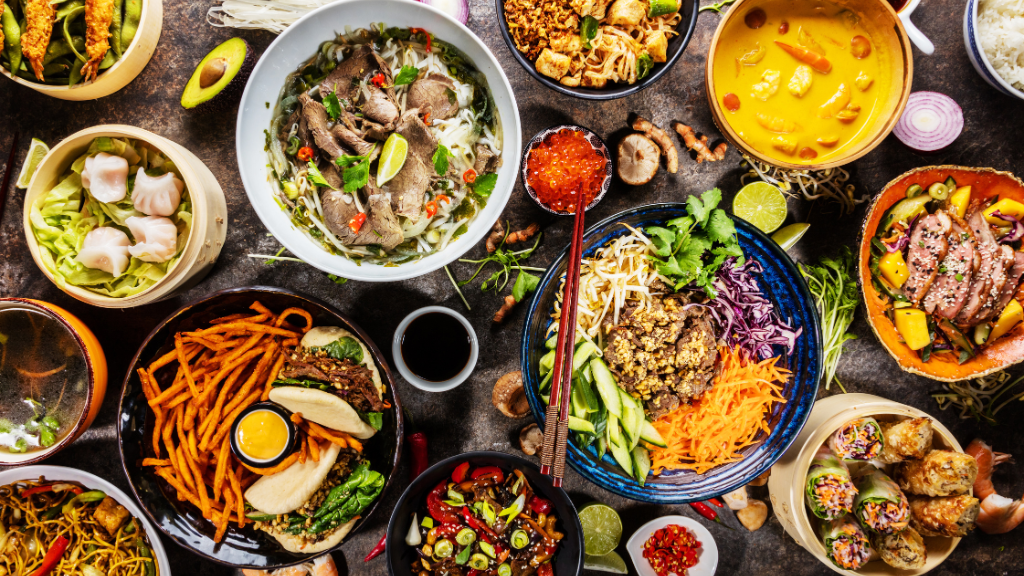
Section 2: Gastronomic Tourism – A Growing Trend
2.1 The Rise of Culinary Travel
Over the past decade, gastronomic tourism has become an integral part of the travel industry. Tourists are increasingly seeking experiences that go beyond traditional sightseeing. Whether it’s exploring local markets, taking cooking classes with native chefs, or enjoying tasting menus at Michelin-starred restaurants, culinary tourism offers an immersive way to connect with a destination’s identity.
The global rise of food festivals, such as the Osteria Francescana’s food tour in Italy or the Melbourne Food and Wine Festival, illustrates the growing demand for food-centric travel experiences. These festivals offer a platform for chefs, producers, and food enthusiasts to come together to celebrate food and culture in a way that is deeply engaging.
2.2 Experiences Beyond Dining: Cooking Classes, Food Tours, and More
Gastronomic tourism extends beyond eating at restaurants. Cooking classes, food tours, wine tastings, and even farm stays are gaining popularity. These experiences allow travelers to engage directly with food production, cooking techniques, and culinary traditions.
For instance, in Tuscany, Italy, tourists can participate in cooking classes that teach them how to prepare traditional Italian pasta dishes, using locally sourced ingredients. In Vietnam, food tours take travelers through bustling street food stalls, where they can taste everything from pho to banh mi, while learning about the cultural significance of each dish.
These immersive activities not only introduce visitors to the food itself but also provide insights into the history and cultural significance of each dish, giving them a deeper understanding of the culture they are experiencing.
2.3 The Role of Social Media in Gastronomic Tourism
Social media has played a massive role in the explosion of food tourism. Platforms like Instagram, YouTube, and TikTok have become essential tools for food enthusiasts to share their dining experiences with a global audience. Travelers now post pictures of exotic dishes, review restaurants, and document food tours, creating a global community of food explorers.
Food influencers, chefs, and restaurant owners use these platforms to promote unique culinary experiences, bringing destinations and their food to a wider audience. Hashtags like #FoodPorn, #CulinaryTravel, and #TasteTheWorld have made it easier for travelers to discover hidden food gems and connect with like-minded foodies.
The allure of food photography, combined with the desire for shared experiences, has made gastronomic tourism a powerful force in the travel industry, prompting new destinations to develop their culinary offerings for visitors.
Section 3: Experiencing Local Culture Through Food
3.1 Food as a Lens to Explore Local Traditions
Culinary tourism is a unique way to explore and appreciate the local customs, beliefs, and heritage of a destination. Through food, travelers can gain insight into the family traditions of a place, understand its economic factors, and even learn about its spiritual practices.
In India, the ceremonial preparation and consumption of prasad (sacred food offerings) provides a deeper understanding of the country’s relationship with spirituality and devotion. In Scandinavia, travelers might explore the role of fermented foods in maintaining health and wellbeing, which connects to their history of cold winters and preservation techniques.
Food can also reflect the socio-political environment of a place. For instance, Cuban cuisine represents the fusion of Spanish, African, and Caribbean influences due to the island’s colonial history and trade routes. This blend of influences tells a story of colonization, migration, and resilience.
3.2 Celebrating Cultural Festivals Through Food
Many of the world’s most beloved cultural festivals are centered around food. These celebrations offer travelers the chance to experience food in its most authentic, exuberant, and communal form. Oktoberfest in Germany, Diwali in India, and Chinese New Year celebrations offer travelers opportunities to experience traditional cooking and unique flavors that are rarely found outside of these festivities.
During these festivals, travelers can not only sample special dishes, but they can also immerse themselves in local rituals, witness traditional performances, and engage with the community—all while enjoying the rich culinary traditions that define these events.
3.3 A Sustainable Approach to Gastronomic Tourism
As culinary tourism continues to grow, there is increasing recognition of the need for sustainable travel practices. The growing awareness around food waste, local sourcing, and ethical eating is encouraging tourists and chefs to prioritize sustainability in their culinary experiences.
Many culinary tours and cooking classes now emphasize the importance of seasonal ingredients and responsible sourcing, ensuring that food production benefits the local community and minimizes its environmental impact. Eco-conscious food tourism is becoming an important aspect of cultural exploration, encouraging travelers to engage in sustainable practices while experiencing food in its most authentic form.
Section 4: The Future of Gastronomic Tourism
4.1 Emerging Trends in Culinary Travel
The future of gastronomic tourism is exciting, with new trends and innovations shaping the industry. Some emerging trends include:
- Virtual food experiences: As technology advances, virtual reality (VR) and augmented reality (AR) are being used to create immersive food experiences that allow travelers to learn about cuisines from around the world without leaving their homes.
- Food sustainability tours: As demand for sustainable practices grows, more food tours are incorporating eco-friendly practices into their itineraries, from zero-waste restaurants to sustainable farms.
- Personalized food experiences: With the rise of AI and big data, food tours and travel agencies are creating highly personalized experiences, tailoring the food experiences to the preferences of individual travelers.
4.2 The Integration of Food and Wellness Travel
The future of gastronomic tourism is also intertwined with the growing trend of wellness tourism. Many travelers are seeking out destinations that offer healthy cuisine, mindful eating, and detoxifying food options. This blend of food and wellness allows tourists to not only indulge in delicious local dishes but also nourish their bodies and spirits, promoting mental clarity, physical health, and overall well-being.
Conclusion: A World of Flavor and Discovery
Gastronomic tourism is much more than a culinary adventure—it is a profound cultural exploration. By embracing local food traditions, learning about culinary techniques, and immersing themselves in the authentic tastes of a region, travelers can gain a deeper appreciation for the history, values, and traditions that shape a place. Food connects people across borders and builds lasting bonds of understanding and shared experience.
As the world becomes more interconnected, gastronomic tourism will continue to flourish, offering opportunities to discover new cultures, flavors, and culinary techniques. Whether it’s indulging in a simple bowl of pho in Vietnam or sampling Michelin-star dishes in Paris, food remains the ultimate gateway to culture, connecting people to the heart of a destination.