









Introduction
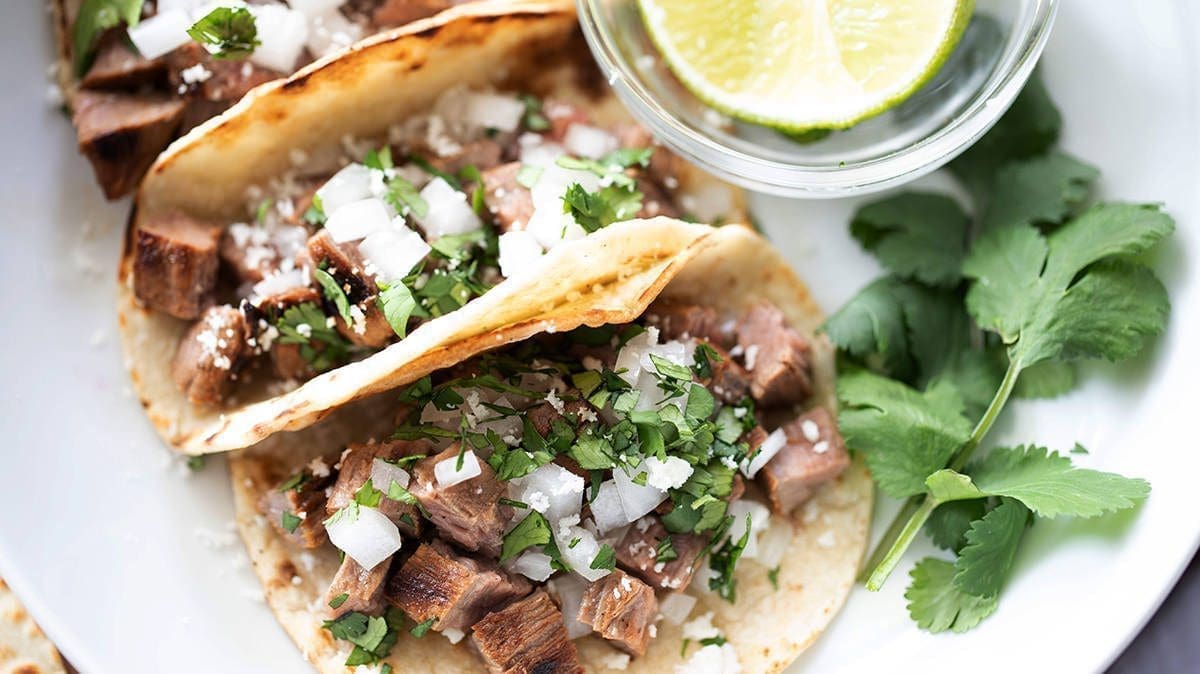
Mexican street tacos, or tacos de calle, represent the heart of Mexican culinary culture. Unlike their larger, restaurant-style counterparts, street tacos are small, flavorful, and portable, embodying a centuries-old tradition of simple yet vibrant flavors. Typically served on soft corn tortillas, they are a perfect example of how minimal ingredients, skilled preparation, and bold seasoning can produce exceptional taste.
The popularity of Mexican street tacos has expanded globally, inspiring food trucks, casual eateries, and home cooks worldwide. This article explores the history, ingredients, cooking techniques, nutritional aspects, flavor principles, and modern adaptations of street tacos, providing a comprehensive guide to understanding and recreating these iconic Mexican dishes.
1. History and Cultural Context
1.1 Origins of Street Tacos
- The concept of tacos dates back to pre-Hispanic Mesoamerica, where indigenous people used corn tortillas to wrap meats and other fillings
- Early tacos were simple: grilled meats or fish with herbs and chilies, emphasizing corn as the staple carbohydrate
- Spanish colonization introduced new proteins (beef, pork, chicken) and spices, expanding the taco repertoire
1.2 Evolution into Street Food
- Street tacos became popular in Mexican cities as affordable, ready-to-eat meals for workers and travelers
- Vendors would serve miniature tacos with various fillings, allowing customers to enjoy multiple flavors in one meal
- The small, soft corn tortilla became the defining feature, enhancing portability and flavor absorption
1.3 Regional Variations
- Mexico City: Carne asada, suadero, tripa (beef tripe)
- Northern Mexico: Flour tortillas and grilled meats
- Coastal Areas: Fish tacos with lime, cabbage, and crema
- Yucatán Peninsula: Cochinita pibil (slow-cooked pork marinated in achiote)
2. Core Ingredients
2.1 Tortillas
- Corn tortillas are traditional, made from masa harina (nixtamalized corn flour)
- Wheat tortillas are occasionally used, particularly in northern Mexico, but corn provides authentic flavor and texture
2.2 Proteins
- Beef: Carne asada, barbacoa, suadero
- Pork: Al pastor, carnitas
- Chicken: Pollo asado, tinga
- Seafood: Grilled fish, shrimp, ceviche-style fillings
- Vegetarian Options: Grilled mushrooms, beans, roasted vegetables
2.3 Vegetables and Condiments
- Onions and Cilantro: Classic toppings for freshness and aroma
- Salsas: Red (roja), green (verde), or chili-based sauces for heat
- Lime: Provides acidity and enhances flavor
- Additional Garnishes: Radishes, pickled vegetables, crema, cotija cheese
3. Preparation Techniques
3.1 Tortilla Making
- Nixtamalization: Corn kernels soaked in lime water, enhancing flavor and nutritional value
- Grinding: Nixtamalized corn ground into masa
- Shaping: Small balls of masa pressed into thin rounds
- Cooking: Griddled on a hot comal until slightly charred and pliable
3.2 Protein Preparation
- Grilling: Carne asada and al pastor are grilled for smoky flavor
- Slow-Cooking: Barbacoa and carnitas are braised for tenderness
- Marinating: Achieves depth of flavor and tender texture
- Searing or Pan-Cooking: Quick-cooked proteins like chicken tinga
3.3 Assembly
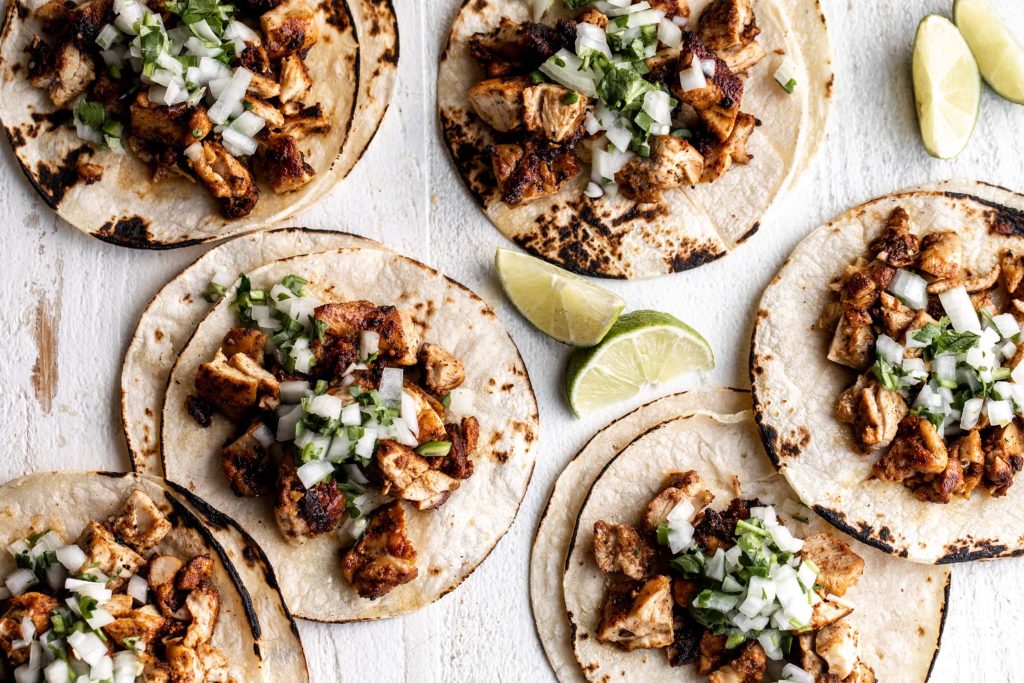
- Warm tortillas serve as a base for the filling
- Protein is topped with onions, cilantro, salsas, and lime
- Optional additions like radishes, pickled carrots, or crema are applied sparingly
4. Nutritional Considerations
4.1 Macronutrient Profile
- Carbohydrates: Provided by corn tortillas
- Protein: From meat, seafood, or legumes
- Fats: Naturally from protein, with optional cheese or crema
- Fiber: Corn tortillas and vegetables contribute dietary fiber
4.2 Health Adaptations
- Use grilled or roasted proteins instead of fried
- Include extra vegetables for fiber, vitamins, and antioxidants
- Opt for low-sodium salsas to reduce sodium intake
- Consider whole-grain or high-protein tortillas for modern dietary needs
5. Flavor Principles in Mexican Street Tacos
5.1 Umami and Savory Depth
- Achieved through grilled meats, slow-cooked proteins, and fermented salsas
- Traditional cooking methods emphasize Maillard reactions for flavor complexity
5.2 Acid Balance
- Lime juice and pickled vegetables cut through richness
- Provides bright, refreshing notes in every bite
5.3 Heat and Spice
- Salsas provide a range of spiciness from mild to fiery
- Chili peppers are integral for authentic flavor layering
5.4 Textural Contrast
- Soft, warm tortillas against tender meats, crisp onions, and fresh herbs
- Enhances mouthfeel and eating satisfaction
6. Modern Adaptations
6.1 Global Fusion
- Tacos with Korean bulgogi or Indian tikka fillings
- Vegan versions using jackfruit, tempeh, or seitan
- Dessert tacos with fruit, chocolate, and sweet cream
6.2 Convenience and Accessibility
- Ready-made tortillas and pre-cooked proteins
- Food trucks and street vendors bring tacos to urban areas globally
- Meal kits allow for DIY taco experiences at home
6.3 Innovative Techniques
- Sous-vide proteins for precise cooking and enhanced tenderness
- Smoked or grilled salsas to intensify flavor
- Miniaturized tacos for tasting menus and modern culinary presentations
7. Tools and Equipment
- Comal or Griddle: For tortilla cooking
- Grill or Skillet: For proteins
- Blender or Molcajete: For salsas
- Sharp Knives: For toppings and garnishes
- Press or Tortilla Maker: Optional for efficient home preparation
8. Challenges and Solutions
8.1 Maintaining Freshness
- Assemble tacos just before serving
- Store proteins and tortillas separately until ready to eat
8.2 Flavor Consistency
- Standardize marinades, seasoning, and cooking times
- Taste and adjust salsas frequently
8.3 Time Management
- Batch-cook proteins or use pre-prepared fillings
- Warm tortillas quickly on a comal just before serving
9. Cultural Significance
- Tacos are more than food; they are a social experience
- Street tacos foster community, accessibility, and cultural exchange
- Represent regional identities and local traditions across Mexico
10. Future Trends
- Plant-based street tacos to cater to vegan and vegetarian diets
- Fusion tacos blending global flavors while maintaining core principles
- Healthy tortillas made from alternative grains like quinoa or chickpea flour
- Sustainable sourcing: Locally raised meats and organic produce
- Food technology integration: Pre-marinated proteins, smart cooking appliances for street food enthusiasts
Conclusion
Mexican street tacos exemplify the simplicity, versatility, and richness of Mexican culinary culture. From traditional corn tortillas to modern fusion variations, they balance flavor, texture, and nutrition in a portable, satisfying format. Understanding their history, ingredients, cooking techniques, and cultural significance allows chefs and home cooks alike to preserve tradition while embracing innovation.
As global interest in authentic, fast, and flavorful meals grows, Mexican street tacos continue to thrive, bridging heritage, convenience, and culinary creativity for modern food enthusiasts.