








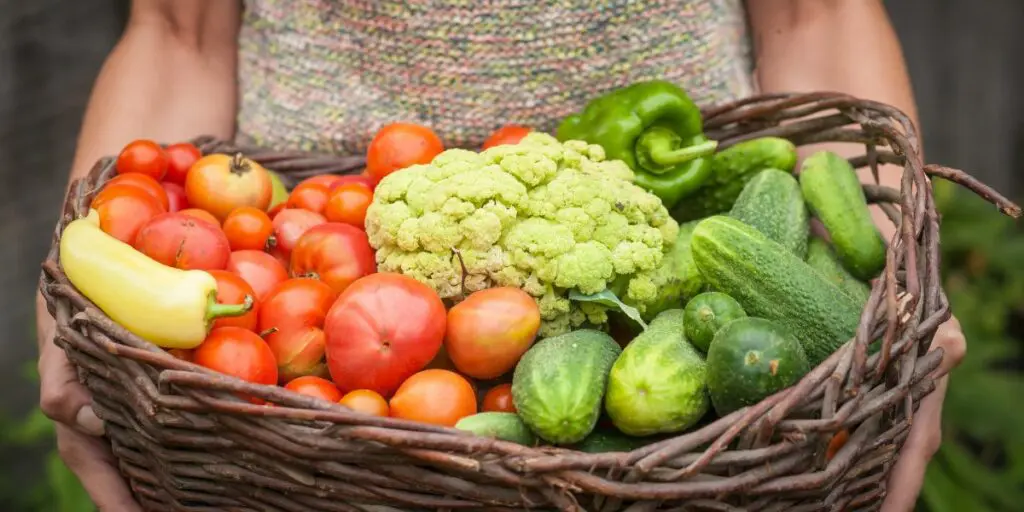

Food is more than mere sustenance; it is a living narrative of culture, geography, and history. Behind every dish lies a story—of soil, sun, water, and human ingenuity. Local ingredients, in particular, carry the essence of their region, bridging the gap between the farm and the table. Exploring these stories provides insight into agricultural practices, culinary heritage, and the intimate relationship between people and their land. This article delves deep into the journey of local ingredients, uncovering their origins, cultural significance, and the meticulous processes that transform them into beloved dishes.
The Significance of Local Ingredients
Local ingredients are the soul of authentic cuisine. Unlike mass-produced or imported products, they reflect the unique conditions of their place of origin—the soil composition, climate, and traditional farming methods. Using local ingredients preserves biodiversity, supports local economies, and maintains culinary traditions that have been honed over centuries.
Connection to Regional Identity
Regional identity is often inseparable from its food. For instance, the fragrant basmati rice of India’s Punjab region is not just a staple—it represents centuries of cultivation techniques perfected under specific climatic conditions. Similarly, the blue cheese of Roquefort, France, owes its distinct flavor to the caves and microbial environment of the region. Such ingredients tell a story that goes far beyond taste; they are cultural landmarks in edible form.
Sustainability and Seasonality
Local ingredients emphasize seasonal eating, which is critical for sustainable agriculture. Seasonal consumption ensures that ingredients are harvested at peak ripeness, maximizing nutritional value and flavor. It also reduces the carbon footprint associated with long-distance transportation and artificial storage. Farmers and chefs often collaborate to create menus that reflect these seasonal cycles, resulting in dishes that are both environmentally responsible and gastronomically superior.
From the Soil: Tracing Ingredients to Their Origins
The journey of food begins long before it reaches the kitchen. Understanding this journey requires examining agricultural practices, soil health, and regional cultivation methods.
Soil and Climate Influence
The terroir—a French term encompassing soil, topography, and climate—has a profound impact on flavor and quality. For example:
- Coffee in Ethiopia: The fertile, volcanic soils of Ethiopia’s highlands, combined with altitude and rainfall patterns, produce coffee beans with distinctive floral and fruity notes.
- Olives in the Mediterranean: Olive trees in southern Italy and Greece thrive in calcareous soil and temperate climates, producing oils with varying levels of bitterness and fruitiness, integral to local cooking traditions.
Traditional Farming Practices
Many local ingredients owe their uniqueness to traditional farming techniques passed down through generations.
- Terrace Farming in Asia: Rice terraces in Bali and the Philippines not only optimize water usage but also preserve ancestral knowledge of irrigation, fertilization, and crop rotation.
- Dry-Farming in Europe: Grapes for wines like Chianti or Rioja are often dry-farmed, relying solely on rainfall, which concentrates flavors and preserves the distinct regional character of the produce.
Culinary Stories: Ingredients Shaping Local Dishes
Ingredients are inseparable from the dishes they inspire. Regional cuisines are deeply influenced by the availability, seasonality, and preparation methods of local produce.
Asia: Aromatic and Umami-Rich Ingredients
In Asia, the use of local ingredients is fundamental to achieving umami-rich flavors.
- Soy Sauce and Fermented Foods in Japan: Traditional soy sauce production involves fermenting soybeans with specific molds in local climates, resulting in layers of umami that define Japanese cuisine.
- Herbs and Spices in Thailand: Kaffir lime leaves, galangal, and lemongrass thrive in Thailand’s tropical climate. Their fresh aromas are critical in curries, soups, and stir-fries, reflecting both geography and culture.
Europe: Craftsmanship in Cheese and Cured Meats
Europe’s culinary identity is deeply intertwined with local dairy and livestock practices.
- French Cheese: Camembert, Roquefort, and Comté each reflect local grazing practices, climate, and aging methods. The microbial flora in each region contributes to subtle differences in texture and flavor.
- Italian Cured Meats: Prosciutto di Parma and Bresaola are produced using traditional techniques that rely on local air currents, humidity, and microbial activity. These practices have been preserved for centuries, creating products that are both delicious and historically significant.
Latin America: Indigenous Ingredients and Heritage
Latin American cuisine is heavily influenced by native crops that have been cultivated for millennia.
- Maize in Mexico: Corn is not only a staple but a sacred crop, used in tortillas, tamales, and drinks like atole. The nixtamalization process, developed centuries ago, enhances nutrition and flavor.
- Quinoa in the Andes: Grown in high-altitude regions of Bolivia and Peru, quinoa has been a dietary mainstay since pre-Columbian times. Its resilience and nutritional profile reflect the ingenuity of indigenous agricultural practices.
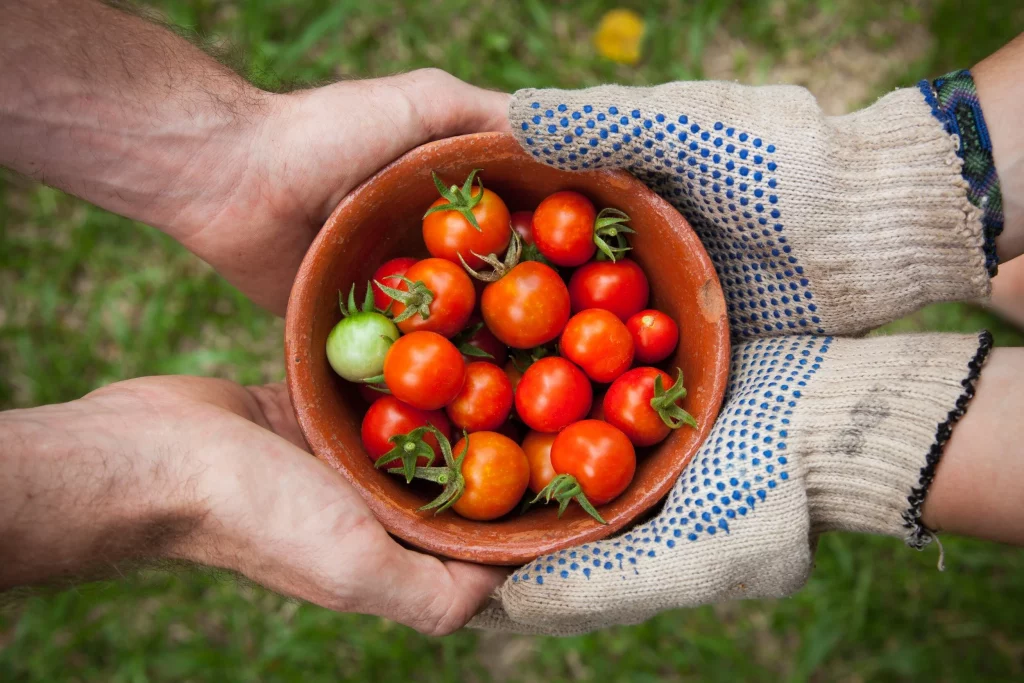
Artisanal Production: Preserving Flavor and Tradition
Many local ingredients are produced through artisanal methods, balancing tradition with modern needs.
Fermentation
Fermentation is a time-honored technique that enhances flavor, preserves food, and introduces health benefits.
- Kimchi in Korea: The careful layering of vegetables and spices, followed by controlled fermentation, creates complex flavors and preserves the nutritional integrity of the ingredients.
- Sourdough Bread in Europe: Traditional sourdough relies on local wild yeasts, which imbue bread with unique flavors linked to a specific location.
Handcrafting and Small-Scale Production
Artisanal practices ensure attention to detail that industrial production cannot match.
- Hand-Picked Fruits in Japan: High-end fruits like Yubari melons are cultivated with meticulous care, often hand-pollinated and nurtured to perfection.
- Traditional Olive Oil Pressing in Greece: Stone mills and cold-pressing methods maintain the aromatic qualities of olives, preserving the essence of the region’s terroir.
Challenges Facing Local Ingredients
Despite their cultural and gastronomic importance, local ingredients face significant challenges.
Globalization and Industrialization
Mass production and global trade can overshadow local practices, leading to homogenization of flavors and loss of biodiversity. Imported substitutes often fail to replicate the depth and uniqueness of regional ingredients.
Climate Change
Rising temperatures, unpredictable rainfall, and soil degradation threaten the viability of traditional farming methods. Ingredients that once thrived in specific regions may struggle to maintain their quality, affecting the continuity of culinary heritage.
Preservation of Knowledge
As older generations of farmers retire, the knowledge of traditional techniques risks being lost. Documenting practices, supporting local producers, and educating future generations are essential to sustaining these ingredients and their stories.
From Farm to Table: Culinary Transformation
The journey from farm to table involves multiple stages: cultivation, harvesting, preparation, and presentation. Each stage is an opportunity to honor the ingredient’s origins.
Harvesting Techniques
Timing and method of harvest directly affect flavor and nutritional quality. For example:
- Coffee Beans: Hand-picking ripe cherries ensures uniformity and reduces waste.
- Vegetables: Early morning harvests preserve crispness, color, and vitamin content.
Culinary Application
Chefs who respect local ingredients strive to highlight their natural qualities rather than masking them with heavy sauces or excessive processing. Techniques such as roasting, steaming, and minimal seasoning allow the inherent flavors to shine.
Storytelling on the Plate
Modern gastronomy increasingly emphasizes storytelling. A dish featuring a locally sourced ingredient often comes with a narrative about its origin, cultivation, and cultural significance. This approach connects diners to the food in a profound, memorable way, transforming meals into immersive experiences.
Case Studies: Iconic Ingredients and Their Journeys
Basque Sea Salt
Produced in small salt pans along the Basque coast, this salt is harvested through a combination of natural evaporation and manual raking. Its mineral-rich composition reflects the Atlantic waters and traditional harvesting techniques.
Himalayan Pink Salt
Mined from ancient salt deposits in the Khewra region, Himalayan pink salt is renowned for its trace minerals and delicate flavor. Its journey from deep mines to dining tables worldwide illustrates the interplay between geology, tradition, and modern commerce.
Saffron from Iran
Saffron, known as the “red gold,” is hand-harvested from crocus flowers. Each strand requires meticulous care, and the labor-intensive process explains its high value. Its flavor, color, and aroma are unmatched, preserving centuries of culinary heritage.
Conclusion
Local ingredients are more than raw materials—they are living chronicles of history, culture, and ecology. From the fertile fields and mountain terraces to artisanal workshops and bustling markets, each ingredient carries a story worth savoring. Understanding these stories enriches our culinary experiences, fosters appreciation for sustainability, and preserves regional identity in a rapidly globalizing world.
By exploring the journey from farm to table, we celebrate not only the flavors but also the dedication, creativity, and knowledge of the people who nurture these ingredients. Whether it is a hand-picked tomato, a carefully fermented cheese, or a sun-dried spice, every ingredient has a narrative that bridges tradition and innovation, ultimately transforming a simple meal into a meaningful experience.