









Introduction: When Food Exploration Enters the Virtual Dimension
For centuries, discovering new food cultures required physical movement—traveling to distant cities, wandering through unfamiliar markets, and sitting at tables shaped by other histories, climates, and beliefs. Culinary exploration was inseparable from geography. To taste the world, one had to go into the world.
Today, this assumption is being fundamentally redefined.
Through Augmented Reality (AR) and Virtual Reality (VR) technologies, people can now explore global food markets, restaurants, and culinary traditions without crossing borders. From navigating a Moroccan souk to observing sushi preparation in Tokyo, from walking through a Neapolitan pizzeria to attending a virtual street food festival in Bangkok, immersive technologies are transforming how food cultures are experienced, learned, and shared.
This article examines how AR and VR are reshaping global food exploration, the technologies behind immersive culinary experiences, their applications in tourism, education, and hospitality, and what this shift means for the future of gastronomy, culture, and human connection.
1. Understanding AR and VR in the Culinary Context
1.1 AR vs. VR: Key Distinctions
While often discussed together, AR and VR serve different purposes in food exploration:
- Augmented Reality (AR) overlays digital information onto the physical world. Examples include:
- Interactive menus showing ingredient origins
- Visual storytelling layered over real restaurants
- Live translation and cultural annotations in markets
- Virtual Reality (VR) creates fully immersive digital environments. Users can:
- Walk through recreated food markets
- Enter virtual restaurants
- Observe cooking processes in simulated kitchens
Both technologies expand perception, but in distinct ways—AR enhances reality, while VR replaces it.
1.2 Why Food Is a Natural Fit for Immersive Media
Food is multisensory, cultural, and spatial. It involves:
- Visual cues (color, presentation)
- Social context (shared eating)
- Cultural narrative (tradition, identity)
AR/VR excels at conveying context, making them powerful tools for culinary storytelling even when taste itself cannot yet be digitized.
2. Virtual Global Markets: Recreating the World’s Food Hubs
2.1 Markets as Cultural Ecosystems
Traditional food markets are not just places of trade; they are:
- Social centers
- Knowledge exchanges
- Expressions of local ecology and economy
Virtual recreations allow users to explore these ecosystems holistically.
2.2 Navigating Markets in VR
In VR, users can:
- Walk through stalls
- Examine ingredients up close
- Hear ambient sounds and vendor calls
- Learn about seasonality and sourcing
This transforms markets from static images into navigable cultural landscapes.
2.3 Preservation of Disappearing Food Spaces
Many traditional markets face pressure from:
- Urban redevelopment
- Globalized retail
- Changing lifestyles
VR documentation preserves these spaces digitally, allowing future generations to experience food environments that may no longer physically exist.
3. Virtual Restaurants: Beyond Menus and Reviews
3.1 From Description to Presence
Traditional restaurant discovery relies on:
- Photos
- Written reviews
- Ratings
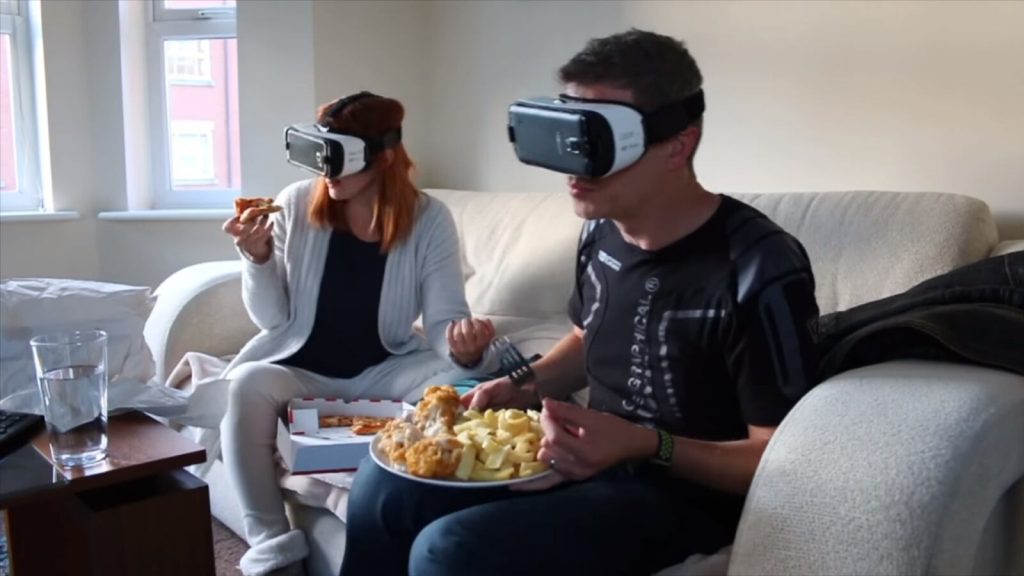
VR replaces abstraction with presence. Users can:
- Enter the dining room
- Observe atmosphere and layout
- Experience lighting, music, and spatial flow
This offers a deeper understanding than any static medium.
3.2 Storytelling Through Space
Restaurants often embody philosophy through design:
- Open kitchens signaling transparency
- Minimalist spaces reflecting ingredient focus
- Ornate décor expressing heritage
VR allows these narratives to be experienced rather than explained.
4. AR-Enhanced Dining Experiences
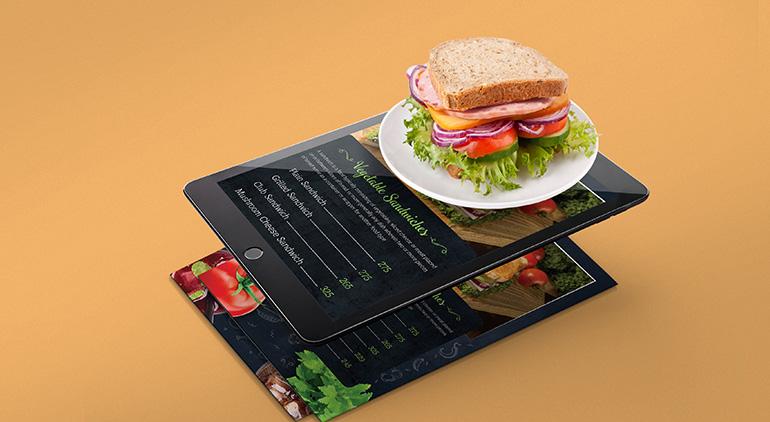
4.1 Interactive Menus and Ingredient Visualization
AR menus can display:
- 3D renderings of dishes
- Ingredient origins on a global map
- Allergen and nutrition layers
- Cultural background of recipes
This turns ordering into an educational and exploratory act.
4.2 Real-Time Cultural Context
In global or fusion restaurants, AR can provide:
- Pronunciation guides
- Historical context
- Traditional eating customs
This lowers cultural barriers and deepens appreciation.
5. Culinary Tourism Without Travel
5.1 Accessibility and Inclusion
Not everyone can travel due to:
- Cost
- Physical limitations
- Time constraints
AR/VR democratizes culinary tourism, allowing:
- Students
- Elderly individuals
- Remote communities
to explore global food cultures inclusively.
5.2 Pre-Travel and Post-Travel Experiences
For travelers, immersive technology supports:
- Pre-trip exploration and planning
- Deeper understanding before arrival
- Post-trip reflection and memory reinforcement
Food exploration becomes a continuous journey rather than a single event.
6. Education and Culinary Learning Through Immersion
6.1 Culinary Schools and Training Programs
VR enables students to:
- Observe professional kitchens worldwide
- Practice workflows in simulated environments
- Learn regional techniques without relocation
This reduces cost and expands exposure.
6.2 Cultural and Historical Food Education
Through immersive storytelling, learners can:
- Attend historical banquets
- Explore ancient markets
- Understand food’s role in rituals and daily life
AR/VR makes food history experiential rather than abstract.
7. Documenting Intangible Culinary Heritage
7.1 Beyond Recipes
UNESCO recognizes food traditions as intangible cultural heritage, yet documentation often focuses on:
- Text
- Video
- Static archives
VR captures:
- Movement
- Space
- Interaction
preserving not just what is cooked, but how and where it is prepared and shared.
7.2 Community-Led Virtual Preservation
Local communities can participate in:
- Recording markets and kitchens
- Narrating their own food stories
- Controlling representation
This shifts power away from external documentation toward cultural self-representation.
8. Restaurants as Hybrid Physical–Virtual Spaces
8.1 Extending Reach Beyond Location
Restaurants can exist virtually as well as physically:
- Virtual tours attract international audiences
- Remote diners engage with brand philosophy
- Cultural narratives reach beyond geography
This redefines what it means to “visit” a restaurant.
8.2 Virtual Events and Tastings
Some establishments host:
- VR-guided tastings paired with delivered meals
- Virtual chef talks and demonstrations
- Global dining events across time zones
The restaurant becomes a platform rather than a place.
9. Multisensory Design and Its Limitations
9.1 Visual and Auditory Strengths
AR/VR excels at:
- Spatial immersion
- Visual detail
- Soundscapes and atmosphere
These elements strongly influence flavor perception, even without taste.
9.2 The Challenge of Taste and Smell
Taste and aroma remain difficult to digitize. However:
- Context shapes perception
- Visual cues influence expectation
- Learning primes future real-world experiences
AR/VR prepares the palate, even if it cannot yet replace it.
10. Technology Behind Immersive Food Exploration
10.1 3D Scanning and Photogrammetry
Markets and restaurants are captured using:
- High-resolution scanning
- Spatial mapping
- Photogrammetry
This ensures realism and navigational accuracy.
10.2 AI and Adaptive Experiences
AI enhances immersion by:
- Personalizing exploration paths
- Translating languages in real time
- Adapting content to user interests
Experiences become dynamic rather than fixed.
11. Commercial and Industry Applications
11.1 Hospitality Marketing and Branding
Hotels, tourism boards, and restaurants use AR/VR to:
- Showcase authenticity
- Build emotional connection
- Reduce uncertainty for visitors
This shifts marketing from persuasion to experience.
11.2 Market Research and Menu Testing
Virtual environments allow:
- Testing restaurant layouts
- Observing user interaction
- Simulating customer flow
Decisions are informed before physical investment.
12. Ethical and Cultural Considerations
12.1 Avoiding Cultural Flattening
There is a risk of:
- Reducing cultures to spectacle
- Oversimplifying traditions
- Prioritizing aesthetics over meaning
Responsible design emphasizes depth, voice, and context.
12.2 Ownership and Representation
Questions arise:
- Who controls virtual representations?
- Who profits from digital markets?
- How are communities credited?
Ethical frameworks are essential for sustainable adoption.
13. Social Interaction in Virtual Food Spaces
13.1 Shared Virtual Meals
Users can:
- Explore markets together
- Attend virtual dinners
- Discuss food in real time
Food remains social, even in digital form.
13.2 Global Dialogue Through Cuisine
Virtual food spaces encourage:
- Cross-cultural conversation
- Curiosity over judgment
- Shared learning
Cuisine becomes a medium for global empathy.
14. Sustainability and Reduced Travel Impact
14.1 Environmental Benefits
Virtual exploration reduces:
- Carbon emissions from travel
- Pressure on fragile destinations
- Over-tourism in food hotspots
Exploration becomes lighter on the planet.
14.2 Supporting Local Economies Digitally
Virtual exposure can:
- Drive interest in small producers
- Support fair-trade initiatives
- Encourage informed, respectful tourism
Digital presence does not replace physical economies—it can support them.
15. Challenges to Widespread Adoption
15.1 Technological Barriers
Access depends on:
- Hardware availability
- Internet infrastructure
- Digital literacy
Bridging these gaps is crucial for equity.
15.2 Authenticity vs. Simulation
No virtual experience fully replaces being there. The goal is not substitution, but complementarity.
16. The Future of Immersive Culinary Exploration
16.1 Convergence With Other Technologies
Future experiences may integrate:
- Haptic feedback
- Scent technologies
- Real-time data from physical kitchens
The boundary between physical and virtual will blur further.
16.2 From Observation to Participation
Users may eventually:
- Cook alongside virtual chefs
- Interact with vendors
- Shape narratives collaboratively
Food exploration becomes co-created.
Conclusion: Expanding the Meaning of Culinary Travel
AR and VR experiences are not replacing markets, restaurants, or travel. They are expanding the ways we access, understand, and value them. By enabling virtual exploration of global food spaces, immersive technologies deepen cultural literacy, preserve fragile traditions, and make culinary discovery more inclusive.
In a world where movement is unevenly distributed, virtual food exploration offers a powerful alternative: the ability to encounter difference with curiosity rather than distance. Through AR and VR, markets and restaurants become more than destinations—they become shared cultural experiences, accessible across borders, languages, and circumstances.
Food has always connected people. Immersive technology simply gives that connection a new dimension.