








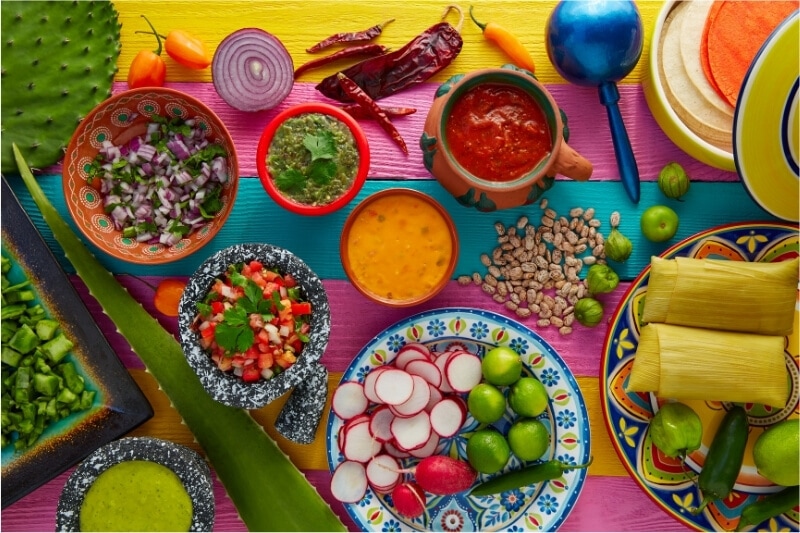

In the 21st century, media and technology have become vital tools for preserving, promoting, and sharing culinary traditions across the globe. Traditional cooking methods, recipes passed down through generations, and regional flavors—once confined to local communities—are now accessible to millions of people worldwide. The digital era has created opportunities for chefs, cultural institutions, and food enthusiasts to document, broadcast, and reinterpret culinary heritage, making gastronomy a powerful medium for cultural exchange and global understanding.
This article examines how media and technology are transforming the dissemination of culinary heritage, exploring platforms, strategies, challenges, and future trends. It highlights the role of digital storytelling, multimedia, e-commerce, and immersive technologies in making global cuisine more accessible, educational, and experiential.
1. Understanding Culinary Heritage
1.1 Definition and Significance
Culinary heritage encompasses:
- Traditional recipes that reflect local history, geography, and culture.
- Cooking techniques passed down through generations.
- Food-related rituals, festivals, and social practices.
Food is more than sustenance; it is a cultural artifact, embodying identity, values, and shared memory. Preserving and sharing culinary heritage maintains cultural diversity and fosters cross-cultural appreciation.
1.2 Threats to Culinary Heritage
Despite its significance, traditional cuisine faces challenges:
- Globalization and fast-food culture threaten local flavors.
- Urbanization and industrial food systems reduce home cooking practices.
- Climate change and environmental pressures affect ingredient availability.
Technology and media serve as crucial tools to document, preserve, and disseminate culinary traditions, ensuring that heritage survives and evolves.
2. Media Platforms for Culinary Dissemination
2.1 Television and Documentary Films
Television has been a traditional vehicle for sharing culinary culture:
- Shows like Anthony Bourdain: Parts Unknown introduced audiences to regional ingredients, cooking methods, and cultural contexts.
- Culinary documentaries highlight historical, social, and environmental dimensions of food.
- Television creates emotional engagement, connecting viewers to distant cultures through storytelling and visuals.
2.2 Print Media and Cookbooks
- Cookbooks and magazines preserve recipes and techniques while contextualizing them culturally.
- Illustrated publications provide step-by-step instructions, ingredient origins, and historical background.
- Culinary writing combines scholarship with narrative, documenting heritage for both professionals and enthusiasts.
2.3 Online Platforms and Social Media
Digital media has democratized access to culinary heritage:
- Platforms like YouTube, Instagram, and TikTok allow chefs and home cooks to share videos of cooking demonstrations, recipe tutorials, and cultural storytelling.
- Blogs and websites provide archival content, ingredient sourcing guides, and historical insights.
- Social media facilitates community engagement, enabling users to share experiences, adaptations, and interpretations of traditional dishes.
2.4 Podcasts and Audio Media
- Culinary podcasts explore history, gastronomy, and the socio-cultural significance of food.
- Audio storytelling provides accessibility for diverse audiences, including visually impaired learners.
- Interviews with chefs, historians, and farmers offer first-hand narratives of culinary heritage.

3. Technology-Enabled Culinary Preservation
3.1 Digital Archives and Databases
- Institutions are digitizing recipes, cooking videos, and historical documents.
- Interactive databases allow users to explore regional cuisines, seasonal ingredients, and traditional techniques.
- Digital preservation ensures that fragile heritage—such as handwritten recipe books or oral histories—remains accessible.
3.2 E-Learning and Online Courses
- Platforms like Coursera, MasterClass, and specialized culinary schools offer courses on traditional cooking methods, local ingredients, and cultural gastronomy.
- Learners can access interactive modules, video demonstrations, and expert guidance from anywhere in the world.
- Technology enables massive-scale education, bridging geographical and socio-economic barriers.
3.3 Virtual and Augmented Reality (VR/AR)
- VR recreates traditional kitchens, food markets, and cultural rituals, providing immersive culinary experiences.
- AR overlays instructions or historical context onto real-world cooking spaces.
- These technologies enhance experiential learning, enabling users to “step into” culinary traditions.
3.4 E-Commerce and Global Distribution
- Online marketplaces allow traditional food products, spices, and utensils to reach international audiences.
- Subscription boxes and curated meal kits enable consumers to experience authentic heritage ingredients and recipes at home.
- Technology thus transforms local culinary practices into globally accessible experiences.
4. Culinary Heritage Through Storytelling
4.1 The Power of Narrative
- Storytelling contextualizes recipes and ingredients, linking them to history, geography, and social customs.
- Narratives transform food into a cultural experience, allowing audiences to connect emotionally with traditions.
4.2 Visual Storytelling
- Food photography, video, and animation highlight textures, colors, and preparation techniques.
- High-quality visuals enhance appetite appeal and cultural understanding, making unfamiliar cuisines accessible and attractive.
- Visual media also document ephemeral culinary practices, such as festival-specific foods or seasonal preparations.
4.3 Community and Participatory Storytelling
- Crowdsourced platforms allow users to share family recipes, oral histories, and adaptations.
- Social media communities preserve heritage through collective memory, crowdsourcing knowledge, and ensuring continuity.
- Engagement fosters a living archive, where culinary traditions evolve yet remain connected to their origins.
5. Case Studies of Global Culinary Dissemination
5.1 UNESCO Intangible Cultural Heritage
- UNESCO’s recognition of traditional cuisines (e.g., Mexican cuisine, Mediterranean diet) emphasizes cultural and historical significance.
- Digital dissemination campaigns amplify awareness and encourage preservation practices.
5.2 Digital Media Initiatives
- Platforms like Tastemade, Eater, and Food52 showcase global culinary heritage to millions of viewers.
- Interactive content, from cooking tutorials to market tours, provides multi-sensory cultural exposure.
5.3 Collaborative Projects
- Partnerships between chefs, cultural institutions, and technology companies document endangered culinary practices.
- Examples include online cooking archives, recipe digitization projects, and interactive food history exhibits.
- These initiatives demonstrate the power of media and technology to safeguard and promote heritage.
6. The Role of Technology in Education and Training
6.1 Culinary Schools and Online Platforms
- Schools integrate digital resources for teaching traditional techniques alongside modern innovations.
- Students access global culinary knowledge, bridging gaps between regional traditions and contemporary practice.
6.2 Interactive Learning Tools
- Gamification and simulations teach cooking methods, ingredient identification, and recipe reconstruction.
- Learners can experiment virtually before attempting real-world preparation, preserving knowledge while reducing waste.
6.3 Skill Preservation and Apprenticeship
- Digital platforms connect apprentices with master chefs, enabling mentorship and skill transfer across borders.
- Online demonstrations document specialized skills, such as hand-rolled pasta, fermentation, or traditional butchery.
7. Challenges in Disseminating Culinary Heritage
7.1 Authenticity and Cultural Sensitivity
- Global dissemination risks cultural misrepresentation or oversimplification.
- Adaptation for mass audiences may compromise authenticity or nuance.
- Proper contextualization and education are necessary to respect cultural significance.
7.2 Intellectual Property and Ownership
- Recipes and culinary knowledge are often community-owned rather than individually patented.
- Sharing digital content requires careful consideration of cultural rights and attribution.
7.3 Digital Divide
- Access to technology varies by region, potentially excluding communities from participating in heritage preservation.
- Bridging technological gaps ensures equitable participation and knowledge sharing.
8. Emerging Trends
8.1 Immersive Culinary Experiences
- Virtual food tours, live cooking workshops, and AR-enhanced dining create interactive, educational experiences.
- Immersive storytelling fosters deep cultural engagement beyond taste alone.
8.2 Collaborative and Crowdsourced Documentation
- Communities contribute to digital archives of recipes, rituals, and ingredient sources.
- Participatory approaches preserve living culinary heritage, reflecting both tradition and innovation.
8.3 Sustainability and Ethical Practices
- Media campaigns raise awareness of local ingredients, sustainable farming, and ethical sourcing.
- Technology tracks ingredient provenance, supporting responsible consumption and heritage preservation.
8.4 AI-Enhanced Culinary Research
- AI analyzes recipes, flavor compounds, and regional practices to identify patterns and recreate lost dishes.
- Computational gastronomy facilitates experimentation while respecting historical context.
9. Global Impact of Media and Technology
9.1 Cultural Exchange and Diplomacy
- Culinary heritage serves as a medium for international understanding.
- Media platforms foster appreciation for diverse cultures, reducing stereotypes and promoting dialogue.
9.2 Economic Opportunities
- Heritage-based culinary tourism stimulates local economies.
- Digital products, subscription boxes, and online courses create revenue streams for communities preserving traditional practices.
9.3 Preservation of Endangered Culinary Practices
- Digitization, media documentation, and virtual experiences safeguard techniques and recipes threatened by globalization.
- Communities gain visibility and support for continuing traditional foodways.
10. Conclusion
Media and technology have revolutionized the way culinary heritage is shared and preserved. From documentaries and social media to VR, AI, and e-commerce, these tools enable global audiences to access, learn, and participate in diverse food cultures. The integration of storytelling, education, and digital innovation ensures that culinary heritage is not only maintained but also celebrated and evolved.
As technology continues to advance, chefs, historians, and cultural institutions can create immersive, participatory, and sustainable experiences that connect communities worldwide. By leveraging these tools responsibly, the global dissemination of culinary heritage will continue to enrich cultural understanding, preserve traditional knowledge, and inspire culinary innovation for generations to come.