








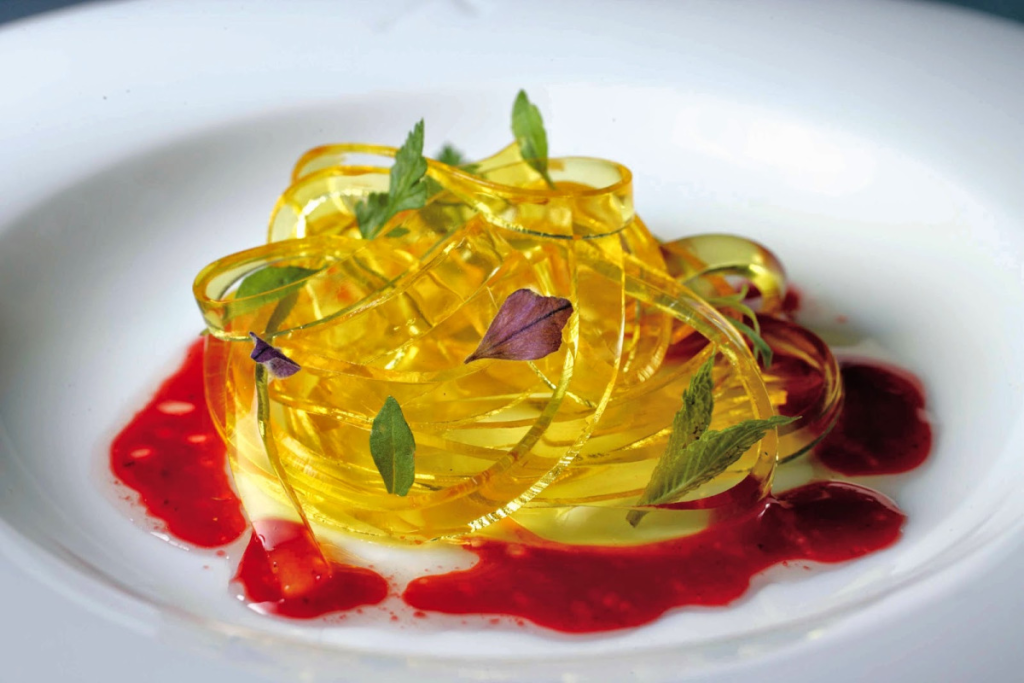
![Molecular Gastronomy is the hottest new trend in cooking. Carrots Spheres and caviar on spoons. Horizontal shot. [url=http://www.istockphoto.com/file_search.php?action=file&lightboxID=6843654][IMG]http://img690.imageshack.us/img690/5752/vetta01.jpg[/IMG][/url] [url=http://www.istockphoto.com/file_search.php?action=file&lightboxID=4259794][IMG]http://img168.imageshack.us/img168/2505/foodbanner200801alr2.jpg[/IMG][/url] [url=file_closeup.php?id=12421344][img]file_thumbview_approve.php?size=1&id=12421344[/img][/url] [url=file_closeup.php?id=11232354][img]file_thumbview_approve.php?size=1&id=11232354[/img][/url] [url=file_closeup.php?id=11231175][img]file_thumbview_approve.php?size=1&id=11231175[/img][/url]](https://flavornexa.com/wp-content/uploads/2025/12/23.jpg)

Introduction: The Evolution of Molecular Gastronomy
Molecular gastronomy, a field that blends culinary art with food science, emerged in the late 20th century as a revolutionary movement in modern cuisine. Pioneered by scientists like Hervé This and chefs including Ferran Adrià and Heston Blumenthal, molecular gastronomy transformed kitchens into experimental laboratories, where chefs could manipulate texture, flavor, and presentation using scientific principles. Techniques such as spherification, foams, emulsification, and sous-vide cooking challenged traditional notions of taste and dining aesthetics.
Today, molecular gastronomy is undergoing a transformation into its 2.0 era, a phase characterized not merely by technical experimentation but by the integration of flavor science, sustainability, multi-sensory design, and technological innovation. In this new era, chefs aim to create culinary experiences that are scientifically precise, emotionally resonant, and environmentally conscious.
This article explores the rise of molecular gastronomy 2.0, its defining features, technological advancements, sensory implications, and its impact on the future of fine dining.
Section I — Molecular Gastronomy: From Origins to Evolution
1. Historical Perspective
The roots of molecular gastronomy lie in the curiosity of scientists and chefs to understand the chemical and physical transformations of food. Unlike traditional gastronomy, which relies on inherited techniques and recipes, molecular gastronomy applied empirical methods to cooking, analyzing heat transfer, molecular interactions, and flavor chemistry.
Early applications included:
- Spherification: creating spheres with liquid centers, mimicking caviar-like textures.
- Foams and airs: concentrating flavors into light, airy textures.
- Sous-vide cooking: precise temperature control to maintain optimal flavor and texture.
These techniques emphasized technical prowess, often prioritizing novelty and spectacle over purely flavor-driven outcomes. While molecular gastronomy 1.0 generated excitement and visibility for culinary science, it also revealed challenges: some dishes were visually stunning but lacked emotional connection or authentic flavor resonance.
2. Limitations of the First Era
Molecular gastronomy 1.0, while innovative, faced criticism for:
- Overemphasis on visual and conceptual novelty.
- Complexity that sometimes overshadowed flavor quality.
- High cost and resource intensity, limiting accessibility.
Chefs and food scientists recognized the need to evolve: the next phase would preserve scientific precision while focusing on flavor essence, sustainability, and sensory engagement.
Section II — Defining Molecular Gastronomy 2.0
1. Flavor-Centric Innovation
The defining feature of molecular gastronomy 2.0 is the primacy of flavor. Advanced techniques are now used not just for visual effect but to enhance taste, aroma, and mouthfeel. Chefs employ:
- Flavor extraction and concentration using centrifugation and vacuum infusion.
- Controlled Maillard reactions for deeper umami and caramelized notes.
- Temperature manipulation to enhance aroma release.
In 2.0, every technical intervention is assessed for its sensory impact, ensuring that flavor remains at the forefront of innovation.
2. Sensory Science and Multi-Sensory Dining
Molecular gastronomy 2.0 integrates neuroscience and sensory perception to craft immersive experiences. Techniques now consider:
- Olfactory engagement: using aromatic vapors, smoke, and volatile compounds.
- Tactile interaction: creating contrasting textures for multi-sensory pleasure.
- Auditory cues: incorporating soundscapes or the natural sounds of ingredients.
By designing dishes that engage all five senses, chefs create emotional resonance and memorable dining experiences that go beyond mere flavor.
3. Sustainability and Ethical Innovation
Modern molecular gastronomy prioritizes sustainable ingredients and processes. Techniques are being adapted to:
- Reduce waste through full utilization of ingredients.
- Incorporate plant-based proteins and alternative sources without compromising taste.
- Apply energy-efficient cooking methods, such as sous-vide and induction cooking, minimizing environmental impact.
The 2.0 era merges culinary science with responsible gastronomy, aligning technical innovation with social and ecological awareness.
Section III — Technological Advancements Driving 2.0
1. Precision Cooking Tools
Advanced cooking technologies allow molecular gastronomy 2.0 chefs to manipulate ingredients with unprecedented accuracy:
- Sous-vide immersion circulators: precise temperature control preserves flavor compounds.
- Centrifuges and rotary evaporators: isolate, concentrate, and infuse flavors.
- Freeze-drying and dehydration equipment: create novel textures and intensify taste profiles.
These tools enable chefs to experiment safely, producing repeatable results while maximizing sensory impact.
2. Digital and AI-Enhanced Flavor Design
Artificial intelligence and data analytics are increasingly used to:
- Predict successful ingredient pairings based on molecular compatibility.
- Optimize seasoning, aroma, and texture using predictive modeling.
- Assist in menu personalization, tailoring dishes to individual taste profiles.
These technologies allow molecular gastronomy 2.0 to blend artistry with precision, ensuring every dish achieves maximum flavor and sensory effect.
3. 3D Food Printing and Structural Innovation
3D food printing is a hallmark of molecular gastronomy 2.0, enabling:
- Precise control of shape, texture, and ingredient layering.
- Creation of complex edible structures previously impossible with traditional techniques.
- New possibilities for personalized nutrition and flavor customization.
By integrating 3D printing, chefs can explore both aesthetic innovation and functional design, enhancing taste and experience simultaneously.
Section IV — The Science of Flavor in 2.0
1. Flavor Molecules and Aroma Engineering
In molecular gastronomy 2.0, chefs use flavor chemistry to manipulate taste:
- Umami enhancers (glutamates, nucleotides) to intensify savory profiles.
- Volatile aromatic compounds to create multi-layered aromas.
- pH adjustment and enzymatic reactions to modulate acidity and sweetness.
Understanding these molecular interactions allows chefs to maximize flavor potential without excessive additives.
2. Texture as a Flavor Amplifier
Texture is central to how flavor is perceived. Techniques such as spherification, foams, gels, and air encapsulation are used to:
- Control release rates of flavor compounds.
- Provide dynamic mouthfeel, altering perceived intensity and satisfaction.
- Enhance contrast between ingredients, creating complex multi-sensory experiences.
Chefs now view texture not as a novelty but as a strategic tool for taste enhancement.
3. Temperature and Flavor Perception
Temperature directly affects aroma release and taste perception. Molecular gastronomy 2.0 employs:
- Precision heating and cooling to optimize flavor intensity.
- Hot-cold contrasts to enhance sensory dynamics.
- Controlled chilling to preserve delicate aromas in plant-based or seafood dishes.
These temperature manipulations allow chefs to craft dishes that are emotionally and sensorially compelling.
Section V — Case Studies of Molecular Gastronomy 2.0
1. Noma (René Redzepi)
Noma integrates foraging, fermentation, and plant-based innovation with molecular techniques. The restaurant emphasizes:
- Ingredient-driven experimentation.
- Sensory layering, combining taste, aroma, and texture.
- Seasonality and sustainability as core principles.
2. Alinea (Grant Achatz)
Alinea focuses on immersive dining experiences:
- Interactive dishes engage multiple senses.
- Molecular techniques serve flavor enhancement, not just spectacle.
- Technology and art merge to create emotionally resonant culinary experiences.
3. The Fat Duck (Heston Blumenthal)
Blumenthal’s approach exemplifies scientifically informed storytelling:
- Dishes are designed with olfactory, auditory, and visual cues.
- Flavor manipulations evoke memories and emotions.
- Precision techniques enhance flavor complexity and depth.
Section VI — Challenges and Opportunities
1. Balancing Technique and Flavor
A key challenge of molecular gastronomy 2.0 is ensuring that technique serves flavor, not overshadows it. Chefs must:
- Avoid excessive novelty that distracts from the essence of the dish.
- Prioritize ingredient integrity and taste harmony.
- Integrate scientific rigor with culinary intuition.
2. Accessibility and Scalability
Molecular gastronomy 2.0 faces challenges in scaling:
- Advanced equipment and expertise are costly.
- Sustainability and ethical sourcing must balance with accessibility.
- Solutions include modular techniques, plant-based innovation, and simplified molecular methods adaptable to broader culinary settings.
3. The Role of Education
Culinary education is evolving to prepare chefs for this era:
- Courses in food chemistry, sensory science, and technology.
- Training in AI-assisted recipe development and flavor prediction.
- Emphasis on holistic sensory design, integrating emotion, taste, and aesthetics.
Section VII — The Future of Molecular Gastronomy 2.0
Molecular gastronomy 2.0 points to a future where:
- Flavor science, sensory psychology, and technology converge to create unparalleled dining experiences.
- Sustainability and ethics are integral to ingredient selection and preparation.
- Personalized and immersive experiences dominate high-end dining, using AI, 3D printing, and multi-sensory engagement.
This era represents a maturation of culinary science, where chefs are artists, scientists, and storytellers, crafting dishes that are nutritionally sound, ecologically responsible, and emotionally resonant.
Conclusion
Molecular gastronomy 2.0 transcends the spectacle of the past. While the first era emphasized technical prowess and visual ingenuity, the current phase focuses on flavor, sensory experience, sustainability, and technological integration. Chefs now leverage scientific principles to maximize flavor potential, create multi-sensory dining experiences, and ensure that culinary innovation aligns with ethical and ecological responsibility.
As molecular gastronomy enters this next phase, it promises a new standard of excellence, where science and art coalesce, producing food that delights, surprises, and resonates deeply with diners on multiple sensory and emotional levels.