







Introduction
Fermentation has long been celebrated as one of the most transformative processes in culinary history. Beyond preservation, fermentation acts as a “time-based seasoning,” adding depth, complexity, and character to foods and beverages. By harnessing microorganisms—yeasts, bacteria, and molds—chefs, artisans, and home cooks manipulate time to develop unique flavors, textures, and aromas that are otherwise unattainable.
This article explores the multifaceted role of fermentation as a culinary tool, a scientific process, and an art form. It delves into the history, biochemical principles, culinary applications, and cultural significance of fermented foods, emphasizing how time itself becomes an ingredient in crafting unforgettable gastronomic experiences.
1. The Science of Fermentation
1.1 Microorganisms and Biochemical Transformations
Fermentation is a metabolic process in which microorganisms convert carbohydrates into alcohol, acids, and gases. Key types include:
- Lactic Acid Fermentation: Used in yogurt, kimchi, sauerkraut, and pickles. Produces lactic acid, which preserves food and enhances umami flavors.
- Alcoholic Fermentation: Yeasts convert sugars into ethanol and CO₂, forming beer, wine, and certain bread doughs.
- Acetic Acid Fermentation: Converts alcohol into vinegar using acetic acid bacteria, providing tang and preservation.
- Mold Fermentation: Aspergillus and other molds are used in cheese, miso, and soy sauce production, generating rich flavors and aromas.
1.2 Flavor Development Over Time
Time is a critical variable in fermentation. Extended fermentation:
- Increases complexity and depth of flavor
- Balances acidity, sweetness, and umami
- Alters texture, from creamy yogurt to chewy sourdough
- Enhances aromatic profiles through secondary metabolites
2. Historical Context and Cultural Significance
2.1 Ancient Preservation Techniques
Fermentation predates refrigeration and artificial preservatives, enabling societies to store seasonal produce and animal products safely. Examples include:
- Asia: Kimchi, miso, tempeh, and soy sauce
- Europe: Sauerkraut, sourdough bread, cheeses, and wine
- Africa and Middle East: Fermented cereals, beer, and yogurt
2.2 Rituals and Tradition
Fermentation often carries symbolic and social significance:
- Seasonal preparations, such as kimjang (Korean kimchi-making)
- Religious or ceremonial uses of wine, kefir, or bread
- Community participation in fermentation processes, fostering social cohesion
3. Fermentation as a Culinary Tool
3.1 Enhancing Flavor Profiles
Fermentation creates complex tastes by:
- Producing acids, alcohols, and esters that deepen flavor
- Enhancing umami through protein breakdown
- Balancing natural sweetness and bitterness
Examples:
- Sourdough bread gains tanginess and nuanced aroma through lactic acid and wild yeast activity.
- Aged cheeses like Parmigiano-Reggiano develop crystalline textures and savory umami over months or years.
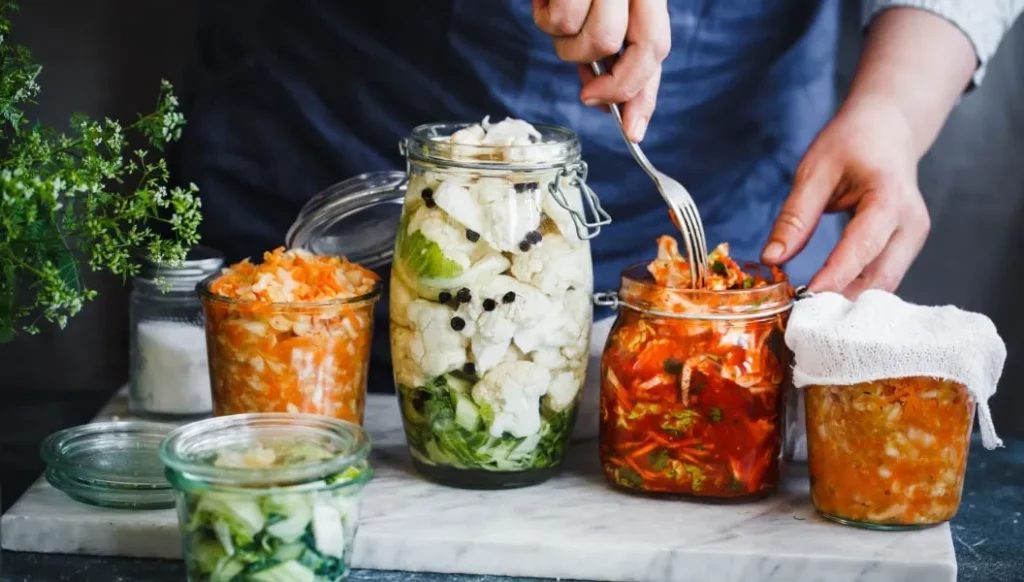
- Fermented vegetables like kimchi or pickles introduce dynamic acidity and spice integration.
3.2 Texture Modification
- Fermentation softens fibrous vegetables (sauerkraut)
- Creates carbonation in beverages (kombucha, kefir)
- Produces creamy consistency in dairy (yogurt, kefir)
3.3 Preservation Without Chemical Additives
By lowering pH and producing antimicrobial compounds, fermentation naturally extends shelf life while maintaining nutritional quality.
4. Modern Culinary Applications
4.1 Artisanal Baking
Sourdough, levain, and rye breads rely on controlled fermentation. Bakers use:
- Starter cultures with wild yeast and lactic acid bacteria
- Temperature and hydration management to regulate microbial activity
- Extended fermentation to develop flavor complexity and digestibility
4.2 Fermented Beverages
- Kombucha: Sweet tea fermented by symbiotic bacteria and yeast (SCOBY)
- Beer and Wine: Yeast strains and aging techniques define regional characteristics
- Kefir and Fermented Juices: Probiotic-rich and tangy drinks enhancing gut health
4.3 Condiments and Umami Boosters
- Soy sauce, miso, fish sauce, and fermented hot sauces transform simple ingredients into flavor-rich bases.
- Fermentation allows chefs to layer taste, creating depth unattainable with raw ingredients alone.
5. Fermentation and Nutritional Enhancement
5.1 Improved Digestibility
- Microbial enzymes partially break down proteins, starches, and fibers, making nutrients more bioavailable.
5.2 Enrichment with Vitamins and Probiotics
- Certain fermented foods increase vitamin B content, vitamin K2, and produce beneficial probiotics.
- Gut microbiome diversity is enhanced through regular consumption of fermented foods.
5.3 Reduced Anti-Nutrients
- Fermentation degrades compounds like phytates and tannins, improving mineral absorption.
6. Global Fermentation Practices
6.1 East Asian Traditions
- Kimchi (Korea): Spiced cabbage fermented for weeks, rich in lactic acid and probiotics.
- Miso and Soy Sauce (Japan): Fermented soybeans with molds for umami-rich seasoning.
- Natto (Japan): Fermented soybeans with strong aroma and sticky texture.
6.2 European Practices
- Cheese (France, Italy, Switzerland): Aging creates distinct textures and savory flavor profiles.
- Sourdough (Germany, France, Italy): Utilizes wild yeast to achieve complex flavor and crust development.
- Sauerkraut (Germany, Eastern Europe): Lactic acid fermentation preserves cabbage and enhances digestibility.
6.3 African and Middle Eastern Techniques
- Fermented cereals like injera (Ethiopia)
- Palm wine and millet-based beers
- Yogurt and labneh production
7. Fermentation as Time Management in Culinary Craft
7.1 Planning and Scheduling
- Timing and temperature control dictate flavor development
- Long fermentation processes require strategic planning, balancing immediate kitchen needs with time-dependent results
7.2 The Role of Patience
- Culinary artistry embraces waiting as part of flavor creation
- Chefs often consider fermentation a form of “collaborating with time” to enhance complexity
7.3 Innovation Through Experimentation
- Adjusting salt content, humidity, and microbial cultures allows chefs to innovate flavors
- Modern kitchens blend traditional techniques with scientific monitoring to optimize fermentation outcomes
8. Fermentation in Contemporary Cuisine
8.1 Gastronomy and Molecular Techniques
- Use of lactic acid, acetic acid, and yeast manipulations in avant-garde cuisine
- Flavor layering and controlled sourness enhance fine dining experiences
8.2 Fermentation in Plant-Based and Low-Food-Miles Diets
- Fermented vegetables and legumes increase flavor in plant-forward dishes
- Enhances sustainability by reducing reliance on animal-derived umami
8.3 Fermentation as Artistic Expression
- Chefs use fermentation to tell a story about region, season, and ingredients
- Plates become narratives where time itself is an ingredient
9. Challenges and Considerations
9.1 Microbial Control and Safety
- Controlling undesirable bacteria or molds is essential to prevent spoilage
- Hygiene, temperature regulation, and proper fermentation vessels are critical
9.2 Balancing Flavor Profiles
- Over-fermentation can lead to excessive sourness or undesirable textures
- Requires careful monitoring and sensory evaluation
9.3 Knowledge and Skill Requirements
- Successful fermentation demands understanding of microbial behavior, chemistry, and timing
- Precision and intuition are equally important in artisanal and professional kitchens
10. The Future of Fermentation
10.1 Scientific Advances
- Genomic studies allow precise selection of strains for targeted flavor or probiotic properties
- Controlled fermentation tanks with automated monitoring enhance reproducibility
10.2 Culinary Education and Innovation
- Cooking schools increasingly teach fermentation as essential skill
- Chefs experiment with hybrid techniques and cross-cultural fermentations
10.3 Fermentation in Sustainability and Nutrition
- Reduces food waste through preservation
- Enhances nutritional quality of staple crops
- Supports global efforts toward sustainable, plant-forward diets
11. Cultural and Emotional Dimensions
11.1 Connection to Heritage
- Fermented foods link generations through shared recipes and practices
- Seasonal and communal fermentation rituals reinforce cultural identity
11.2 Emotional Resonance
- Familiar fermented flavors evoke nostalgia, comfort, and sensory pleasure
- The “time seasoning” concept embodies patience, care, and craftsmanship
11.3 Community and Collaboration
- Fermentation often involves collective participation, from kimjang in Korea to cheese-making cooperatives in Europe
- Shared fermentation practices enhance social bonds and knowledge transfer
12. Conclusion
Fermentation is far more than a preservation method—it is “the seasoning of time.” By embracing microbial activity, patience, and careful monitoring, chefs and home cooks alike can transform raw ingredients into products of remarkable depth, flavor, and complexity. Through history, culture, and science, fermentation demonstrates that time itself is a vital component in culinary artistry.
From sourdough loaves and artisanal cheeses to kimchi, miso, and kombucha, fermented foods embody the convergence of tradition, innovation, and emotional resonance. By understanding and respecting the role of time in fermentation, culinary practitioners can elevate meals into sensory experiences where patience is rewarded with unparalleled taste, aroma, texture, and satisfaction.
Ultimately, fermentation exemplifies how the passage of time can be harnessed as an ingredient, teaching us that food is not merely consumed, but cultivated, crafted, and celebrated over time.