








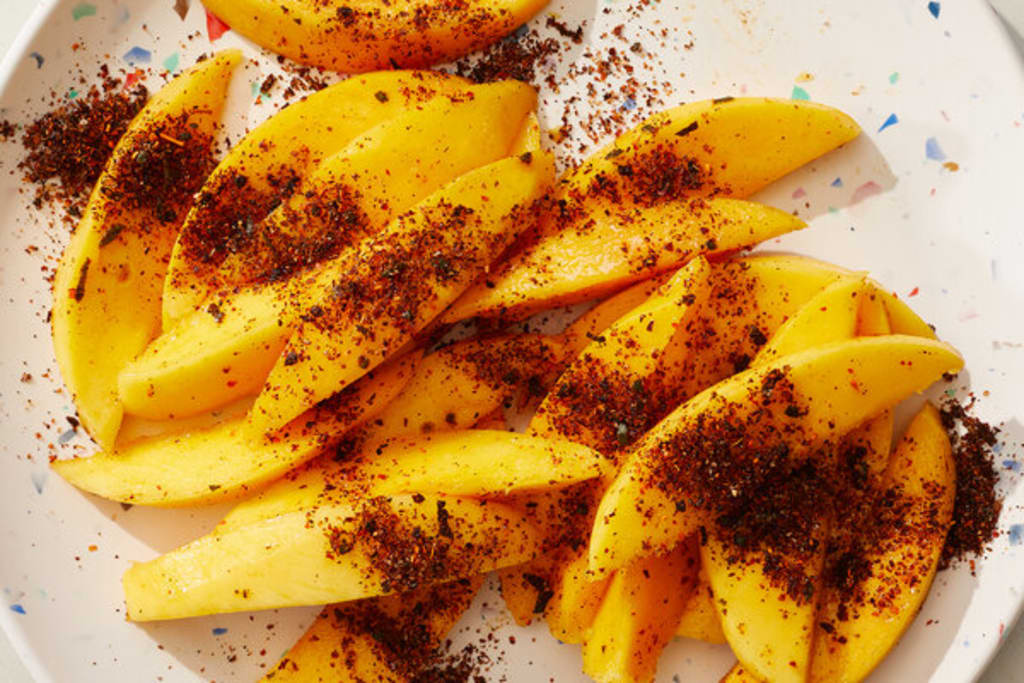

Introduction: Redefining Taste Boundaries
In the evolving landscape of modern gastronomy, conventional flavor norms are being challenged. Unconventional flavor pairings, once considered eccentric or avant-garde, are gaining popularity in both fine dining and casual culinary spaces. These combinations push diners to rethink their expectations of taste, texture, and aroma, transforming meals into experimental and immersive sensory experiences.
The rise of such pairings is not random but is fueled by scientific understanding of flavor compatibility, cultural cross-pollination, and the growing demand for novel culinary experiences. Chefs now explore unexpected juxtapositions—from sweet and savory contrasts to blending aromatic compounds from distant culinary traditions—to create memorable, narrative-rich dining experiences.
This article examines the factors driving the popularity of unconventional flavor combinations, explores the science and methodology behind their creation, and analyzes their broader cultural, sensory, and economic impacts.
Section I — Historical Context of Unconventional Flavor Combinations
1. Early Experiments in Flavor Fusion
The concept of pairing contrasting flavors is not entirely new. Historical cuisines have long included surprising combinations:
- Medieval European spice blends combined sweet and savory elements, such as meats cooked with dried fruits and honey.
- Indian cuisine often merges sweet, sour, spicy, and bitter flavors within a single dish, creating complex taste layers.
- Middle Eastern culinary traditions integrate herbs, nuts, and preserved fruits into meat dishes.
These historical precedents illustrate that taste innovation has roots in both necessity and creativity, often driven by ingredient availability, preservation needs, and cultural experimentation.
2. The Modern Avant-Garde Movement
In the 20th century, chefs began deliberately experimenting with unconventional pairings:
- Ferrán Adrià and El Bulli popularized molecular gastronomy, pairing ingredients based on aromatic compound compatibility rather than traditional taste expectations.
- Blurring dessert and savory boundaries emerged, with innovations like cheese and chocolate or olive oil ice cream.
This modern avant-garde movement laid the foundation for today’s widespread acceptance of unexpected yet harmonious flavor combinations.
Section II — The Science Behind Flavor Compatibility
1. Aromatic Compound Analysis
Scientific research has revealed that flavors are compatible when ingredients share volatile aromatic compounds:
- Ingredients with overlapping chemical profiles often produce pleasing, harmonious results.
- For example, white chocolate and caviar share subtle lactones, creating unexpected yet complementary harmony.
Flavor pairing science allows chefs to systematically explore novel combinations, moving beyond trial and error to data-driven experimentation.
2. Taste and Texture Contrast
Unconventional pairings often rely on contrast rather than similarity:
- Combining sweet with umami, acid with fat, or crunchy with creamy creates heightened sensory engagement.
- Textural contrast is as important as taste, enhancing mouthfeel and overall satisfaction.
For instance, pairing crispy fried chicken with a tangy fruit glaze leverages both textural and flavor contrasts, delivering a multi-layered dining experience.
3. Cognitive and Psychological Factors
Flavor perception is influenced by expectation and novelty:
- Unexpected combinations stimulate curiosity and attention.
- Positive surprise activates reward pathways in the brain, increasing the memorability of a dish.
- Chefs leverage psychological insights to design pairings that are both surprising and satisfying, ensuring diners enjoy innovation without discomfort.
Section III — Cultural Drivers of Unconventional Flavor Trends
1. Globalization and Ingredient Access
Global trade and modern supply chains have made diverse ingredients more accessible, allowing chefs to combine items from different culinary traditions:
- Asian spices with European dairy products.
- Latin American fruits with Mediterranean herbs.
- African grains with Southeast Asian condiments.
This accessibility fosters cross-cultural culinary experimentation, broadening the repertoire of possible flavor combinations.
2. Migration and Diaspora Influence
Migration has historically facilitated hybrid culinary creations:
- Caribbean cuisine blends African, European, and Indigenous ingredients.
- Korean-Mexican fusion in urban U.S. centers illustrates immigrant communities shaping innovative taste profiles.
Unconventional pairings often narrate cultural fusion and identity, making flavor innovation a storytelling tool.
3. Social Media and Experiential Dining
Digital platforms amplify trends:
- Viral dishes featuring surprising combinations attract attention and influence consumer expectations.
- Instagrammable foods often incorporate color, texture, and novelty, driving chefs to experiment with unconventional pairings for both flavor and visual impact.
Section IV — Methodologies for Creating Unconventional Flavor Pairings
1. Molecular Gastronomy Techniques
Molecular gastronomy allows chefs to manipulate flavor perception and texture:
- Foams, gels, and emulsions isolate and recombine flavor elements.
- Spherification encapsulates contrasting flavors, releasing them in unexpected sequences.
- Liquid nitrogen and sous-vide techniques enable precise control over flavor concentration and texture.
2. Flavor Mapping and AI
Modern chefs utilize data-driven flavor mapping:
- AI algorithms identify compatible chemical compounds across different ingredients.
- Predictive tools suggest novel pairings that humans might not intuitively consider.
Examples include pairing tomatoes with dark chocolate or basil with strawberry, combinations that share complementary aromatic profiles.
3. Iterative Tasting and Sensory Analysis
Even with advanced tools, human sensory testing remains critical:
- Taste panels evaluate balance, harmony, and emotional response.
- Iterative refinement ensures that novelty does not compromise palatability.
- Feedback loops allow chefs to optimize contrast, complexity, and flavor clarity.
Section V — Examples of Popular Unconventional Pairings
1. Sweet and Umami
- Chocolate and cheese, honey with miso, or caramelized onions with figs exemplify sweet-umami fusion.
- These pairings create rich depth while challenging conventional dessert and savory boundaries.
2. Fruit and Protein Innovations
- Pairing citrus with seafood, tropical fruits with poultry, or berries with game meat introduces bright, contrasting notes that enhance taste complexity.
- Example: Duck breast with mango puree, balancing fatty richness with fruity acidity.
3. Spices and Unexpected Bases
- Using saffron in chocolate desserts or curry in mayonnaise-based sauces combines aromatic complexity with familiar textures.
- These pairings highlight cross-cultural inspiration, often reflecting historical trade routes and ingredient exchange.
4. Fermentation and Aging Techniques
- Fermented ingredients like kimchi, miso, or aged cheeses combined with unconventional elements create flavor depth and surprise.
- Example: Kimchi paired with avocado toast, blending fermented tang with creamy richness.
Section VI — The Business and Culinary Impact
1. Fine Dining Innovation
High-end restaurants embrace unconventional pairings to:
- Differentiate their menus.
- Create signature dishes that draw media attention and culinary awards.
- Offer diners a novel experience that combines taste, aroma, and narrative.
2. Casual and Experiential Dining
Even casual dining is adopting experimental pairings:
- Food trucks and pop-ups experiment with unexpected combinations to generate buzz.
- Limited-time menu items allow testing of consumer receptivity before scaling successful concepts.
3. Culinary Education and Professional Development
- Culinary schools incorporate molecular gastronomy and flavor science into curricula.
- Chefs are trained in cross-cultural ingredient knowledge, aroma chemistry, and textural experimentation, enabling systematic creation of unconventional pairings.
Section VII — Challenges in Unconventional Flavor Pairing
1. Risk of Incompatibility
- Not all unconventional combinations succeed; poor balance can create disharmony or unpleasant sensory experiences.
- Flavor innovation requires careful understanding of aromatic compounds, acidity, fat content, and texture.
2. Consumer Acceptance
- Some diners may resist novelty due to cultural taste norms or expectation bias.
- Gradual introduction and educational storytelling can help increase acceptance and appreciation.
3. Operational Complexity
- Innovative pairings often require advanced techniques, precise timing, and specialized ingredients, increasing operational challenges.
- Effective training, recipe documentation, and ingredient sourcing are critical for consistency.
Section VIII — Future Trends in Flavor Innovation
1. Personalized Flavor Experiences
- Data-driven customization allows chefs to tailor flavor pairings to individual preferences, leveraging genetic taste profiles or cultural background.
- Personalized pairing experiences will make novel combinations more accessible and enjoyable.
2. Cross-Cultural Flavor Integration
- Increased global connectivity will continue blending traditions, ingredients, and culinary philosophies, expanding possibilities for unconventional pairings.
- Example: Middle Eastern spices combined with Scandinavian seafood or African grains integrated into Latin American desserts.
3. Sustainability-Driven Innovation
- Chefs will explore uncommon plant-based proteins, fermented foods, and alternative grains to create unconventional yet sustainable pairings.
- Eco-conscious experimentation ensures novel flavors align with environmental responsibility.
Conclusion
The rise of unconventional flavor pairings represents a dynamic evolution in modern gastronomy, merging science, culture, and creativity. These pairings challenge traditional taste norms, expand sensory experiences, and serve as a platform for storytelling, innovation, and cultural dialogue.
By combining unexpected ingredients, contrasting textures, and complementary aromatic compounds, chefs create dishes that are memorable, emotionally engaging, and narratively rich. The trend also reflects wider cultural shifts: globalization, migration, and increased curiosity about diverse culinary traditions.
As flavor experimentation continues to advance through science, technology, and creativity, unconventional pairings will redefine how we perceive taste, encouraging diners to explore the unfamiliar, the surprising, and the extraordinary. Ultimately, these innovations not only transform dining experiences but also expand the boundaries of culinary art, turning every plate into a canvas for sensory and cultural storytelling.