









Introduction: The Power of Spices, Herbs, and Resins in Global Cuisine
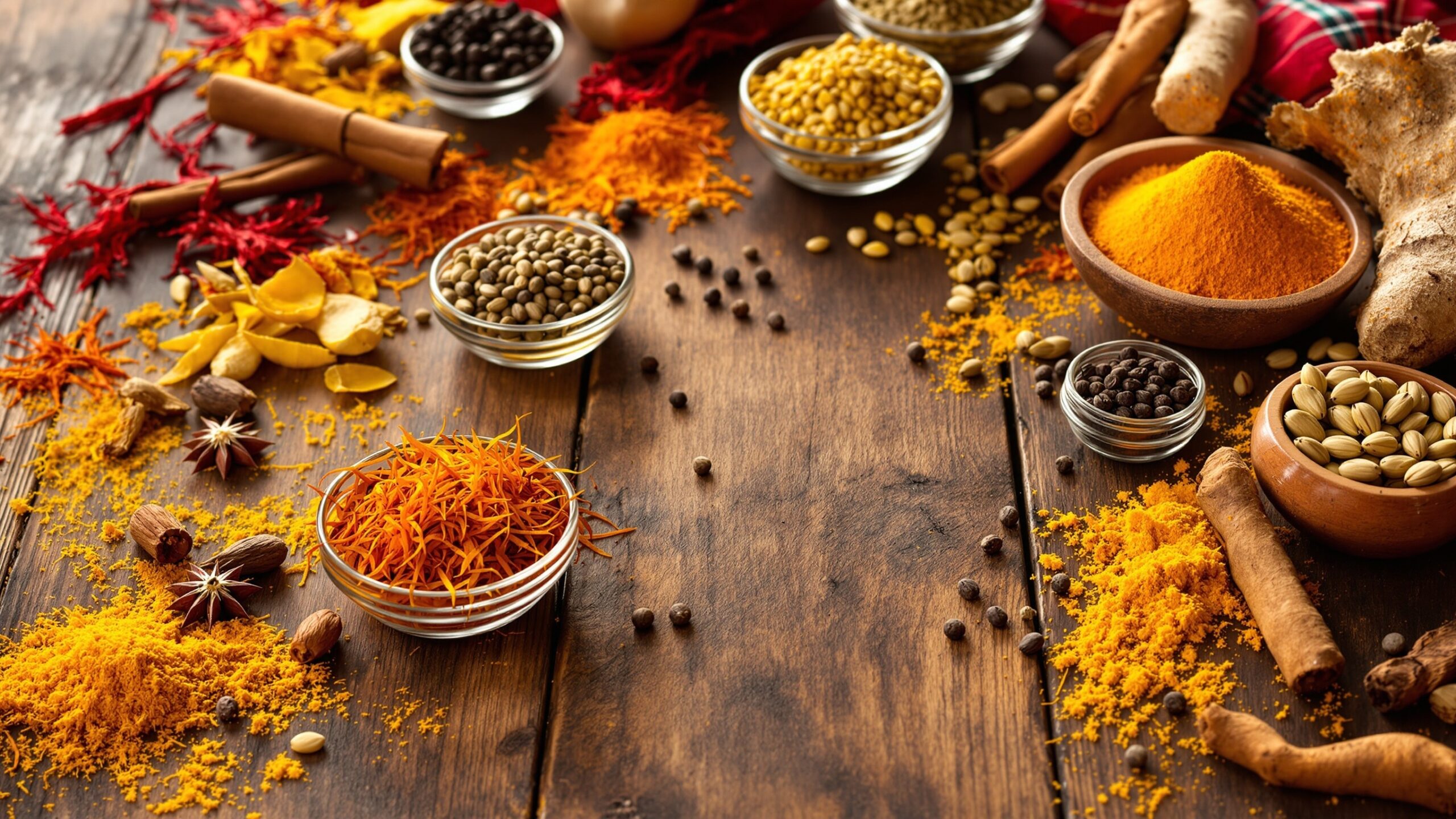
Spices, herbs, and resinous flavors have been at the heart of cooking for millennia, contributing not only to the flavor profile of food but also to the cultural identities of cuisines around the world. The use of these ingredients transcends borders, blending traditions and creating innovative culinary experiences. Whether it’s the fiery heat of chilies from South America, the earthy warmth of cumin in Indian cuisine, or the resinous, pine-like aroma of frankincense in Middle Eastern dishes, the world of spices and herbs is vast, varied, and endlessly fascinating.
In contemporary kitchens, chefs are increasingly drawing from a wide array of these powerful ingredients, incorporating them across various cuisines in exciting and unexpected ways. The practice of crossing culinary traditions to combine herbs, spices, and resinous flavors is rapidly gaining popularity. These cross-cuisine uses not only elevate dishes but also bring new layers of complexity and richness that would be otherwise unattainable.
This article will explore the diverse world of spices, herbs, and resins, examining how they are used in different cuisines and how their cross-cuisine applications are transforming the global culinary landscape. We will delve into the historical significance of these ingredients, their functional roles in cooking, and the creativity that emerges when chefs blend them across culinary traditions.
The Role of Spices, Herbs, and Resins in Traditional Cuisines
To understand the contemporary fusion of spices, herbs, and resinous flavors across culinary boundaries, it’s important to first look at their historical use in traditional cooking.
1. Spices: The Heartbeat of Many Cuisines
Spices have long been integral to many global cuisines, offering both flavor and functional properties. From the ancient spice routes connecting Asia, Africa, and Europe, to the modern-day kitchens of world-renowned chefs, spices are the backbone of culinary traditions.
- Indian Cuisine: The vast and complex use of spices in Indian cooking is unparalleled. Spices like cumin, turmeric, coriander, cardamom, and garam masala define the flavors of Indian food. Indian curries and rice dishes rely heavily on these spices to create layers of flavor, from the earthy tones of cumin to the sweet complexity of cinnamon and cardamom.
- Middle Eastern Cuisine: Spices such as cinnamon, saffron, sumac, and cumin are staples in Middle Eastern cooking. These spices are used to enhance the natural flavors of meat, grains, and vegetables, and they often work in harmony to create the rich, aromatic bases for stews, pilafs, and grilled meats.
- Mexican Cuisine: Mexican food uses a variety of spices, from the pungency of chili peppers to the earthy depth of cinnamon, cloves, and cumin. The unique combination of sweet, smoky, and spicy flavors can be found in dishes such as mole, tacos, and enchiladas.
- Asian Cuisine: Chinese, Thai, and Vietnamese cuisines are known for their delicate balance of flavors, where spices like star anise, Sichuan peppercorns, lemongrass, and ginger are used to create complex dishes that balance heat, acidity, sweetness, and saltiness.
2. Herbs: The Aromatic Foundation of Many Dishes
Herbs are another essential component of culinary traditions. While they are often associated with fresh, vibrant flavors, herbs also have deep historical roots, being used for medicinal purposes as well as culinary ones.
- Mediterranean Cuisine: Herbs like rosemary, thyme, oregano, and basil are foundational in Mediterranean cooking. They are often used to season roasted meats, grilled vegetables, and pasta dishes, and provide the distinctive flavors of Italian, Greek, and Spanish cuisines.
- Asian and South Asian Cuisines: Herbs such as cilantro, mint, and basil (including Thai basil) play a key role in the freshness and vibrancy of dishes. Fresh herbs are often used to garnish soups, salads, and rice dishes, offering a fragrant contrast to the richness of stews and meats.
- French Cuisine: Known for its precise and aromatic herb blends, French cuisine often incorporates combinations like herbes de Provence (thyme, rosemary, and lavender) or tarragon, which are used to complement sauces, roasts, and poultry.
3. Resinous Flavors: A Unique and Aromatic Addition
Resins are aromatic substances exuded by plants, often found in the bark or sap of trees. These resinous flavors have been used in various culinary traditions, often adding an aromatic, sometimes bittersweet flavor that evokes mystery and complexity.
- Middle Eastern and North African Cuisines: Resinous flavors like those of frankincense and myrrh have been used in the region for thousands of years. These ingredients, while not as common today, are sometimes included in luxury dishes and ceremonial meals, adding a unique, aromatic depth.
- European Cuisines: Pine resin, used primarily in Eastern European and Scandinavian cooking, imparts a distinct, evergreen aroma to roasted meats and stews. In some instances, resin-infused oils or vinegars are used in modernist cooking to introduce complex flavors.
- Modern Usage of Resinous Flavors: Today, the use of resins has expanded beyond traditional practices, with chefs experimenting with ingredients like frankincense, mastic, and pine resin in everything from desserts to savory dishes. The resinous quality offers a complex, almost ethereal flavor that enhances the sensory experience of the food.
The Fusion of Spices, Herbs, and Resinous Flavors Across Cuisines
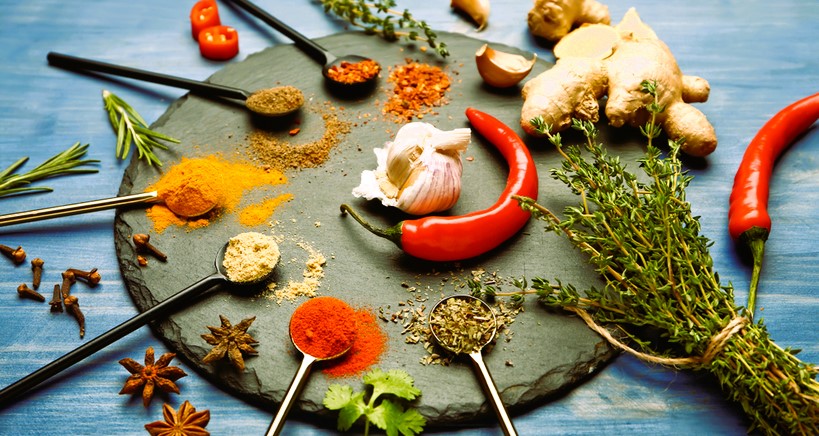
As culinary traditions become increasingly globalized, the lines between regional cuisines are becoming increasingly blurred. Chefs and home cooks alike are taking inspiration from multiple cultures, experimenting with different combinations of spices, herbs, and resinous flavors that were once confined to a specific region. This cross-cuisine use is one of the driving forces behind modern fusion cooking.
1. Global Fusion: Crossing Culinary Boundaries
The fusion of spices, herbs, and resinous flavors is creating entirely new culinary experiences. Some examples of this cross-cuisine use include:
- Southeast Asian and Middle Eastern Fusion: The use of Thai basil, lemongrass, and chili combined with the aromatic spices of cumin, coriander, and cinnamon found in Middle Eastern cooking has led to new interpretations of traditional dishes. For example, the use of chili and lemongrass in kebab marinades or curries can introduce a unique balance of freshness and heat, while cinnamon adds a sweet, warm note to the dish.
- Indian-Mexican Fusion: The combination of Indian spices like garam masala and cumin with the smoky, earthy flavors of chipotle and chili peppers from Mexican cuisine creates exciting new takes on traditional dishes. An example of this fusion is the introduction of Indian-style tamarind chutney in tacos, or the incorporation of cumin and coriander into Mexican moles.
- Mediterranean and Asian Fusion: A growing trend in modern fusion cooking is the pairing of Mediterranean herbs like rosemary and thyme with Asian ingredients like soy sauce, ginger, and wasabi. This combination of fresh, earthy flavors with the bold umami of soy and the heat of wasabi offers a striking new direction for dishes such as roasted lamb with ginger-sesame sauces or grilled fish with herb-based marinades.
- Modernist Cooking: Resins in Fusion Cuisine: The use of resinous flavors in modernist cuisine has opened the door for chefs to experiment with flavors that transcend traditional culinary practices. Frankincense, once used mainly in Middle Eastern desserts, is now being incorporated into contemporary dishes such as ice creams, sauces, and even cocktails. Similarly, pine resin and mastic are being explored in desserts like ice cream and pastries, offering a unique twist on familiar flavors.
2. Herb and Spice Blends: A Cross-Cultural Palette
One of the most exciting ways spices, herbs, and resinous flavors are being used across cuisines is through the development of new herb and spice blends. These blends are often a fusion of elements from different culinary traditions and are being used by chefs to create entirely new flavor profiles.
- Berbere and Harissa Fusion: The Ethiopian spice blend Berbere, which combines cumin, coriander, and chili, is finding its way into Middle Eastern harissa pastes, adding depth and heat. This fusion blend is being used in dishes such as spiced couscous, grilled meats, and even vegetable stews.
- Curry and Za’atar: The Indian use of curry spices, such as turmeric, ginger, and coriander, has crossed over with the Middle Eastern herb blend Za’atar, which features thyme, sesame, and sumac. This combination can be used to flavor meats, vegetables, and rice dishes, creating a fresh, aromatic base that is both comforting and exotic.
- Mexican Mole with Tamarind and Fennel: Traditional Mexican mole sauces, which rely on a combination of chilies, nuts, and spices, are now being combined with tamarind and fennel—ingredients that are more common in Indian cooking. This cross-pollination creates a fusion of sweet, spicy, and slightly sour flavors that are perfect for braised meats or vegetables.
The Science Behind Cross-Cuisine Flavor Pairings
The success of cross-cuisine flavor combinations lies in understanding the chemical interactions between different spices, herbs, and resins. Each of these ingredients contains volatile compounds that contribute to their distinctive flavors. When combined thoughtfully, these compounds interact in ways that create new and often unexpected taste experiences.
- Complementary Flavor Profiles: Spices, herbs, and resins often contain compounds that complement one another. For example, the earthiness of cumin can balance the acidity of sumac, while the sweetness of cinnamon can enhance the richness of smoked paprika. Understanding how these compounds interact is key to creating balanced and harmonious cross-cuisine pairings.
- Flavor Enhancers: Certain spices and herbs act as flavor enhancers, amplifying the perception of other ingredients. Salt, for example, enhances the umami flavor in foods, while acidic ingredients like vinegar or citrus can brighten rich, fatty flavors. Chefs can use these properties to manipulate the flavor experience and create new flavor dimensions.
- Aromatic Compounds and Resins: Resins, like frankincense and myrrh, contain aromatic compounds that evoke complex sensory experiences. When used in fusion cooking, they can add a layer of complexity that excites the senses, while also tying together disparate culinary traditions. The resinous qualities of these flavors are often paired with more familiar ingredients to create a bridge between different cultural flavor profiles.
Conclusion: The Global Language of Flavor
The cross-cuisine use of spices, herbs, and resinous flavors is one of the most exciting developments in modern cooking. By blending the traditional ingredients of different cultures, chefs are creating new and unexpected culinary experiences that celebrate the diversity of global food traditions. These cross-cultural flavor experiments not only broaden our culinary horizons but also foster a deeper appreciation for the rich history and complexity of spices, herbs, and resins in the kitchen.
As this trend continues to evolve, we can expect even more innovative uses of these ingredients, pushing the boundaries of what we think is possible in the world of food. The future of cooking is not only about rediscovering ancient flavors but also about merging them in ways that bring new layers of complexity and intrigue to every bite.