









Introduction: The Emerging Role of Microbes in Flavor Creation
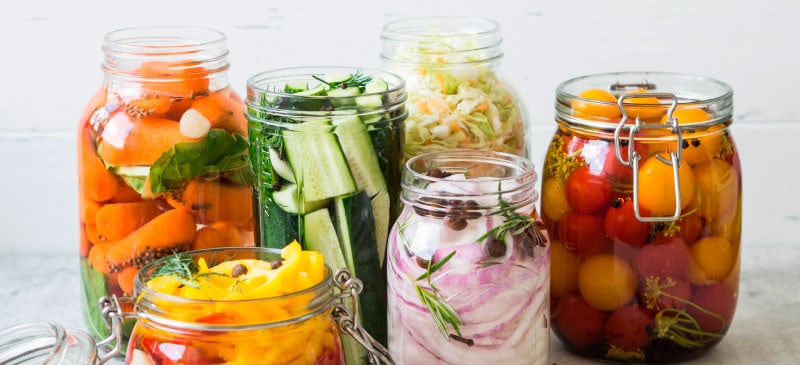
Microbes have been an integral part of human culinary history for millennia, from fermentation in bread, cheese, and wine to the creation of umami-rich condiments like soy sauce. In contemporary food science, however, microorganisms are being leveraged with unprecedented precision to produce specific flavor molecules, giving rise to a field often referred to as microbial flavor biotechnology. This emerging discipline is transforming the production of flavors from a traditional, empirical process into a scientifically optimized, sustainable, and highly controlled practice.
The term microbial flavors encompasses both naturally occurring flavors generated during fermentation and compounds produced via engineered microbes. These microorganisms—ranging from bacteria and yeasts to fungi—can synthesize volatile and non-volatile compounds that replicate or enhance natural flavor profiles, reduce reliance on chemical synthesis, and enable the creation of flavors that were previously difficult or impossible to extract from natural sources.
This article examines the science, technology, and applications of microbial flavors. It will explore the types of flavor compounds produced by microbes, the biochemical and genetic mechanisms behind their production, the impact on the food and beverage industry, and future directions for this rapidly evolving field.
The Science of Microbial Flavors
1. Traditional Microbial Fermentation
Fermentation is the oldest and most widely used method for generating microbial flavors. Microorganisms metabolize sugars, amino acids, and other nutrients to produce compounds that influence taste and aroma.
- Lactic Acid Bacteria (LAB): Used in dairy products, sauerkraut, kimchi, and sourdough, LAB produce lactic acid, diacetyl, acetoin, and other flavor-active compounds. For instance, diacetyl provides the buttery aroma in cultured butter and some cheeses.
- Yeasts: Beyond ethanol production, yeasts contribute esters, higher alcohols, and aldehydes that impart fruity, floral, or complex aroma notes in bread, beer, and wine.
- Filamentous Fungi: Mold species such as Aspergillus and Penicillium play essential roles in producing umami-rich and aromatic compounds in foods like soy sauce, miso, and blue cheese.
While these traditional methods are well-established, modern microbial flavor science moves beyond empirical fermentation, focusing on precision control and directed biosynthesis.
2. Microbial Biosynthesis of Flavor Molecules
Advances in genetic engineering and metabolic pathway optimization have enabled the design of microbial strains that produce targeted flavor molecules in high yields.
- Mechanism: Microbes are genetically modified to overexpress enzymes that catalyze specific biochemical reactions, converting simple substrates into flavor-active compounds such as esters, aldehydes, terpenes, and ketones.
- Advantages over Chemical Synthesis: Microbial production is more sustainable, reduces environmental impact, avoids harsh chemicals, and can replicate complex natural flavors more authentically.
For example, vanillin—the primary component of vanilla flavor—can now be produced via engineered yeast fermentation, offering a sustainable alternative to extraction from vanilla beans or chemical synthesis.
Key Flavor Compounds Produced by Microbes
Microbial fermentation or biosynthesis can generate a wide spectrum of flavor molecules, categorized based on their sensory characteristics:
1. Esters: Fruity and Floral Aromas
Esters are formed when organic acids react with alcohols, often catalyzed by microbial enzymes. They are responsible for many fruity notes in beverages and confections.
- Examples:
- Ethyl acetate: Pear-like aroma, commonly in wine and beer.
- Isoamyl acetate: Banana-like aroma, found in some beers and fruit-flavored products.
- Microbial Sources: Yeast (Saccharomyces cerevisiae) and certain bacteria can be engineered to overproduce esters selectively, enabling flavor customization in beverages and confections.
2. Terpenes and Monoterpenoids: Citrus and Herbal Notes
Terpenes contribute to citrusy, piney, and floral flavors. Traditionally extracted from plants, they can now be produced by engineered microbes.
- Example: Limonene (citrus) or linalool (floral) can be biosynthesized by yeast or E. coli strains engineered with plant-derived biosynthetic genes.
- Impact: Microbial terpene production enables consistent flavor intensity year-round without relying on crop harvests, ensuring supply stability.
3. Phenols: Spicy, Smoky, and Roasted Flavors
Phenolic compounds add complexity with smoky, clove-like, or roasted notes.
- Example: 4-Vinylguaiacol, produced by yeast or bacteria, contributes smoky and spicy flavors in beers and baked goods.
- Applications: Can replace traditional smoking methods, reducing environmental impact and standardizing flavor.
4. Aldehydes and Ketones: Nutty, Buttery, and Green Notes
Aldehydes and ketones contribute nuanced flavors often associated with freshness, butteriness, or nutty aromas.
- Example: Hexanal imparts a fresh, green note; diacetyl imparts buttery flavor in dairy fermentation.
- Microbial Optimization: Targeted strain engineering allows precise control over concentrations to achieve desired sensory outcomes.
Techniques and Approaches in Microbial Flavor Production
1. Strain Selection and Optimization
Choosing the appropriate microbial strain is critical. Natural isolates may already produce desirable flavors, while engineered strains can be optimized for higher yield and stability.
- Traditional Selection: Screening naturally occurring microbes for flavor potential.
- Metabolic Engineering: Introducing or enhancing specific enzymatic pathways to increase flavor compound production.
2. Controlled Fermentation Systems
Precision control of fermentation parameters—temperature, pH, substrate concentration, and oxygen levels—affects flavor outcomes. Industrial bioreactors enable reproducibility and scalability of microbial flavor production.
- Example: Oxygen-limited conditions may increase ester synthesis in yeast, enhancing fruity aroma in beverages.
3. Synthetic Biology Approaches
Synthetic biology allows the assembly of entirely novel biosynthetic pathways in microbes to produce rare or exotic flavor compounds.
- Example: Engineering yeast to produce saffron-like apocarotenoids, which are otherwise expensive and difficult to extract from natural sources.
Applications in the Food and Beverage Industry
Microbial flavors have broad applications, from traditional fermented foods to cutting-edge plant-based products.
1. Beverages
- Alcoholic Drinks: Microbial engineering allows for precise control of fruity, floral, and phenolic notes in wine, beer, and spirits.
- Non-Alcoholic Drinks: Fermented teas (kombucha) or flavored waters benefit from microbial flavor enhancement.
2. Dairy and Plant-Based Products
- Cheese and Yogurt: LAB strains optimized for flavor production create consistent, desirable aromas in cultured dairy.
- Plant-Based Alternatives: Microbial flavors provide umami and dairy-like notes in plant-based cheeses, meats, and milk substitutes.
3. Confectionery and Snacks
- Esters and terpenes produced by microbes are incorporated into candies, chocolates, and baked goods to replicate natural fruit or spice flavors.
4. Sustainable and Novel Flavor Solutions
- Microbial production reduces dependency on raw materials, e.g., vanilla, saffron, or exotic fruits, which can be costly and resource-intensive to harvest.
- Flavor innovation allows chefs and food companies to explore combinations that were previously inaccessible.
Challenges in Microbial Flavor Production
Despite its promise, microbial flavor production faces challenges:
- Regulatory Compliance: Approval for food use of genetically engineered microbes varies globally.
- Scale-Up and Cost: Industrial-scale production must balance yield, purity, and cost-effectiveness.
- Consumer Perception: Transparency and education are essential to foster acceptance of flavors derived from microbes.
- Complex Flavor Profiles: Reproducing the complexity of natural flavors often requires blending multiple microbial products and fermentation conditions.
Future Directions
The field of microbial flavors is poised for rapid growth, driven by sustainability, consumer demand for natural and innovative flavors, and technological advancements.
- Integration with AI and Big Data: Predictive modeling can optimize microbial pathways for flavor production.
- Expansion of Rare Flavor Profiles: Engineering microbes to produce exotic flavors, rare terpenes, and complex aroma compounds.
- Functional and Health-Enhancing Flavors: Combining flavor production with probiotic or nutraceutical benefits.
- Circular Economy Applications: Using food waste substrates as fermentation feedstock to produce high-value flavors.
Conclusion: Microbial Flavors as a Cornerstone of Next-Generation Food Science
Microbes are no longer passive contributors to fermentation—they are active creators of flavor, precision-engineered to meet modern culinary, sustainability, and health demands. Microbial flavors offer a unique combination of consistency, sustainability, and creative potential, enabling food scientists and chefs to expand the sensory landscape of food.
As biotechnology, fermentation science, and synthetic biology advance, microbial flavor production is set to redefine what we consider possible in taste innovation, bridging tradition and technology while providing scalable, environmentally conscious solutions for the food and beverage industry.