








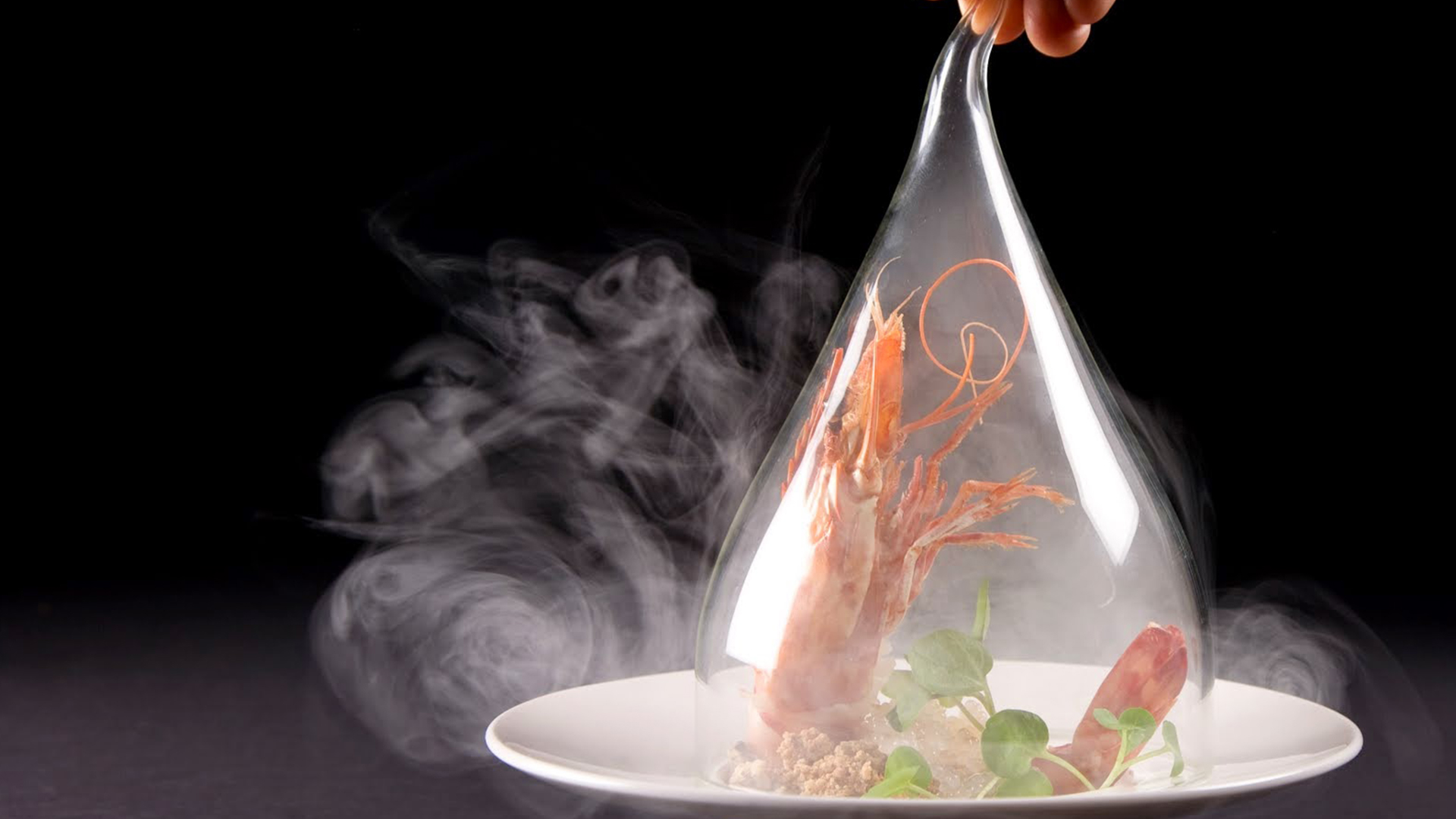

The culinary world is undergoing a profound transformation as chefs and food scientists increasingly employ scientific methods to create unprecedented taste experiences. No longer confined to traditional cooking techniques, the modern kitchen is becoming a laboratory where chemistry, physics, biology, and sensory science converge to shape the way we perceive flavors. From molecular gastronomy to flavor pairing based on chemical compounds, science-driven culinary innovation is expanding the boundaries of taste, texture, aroma, and presentation.
This article explores the principles, methods, applications, and implications of using scientific approaches to craft novel taste experiences. It examines the intersection of research, technology, and artistry in modern gastronomy, highlighting key techniques, notable practitioners, and emerging trends.
1. The Science of Taste and Flavor
1.1 Understanding Human Taste Perception
Human taste perception is mediated by taste receptors on the tongue, which detect five primary modalities:
- Sweet: Signals energy-rich nutrients.
- Sour: Indicates acidity, often linked to spoilage or fermentation.
- Salty: Provides essential electrolytes.
- Bitter: Often a warning for toxins, but can add complexity.
- Umami: Savory taste associated with amino acids, particularly glutamate.
Beyond these, aroma compounds detected through olfaction play a critical role in overall flavor perception. Flavor is thus a multi-sensory experience, combining taste, smell, texture, temperature, and even sound.
1.2 Flavor Science and Chemistry
Scientific exploration of flavor focuses on chemical compounds responsible for taste and aroma:
- Volatile molecules contribute to aromatic complexity in fruits, herbs, and cooked foods.
- Maillard reactions create brown, savory flavors during roasting, grilling, or baking.
- Emulsions, gels, and foams manipulate texture to alter perceived flavor intensity.
Understanding these interactions allows chefs to engineer taste experiences that go beyond traditional cooking methods.
2. Molecular Gastronomy: Bridging Science and Art
2.1 Origins and Principles
Molecular gastronomy, pioneered by chefs like Hervé This and Ferran Adrià, applies scientific principles to culinary techniques:
- Investigates chemical transformations during cooking.
- Uses innovative tools such as liquid nitrogen, vacuum sealers, and centrifuges.
- Explores the impact of temperature, pressure, and pH on flavor, texture, and appearance.
The goal is not only to surprise and delight diners but also to deepen understanding of the science underlying cooking processes.
2.2 Signature Techniques
Key molecular gastronomy techniques include:
- Spherification: Encapsulating liquids in edible membranes to create “flavor spheres.”
- Foams and Espumas: Airy textures infused with concentrated flavors.
- Gelification: Transforming liquids into gels with controlled consistency.
- Sous-vide Cooking: Vacuum-sealed, temperature-controlled cooking for precise texture and flavor retention.
- Cryogenic Techniques: Using liquid nitrogen to rapidly freeze or create dramatic visual effects.
These methods enable chefs to reimagine traditional ingredients and dishes, creating new taste sensations.
3. Flavor Pairing Through Chemistry
3.1 Understanding Molecular Affinity
Flavor pairing relies on shared aromatic compounds between ingredients:
- Foods sharing similar volatile molecules are often perceived as complementary.
- Example: White chocolate and caviar share sulfur compounds, creating surprising harmony.
- Chefs use databases and chemical analysis to design combinations that are unexpected yet scientifically grounded.
3.2 Applications in Menu Design
- Chefs create multi-course experiences where each dish explores complementary or contrasting flavor compounds.
- Innovative desserts might combine fruit acids with savory umami elements to excite the palate.
- Seasonal and local ingredients can be paired using chemical insights rather than tradition alone.
Flavor pairing demonstrates how science can guide creativity, producing dishes that surprise even experienced diners.
4. Sensory Science and Multisensory Experiences
4.1 Beyond Taste: Engaging All Senses
Modern culinary science emphasizes multi-sensory stimulation:
- Texture: Contrasting creamy, crunchy, and gelatinous components to enhance taste perception.
- Temperature: Hot, cold, or temperature-contrasted elements intensify flavors.
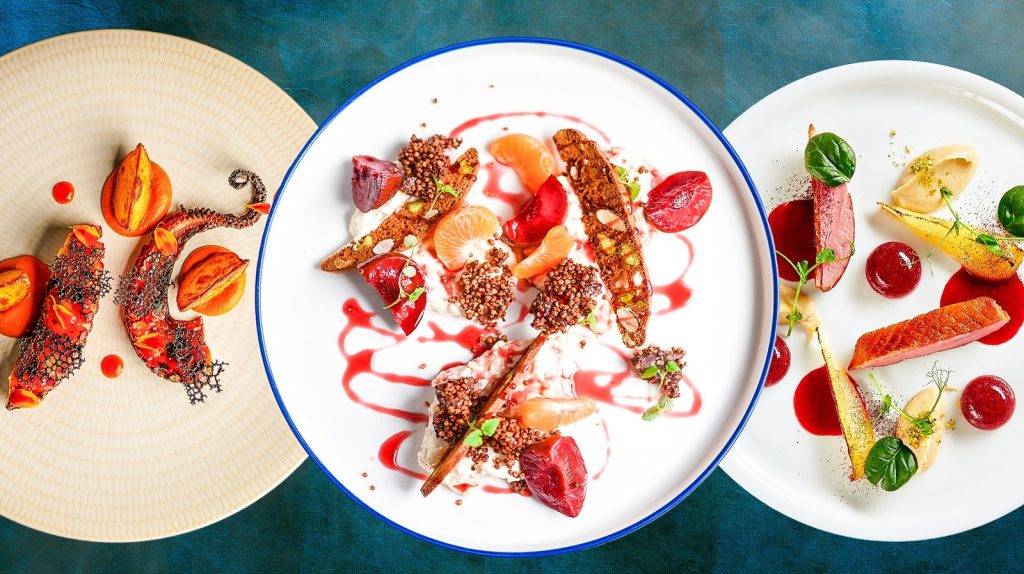
- Visual cues: Color, plating, and presentation influence perceived taste intensity.
- Sound: Crispiness or sizzle contributes to flavor enjoyment.
- Smell and aroma: Direct inhalation of aromatic compounds enhances overall perception.
This holistic approach allows chefs to engineer experiences that are memorable and immersive.
4.2 Experimental Techniques
- Edible scent diffusers: Release aromatic compounds during consumption.
- Plating innovations: Layering colors and textures for visual and tactile impact.
- Interactive dining: Allowing diners to manipulate elements such as foams or gels, creating a personalized sensory journey.
Sensory science transforms dining into a performative and participatory experience, where perception is as important as flavor itself.
5. Technological Tools in Flavor Innovation
5.1 Kitchen Equipment
- Rotovaps (Rotary Evaporators): Extract pure flavors and aromas from ingredients.
- Centrifuges: Separate components for texture manipulation or flavor concentration.
- Immersion Circulators: Enable precise sous-vide cooking with consistent results.
- Liquid Nitrogen and Dry Ice: Facilitate cryogenic textures and temperature contrasts.
These tools provide chefs with precision and control, allowing experimentation that is impossible with conventional methods.
5.2 Digital and Computational Approaches
- Flavor compound databases analyze chemical similarities for new pairings.
- AI and machine learning predict ingredient compatibility and consumer preference.
- 3D printing enables creation of edible structures with precise texture and layering.
Technology integrates science and creativity, enabling chefs to prototype and refine novel dishes systematically.
6. Case Studies of Innovative Culinary Experiences
6.1 Ferran Adrià and El Bulli
- Pioneered foam-based creations, edible helium balloons, and deconstructed dishes.
- Explored molecular techniques to redefine textures and taste sequences.
- Emphasized experimentation, turning the kitchen into a laboratory for flavor research.
6.2 Heston Blumenthal and The Fat Duck
- Focused on multi-sensory dining, combining temperature, aroma, and auditory cues.
- Created dishes such as snail porridge and bacon-and-egg ice cream to challenge expectations while remaining harmonious.
- Uses scientific methods to investigate perception and memory associated with flavor.
6.3 Modern Research Kitchens
- Universities and private labs analyze taste perception, ingredient interactions, and food chemistry.
- Collaborations between chefs and scientists produce data-driven flavor innovations.
- Examples include sustainable ingredient substitutions that maintain flavor profiles.
These examples illustrate how science and culinary art intersect to create unforgettable taste experiences.
7. Implications for Culinary Education and Research
7.1 Integrating Science in Culinary Curricula
- Modern chefs are trained in chemistry, physics, and sensory evaluation.
- Curricula emphasize experimentation, data analysis, and flavor design.
- Cross-disciplinary education bridges science, art, and gastronomy, fostering innovative mindsets.
7.2 Research and Development
- R&D departments in high-end restaurants explore new techniques, textures, and ingredient interactions.
- Consumer testing evaluates preferences and perception, informing menu design.
- Collaboration with food scientists enhances understanding of nutrition, sustainability, and flavor chemistry.
Scientific methods in culinary R&D are key to pushing the boundaries of taste and presentation.
8. Sustainability and Ethical Considerations
8.1 Ingredient Optimization
- Scientific methods enable substitution of scarce or environmentally taxing ingredients without compromising flavor.
- Techniques such as flavor extraction or molecular reconstruction reduce waste.
- Use of local, seasonal ingredients aligns taste innovation with sustainability goals.
8.2 Nutrition and Health
- Novel textures and preparation methods allow for reduced salt, sugar, or fat while preserving flavor intensity.
- Sensory enhancement techniques compensate for lower-calorie dishes, improving consumer acceptance.
- Functional ingredients can be incorporated into meals without sacrificing enjoyment.
By combining flavor innovation with sustainability and health, chefs address contemporary culinary challenges responsibly.
9. The Future of Taste Innovation
9.1 AI and Computational Flavor Design
- AI predicts novel combinations of ingredients based on molecular profiles.
- Machine learning models anticipate consumer acceptance of experimental dishes.
- Computational gastronomy accelerates flavor discovery, reducing trial-and-error time.
9.2 Personalized Culinary Experiences
- Data on individual taste preferences enables tailored dishes in restaurants or at home.
- Wearables and sensory analysis can adjust flavor intensity and balance in real-time.
- Personalized experiences create deeper emotional engagement and lasting memories.
9.3 Cross-Disciplinary Collaboration
- Partnerships between chefs, chemists, neuroscientists, and psychologists enhance flavor perception research.
- Innovations in texture, aroma, and multisensory design are increasingly informed by cognitive science.
- The future of taste involves integrating science, technology, and creativity seamlessly.
10. Conclusion
The application of scientific methods in culinary arts has redefined the possibilities of flavor and taste. By leveraging chemistry, physics, biology, sensory science, and technology, chefs can create dishes that surprise, delight, and challenge perceptions. Molecular gastronomy, multisensory experiences, flavor pairing, and precision cooking all exemplify the transformative power of science in the kitchen.
Looking ahead, personalized, sustainable, and data-driven approaches will shape the future of gastronomy. The fusion of art and science enables chefs to push boundaries while maintaining balance, harmony, and enjoyment, creating taste experiences that are both innovative and emotionally resonant. As culinary science continues to evolve, diners can expect a new era of flavor exploration, where each meal is not just food, but a crafted scientific and sensory adventure.