










Introduction: Shifting the Focus of Modern Cuisine
The culinary world has undergone a profound transformation in recent decades. Once, fine dining and haute cuisine were defined primarily by technical mastery—the ability to execute complex preparations, elaborate plating, and visually striking presentations. Molecular gastronomy, liquid nitrogen desserts, and spherification techniques dominated the attention of diners and critics alike, turning chefs into performers and kitchens into stages for culinary theater.
While these technical innovations brought excitement and creativity to modern cuisine, they also highlighted a tension: in some cases, the essence of flavor was overshadowed by spectacle. Dishes that impressed visually sometimes failed to deliver a lasting sensory experience, leaving diners with admiration but little emotional connection to the food itself.
Today, the focus of cutting-edge gastronomy is shifting from showcasing techniques to a more profound exploration of flavor essence and multi-sensory dining experiences. Modern chefs are blending art and science to create food that is emotionally resonant, scientifically precise, and deeply rooted in the sensory perception of taste, aroma, texture, and temperature.
This article examines this transition, exploring how chefs are moving from technique-centered innovation to flavor-centered creativity, and how sensory science, ingredient selection, and culinary philosophy converge to redefine the modern dining experience.
Section I — The Era of Culinary Showmanship
1. Molecular Gastronomy: Science Meets Art
The late 20th century marked the rise of molecular gastronomy, a movement that revolutionized the way chefs approached flavor, texture, and presentation. Pioneered by scientists like Hervé This and popularized by chefs such as Ferran Adrià and Heston Blumenthal, molecular gastronomy combined scientific principles with culinary creativity.
Techniques such as spherification, foams, sous-vide, and liquid nitrogen enabled chefs to deconstruct traditional dishes and reconstruct them in novel ways. Plates became laboratories, and dining experiences were increasingly performative, with chefs introducing diners to smoky cocktails, edible films, and deconstructed desserts.
While molecular gastronomy elevated technical skill and astonished diners, it often emphasized visual and conceptual surprise over pure flavor harmony. As the trend matured, chefs and diners alike recognized the importance of reconnecting innovation with flavor, giving rise to a new culinary philosophy.
2. Visual Spectacle vs. Flavor Substance
In this period, the visual and theatrical aspects of dining often took precedence over taste. Intricately plated dishes and dramatic cooking techniques impressed reviewers and social media audiences, but the essence of the ingredients could be diluted by excessive manipulation.
The industry learned a key lesson: technical mastery alone cannot define culinary excellence. Diners seek flavor satisfaction, emotional engagement, and memorable sensory experiences. The challenge became how to maintain technical innovation while ensuring that the core of the dish—the flavor—remains the central focus.
Section II — Understanding the Essence of Flavor
1. The Science of Taste
Flavor is a multi-dimensional concept, combining the basic tastes—sweet, sour, salty, bitter, and umami—with aroma, texture, temperature, and mouthfeel. Understanding these elements allows chefs to manipulate dishes more purposefully.
- Sweetness typically comes from sugars and provides a sense of comfort.
- Sourness derives from acids and adds brightness or balance.
- Saltiness enhances other flavors and contributes to depth.
- Bitterness provides contrast and complexity.
- Umami, the savory taste, contributes richness and mouth-filling satisfaction.
Modern chefs employ sensory science to optimize flavor balance, understanding how combinations of tastes and aromas influence perception and satisfaction. For instance, pairing umami-rich ingredients with subtle acidity can amplify perceived depth and complexity, creating a more memorable dish.
2. Aroma and Olfactory Engagement
Aroma is an integral component of flavor, responsible for up to 80% of what we perceive as taste. Chefs increasingly experiment with aromatic layering, introducing volatile compounds that enhance the overall sensory experience.
Techniques such as smoke infusion, herb vapors, and essential oil sprays are used to extend the aromatic profile of a dish, making the experience immersive and emotionally engaging. By leveraging olfactory science, chefs can craft dishes that linger in memory, connecting dining with emotion.
3. Texture and Mouthfeel
Texture influences perceived flavor as strongly as taste itself. The difference between crispy, creamy, or chewy textures alters how flavors are experienced. For example:
- Crispness enhances perceived freshness.
- Creaminess can emphasize richness and sweetness.
- Gelatinized or foamed textures modify the way flavors release in the mouth.
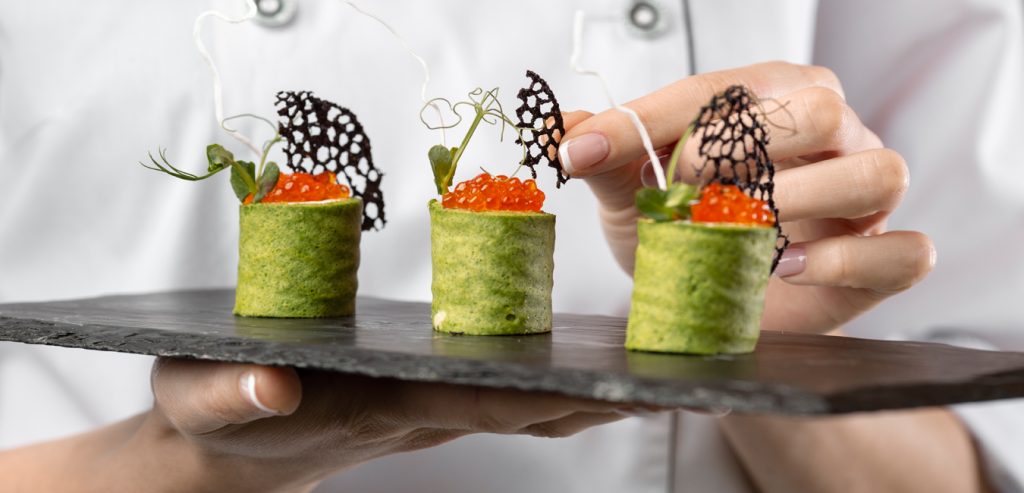
Modern cuisine emphasizes textural contrast, creating dynamic experiences where every bite offers layers of tactile and gustatory pleasure.
Section III — Sensory Science in the Culinary Experience
1. The Psychology of Eating
Eating is inherently psychological. Factors such as expectation, context, and memory influence flavor perception. Comfort foods evoke nostalgia, while novel combinations generate curiosity and excitement. Chefs can intentionally manipulate these cues to enhance emotional engagement, turning meals into multi-sensory narratives rather than mere nourishment.
2. Multi-Sensory Dining Experiences
Leading chefs integrate sight, sound, smell, taste, and touch into cohesive experiences. Examples include:
- Visual storytelling through plating and color contrast.
- Auditory cues, such as playing soundscapes that mimic environments related to the dish.
- Tactile engagement, from edible textures to interactive utensils.
This approach transforms dining from passive consumption into an immersive sensory journey, highlighting the essence of flavor in context.
3. Technology as a Sensory Amplifier
Emerging technologies amplify sensory experiences. 3D food printing creates intricate textures; AI-based flavor prediction identifies novel ingredient pairings; and temperature-controlled delivery systems optimize aroma release. These tools allow chefs to fine-tune flavor and experience, bridging science and artistry.
Section IV — Returning to Ingredient-Driven Cuisine
1. Minimalism and Ingredient Purity
Modern chefs emphasize ingredient integrity, reducing unnecessary complexity to let natural flavors shine. Techniques focus on:
- Precise cooking to preserve freshness.
- Harmonious pairing to enhance inherent tastes.
- Highlighting seasonal and local produce to maximize flavor impact.
Minimalism does not sacrifice creativity—it refines it, channeling innovation into taste-focused experimentation.
2. Fusion of Tradition and Innovation
Rather than discarding tradition, contemporary chefs blend classical techniques with modern insights. Fermentation, slow roasting, and reduction are combined with controlled emulsification, vacuum infusion, and sous-vide precision. The result is authentic yet novel dishes, emphasizing the essence of flavor over visual spectacle.
Section V — Case Studies: Leading Examples
- The Fat Duck (Heston Blumenthal): Focuses on sensory layering, combining aroma, texture, and sound to create immersive experiences.
- Noma (René Redzepi): Prioritizes ingredient-driven innovation, emphasizing seasonality and natural flavor depth.
- Alinea (Grant Achatz): Transforms the dining table into a laboratory for sensory exploration, balancing technical prowess with taste harmony.
These examples illustrate the movement from technique to flavor essence, demonstrating how innovation now serves the diners’ sensory and emotional engagement.
Section VI — Future Trends: Towards Holistic Flavor Design
1. Personalization of Taste
Advances in nutrigenomics and AI flavor analysis enable personalized flavor profiles, tailoring dishes to individual preferences and enhancing satisfaction.
2. Sustainability and Ethical Flavor
Ingredient choices now consider environmental impact. Flavor innovation intersects with plant-based proteins, regenerative agriculture, and zero-waste approaches, allowing chefs to maintain taste excellence while supporting sustainable practices.
3. Integration of Science and Emotion
The next frontier in cuisine emphasizes science-informed emotional resonance: understanding how flavors trigger memories, emotions, and pleasure to create transformative dining experiences.
Conclusion: From Spectacle to Essence
The culinary evolution from showcasing techniques to embracing the essence of flavor represents a maturation of modern gastronomy. Today’s chefs are not only skilled artisans but scientists, psychologists, and storytellers, designing experiences that engage all senses.
By focusing on flavor, texture, aroma, and emotional resonance, chefs have redefined the purpose of modern cuisine: not to amaze by spectacle alone, but to create meaningful, memorable, and transformative sensory journeys. This paradigm shift marks a new era of gastronomy, where technique serves flavor, and flavor serves the human experience.