








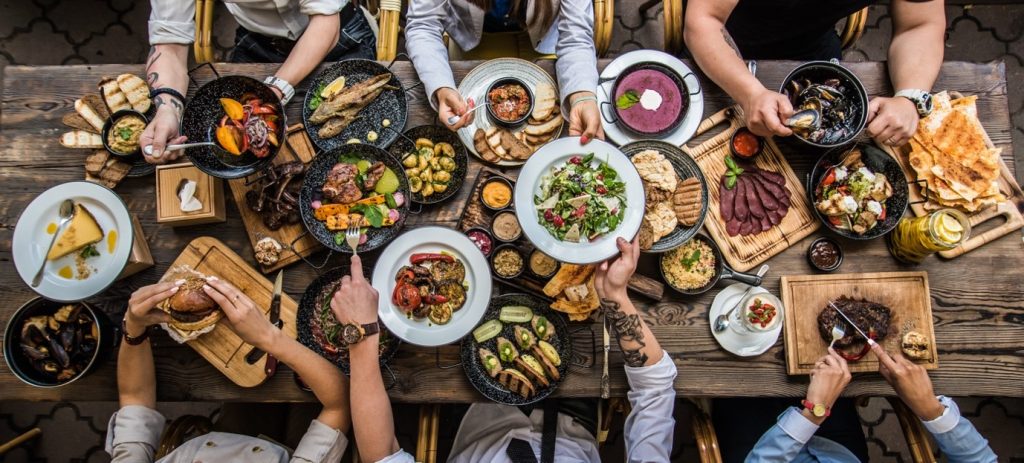

Introduction: The Convergence of Flavor and Narrative
In the modern culinary landscape, food is more than sustenance; it is a medium for cultural expression, storytelling, and identity formation. Fusion cuisine, which blends techniques, ingredients, and flavor profiles from multiple culinary traditions, has emerged as a powerful vehicle for cultural narratives. Beyond novelty or experimentation, fusion dishes convey stories of migration, colonization, trade, and personal identity, creating multi-layered experiences that connect diners to history, geography, and culture.
Fusion cuisine has transitioned from being primarily a showcase of technical skill to a means of narrating complex cultural dialogues. Chefs today design menus that reflect heritage, social interaction, and global interconnectedness, transforming dining into an interpretive, educational, and emotional experience.
This article explores how fusion cuisine functions as a tool for cultural storytelling, examining its historical foundations, contemporary applications, sensory strategies, and sociocultural significance.
Section I — Historical Foundations of Fusion as Narrative
1. Migration and Culinary Hybridity
Human migration has historically created opportunities for culinary storytelling:
- Diaspora communities maintain traditional flavors while adapting to local ingredients, producing hybrid cuisines.
- Examples include Indian-Chinese cuisine in Southeast Asia, Italian-American adaptations of pasta, and African-Caribbean culinary traditions.
These dishes tell stories of movement, adaptation, and resilience, reflecting how communities negotiate identity while preserving cultural memory through food.
2. Colonial Influence and Cross-Cultural Exchange
Colonial histories also contributed to fusion cuisine as a narrative tool:
- Ingredients and techniques from colonial powers merged with indigenous traditions, creating hybridized flavors.
- The Columbian Exchange introduced tomatoes, chili peppers, cacao, and potatoes to Europe, Africa, and Asia, reshaping culinary narratives across continents.
Such fusion dishes encode historical power dynamics, cultural interactions, and resistance, offering insight into the social and political contexts of flavor evolution.
3. Trade Routes as Story Vectors
Trade routes facilitated cross-cultural flavor integration:
- Spices, grains, and condiments traveled along the Silk Road, Indian Ocean, and trans-Saharan trade networks, creating the foundation for modern fusion dishes.
- These networks enabled chefs to craft narratives that celebrate cultural convergence, reflecting centuries of global interaction.
By understanding the historical trajectory of ingredients and techniques, diners can experience fusion cuisine as edible history, connecting flavors to people, places, and time.
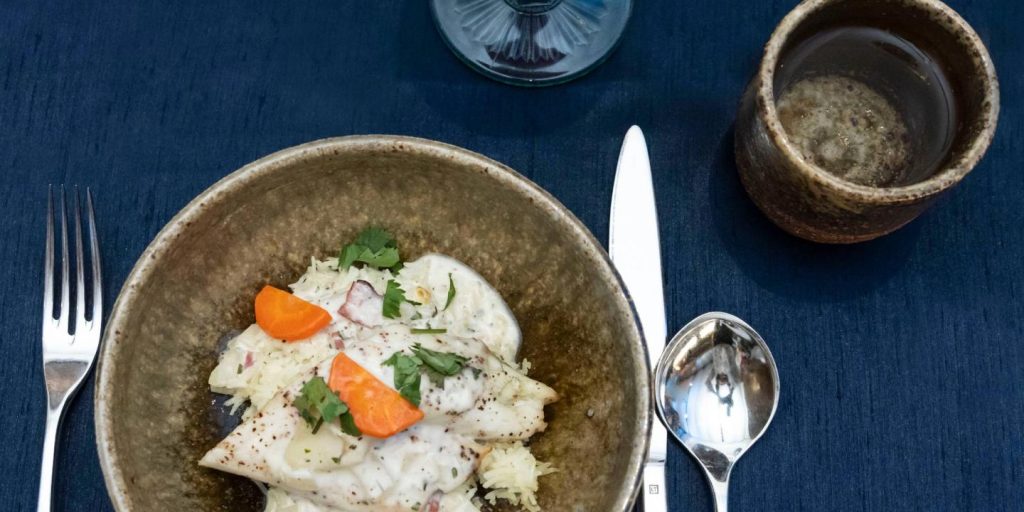
Section II — Fusion Cuisine as Cultural Narratives
1. Encoding Identity Through Ingredients
Chefs leverage ingredient selection to communicate identity and heritage:
- Signature spices, heirloom grains, or regional proteins signal cultural origin.
- Combining ingredients from different cultures highlights cross-cultural dialogue, often reflecting the chef’s own personal narrative or the migration story of a community.
For instance, Peruvian Nikkei cuisine integrates Japanese culinary techniques with Peruvian ingredients like potatoes and citrus, narrating a story of Japanese migration and adaptation in South America.
2. Techniques as Storytelling Devices
Cooking methods themselves can carry cultural significance:
- Fermentation, smoking, roasting, and steaming evoke ancestral practices.
- Techniques transplanted across cultures create narrative tension and dialogue, demonstrating how culinary knowledge travels and evolves.
For example, Korean BBQ-inspired tacos in Los Angeles narrate the fusion of Korean immigrant techniques with Mexican street food culture, producing a tangible story on a plate.
3. Presentation and Multi-Sensory Narratives
The presentation of fusion dishes enhances narrative impact:
- Plating can evoke landscape, tradition, or migration journey.
- Aroma, texture, and temperature manipulate sensory perception, adding emotional and mnemonic layers to the story.
- Interactive elements, such as table-side assembly, allow diners to participate in the narrative, reinforcing cultural connection.
Sensory storytelling transforms dining into an immersive cultural experience, where each element contributes to a coherent narrative arc.
Section III — Case Studies in Cultural Storytelling Through Fusion
1. Nikkei Cuisine: Peruvian-Japanese Hybridity
- Originating from Japanese immigration to Peru in the late 19th and early 20th centuries.
- Fusion techniques include ceviche with Japanese knife precision and tiraditos using soy-based marinades.
- Narratives conveyed: migration, adaptation, and cultural negotiation.
- Diners experience a culinary story of diaspora resilience and innovation.
2. Chifa Cuisine: Chinese-Peruvian Fusion
- Introduced by Chinese laborers in Peru during the 19th century.
- Combines Cantonese techniques with Peruvian ingredients, such as chicken, rice, and local vegetables.
- Represents cultural adaptation and integration, preserving traditional Chinese flavors while embracing a new environment.
- The dishes themselves narrate the historical labor migration and culinary creativity of immigrant communities.
3. Korean-Mexican Fusion in the United States
- Exemplified by chefs like Roy Choi, blending Korean barbecue with Mexican taco frameworks.
- Storytelling through flavor highlights immigrant identity, urban culture, and cross-cultural adaptation.
- The success of these dishes lies not just in taste but in communicating the lived experience of multicultural communities.
Section IV — Techniques and Tools for Culinary Storytelling
1. Molecular Gastronomy and Narrative Layering
Molecular gastronomy techniques allow chefs to:
- Create unexpected flavor combinations, symbolizing cultural convergence.
- Modify textures to reflect historical or symbolic meanings.
- Incorporate aromas that evoke memory and heritage.
These techniques transform dishes into multi-layered stories, where each sensory element contributes to the narrative arc.
2. Digital and AI-Enhanced Flavor Narratives
Modern technology enables chefs to:
- Predict cross-cultural ingredient compatibility.
- Optimize taste, aroma, and texture for narrative impact.
- Craft personalized dining experiences that reflect cultural heritage or migration stories.
Technology supports fusion cuisine as a medium for complex storytelling, integrating science and culture seamlessly.
3. Plating and Visual Symbolism
Visual elements reinforce narrative:
- Color combinations evoke cultural symbolism or geographical origin.
- Layering of ingredients mirrors historical or migration journeys.
- Interactive plating invites diners to engage in the unfolding of a culinary story, strengthening cultural connection.
Section V — Social and Cultural Impact
1. Fusion Cuisine as a Bridge Between Communities
- Encourages cross-cultural understanding through shared culinary experiences.
- Allows diners to explore unfamiliar cultures via familiar frameworks, promoting empathy and curiosity.
- Supports diaspora visibility, preserving heritage while fostering cultural dialogue.
2. Economic and Tourism Implications
- Fusion cuisine often drives culinary tourism, where visitors seek authentic stories encoded in flavors.
- Restaurants become platforms for cultural education, offering narrative-rich dining experiences that elevate both gastronomy and cultural literacy.
3. Ethical and Cultural Considerations
- Chefs must navigate cultural appropriation vs. respectful fusion.
- Authentic storytelling requires research, understanding, and collaboration with the communities whose cuisines inspire the dishes.
- Ethical fusion ensures that culinary narratives honor heritage rather than exploit it.
Section VI — Modern Trends in Narrative-Driven Fusion Cuisine
1. Story-Centric Menus
- Restaurants increasingly design menus around narratives, such as migration journeys, historical events, or family heritage.
- Each dish becomes a chapter in a broader story, with flavors, textures, and presentations reinforcing the narrative.
2. Immersive Dining Experiences
- Multi-sensory storytelling, including music, visual media, and scent, complements fusion cuisine.
- Diners experience emotional and cognitive engagement, enhancing retention of cultural stories.
3. Personalized Cultural Storytelling
- Data-driven culinary tools allow tailored fusion experiences based on diner background or preferences.
- This approach makes fusion cuisine a living, interactive narrative, evolving with participants while reflecting cultural authenticity.
Section VII — Challenges and Opportunities
1. Balancing Innovation and Cultural Integrity
- Chefs must ensure that creative fusion does not dilute or misrepresent traditional cuisines.
- Successful storytelling requires cultural literacy, historical awareness, and technical mastery.
2. Complexity of Flavor Narratives
- Multi-cultural dishes can overwhelm diners if not carefully balanced.
- Sensory and flavor design must consider harmony, contrast, and narrative clarity.
3. Opportunities for Education and Cultural Preservation
- Fusion cuisine offers a platform to educate diners about culinary heritage, migration histories, and cultural resilience.
- Restaurants and chefs can serve as cultural ambassadors, using dishes to preserve traditions while innovating responsibly.
Conclusion
Fusion cuisine has evolved into a sophisticated medium for cultural storytelling, transcending the boundaries of taste to communicate identity, history, and heritage. By combining ingredients, techniques, and sensory experiences from multiple cultures, chefs craft dishes that narrate migration journeys, colonial legacies, and trade influences, making dining an immersive, educational, and emotionally resonant experience.
In the contemporary culinary landscape, fusion cuisine is more than gastronomy—it is a bridge between cultures, a preservation tool for heritage, and a canvas for innovation. By harnessing the power of narrative, chefs transform food into a living archive of human movement, creativity, and interconnectedness, ensuring that each bite carries history, identity, and meaning.
As fusion cuisine continues to evolve, it will remain a vital tool for cultural storytelling, shaping the ways we understand, celebrate, and connect with the diverse flavors of our world.