








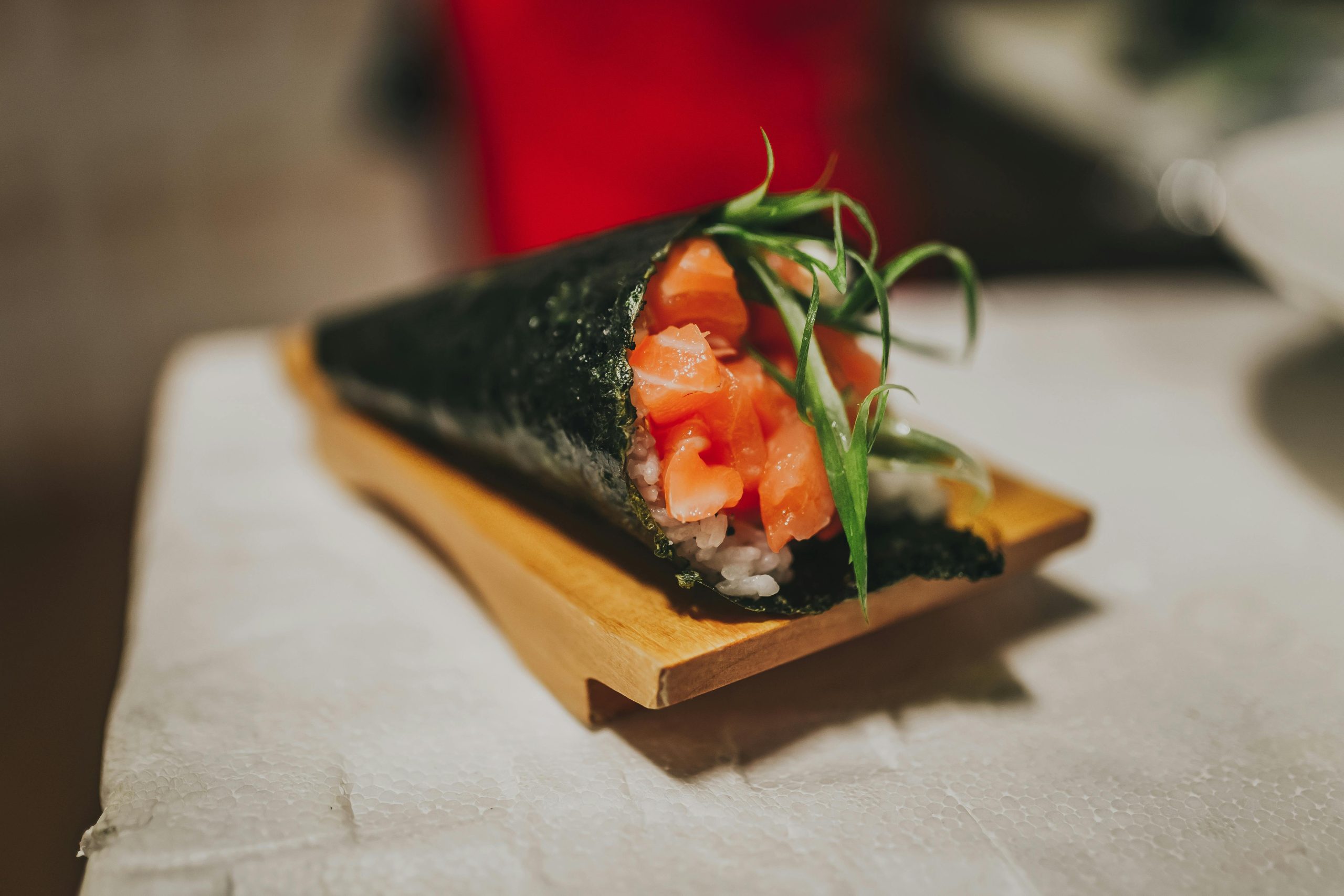

Introduction: The Evolution of Fusion Cuisine
Fusion cuisine, the art of combining culinary traditions from multiple cultures, has evolved significantly since its emergence in the late 20th century. Traditionally, chefs sought to merge flavors, techniques, and ingredients from different culinary worlds, creating dishes that were both novel and harmonious. From French-Asian blends in the 1980s to contemporary Latin-Asian innovations, fusion cuisine has continually redefined what constitutes modern gastronomy.
In the current era, fusion cuisine 2.0 emphasizes bold creativity, sensory immersion, and scientific precision, pushing boundaries far beyond mere combination of ingredients. Chefs now explore cross-cultural flavor interactions, textural innovations, and multi-sensory dining experiences, while also considering sustainability, ethical sourcing, and health-focused adaptations.
This article delves into the latest trends in fusion cuisine, exploring its evolution, methodology, sensory science, technological integration, and the broader cultural and ecological implications of culinary innovation.
Section I — Historical Context and Evolution
1. Origins of Fusion Cuisine
The concept of combining culinary traditions is ancient, evident in historical trade routes and cultural exchanges. For example:
- Silk Road cuisines blended spices, grains, and cooking methods from Central Asia, the Middle East, and East Asia.
- Colonial encounters in Southeast Asia created hybrid dishes, incorporating indigenous ingredients with European techniques.
However, modern fusion cuisine gained prominence in the 1970s–1980s, particularly in cosmopolitan cities where chefs like Wolfgang Puck and Roy Yamaguchi experimented with blending Asian and Western culinary techniques. Early fusion cuisine often sought to:
- Introduce novel flavors to familiar ingredients.
- Reimagine presentation styles to appeal to sophisticated urban diners.
- Merge cooking methods, such as French techniques applied to Asian proteins.
2. From Culinary Experimentation to Art Form
By the 1990s, fusion cuisine became more experimental and artistic, with chefs exploring texture, aroma, and visual impact alongside flavor. Restaurants in metropolitan hubs began presenting multi-course tasting menus, where each dish reflected a careful balance of cultures and techniques.
The evolution highlighted two key trends:
- Innovation with purpose: Each combination served to enhance flavor or texture rather than novelty alone.
- Cultural storytelling: Dishes began narrating the intersection of heritage, geography, and global exchange, appealing to both palate and imagination.
Section II — Principles of Modern Fusion Cuisine
1. Flavor Harmony Across Cultures
The core principle of fusion cuisine remains flavor harmony. Modern chefs analyze:
- Primary taste profiles: sweet, sour, salty, bitter, umami.
- Aromatic synergy: pairing spices, herbs, and volatile compounds across cuisines.
- Textural balance: combining crunchy, creamy, and chewy elements to enhance overall satisfaction.
For instance, pairing Japanese miso with Mediterranean roasted vegetables creates a rich umami layer without overpowering delicate flavors, while integrating Latin American citrus adds freshness and brightness. Chefs consider both scientific flavor interactions and cultural authenticity, ensuring that each dish resonates holistically.
2. Technique Integration
Fusion cuisine relies on combining cooking methods from multiple traditions. Examples include:
- Sous-vide techniques applied to traditional braised meats from Asian or Middle Eastern cuisine.
- Fermentation methods such as kimchi or miso applied to Western vegetables and proteins.
- Molecular gastronomy techniques, including foams, gels, and emulsions, to reinterpret classic dishes while retaining recognizable flavor identities.
By merging techniques thoughtfully, chefs create innovative dishes that honor both heritage and modernity.
3. Seasonal and Locally Sourced Ingredients
Modern fusion cuisine increasingly emphasizes sustainability:
- Seasonal produce ensures optimal flavor and nutrient density.
- Locally sourced ingredients reduce environmental impact while supporting community economies.
- Fusion chefs adapt international flavors using regionally available ingredients, blending global inspiration with local practicality.
Section III — Sensory Science in Fusion Cuisine
1. Multi-Sensory Flavor Design
Fusion cuisine 2.0 goes beyond taste, integrating sight, smell, touch, and sound into dining experiences:
- Visual contrast: contrasting colors from diverse culinary traditions enhances perception of freshness and flavor.
- Aroma layering: volatile compounds from herbs, spices, and sauces evoke cultural familiarity and novelty simultaneously.
- Textural complexity: combining crispy, creamy, and gelatinous elements enhances mouthfeel and engagement.
- Sound and presentation: auditory elements, such as sizzling or crackling components, increase the anticipation and pleasure of eating.
Chefs increasingly apply neuroscience research, understanding how the brain integrates multi-sensory inputs to shape flavor perception and emotional response.
2. Psychological and Cultural Resonance
Fusion cuisine often evokes cultural memory and nostalgia. By combining familiar flavors from one culture with novel elements from another, chefs can create emotional resonance, allowing diners to explore identity, heritage, and curiosity through taste.
Psychological research indicates that unexpected flavor combinations can heighten attention and delight, provided the balance of taste, aroma, and texture is harmonious. Modern fusion chefs meticulously design dishes to optimize these cognitive and emotional responses, elevating dining from nutrition to experience.
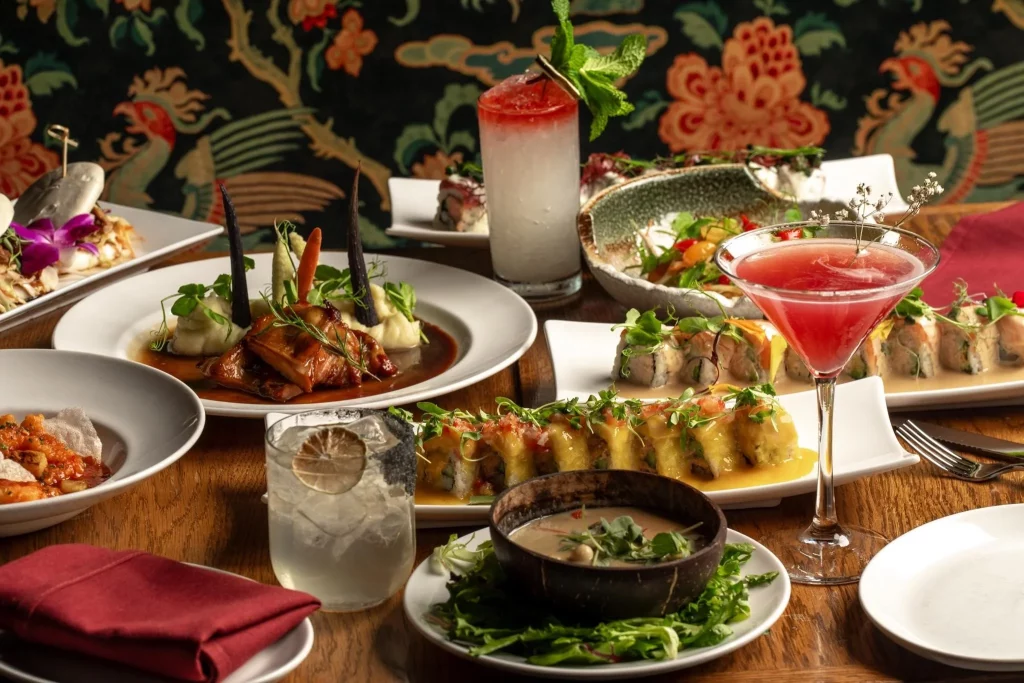
Section IV — Technological Innovations Driving Fusion Cuisine
1. Advanced Cooking Equipment
Modern fusion chefs utilize cutting-edge tools to refine precision and creativity:
- Sous-vide machines allow exact temperature control, enhancing tenderness and flavor release.
- Rotary evaporators extract concentrated flavors without heat degradation.
- 3D food printers enable intricate presentation and layering, enhancing both aesthetics and texture.
Technology facilitates experimentation while maintaining consistency and reproducibility, critical for fine dining establishments.
2. Data-Driven Flavor Pairing
AI and flavor modeling platforms now allow chefs to predict successful ingredient combinations:
- Analyze molecular compatibility of ingredients.
- Identify synergistic aroma and taste profiles.
- Reduce trial-and-error, accelerating innovation.
Such tools are particularly valuable in fusion cuisine, where cross-cultural combinations carry greater risk of discordant flavors.
3. Sustainability and Waste Reduction Technologies
Fusion chefs integrate eco-conscious technologies:
- Vacuum-sealed cooking preserves nutrients and reduces spoilage.
- Composting and fermentation minimize waste.
- Ingredient substitution software identifies alternative sustainable sources without compromising flavor.
Section V — Bold Fusion Trends and Case Studies
1. Global-Local Hybrids
Chefs combine global flavor concepts with local ingredients, such as:
- Japanese umami with Mediterranean vegetables.
- South American chilies infused in European sauces.
- Indian spices with Nordic seafood.
These combinations respect tradition while creating distinctive flavor profiles.
2. Molecular Fusion
Molecular gastronomy techniques are now widely integrated into fusion cuisine:
- Foams and gels provide unexpected textures for traditional ingredients.
- Spherification encases culturally contrasting flavors in bite-sized bursts.
- Flavor layering techniques combine intense aromatics and subtle base notes, elevating complexity.
3. Plant-Based Fusion Innovation
Plant-based diets inspire fusion chefs to explore cross-cultural vegetarian and vegan dishes:
- Asian fermentation techniques applied to Western legumes.
- Creative use of grains, seeds, and plant proteins from multiple regions.
- Flavor and texture engineering to emulate traditional animal-based profiles, broadening accessibility without compromising innovation.
4. Signature Case Studies
- Nobu Matsuhisa: Blends Japanese techniques with Peruvian ingredients, creating globally recognized flavor harmony.
- Roy Choi (Kogi BBQ): Korean-Mexican street fusion, combining tacos with Korean barbecue flavors, democratizing fusion cuisine.
- Gaggan Anand: Progressive Indian cuisine using molecular techniques to reinterpret traditional Indian flavors in playful, artistic forms.
Section VI — Challenges in Bold Fusion Cuisine
1. Maintaining Authenticity
Balancing innovation with respect for culinary heritage is critical:
- Avoid superficial combinations that compromise cultural integrity.
- Ensure that flavor innovation enhances rather than dilutes traditional elements.
2. Flavor Compatibility
Cross-cultural ingredient pairing can be challenging:
- Overly aggressive flavors may clash.
- Subtle taste contrasts require precise balancing.
- Sensory science and molecular analysis help mitigate risk.
3. Operational and Cost Constraints
Fusion cuisine often demands advanced equipment, specialized ingredients, and skilled labor:
- High cost of imported or rare ingredients.
- Complex preparation processes increase time and resource requirements.
- Strategies include ingredient substitution, local sourcing, and technique optimization to improve scalability.
Section VII — The Future of Fusion Cuisine
1. Personalized Flavor Experiences
Technologies such as AI flavor modeling and genetic taste profiling enable chefs to design dishes tailored to individual diners’ preferences. Fusion cuisine can thus be both globally inspired and personally relevant.
2. Sustainability and Ethical Fusion
Future trends prioritize:
- Zero-waste culinary practices.
- Plant-forward dishes with cross-cultural innovation.
- Ethically sourced proteins and produce, reflecting social and environmental responsibility.
3. Multi-Sensory Immersion
Future fusion dining will increasingly integrate sight, sound, touch, and scent, creating immersive gastronomic experiences. Techniques include interactive plating, aroma diffusion, and dynamic textures, enhancing emotional and sensory resonance.
Conclusion
Bold innovations in fusion cuisine have elevated culinary arts to a multi-dimensional experience, where technique, flavor, culture, and sensory science converge. Modern fusion chefs are not only creators and experimenters but also scientists, storytellers, and cultural ambassadors, blending tradition with innovation to craft dishes that delight, surprise, and resonate deeply with diners.
As fusion cuisine continues to evolve, it will embody the essence of global gastronomy: honoring heritage while embracing modernity, science, and sustainability. By mastering flavor, texture, aroma, and presentation, chefs push the boundaries of taste, creating memorable, transformative dining experiences that reflect the interconnectedness of cultures, technology, and human emotion.