










Introduction: From Culinary Tradition to Molecular Innovation
The perception of aroma is central to the enjoyment of food, yet the processes that govern it are complex, involving hundreds of volatile compounds interacting with our senses. In contemporary culinary science, chefs and food technologists are increasingly moving beyond traditional cooking methods to deconstruct the aromatic profile of ingredients, identify the key molecules responsible for specific odors, and then recombine them in novel ways.
This scientific approach to flavor—rooted in analytical chemistry, sensory science, and molecular gastronomy—enables unprecedented control over the aroma experience. By understanding why ingredients smell and taste the way they do, food creators can enhance, transform, or even invent flavors that are impossible to achieve through conventional cooking alone.
This article explores the principles, methodologies, and applications of deconstructing and recombining aroma molecules, highlighting how this approach shapes modern gastronomy, food innovation, and sensory science.
Understanding Aroma: The Molecular Basis
1. Volatile Compounds and Odor Perception
Aroma arises from volatile organic compounds (VOCs) that evaporate from food and bind to olfactory receptors in the nasal cavity. Each compound has a unique chemical structure and odor signature:
- Esters: Often fruity or floral, such as ethyl butyrate (pineapple) or isoamyl acetate (banana).
- Aldehydes: Contribute green, citrusy, or nutty notes, e.g., hexanal (green, grassy) or vanillin (sweet, creamy).
- Ketones: Provide buttery, nutty, or floral aromas, such as diacetyl or raspberry ketone.
- Sulfur Compounds: Responsible for onion, garlic, or savory umami characteristics.
- Terpenes: Aromatic compounds that give herbal, citrus, or resinous notes.
Understanding these molecules’ structure–odor relationships is essential for controlled manipulation of flavor.
2. Synergistic and Antagonistic Interactions
Aroma perception is rarely linear. Molecules can interact synergistically, enhancing certain notes, or antagonistically, masking others. For example:
- Synergy: Linalool (floral) and citral (citrus) together intensify the perception of freshness.
- Antagonism: High levels of sulfur compounds can suppress delicate fruity esters.
By mapping these interactions, flavor designers can predict how molecules combine to produce desired sensory experiences.
Methodologies for Deconstructing Aroma
1. Analytical Techniques
Modern science offers precise tools to identify and quantify volatile compounds in ingredients:
- Gas Chromatography–Mass Spectrometry (GC-MS): Separates and identifies individual molecules based on mass and chemical properties.
- Gas Chromatography–Olfactometry (GC-O): Combines chemical analysis with human sensory evaluation to determine which compounds are perceivable and impactful.
- Proton Transfer Reaction Mass Spectrometry (PTR-MS): Provides real-time analysis of volatile emissions, enabling monitoring of aroma changes during cooking.
2. Headspace Analysis
Headspace sampling captures volatile compounds emitted by food without disrupting its matrix. This technique is especially useful for fragile compounds that degrade during heating or extraction.
3. Sensory Evaluation and Descriptive Analysis
While analytical instruments identify molecules, human perception ultimately defines aroma. Trained sensory panels assess odor intensity, quality, and hedonic impact, complementing chemical analysis.
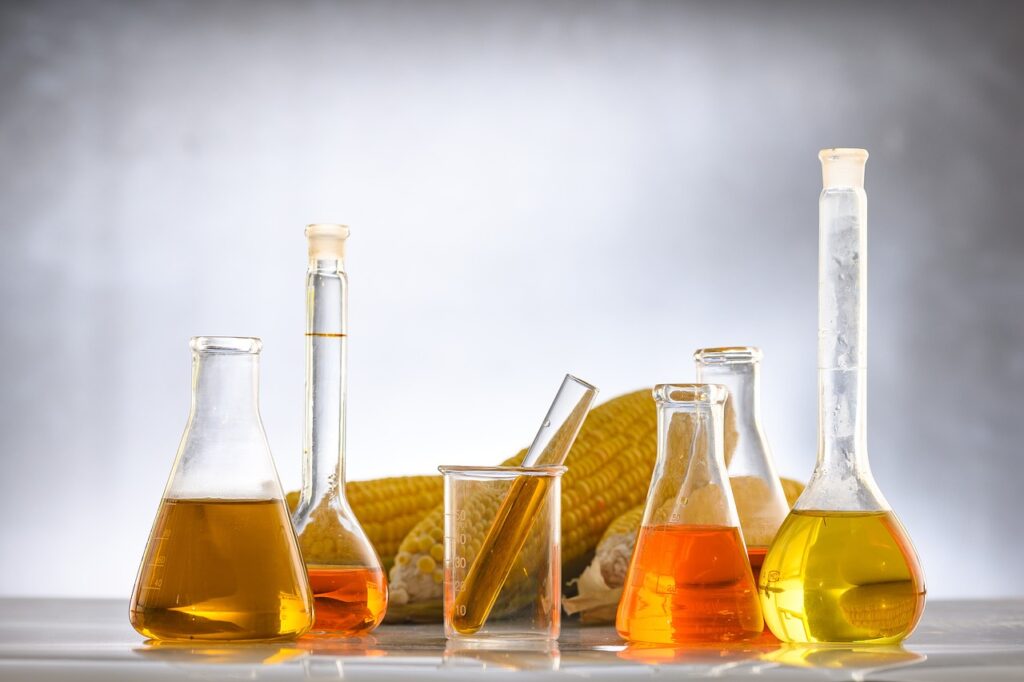
Recombining Aroma Molecules: Principles and Strategies
Once key aroma compounds are identified, they can be recombined in innovative ways to create new flavors or enhance existing ones. Several principles guide this process:
1. Flavor Mapping
Creating a flavor map involves charting the dominant odor notes of an ingredient and the interactions between molecules. This helps determine which compounds can be modified, amplified, or substituted.
2. Molecular Pairing
By understanding chemical compatibility, designers can pair molecules from different ingredients that share complementary volatiles:
- Example: Pairing fruity esters from mango with floral terpenes from jasmine can create a novel dessert aroma.
- Guideline: Shared functional groups or complementary odor descriptors often lead to harmonious combinations.
3. Precision in Concentration
Subtle differences in concentration dramatically affect perception. Recombining molecules requires careful titration to avoid over-intensity, off-flavors, or imbalance.
4. Matrix Considerations
The food matrix influences aroma release. Fat, protein, and water content, as well as pH and temperature, affect how molecules volatilize and interact with sensory receptors. Molecular recombination must account for these factors to achieve the desired olfactory experience.
Culinary Applications and Case Studies
1. Deconstructed Dishes
Chefs use deconstruction to separate the aromatic components of traditional dishes and recombine them creatively:
- Example: A tomato dish may isolate esters and aldehydes responsible for its fruity, green, and umami notes, then recombine them with unexpected elements like smoked herbs or fermented grains.
- Impact: Enhances complexity and surprises diners while maintaining recognizable flavor cues.
2. Flavor Innovation in Beverages
In beverages such as craft cocktails or specialty teas:
- Aromas are extracted, concentrated, and recombined to create unique sensory profiles.
- Microbial fermentation can generate novel esters or terpenes that are blended with natural extracts to craft distinctive, signature drinks.
3. Plant-Based Alternatives
Recombining aroma molecules enables plant-based foods to emulate the sensory properties of meat, dairy, or seafood:
- Example: Combining sulfur compounds, Maillard reaction analogs, and fat-derived volatiles creates convincing “umami meaty” profiles from soy or pea proteins.
- This approach allows flavor replication without animal products, enhancing acceptance of sustainable alternatives.
4. Sweet and Dessert Innovations
Dessert flavors benefit from recombination of esters, aldehydes, and lactones:
- Example: A chocolate dish may combine cacao-derived volatiles with tropical esters to create a layered, multi-dimensional aroma.
- Controlled recombination allows precise modulation of sweetness perception, fruitiness, and bitterness.
Scientific and Technological Advances
1. Synthetic Biology
Engineered microorganisms can produce specific aroma molecules, which can then be incorporated into recombined flavor matrices:
- Enables production of rare compounds, such as saffron-like apocarotenoids or vanilla analogs, in a sustainable, scalable way.
- Supports innovation in personalized or functional flavors.
2. Computational Flavor Prediction
Machine learning and cheminformatics tools predict how molecules interact and which combinations will produce desired sensory effects:
- Accelerates flavor development.
- Reduces trial-and-error in ingredient blending.
- Supports creation of completely novel flavor experiences.
3. Multi-Sensory Integration
Modern gastronomy considers how aroma interacts with taste, texture, and visual cues:
- Aroma recombination can be paired with textural contrast (crunch, creaminess) or temperature modulation to enhance overall sensory impact.
- Examples include smoked desserts, aromatic foams, or temperature-sensitive flavor release.
Challenges and Considerations
While recombining aroma molecules offers immense creative potential, several challenges remain:
- Complexity of Natural Flavors: Hundreds of compounds interact synergistically; reproducing full complexity is difficult.
- Matrix Effects: Aroma release depends on fat, protein, and moisture; lab results may differ from real-world perception.
- Regulatory and Safety Compliance: New aroma compounds or recombinations must meet food safety standards.
- Consumer Acceptance: Novel combinations may be perceived as unusual; storytelling and context help enhance acceptance.
Future Directions in Aroma Science
- Personalized Aroma Profiles: Using genetic and sensory data to tailor flavor experiences for individual preferences.
- Sustainable Flavor Engineering: Producing rare or exotic aroma molecules via microbial biosynthesis rather than resource-intensive farming.
- AI-Guided Flavor Innovation: Predictive algorithms suggest novel molecular combinations with high likelihood of consumer appeal.
- Integration with Nutritional Design: Aroma manipulation to enhance perceived sweetness or umami without adding sugar or salt, promoting healthier foods.
Conclusion: Redefining Culinary Creativity Through Molecular Deconstruction
Deconstructing and recombining aroma molecules represents a transformative approach in culinary science. By analyzing the chemical foundations of flavor, understanding the sensory interactions, and strategically reassembling molecules, chefs and food technologists can create experiences that are simultaneously familiar, surprising, and innovative.
This methodology bridges tradition and modern science, offering:
- Enhanced creativity: Freedom to craft new flavors beyond conventional ingredients.
- Sustainability: Ability to replicate rare or high-impact aromas without over-harvesting natural sources.
- Personalization: Opportunities for tailored flavor experiences for diverse consumer preferences.
By focusing on why ingredients smell and taste the way they do, the field of aroma deconstruction and recombination is not just transforming food—it is redefining the very possibilities of taste and olfactory delight in the 21st century.